

From 7th to 11th April 2025, Arctic Youth research centre in collaboration with EUGLOH hosted a dynamic course at UiT The Arctic University of Norway in Tromsø focused on interdisciplinary collaboration in research, education, and practice (full details here). The event brought together researchers, students, and professionals from nine European universities to explore six real-world societal challenges.
A workshop designed for collaboration
The workshop format blended daily plenary lectures with afternoon group work. Mornings were open to the public and featured talks by leading academics and practitioners, while afternoons were devoted to in-depth collaboration on predefined challenges. This hybrid model provided participants with both intellectual inspiration and practical engagement, creating a powerful environment for collective learning and innovation. See the full UiT news article about the workshop here.
Day 1 – Framing the week: What is collaborative research?
The week began with a warm welcome and a series of talks introducing the foundations of collaborative research. Rita Sørly, Head of the Arctic Youth Research Centre, opened the event with an overview of the workshop’s goals and the role of Arctic Youth in promoting inclusive, co-created research.
Keynote speakers included:
- Prof. Ilse Julkunen (University of Helsinki), on “Transforming research impact through interdisciplinary approaches”
- Ass. Prof. Birgitta Ljung Egeland (Karlstad University), who discussed “Narrative learning and the development of life skills”
- Senior Lecturer Katarina Bernhardsson (Lund University), presenting “Shared reading as a tool in healthcare and education”
- Prof. Sofia Laine (Finnish Youth Research Society), exploring “Co-research and co-creation with young people”
- Niila Rahko (Finnish Institute for Health and Welfare), who addressed “Ethical collaboration in Indigenous research in Sápmi”
The day concluded with an overview of Arctic Youth’s work packages and their research interests and efforts.
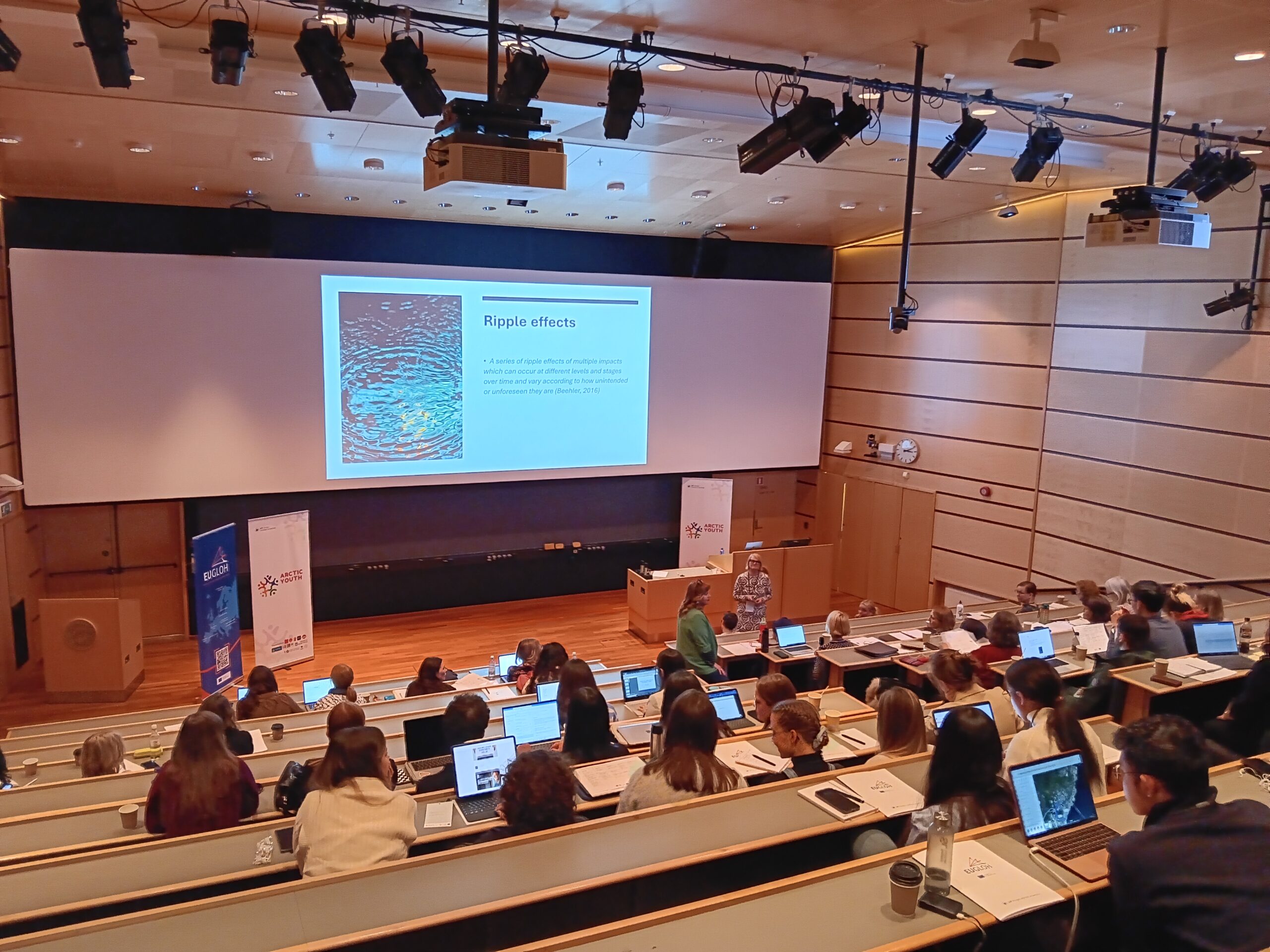
Ilse Julkunen giving her keynote lecture.
Photo: Kim Bredsen/ UiT.
Day 2 – Methods and application of collaborative research
Tuesday’s sessions focused on the “how” and “whys” of collaborative research, providing participants with tools and starting points for their group work.
Merete Saus opened with guidance on designing collaborative research projects, including a short history of collaborative research at UiT. She outlined the principles and ethics of participatory and indigenous research methodologies, emphasising co-creation, mutual respect, and the inclusion of communities in every phase of the research process. Case examples such as Sámi child welfare and the Roma-focused Romfrem project illustrated long-term, trust-based collaboration aimed at social change.
Sunniva Fjelldal followed with a brief introduction to action research, and shared insights from her action research project using shared reading groups to support siblings of children with complex care needs. The presentation highlighted how collaborative and arts-based interventions in schools can promote mental health and foster inclusive dialogue among youth. She then led a sofa talk with Hilde Laholt and Runa Andersen where they discussed some practical experiences with action research.
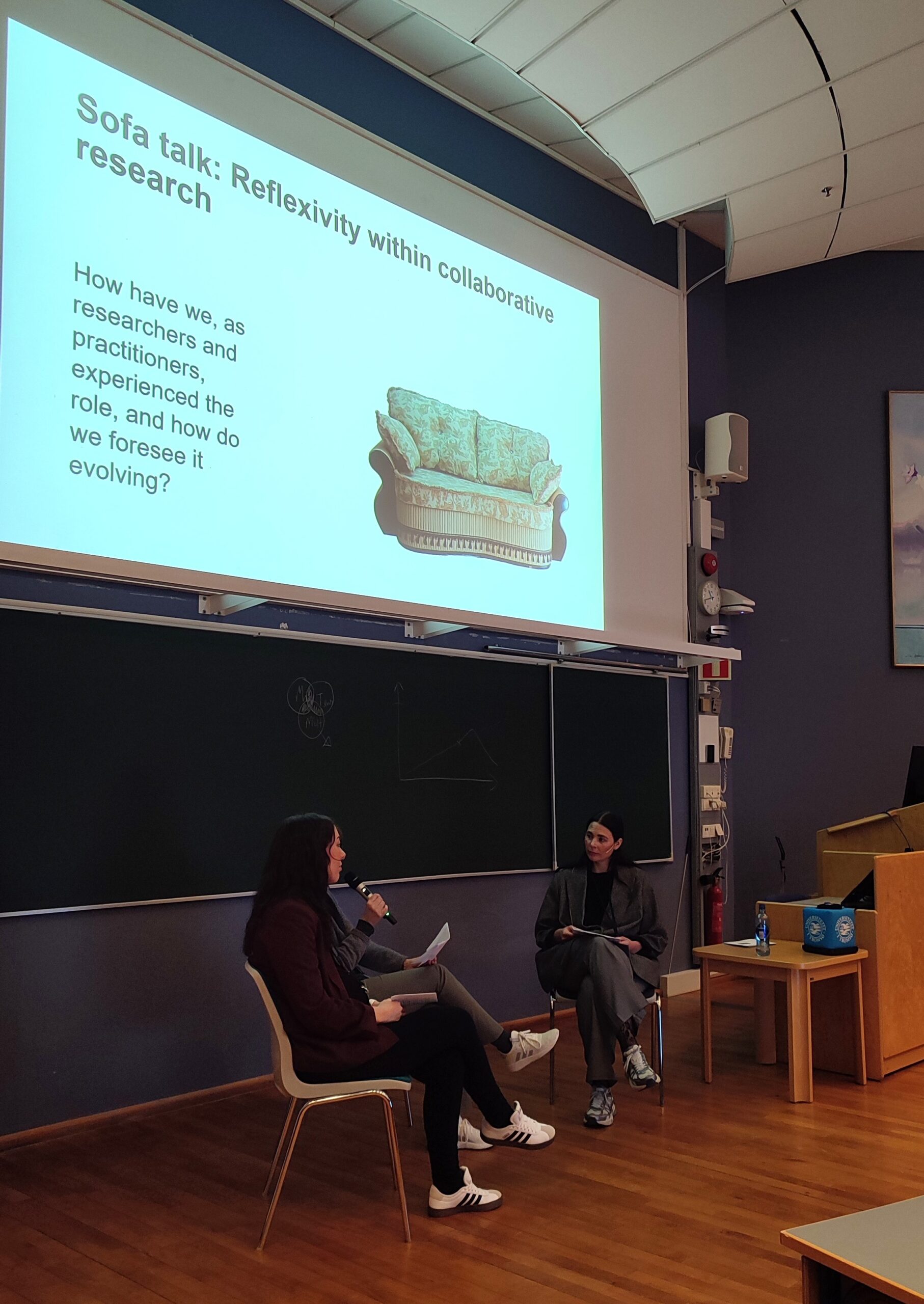
Sunniva Fjelldal and Runa Andersen.
Photo: Andrea Watkins Perez/ UiT
The last of the morning sessions was led by Rita Sørly, and project associates Ida Solvang and Oda Nigist Wigstøl from True North 2026. Together, they explored how existing youth-focused initiatives in such as Arctic Youth are aligned with the values and goals of the True North partnership. It encouraged co-implementation models, asked critical questions about youth inclusion, and proposed the role of EYC ambassadors to strengthen engagement.
The afternoon introduced the six challenges, followed by participants splitting into workgroups to get to know each other and begin planning. The day ended with a social gathering at Full Steam, where participants learned about the history of cod fishing in Tromsø and its importance for the local economy. They also had the opportunity to taste cod in 5 different ways!
Day 3 – Digital innovation, Sami youth, and children’s rights
After Tuesday’s instruction to collaborative research, Wednesday’s lectures delved into the intersection of collaborative research and societal wellbeing.
Eva Josefsson opened with an inspiring talk on “Mapping Sami youth within welfare systems”. She highlighted systemic challenges in child welfare services, particularly the lack of ethnic registration for Sámi children, which leads to their invisibility and a modern form of Norwegianization. It emphasised the need for safeguarding Sámi children’s rights and considering their ethnic, cultural, linguistic, and religious backgrounds in all phases of welfare case processing.
Synnøve Thomassen Andersen followed with a session on “Digital innovation in interdisciplinary research projects”. This presentation explored how digital innovation can enhance interdisciplinary collaboration. It discussed the benefits of digital tools for project management, communication, and collaboration, and provided strategies for effective digital collaboration. Andrea Watkins Pérez finished the presentation by giving an insight into how Arctic Youth is fostering collaboration and digital innovation across the different work packages.
Åsne Lindahl and Aina A. Kane concluded the morning with their talk on “Children’s well-being and rights as universal responsibilities”. They discussed the universal responsibility of promoting well-being for children and youth. It highlighted the impact of upbringing conditions such as home, school, community environments, and family economy on children’s development, mental and physical health, and social life. They called for interagency collaboration to support children and families, stressing the importance of addressing basic human rights and preventing the negative consequences of growing up in vulnerable conditions.
In the afternoon, participants worked further in their groups to solve the challenges.
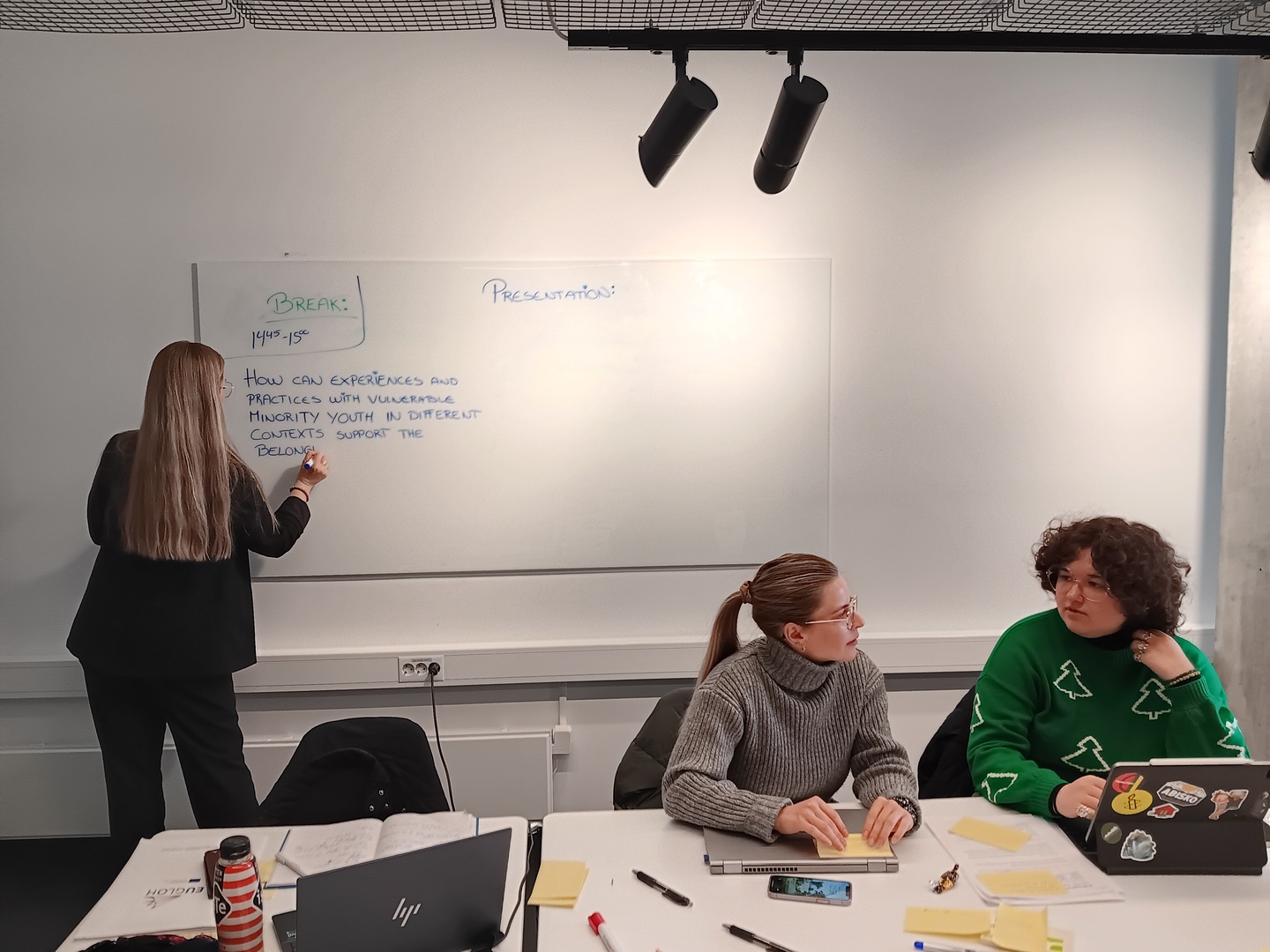
Workshop participants working in their challenge group.
Photo: Kim Bredsen/ UiT.
Days 4 & 5 – Sharing solutions and looking ahead
The final two days of the week focused on sharing the outcomes of the collaborative group work. On Thursday afternoon, the first three groups presented their proposed solutions to the challenges they had worked on throughout the week, followed on Friday by the remaining groups. Each presentation reflected thoughtful engagement, interdisciplinary input, and a strong sense of purpose—ranging from innovative educational tools to inclusive policy models.
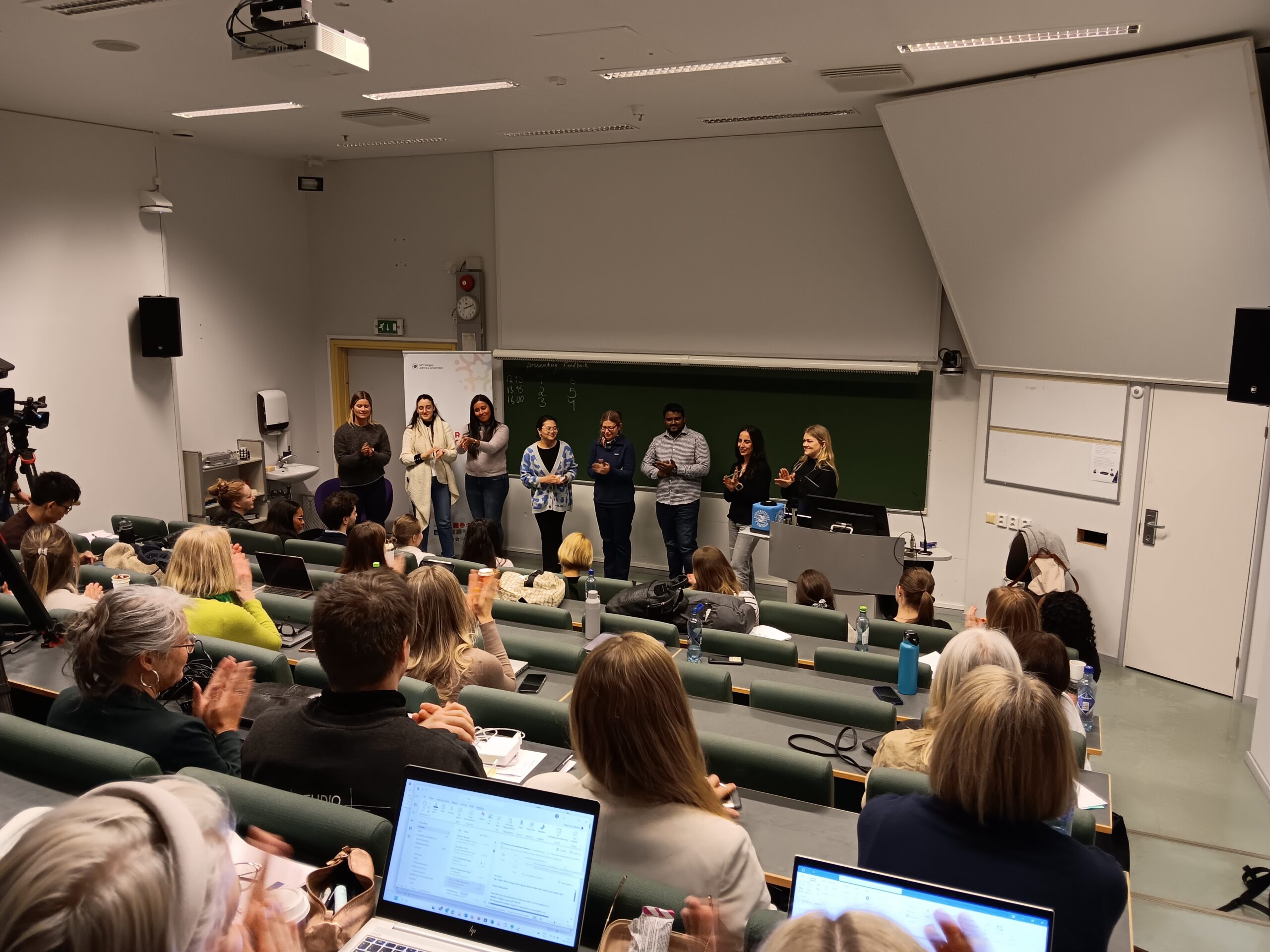
Participants giving their final presentation.
Photo: Kim Bredsen/ UiT.
These sessions were not only an opportunity to showcase ideas but also to engage in meaningful discussions and encourage peer learning. Participants offered each other constructive feedback, asked important questions, and reflected on the broader applicability and perspectives of the solutions.
The week ended with a strong sense of motivation, with many participants keen to keep working together and build on what they had started.
The workshop underscored the importance of interdisciplinary research and collaboration, and the value of youth perspectives in shaping research. For Arctic Youth, it provided a platform to advocate for ethical, participatory methods that resonate with Northern realities and indigenous contexts.

Happy course participants, Arctic Youth members and EUGLOH UiT team.
Photo: Kim Bredsen/ UiT.
Acknowledgements
Arctic Youth extends sincere thanks to UiT The Arctic University of Norway, EUGLOH, the speakers, workshop leaders, and all participants for creating a collaborative and welcoming environment. The lessons learned and connections made will inform ongoing work and strengthen future contributions to both regional and international research communities.