
Sammendrag
My name is Kabelo Malapane, and I am a student in Geology and Environmental Management at the University of Johannesburg, South Africa. I did my internship at the University of Bergen (UiB), Norway, under the supervision of Benjamin Aubrey Robson. The internship focused on glacier research, using geospatial techniques, photogrammetry, and deep learning to study glacier crevasses and elevation changes.
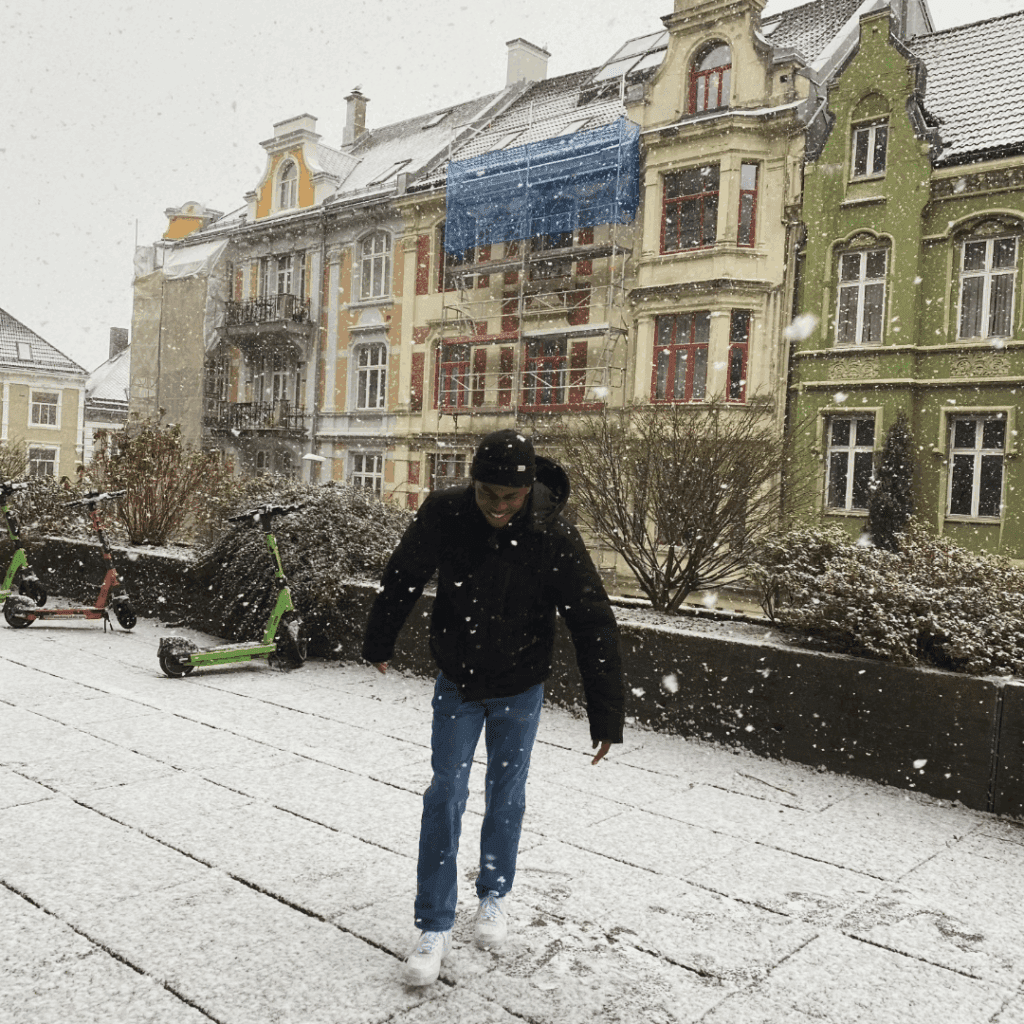
My name is Kabelo Malapane, and I am a student in Geology and Environmental Management at the University of Johannesburg, South Africa. I did my internship at the University of Bergen (UiB), Norway, under the supervision of Benjamin Aubrey Robson. The internship focused on glacier research, using geospatial techniques, photogrammetry, and deep learning to study glacier crevasses and elevation changes.
Internship Environment and Daily Life
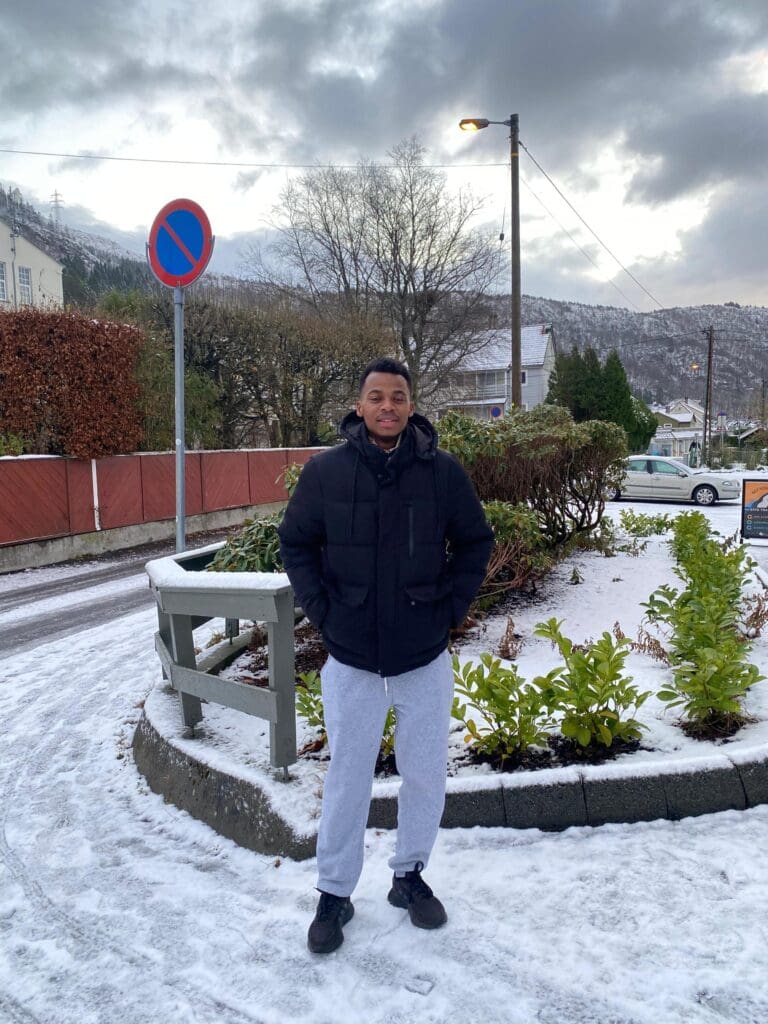
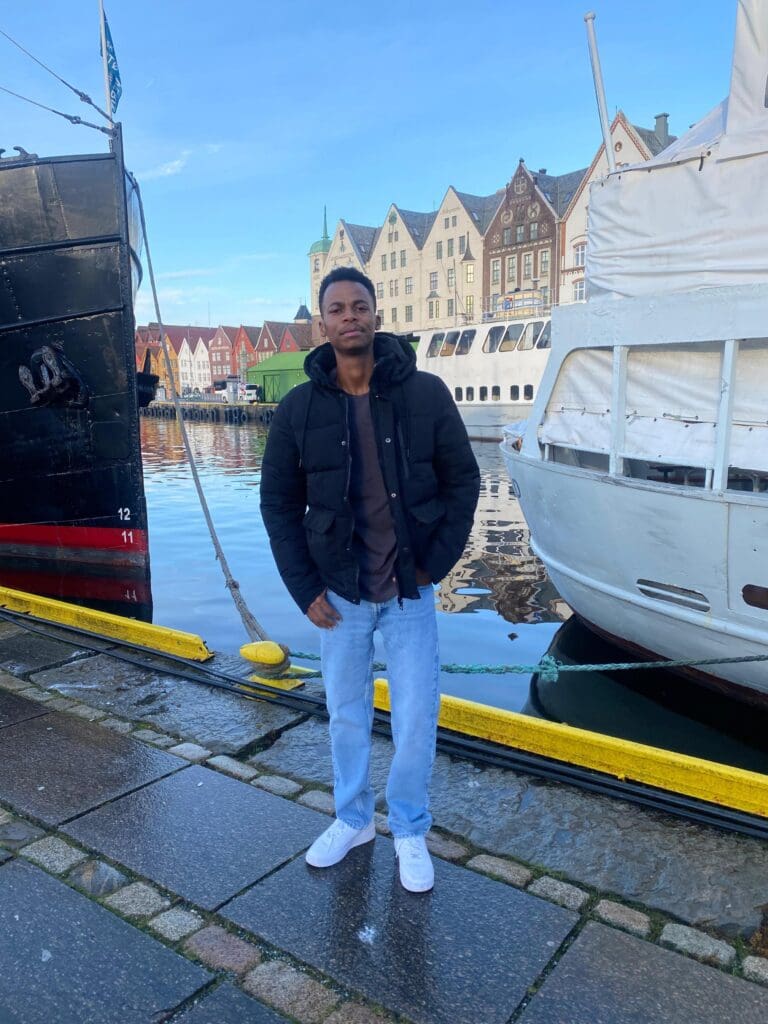
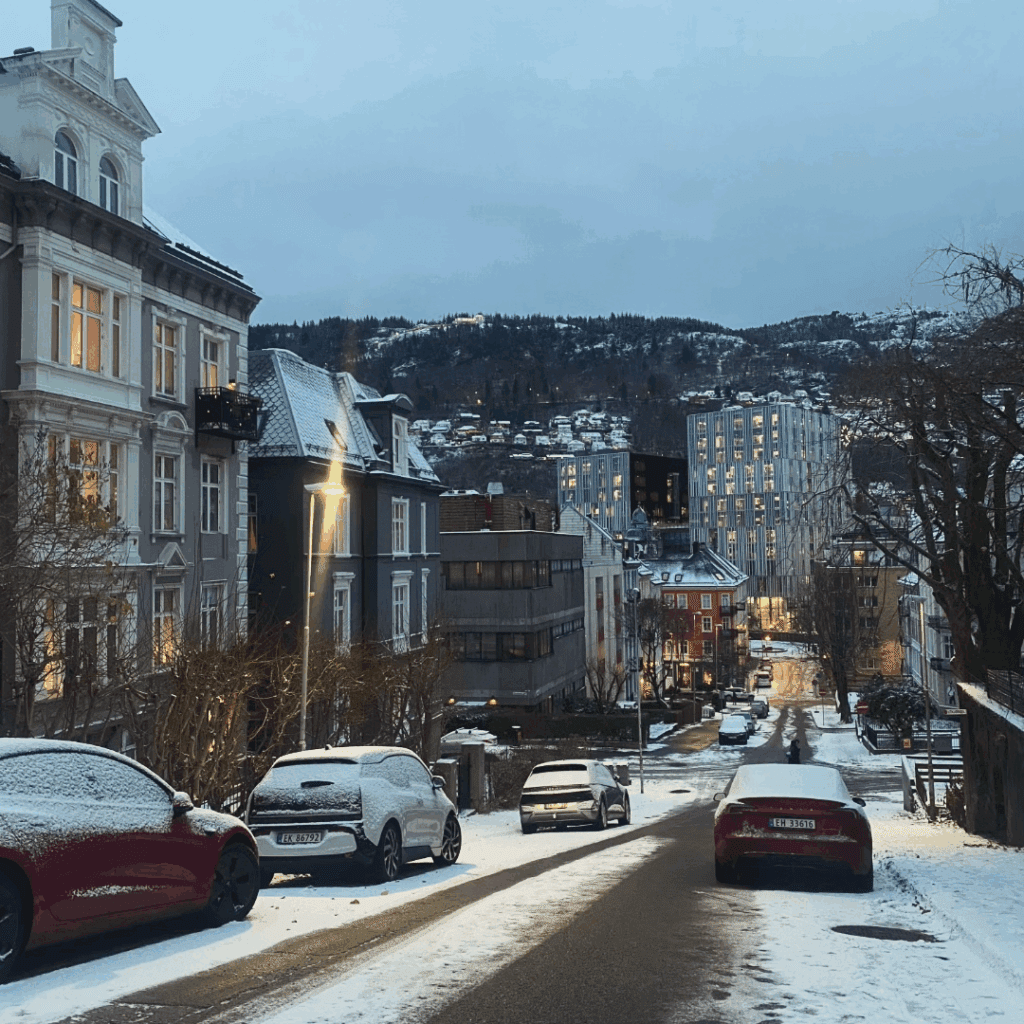
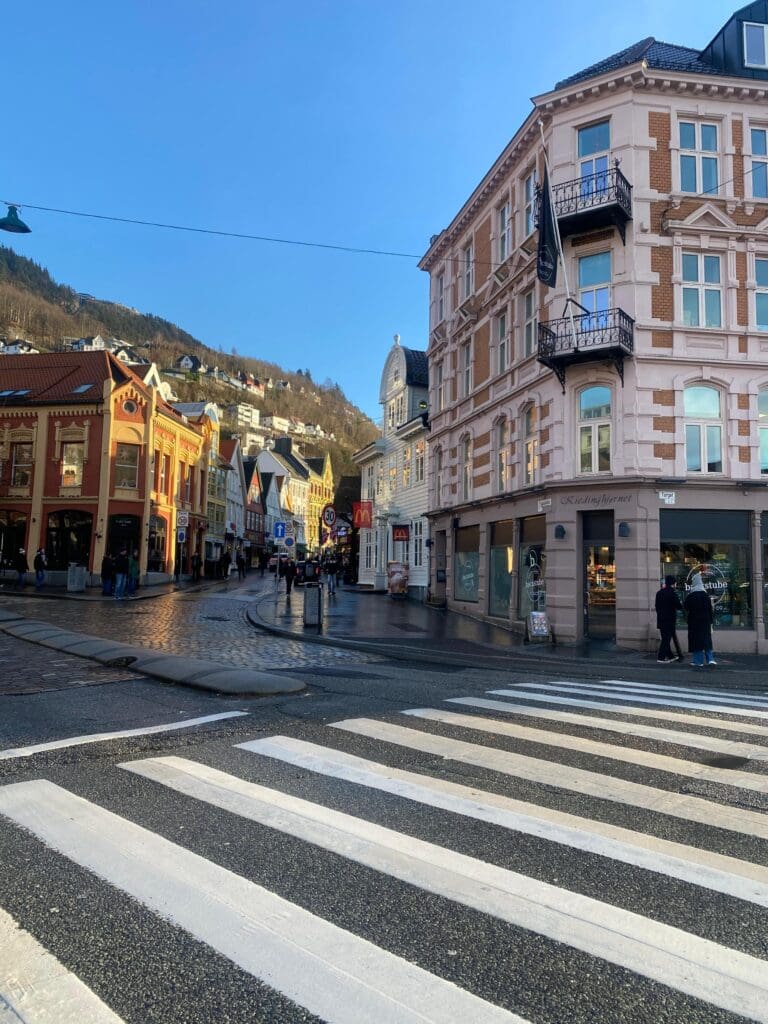
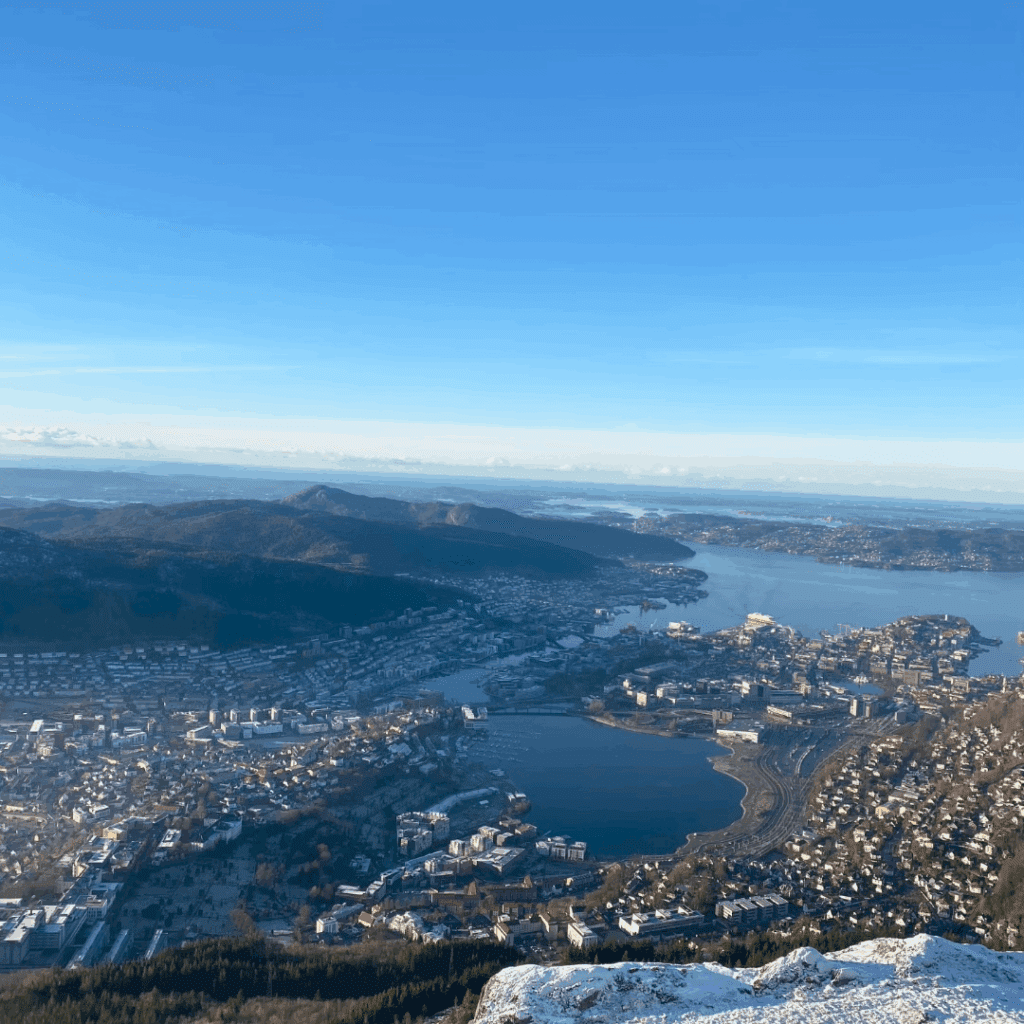
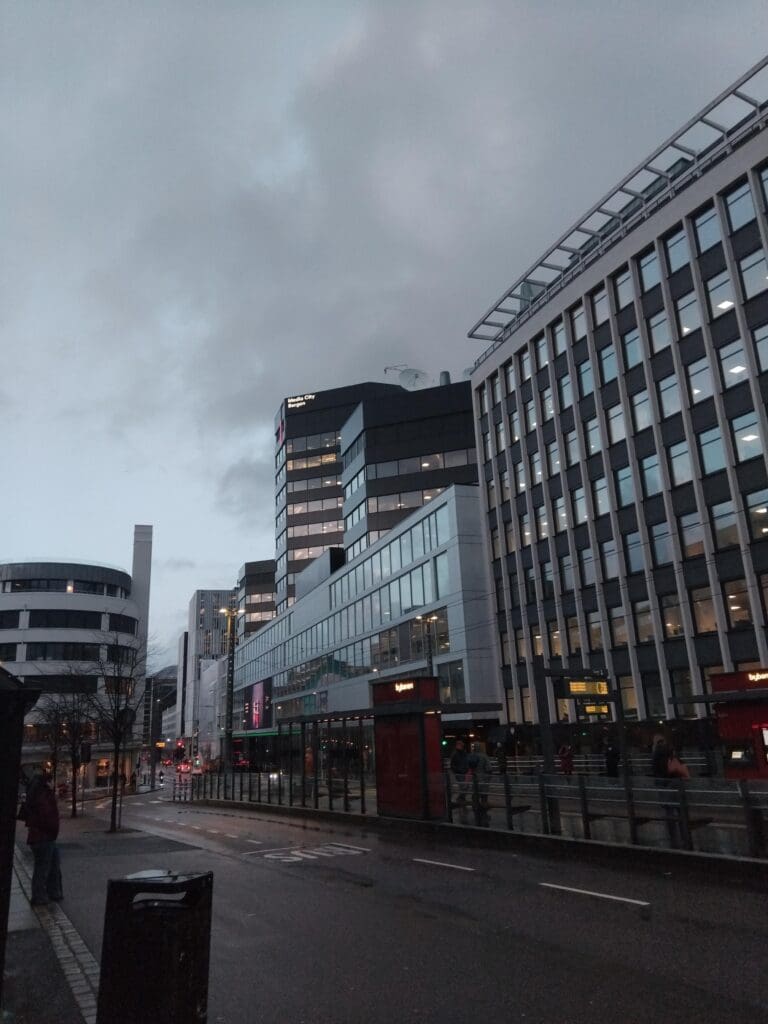
The internship was mainly office-based. I usually arrived at work around 9:00 AM and finished at 4:00 PM. I travelled to work by bus, and because it was winter, it was mostly dark when I went to and from work, which was something I struggled to get used to. Bergen also rains a lot, so I had to adjust to wet and cold conditions. I lived at HI Hostel Montana, which I think was the best hostel. It was close to the university and very comfortable. The staff at the geoscience department were very friendly and easy to talk to, which made learning and asking questions much easier. On weekends, I explored the city. Bergen is a small city, but very beautiful. Walking around the streets, seeing the fjords, and enjoying the architecture was a great way to relax after a week of work.
Learning New Software and Skills
At first, my biggest challenge was learning new software. I was not familiar with Agisoft Metashape or ArcGIS, so the first few days were spent learning the software so I could work on real tasks. I also worked with Python for glacier analysis. Some tasks, like elevation change analysis, used pre-written code, which was easier. But other tasks, like clipping glaciers and hypsometric binning, were very challenging because they gave many errors. At one point, my Python environment didn’t work, and I had to create a new one. These challenges taught me patience and problem-solving.
Photogrammetry and Data Processing
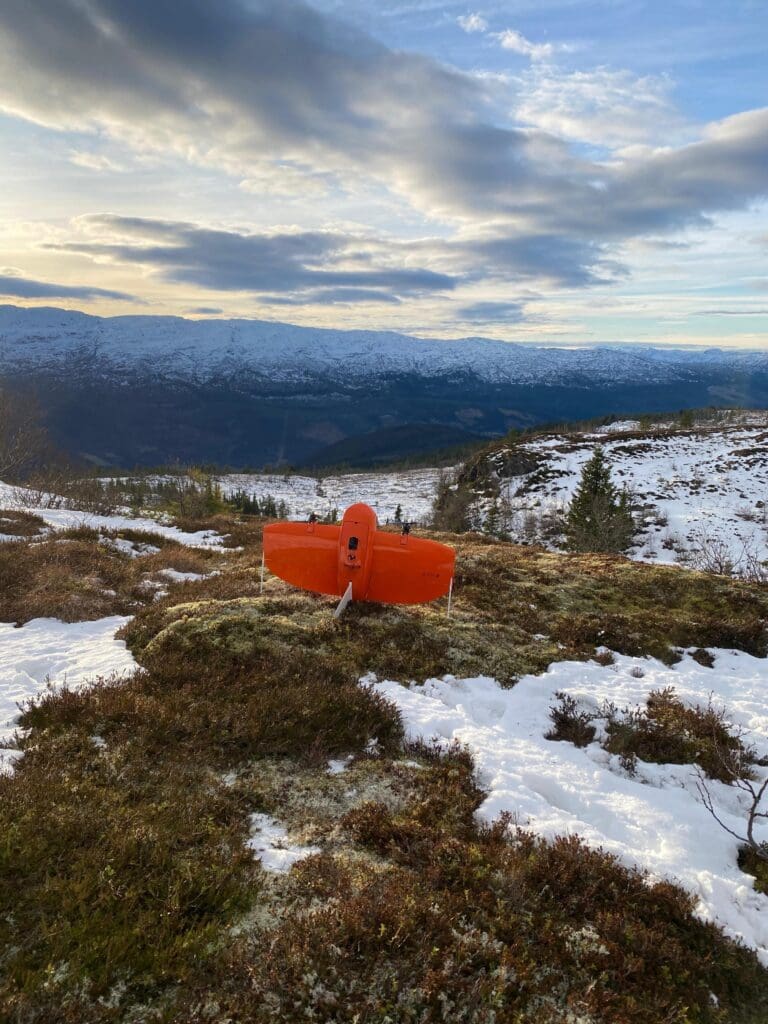
One of my main tasks was using drone images in Agisoft Metashape. I aligned the photos to create Digital Elevation Models (DEMs) and orthomosaics. These datasets were used later for mapping glacier crevasses. We went to the field once to take photos with a DJI drone. I also observed the LiDAR drone, which was operated by experienced team members. All field images were processed later in Agisoft Metashape for analysis.
GIS Work and Deep Learning
After creating DEMs and orthomosaics, I imported them into ArcGIS to digitise glacier crevasses manually. These digitised crevasses were used to make training datasets for deep learning. We trained the deep learning model multiple times to make it more accurate. Finally, we used Classify Pixels (Deep Learning) to map crevasses automatically. This showed me how geoscience knowledge and computer skills can work together to solve real problems.
Skills and Knowledge Applied
During the internship, I applied and learned many skills:
- Geospatial data processing and GIS analysis
- Photogrammetry and DEM generation
- Python scripting for analysis
- Deep learning model training
- Problem-solving and critical thinking
My background in geology and environmental management helped me understand glacier processes and why certain analysis steps were important.
Challenges and Personal Growth
Living in Bergen had its challenges: dark mornings and evenings, constant rain, and adapting to a new city. Learning new software and Python was also difficult at first. Despite these challenges, I became more independent, patient, and confident. The friendly staff, supportive environment, and chance to work with real glacier data made this internship very valuable. I also enjoyed weekend exploration, which allowed me to experience the beauty of Bergen while resting from work.
Conclusion
My internship at the University of Bergen was a valuable experience. I gained technical skills, learned how geoscience research works, and grew personally. I am grateful to Benjamin Aubrey Robson and the staff for their guidance and support. This internship gave me both professional growth and unforgettable memories of life in Norway.
