This week all of us has completed some innovative projects in our lessons. We have used a lot of time to plan and prepare, it was even more time-consuming than it is at home since we don’t have the same resources available. At the same time, it was exciting to do everything “from scratch”.
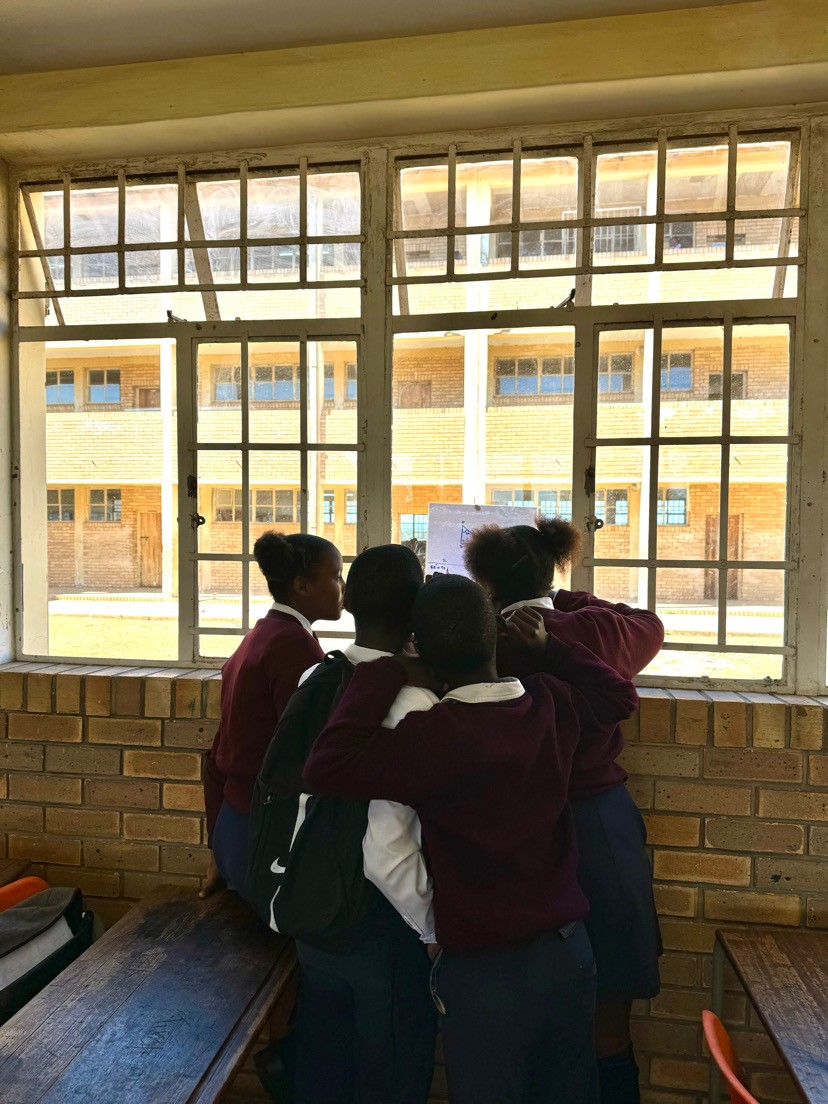
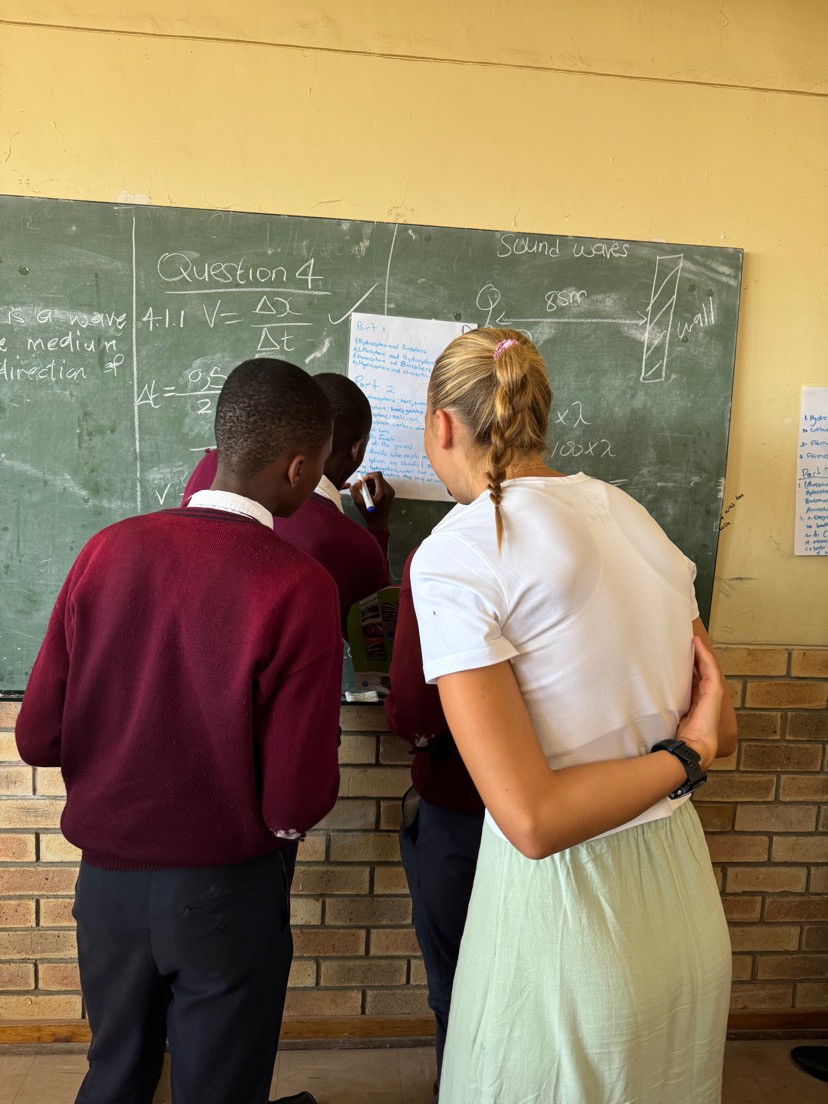
In maths, Anja tested out thinking classroom. This is a well-known phenomenon in Norway, which is often referred to as “vertical boards”. We brought laminated A3-sheets from home, along with whiteboard markers. The concept is that the learners works in groups of 3-4, where they solve mathematical tasks together. This teaching method generated good enthusiasm in the classes. The learners were very eager to reach a common answer within their groups and filled these “whiteboards” with calculations and mathematical drawings. The verbal activity was also very high during these lessons, and the learners expressed a strong desire to work this way again. Some other teachers at the school also took notice of this working method and wanted to borrow the equipment, which, of course, is funny for us!
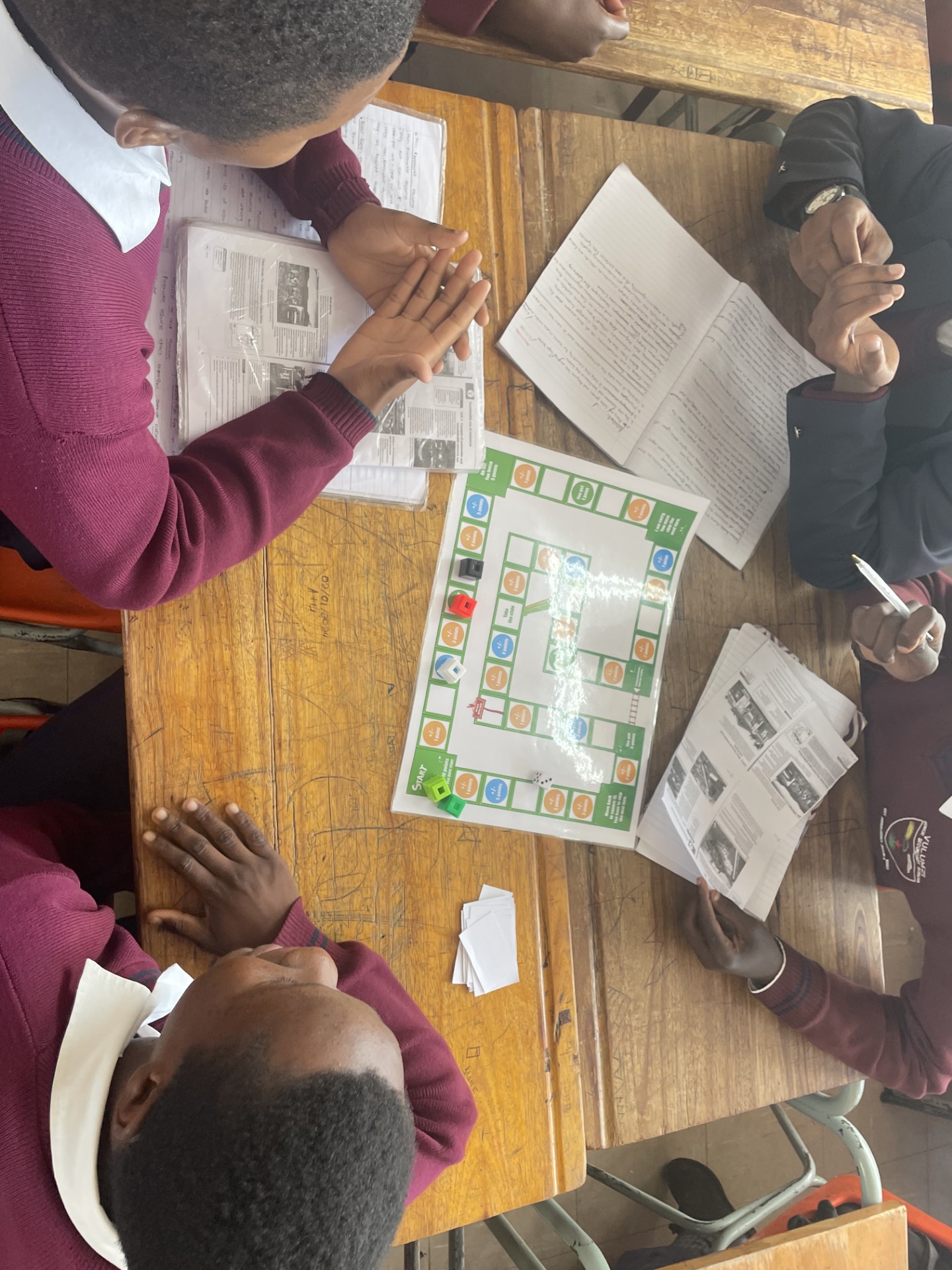
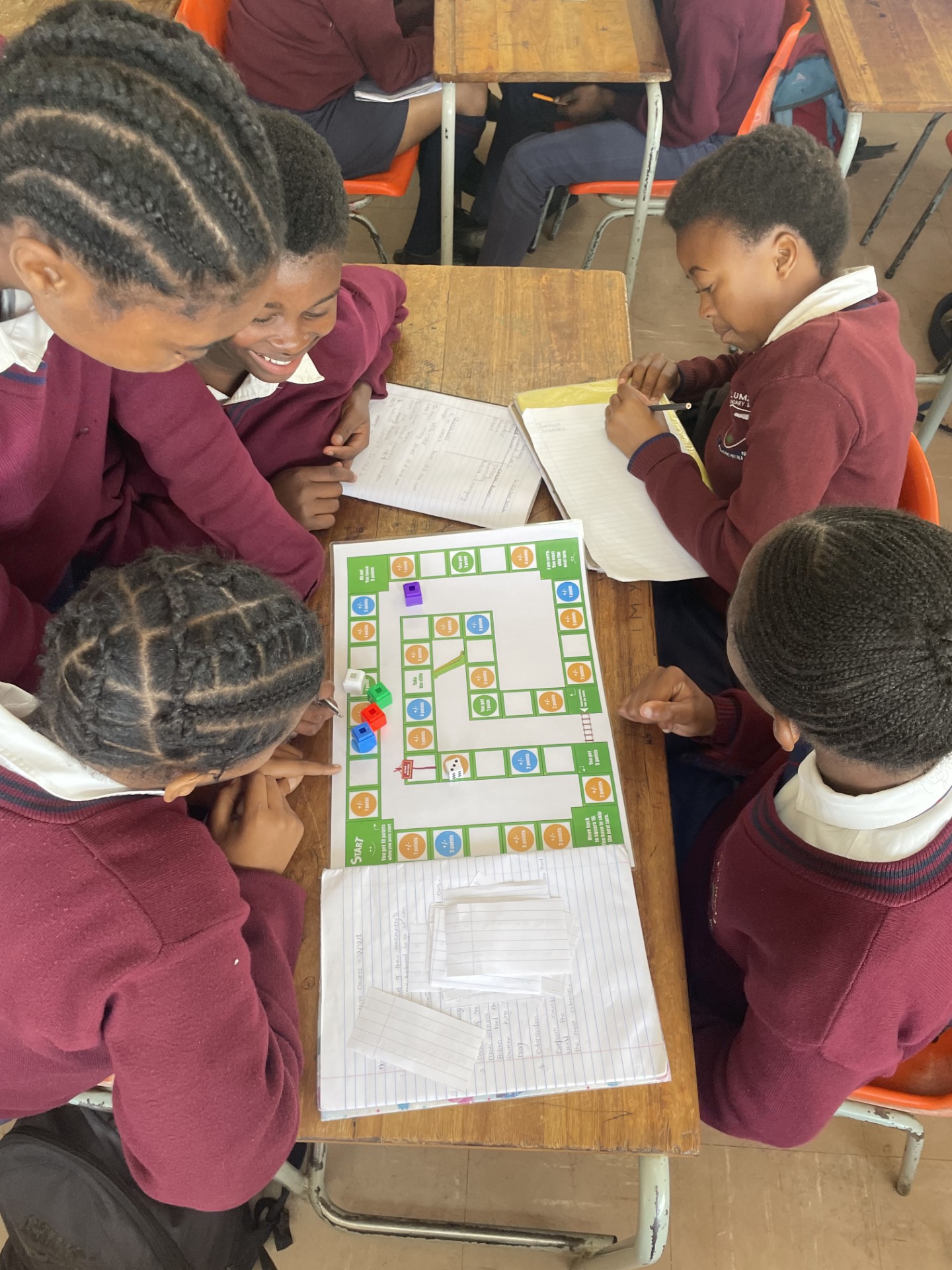
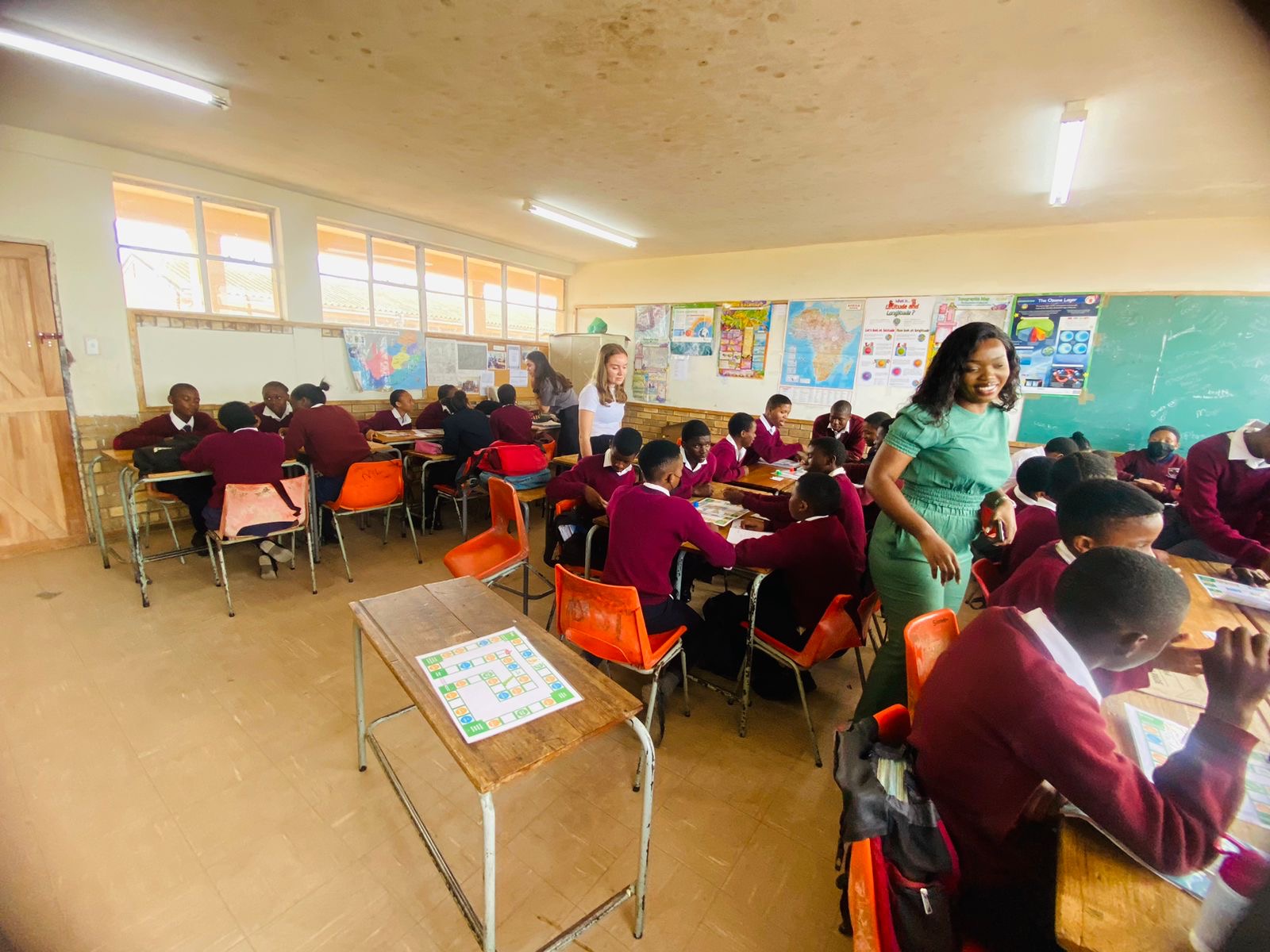
Frida and Elise tested out a board game in both grade 8 and grade 9. In grade 8 they were learning about WWI, and the game was used as an introduction to the topic to challenge the learners to activate their prior knowledge. In grade 9, on the other hand, they had just completed a topic about resources and sustainability. We used the board game to summarize the topic they have been working on the past week. Both grades really enjoyed doing something different, as they are not used to playing games in their lessons. Our mentor teachers were also very excited, and they wanted us to do the same in other grades as well.
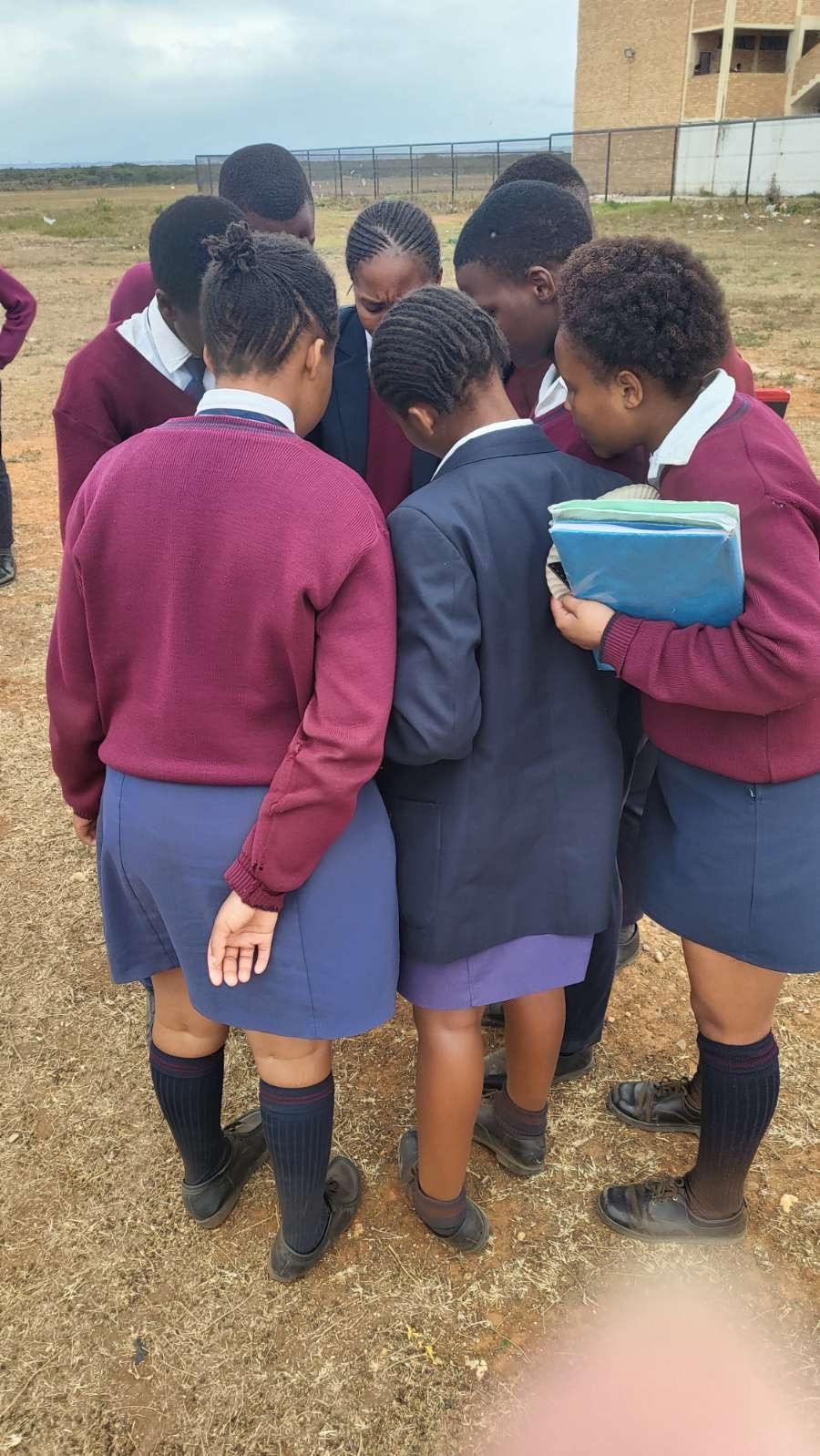
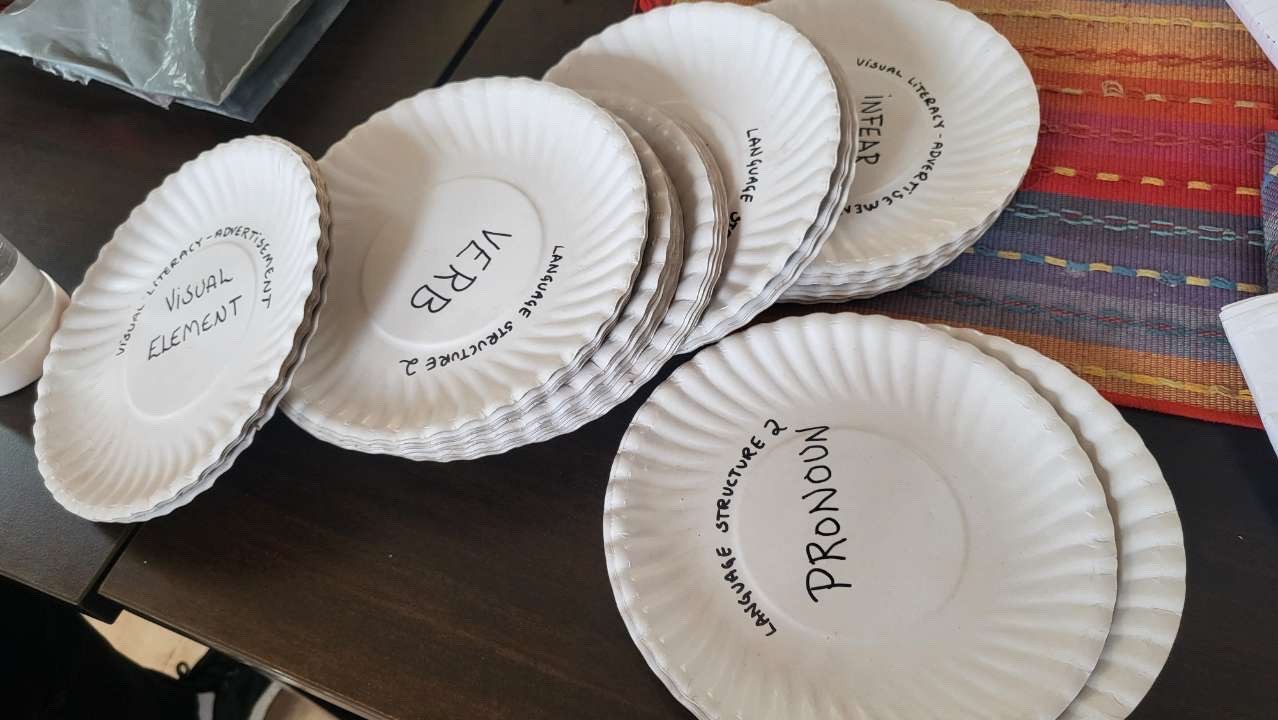
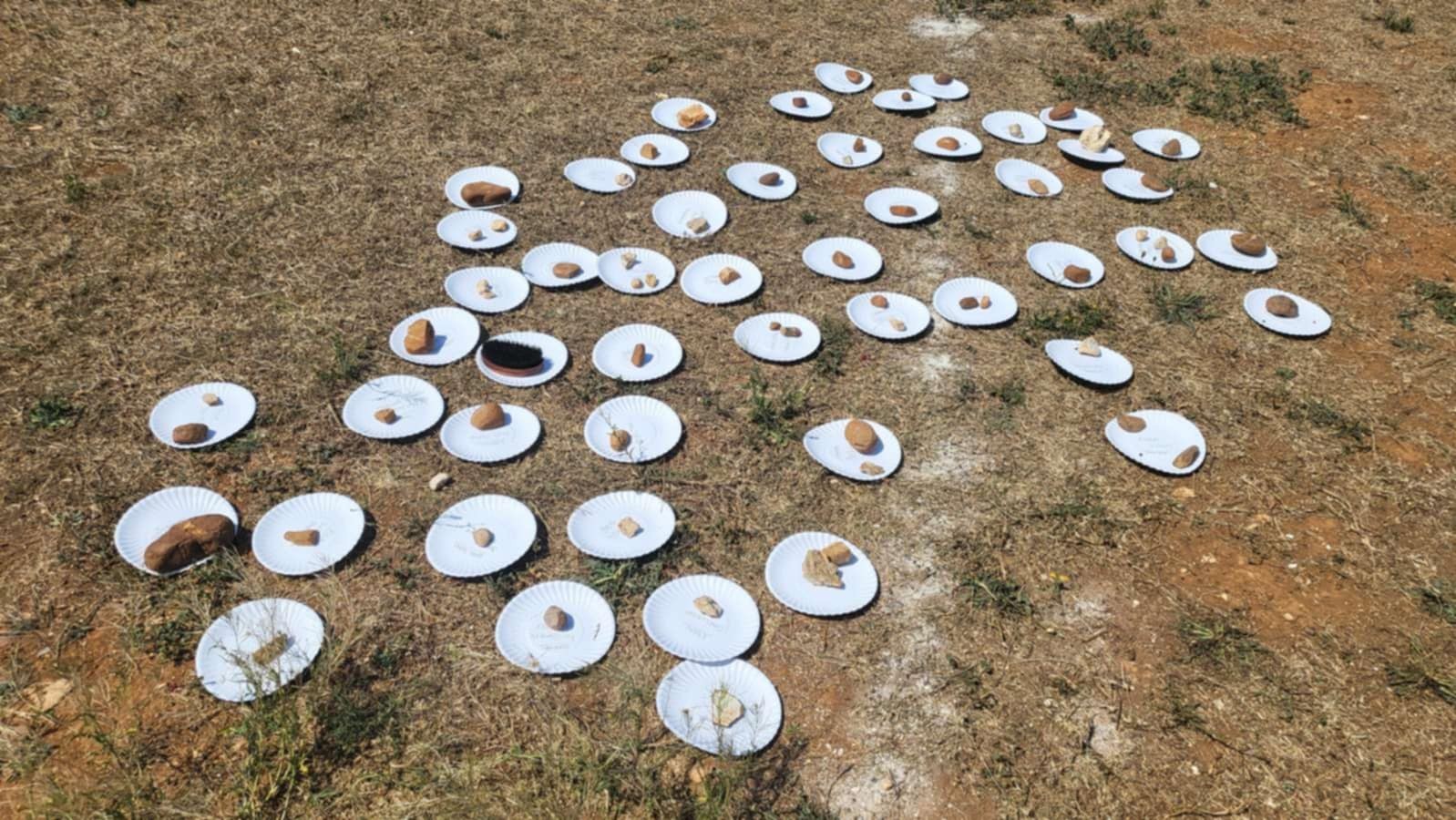
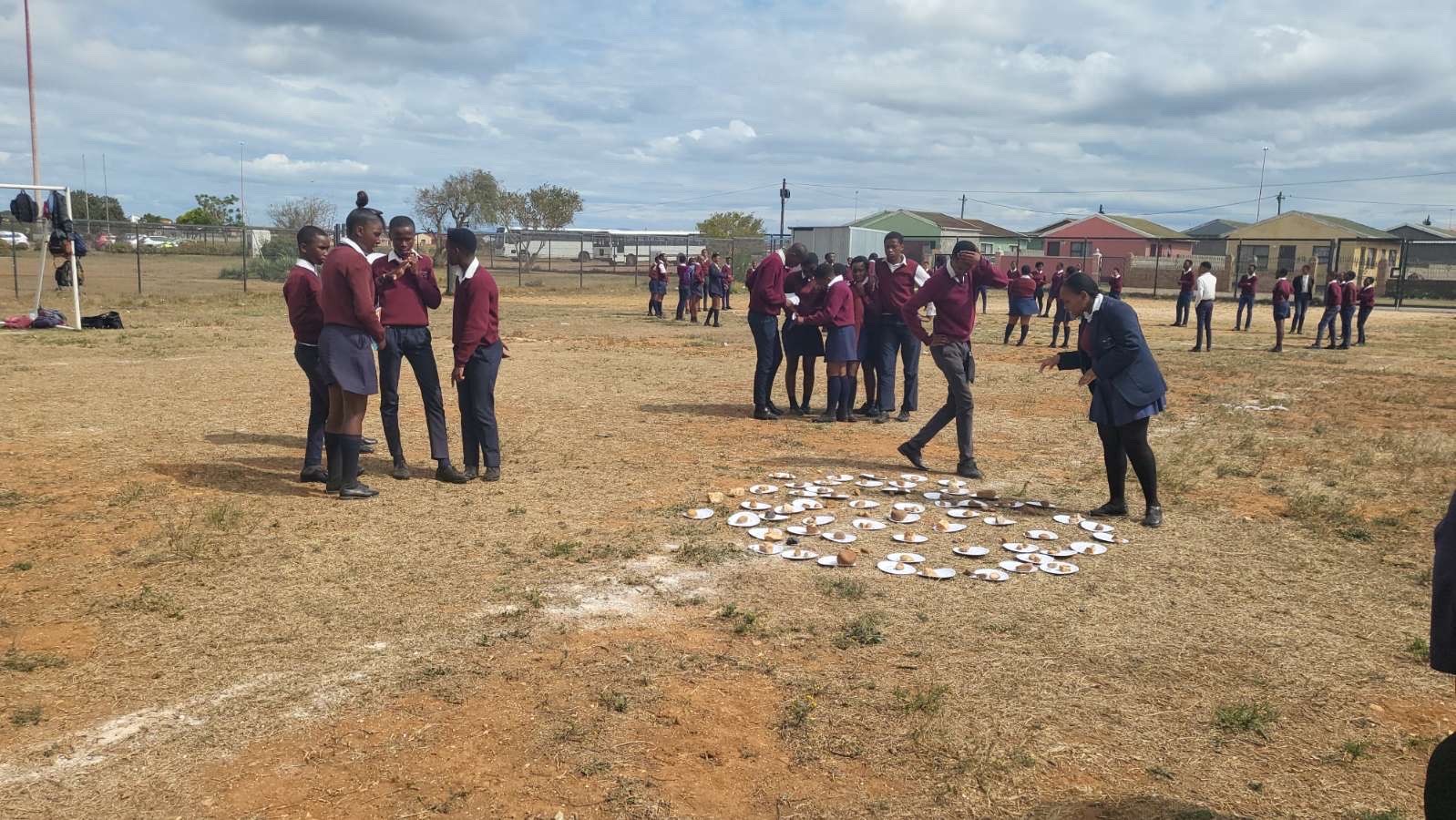
Amalie and Maria took the learners of grade 8 outside the classroom and had an active lesson on Thursday. The same was done to three different 9th graders on Friday. The subject was English, and they had made different explanations that the learners had to find the correct term for. The class was put into 6 groups, and each group had their unique list of six explanations. The groups were placed around the center. The different terms were written on paper plates and put in the center. Because of the wind, rocks had to be put on top of the paper plates. Then one person has to run to the center and grab a term, bring it back to the group where they would discuss if it was the right term. They had 3-4 minutes to find terms for their different explanations, before the round ended.
After the first round, points were quickly given on a “point card” and the explanation list was then given to the group on the left and received from the group on the right. This way they all got new lists every round. Both Amalie and Maria adapted the questions and terms to match what the learners of 8th grade and 9th grade needed to practice on for their exam. The learners seemed to enjoy it very much and the teachers of 8th and 9th grade got to keep the handmade game to use for later.
We have also had some fun with the learners this week. The learners are preparing for their examinations and a lot of them have been stressed lately. Sometimes we take a break and focus on something else instead. We have taught them some Norwegian phrases, and a lot of other things from our country. Anja did “Stubb, stå” with one of the classes, they thought it was great fun. In Life Orientation, Amalie thaught the learners how to dance “Jenka”.
On Thursday, the agriculture teacher showed us the schools vegetable garden. In their tenth year, the learners can choose agriculture as one of their subjects. This subject is both theoretical and practical, as the learners get to plant and take care of different crops in the schools gardens. When we were visiting the garden, the learners were irrigating, as the weather has been quite dry lately.
On Thursday afternoon, we participated in a meeting where the teachers were preparing for the examination weeks. There are a lot of rules and precautions they have to be aware of during the examinations. It was very interesting to participate in the meeting, even though we will not take part of the examinations. Here, the examinations counts as much as 75% of the learners final grades, so it is crucial that the learners do well on these tests.