Sammendrag
Bruno Lecavalier shares his experiences from his internship in Oslo.
My name is Bruno, and I had the privilege to spend two months in Oslo in the fall of 2025. To give some background, I have spent the last few years obtaining my B.Sc. and M.Sc. in geography at the Université de Montréal. Originally enrolling in geography with hopes of gaining knowledge in urban planning and environmental law, I ultimately came out the other end with a wealth of experience in atmospheric biogeosciences, climate dynamics, and field techniques. Indeed, life does take a lot of turns, and a big one occurred when my master’s supervisor offered me this opportunity in the spring of 2025. The only thing left to do, then, was to find a professor to work with in Norway. I focused on cloudiness trends in Quebec and land–atmosphere CO₂ exchanges in the Arctic during undergraduate and graduate studies, respectively. It just so happened that Frans-Jan Parmentier, senior researcher in ecohydrology at the meteorology and oceanography section (MetOs) of the geoscience department at the University of Oslo, had been wondering for quite some time whether there could be a link between changing cloudiness and ecosystem productivity in the Arctic–boreal region. And so a match was made; I set off for Norway at the beginning of September with a fellow student, Léa.

Before diving into the details of my internship research at MetOs, a bit on our initial experience of the city. We arrived in Oslo and were allowed a few days to get settled and explore Grünerløkka, the lovely neighborhood we stayed in, before getting to work. There are many ingredients that make a city nice to live in; two important ones in my view are public transportation infrastructure and the arts scene. That is, partly, why I love Montreal, and it is also why I loved Oslo. We arrived just in time for Oslo’s Kulturnatt, a night of varied cultural activities around the city (much like Montreal’s Nuit Blanche), and By:Larm, a small festival featuring upcoming Norwegian and international musicians. We really enjoyed Hildá Länsman’s concert at Kulturkirken Jakob, a fascinating mix of electronic and Sámi music topped with crazy visuals (picture 1). We also quickly figured out the many ways of getting around the city: buses, trams, trains, ferries, and active transportation make for very efficient trips. We started by visiting some unavoidables: Akershus Fortress, the Opera House, and Hovedøya gave us a glimpse of the mosaic of old and new architecture, as well as nature, that Oslo boasts (picture 2). In the meantime, we also joined a volleyball league at OsloMet, which turned out to be a fantastic way to meet people and stay active during our stay in Oslo.

Now, onto the internship itself. The main objective was to build a database of remotely sensed cloud properties surrounding sites that measure land–atmosphere CO₂ exchanges across the Arctic–boreal region. These exchanges, often described in terms of ecosystem productivity, capture how strongly ecosystems take up or release carbon into the atmosphere. With a changing climate, we are beginning to understand how disturbances in temperature and precipitation are impacting productivity in these high-latitude ecosystems, leveraging data records that are slowly beginning to approach climatic timescales. However, it remains to be explored how the direct role of changes in cloudiness, and their impact on solar radiation, may influence productivity across the Arctic–boreal region. My job was to use this database to begin answering these questions with observations, an effort that had so far been relegated to modelling at such a large spatial scale. I consider that my background in geography prepared me very well for the task at hand. The bulk of the work consisted of downloading and processing a large amount of data, more precisely, two decades of multiple daily MODIS swaths for over 700 sites. I was able to mobilize my previous experience in obtaining and processing large datasets from NASA repositories using various programming languages, knowledge I had gained while building a database of cloud properties for the entirety of the province of Quebec for my undergraduate thesis. From then on, the research consisted of relating cloud properties to site-level data on ecosystem productivity, two areas on which I had been able to develop expertise previously in my studies. Notably, I started with a good understanding of the mechanisms through which clouds modulate light composition at the surface, and how these modifications can influence CO₂ exchanges. Overall, I think the multidisciplinary nature of geography is what best prepared me for this internship, which required knowledge in the biogeosciences, but also an ability to think about these questions from a spatiotemporal perspective.
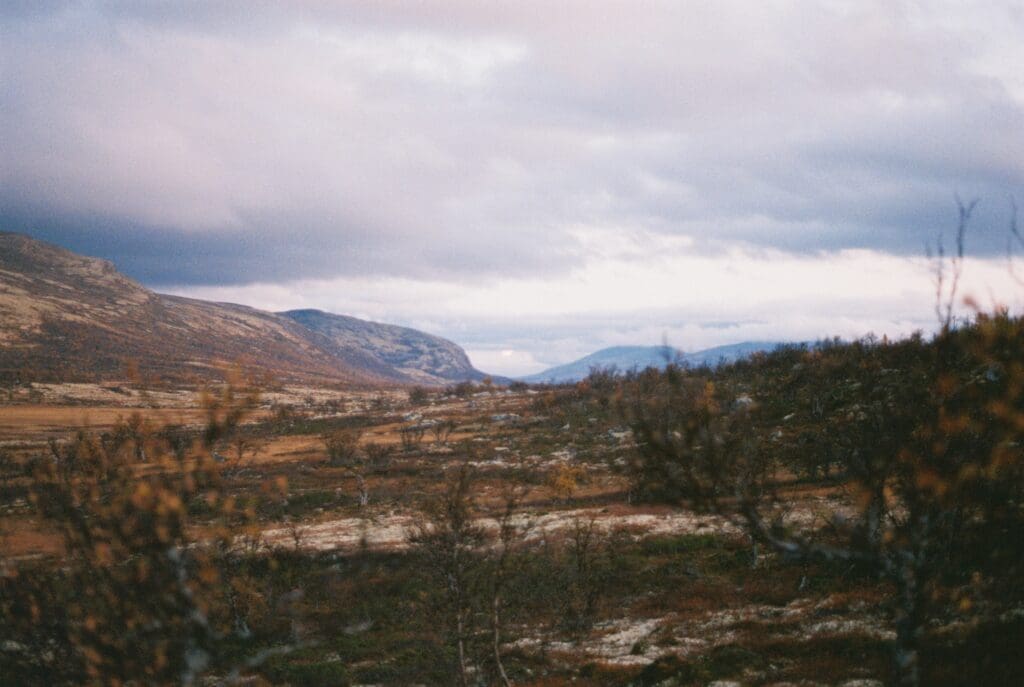
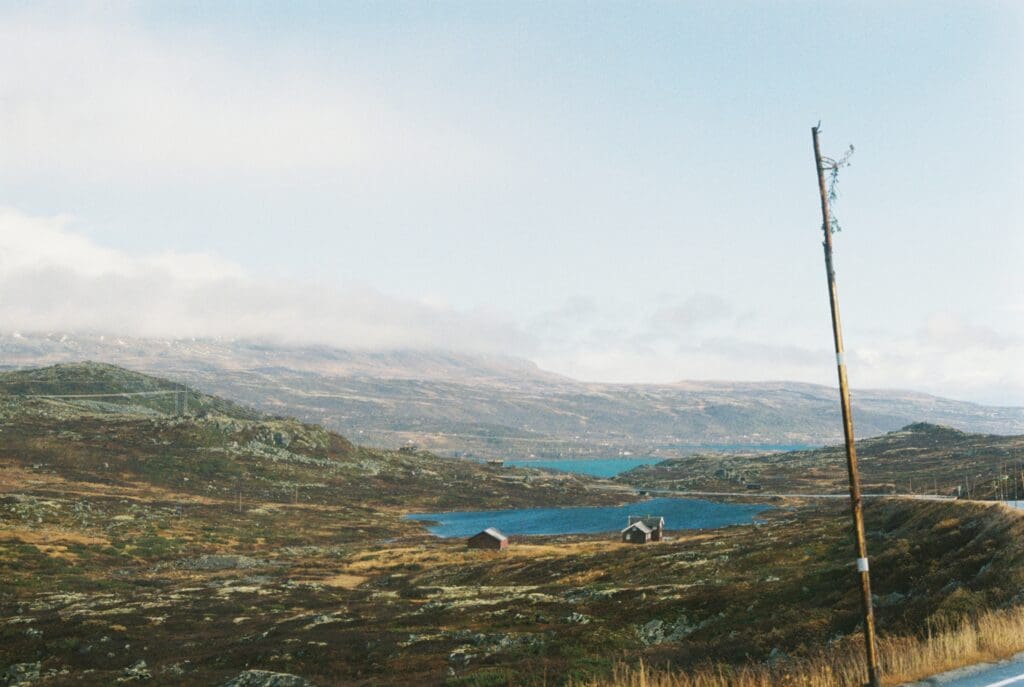
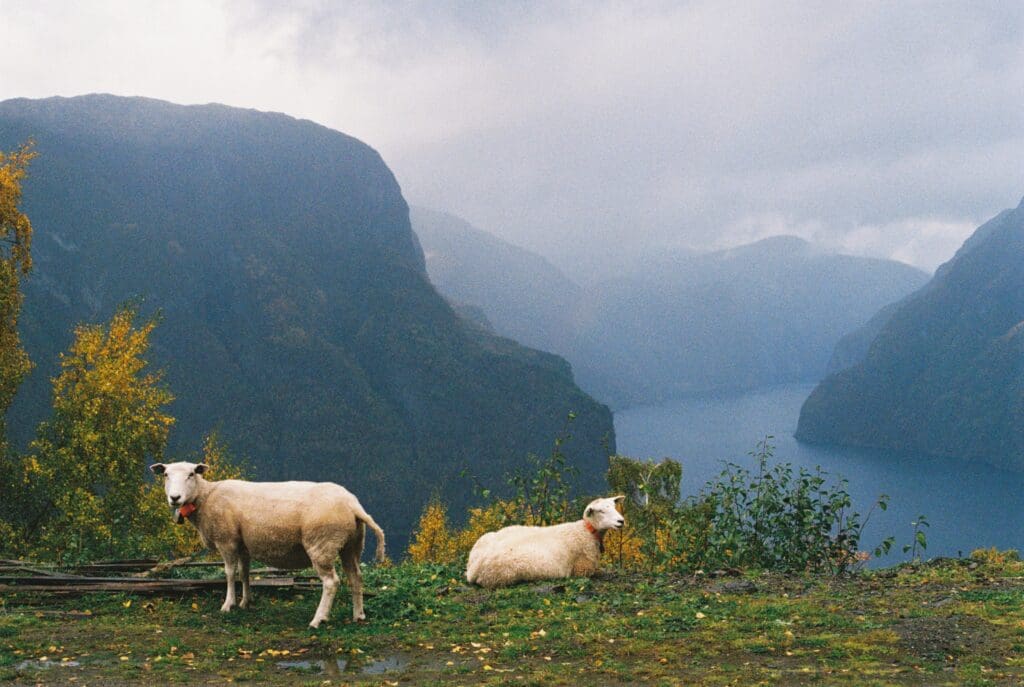
Given that I had no fieldwork as part of this internship, my weekdays simply consisted of going to the office to get some work done. My supervisor, whose office was located just across from mine, helped me get acquainted with the students and researchers thinking about similar topics. I was pleasantly surprised by the amount of collaboration and idea exchange between research groups at MetOs; it helps a lot when your entire section falls into a single hallway! In the section, most days of the week feature a lunchtime event of some sort. The schedule went as follows: a low-threshold talk on Monday (I gave one on my progress), a weather briefing on Wednesday (very interesting for someone enthusiastic about weather phenomena), and a seminar on Thursday (free lunch and interesting research). These events were great opportunities to learn about the work being carried out and also served as a good introduction to students and professors alike. Life was very dynamic and social in the section; you were never alone in the office at MetOs. Overall, I really enjoyed my time at MetOs and was glad to meet students and learn about their work and experience of graduate school in Norway. Even though the majority of my time was indoors, I had the chance to tag along on a field trip in southeastern parts of Norway, which had been graciously and entirely organized by Léa as part of her internship work. Our job was to visit lichen-dominated mountain areas to study wildfires. To keep it very brief: mountains, glaciers, sheep, and a 25-year storm. I will leave it to Léa to lay out all the fun details of the field trip. Check out her entry on the site to learn more if you’re interested! As a field enthusiast, I was very grateful to have the opportunity to explore and study Norway’s breathtaking backcountry; a big thank you to Léa’s supervisor, Anders Bryn, for letting me tag along. (picture 4,5)