
Sammendrag
Thea Foss-Pedersen had her internship in Porto Alegre, Brazil. Read about her experiences here.
av Thea Foss-Pedersen

I am Thea, I just graduated with my bachelor’s degree in geology at the Arctic University of Norway in Tromsø, where I got the opportunity to go on an internship to Porto Alegre in Brazil for two months, through the GeoIntern International initiative from UiT. I travelled to stay with Universidade Federal do Rio Grande do Sul; Campus do Vale. I had never been in Brazil, nor South America before, so I was very excited to travel to a new place in the world, to experience a new culture and meet new people. I was in Brazil from 3rd September to the 30th of October, a nice way to prolong the summer.
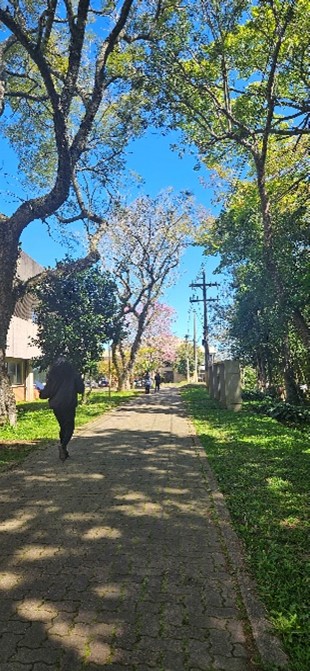
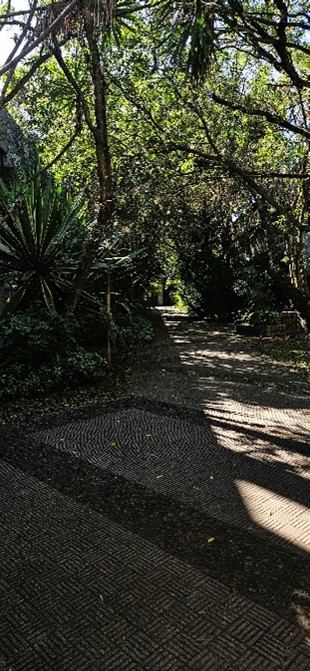
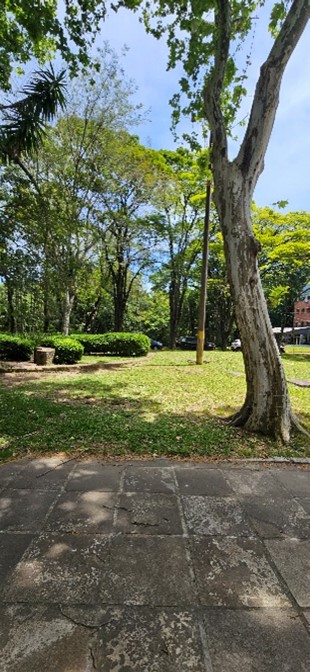
The schedule and structure of the days here are very different to what a normal day would look like in Norway. The people in Brazil are much more relaxed compared to people in Norway, as the schedule is more fluid and not as ‘structured’/strict as it is in Norway. The lunch was my biggest “surprise”, as lunch is the biggest meal throughout the day, and dinner not until 8-9 pm in the evening. Even campus and its location was quite the shock compared to Norway and the campus in Tromsø. Campus do Vale where the geology department was located, was inside a nature reserve, filled with wildlife and vegetation like orchids, monkeys and parrots, reminding me more of a botanical garden rather than a school campus.
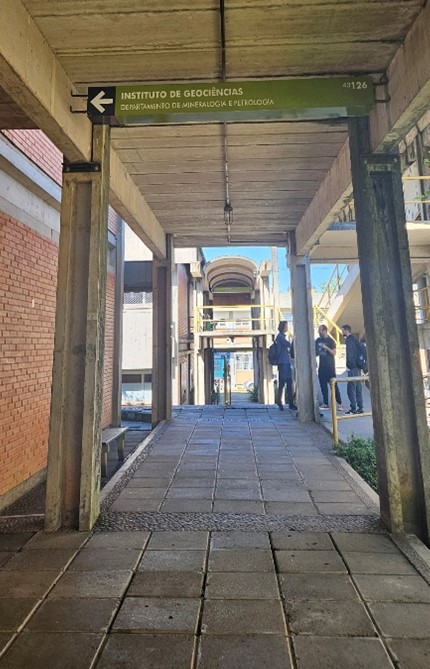
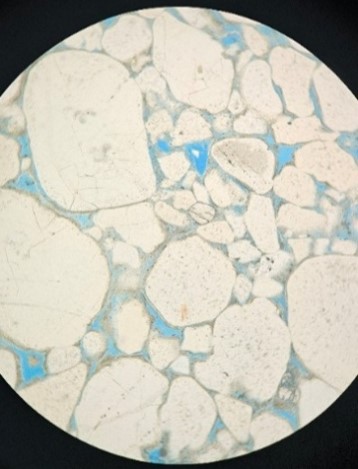
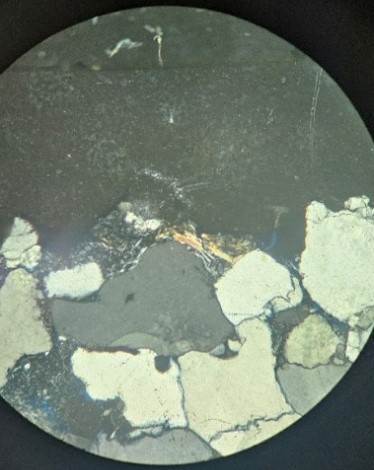
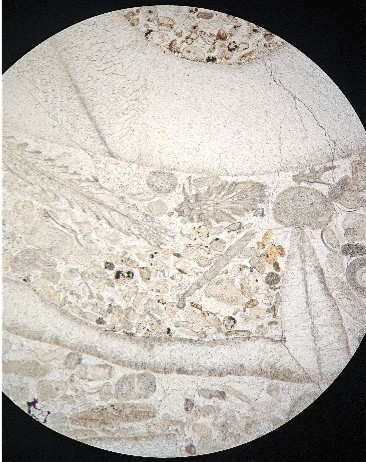
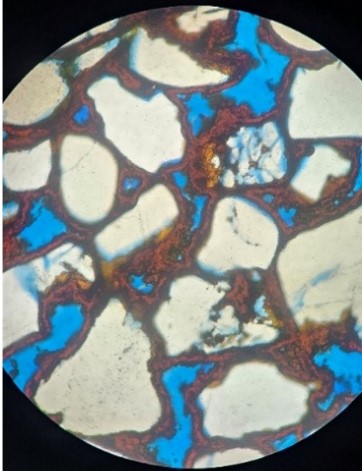
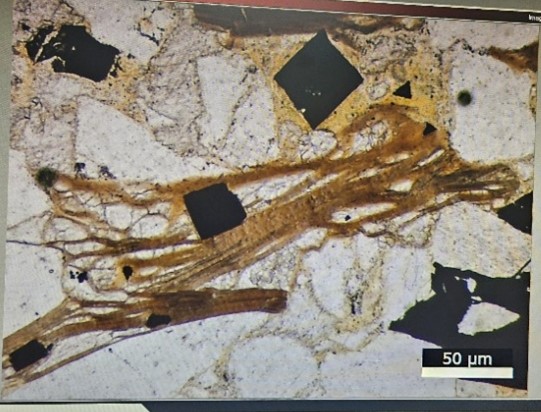
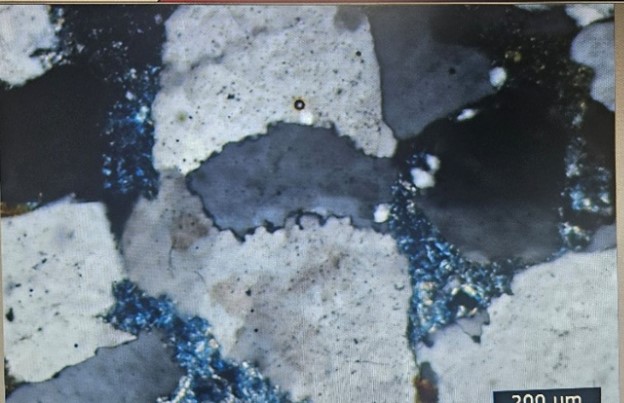
I spent most of my time at the Mineralogy & Petrology department together with Professor Amanda Goulart Rodrigues, where I received training in sedimentological petrography, focusing on studying and analysing sedimentary rocks to see; their grain size, sorting, mineralogy, porosity, their diagenetic- and depositional history. I received a small course in how to study the thin sections of the sedimentary rocks, and write down a small analysis of my interpretation, as this was just briefly covered during my bachelors degree. We mainly focused on siliciclastic rocks, but I learned briefly how to study calcareous sediments, containing different biodiversty of fossils, and learning how to recognize different types of fossils. I used the educational selection of thin sections the department has, on siliciclastic and carbonate rocks. I followed a set guide on how to complete my analysis; looking at the grain size, porespace percentage, cementation/compactation, grain-contacts, mineralogy and structures within the thin section, before completing a environmental and depositional analysis – applying my sedimentary, mineralogy, and microscopy knowledge I aquired during my bachelors degree at UiT.
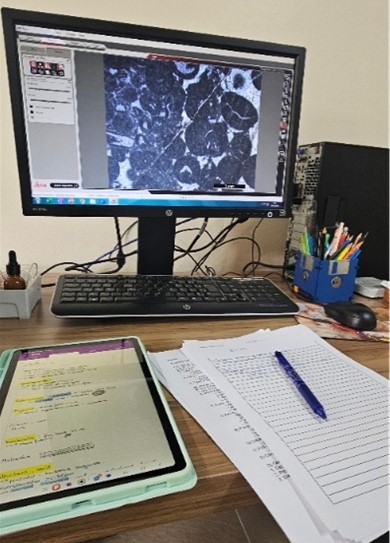
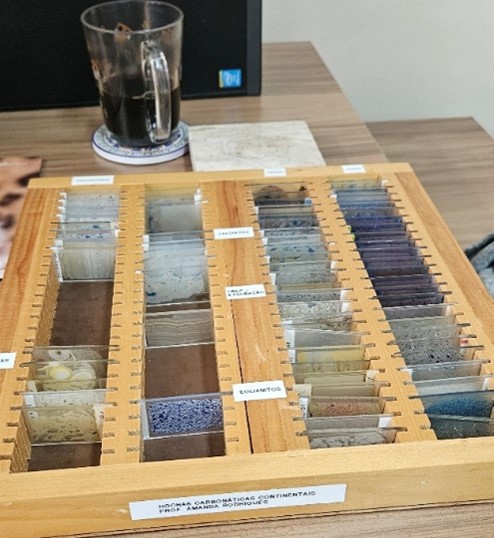
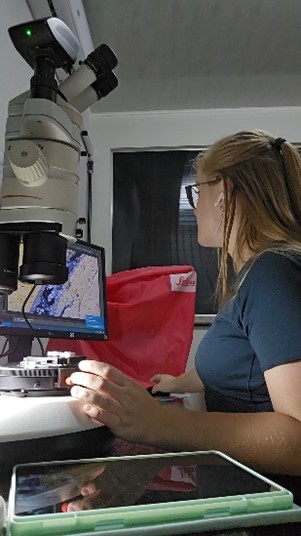
My day on campus would usually start around 8.am, as traveling into campus took about 40 minutes by bus. After a short chat at morning coffee, Professor Amanda gave me a brief introduction of what I would be looking at. I would then go through sets of thin sections with different mineralogy and diagenetic history and then analyse and classify them before comparing my results with Amanda. At 12pm we would go to lunch which lasted an hour, before the work resumed. A fun contrast to Norway where lunch is a brief meal, usually consisting of a few slices of bread, the Brazilians see lunch as the biggest meal of the day, and the cafeterias had large warm-food buffets to pick food from. My work would end around 4 or 5 pm, where I would travel back downtown and do schoolwork from Norway before ending my day. It was fun to apply all the knowledge that I have obtained during my bachelors degree at UiT, and deepen my interest for sedimentology, microscopy and petrography.
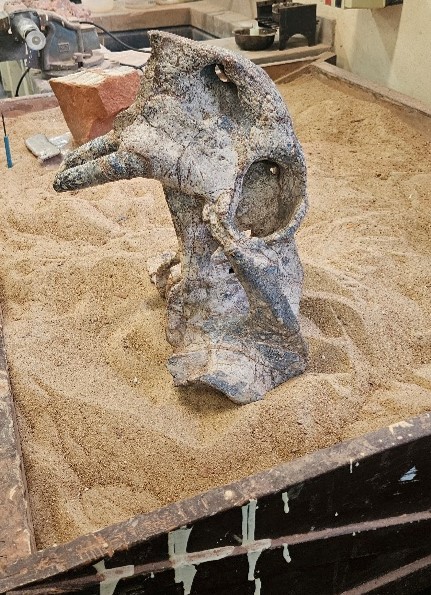
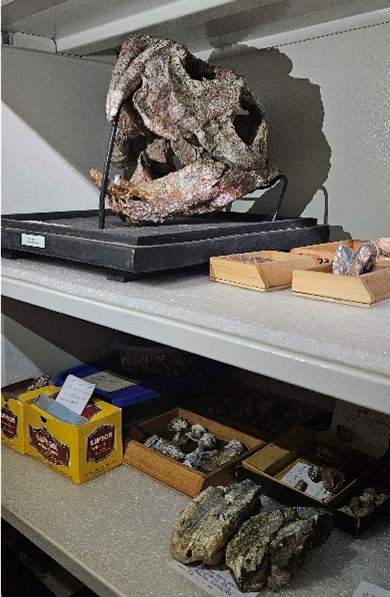
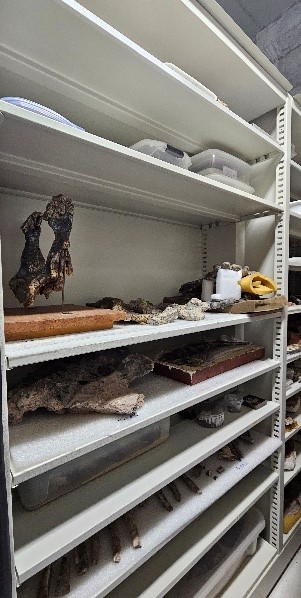
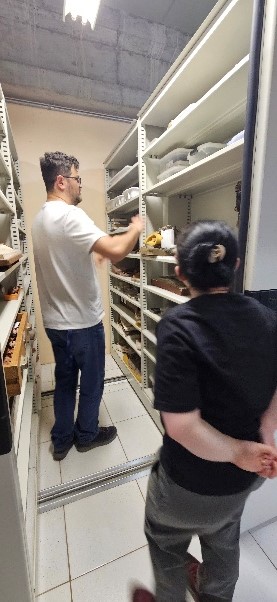
During my stay at UFRGS I got to meet many amazing professors and students around the different departments, where I got a tour in the Palaeontology department and saw their excavation lab, getting to see the dinosaur-fossils they were extracting from the rocks, and seeing their archive with many different species and ages. Amazing!
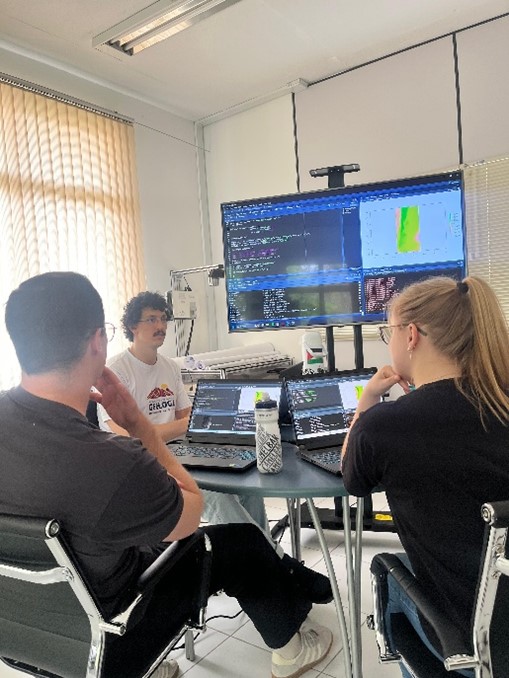
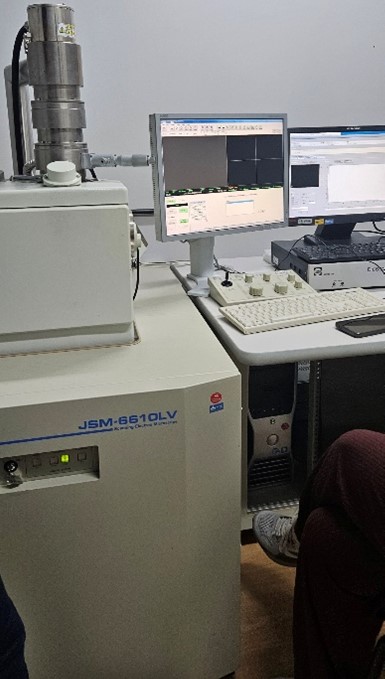
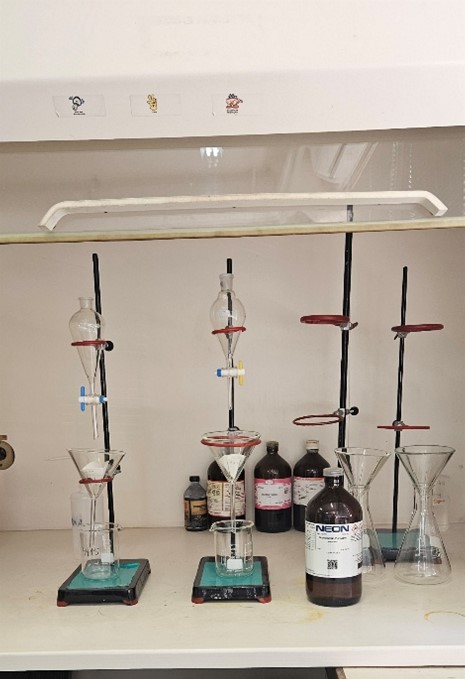
I was lucky to be introduced to the team at the Isotopic Geology Laboratory (IGL), where my fellow Norwegian worked, where i got a brief course in R-language for geosciences, creating geochemical plots and geological maps. I was also introduced to the use Scanning Electron Microscope to study rocks and minerals even closer, giving the possibility of producing a complete chemical composition of specific minerals in the samples. A brief introduction to the use of different Mass Spectrometers was given, and I got to experience the process of separating heavy- and light-minerals from sediments to make sedimentary thin sections.
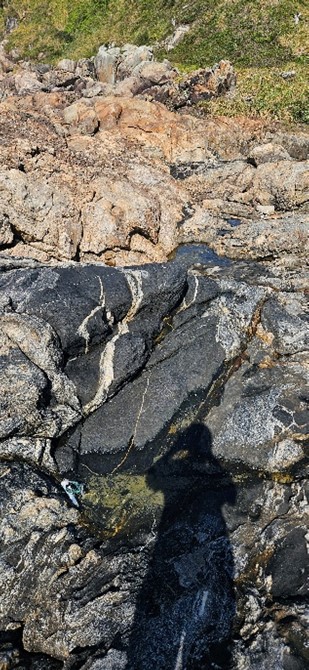
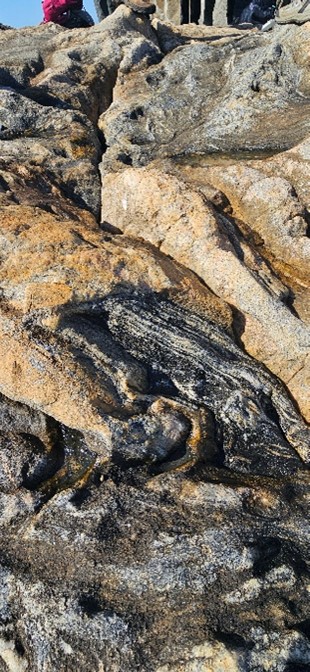
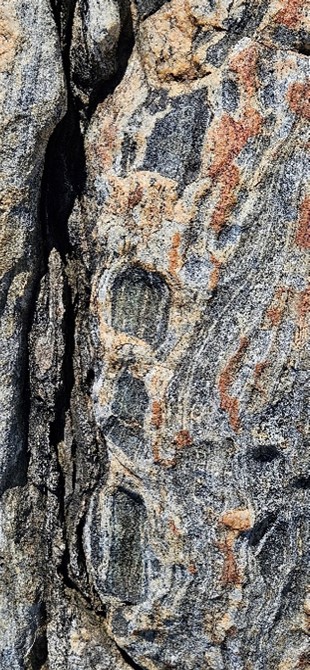
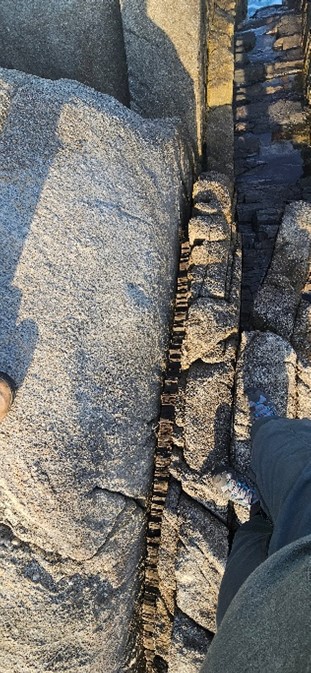
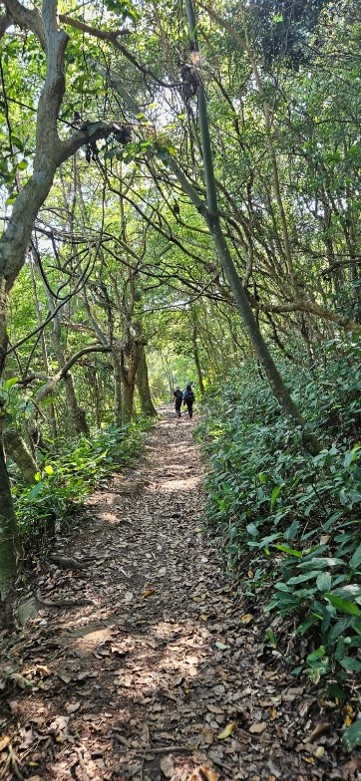
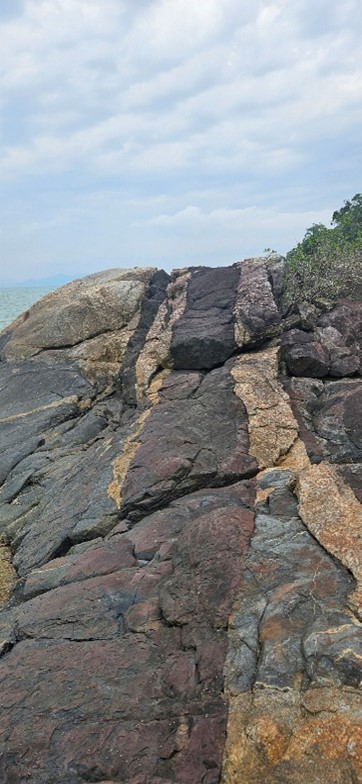
At the end of September, I got to attend a 4-day field excursion with Professor Maria de Fátima Bitencourt and a graduate class in structural geology and magmatism, within the Syntectonic Magmatism research group. We travelled to Santa Catarina state (southern Brazilian coast), further north from Porto Alegre to look at syntectonic granitic magmatism from the Neoproterozoic – at the crust and mantle contributions to a granite generation within a transgressive orogen. We used two days for traveling, where we drove a bus from Porto Alegre up to Florianópolis where we would stay for two nights at a hotel. It was interesting to get the experience of how they complete fieldwork and field-excursions in Brazil compared to UiT in Norway, like needing shin-braces to protect from snakebites when hiking through the forest to the outcrops.

In conclusion, the GeoInternship helped to deepen my knowledge acquired during my degree at UiT, particularly in sedimentological petrography. The hands-on training in sedimentological petrography deepened my confidence in mineral identification and sedimentary rock analysis. The exposure to laboratory techniques, like the use of scanning electron microscope (SEM) and R-scripting for geological mapping and geochemical plotting, helped me broaden my understanding of the interdisciplinary necessity in today’s modern geology.
Learning to navigate Brazil’s professional environment, their academic pace and language barriers was a very valuable experience. This experience has helped me solidify my interest to specialize in sedimentology and sedimentological petrography, giving me a clear and exciting foundation for my future master’s studies. I am forever grateful for the hospitality and warmness I received by Professor Amanda Rodrigues and the faculty at UFRGS, making me feel welcome and at home during my stay.