
Sammendrag
Raj Sahu shares his experiences from his internship in Tromsø
By Raj Sahu 5th Year Integrated M. Tech in Applied Geophysics Indian Institute of Technology (ISM) Dhanbad
From Dhanbad to the Arctic
My journey to Tromsø began long before I landed at the airport; it started with a fascination for how modern computational tools could solve complex earth science problems. As a 5th-year student from IIT (ISM) Dhanbad, coming to UiT – The Arctic University of Norway was not just a change in geography, but a leap into a specialized research environment.
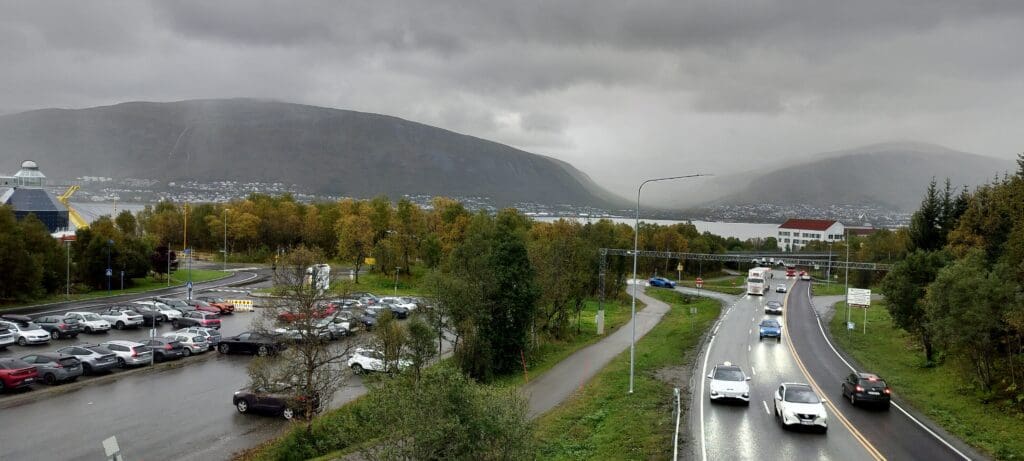

Arriving in late September, I witnessed the rapid transition of the Arctic autumn. Coming from India, the crisp air and the stunning backdrop of mountains meeting the sea were immediately striking. The silence of the snow-capped peaks provided a stark, beautiful contrast to the bustling life I am used to back home.
The Mission: Automated Mineral Quantification During my internship (September 23 – November 23, 2025), I worked under the supervision of Prof. Dilip K. Prasad, Prof. Sabina Palinkas, and Assoc. Prof. Carly Faber within the Department of Geoscience.

My project focused on Automated mineral quantification of Seafloor Massive Sulfide (SMS) mineralization. The samples for this study were fascinating—sourced directly from active and extinct SMS deposits in the deep Arctic Ocean.
The primary challenge was to handle Scanning Electron Microscopy Energy-Dispersive X-ray Spectroscopy (SEM-EDS) mapping data. While traditional mineral identification can be manual and time-consuming, my goal was to automate this process using advanced computational methods.
My Daily Work:
Coding the Solution My daily routine at UiT was a deep dive into code and data. A typical day involved heading to the department in the morning to work on developing a specialized Machine Learning segmentation model. Most of the days were spent in the Geoscience department and sometimes I had to move to Science and Technology department for meetings and work.
My specific task was to build a model that could ingest EDS SEM images of sulphate mineral samples and accurately predict their mineral composition and elemental content. I wrote Python code designed to automatically identify complex sulfide mineral assemblages, including pyrite, chalcopyrite, sphalerite, galena, and barite.
To make these complex algorithms more accessible and usable, I also developed a comprehensive Streamlit interface. This web-based application serves as a dashboard where users can interact with the data directly. I integrated specific image editing and analysis tools tailored for microscopic images, allowing for real-time adjustments and easier interpretation of the segmentation results.
Connecting Competencies
This internship was the perfect testing ground for my background. At IIT (ISM), I built a strong foundation in geophysics and math, but applying it here required a different set of muscles. I had to merge my geoscientific knowledge—understanding mineral structures and compositions—with advanced Machine Learning and software development skills. The experience sharpened my ability to apply AI to real-world geological data, a skill set that is becoming increasingly vital in modern exploration.
Life in Tromsø
: Snow, Ships, and Spices Living in Tromsø was an adventure that extended far beyond the laboratory walls. My daily life was set against a backdrop of stunning scenery. On my daily walks, I would often pause to watch the majestic cruise ships passing by in the fjord—a sight that never lost its charm.
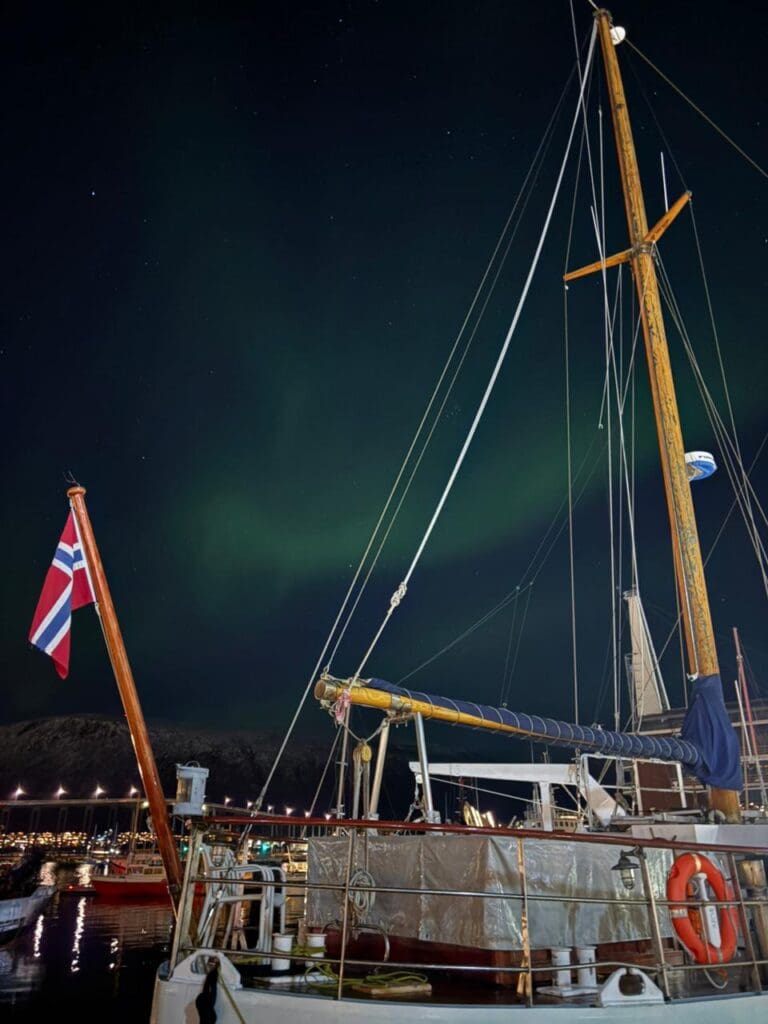
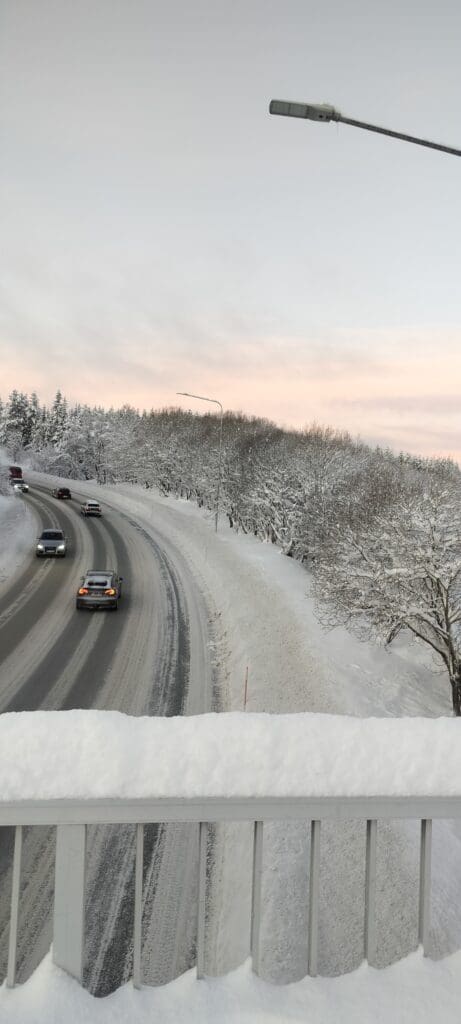
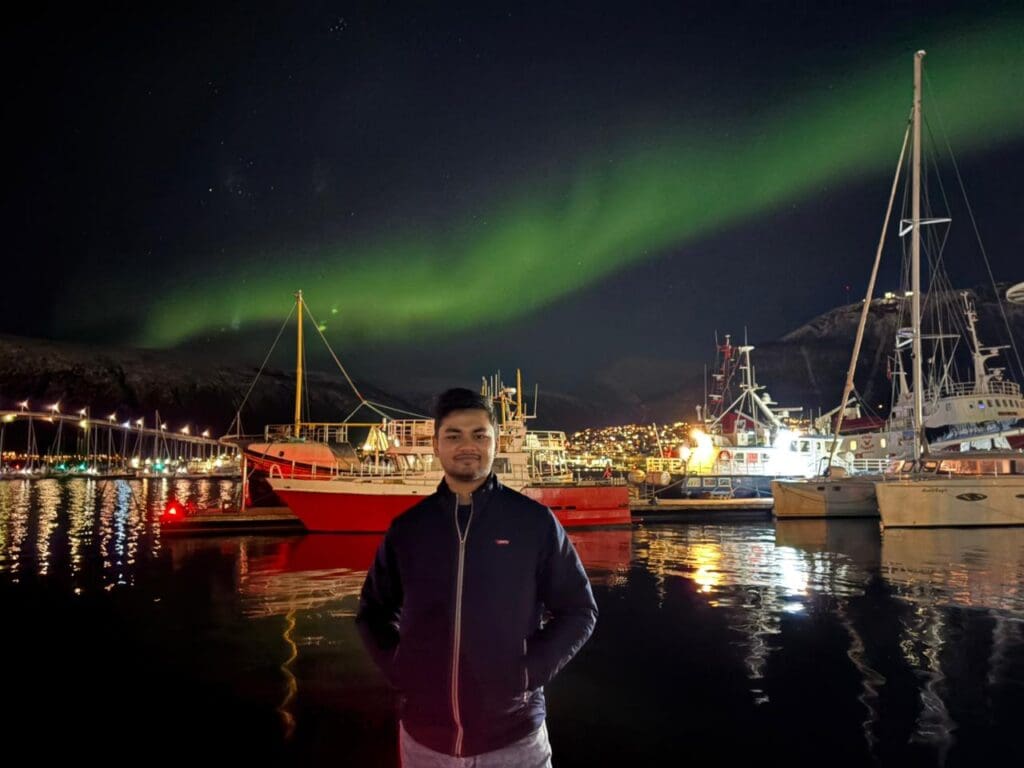
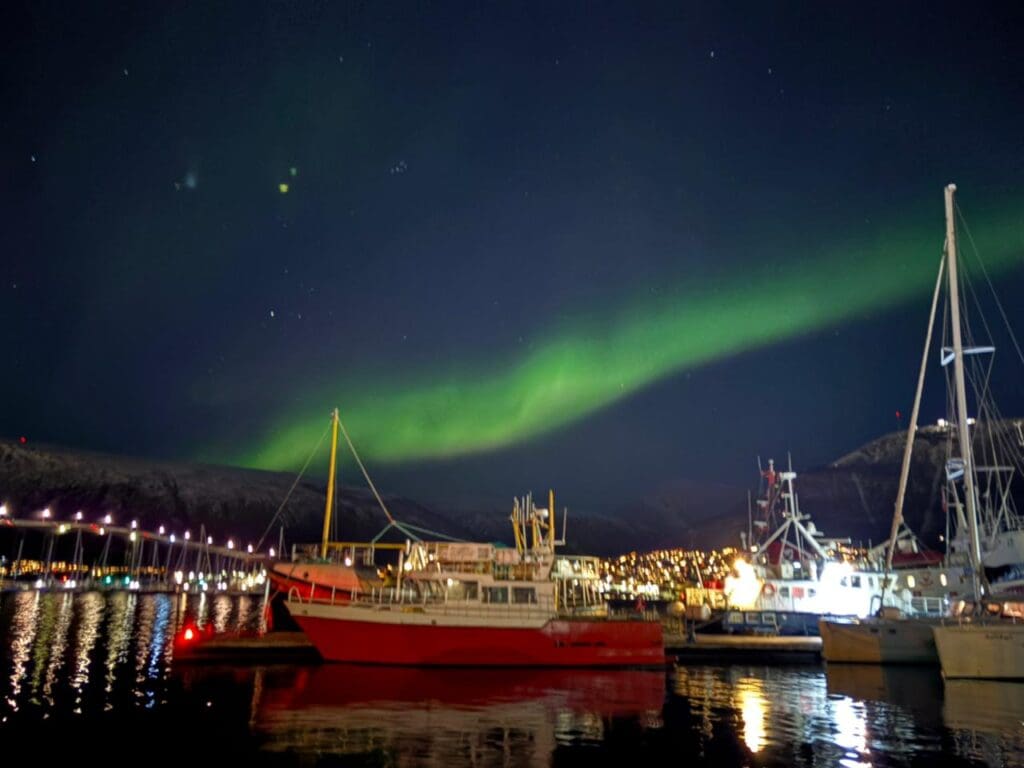
I also had the privilege of witnessing the landscape transform completely. It began with the excitement of the first snowfall, which soon evolved into heavy, continuous snow that blanketed the entire city in white. But the highlight was undoubtedly the sky. The Northern Lights were not just a rare occurrence; they were a frequent companion. I was lucky enough to spot the dancing green auroras many times, often just by looking up during an evening walk.
Of course, student life also involved the practicalities of living on a budget. I learned how to navigate the local lifestyle, becoming a regular at Xtra and Kiwi to keep the kitchen stocked. Cooking became a major part of my daily winding-down routine. I spent many evenings experimenting with recipes, trying to recreate the flavors of home—making Poha, chicken curry, mutton, and fish dishes—often improvising with the ingredients available in the Arctic. Sharing a meal or discussing the differences in food culture was a great way to connect with other international students and colleagues.
Reflection
This internship, funded by the UTFORSK project GeoInternInternational, has been a defining chapter in my academic career. It confirmed my passion for research and gave me the confidence to pursue further studies in the intersection of AI and Geoscience.
I am returning to India not just with a completed project, but with a refined skillset in ML segmentation and memories of a beautiful, welcoming city at the top of the world.
