Tag: Water column

  • CAGE contributes to new findings on methane release from the seabed

    CAGE contributes to new findings on methane release from the seabed

    A new Science paper with contributions from CAGE presents new findings on methane release and global warming.

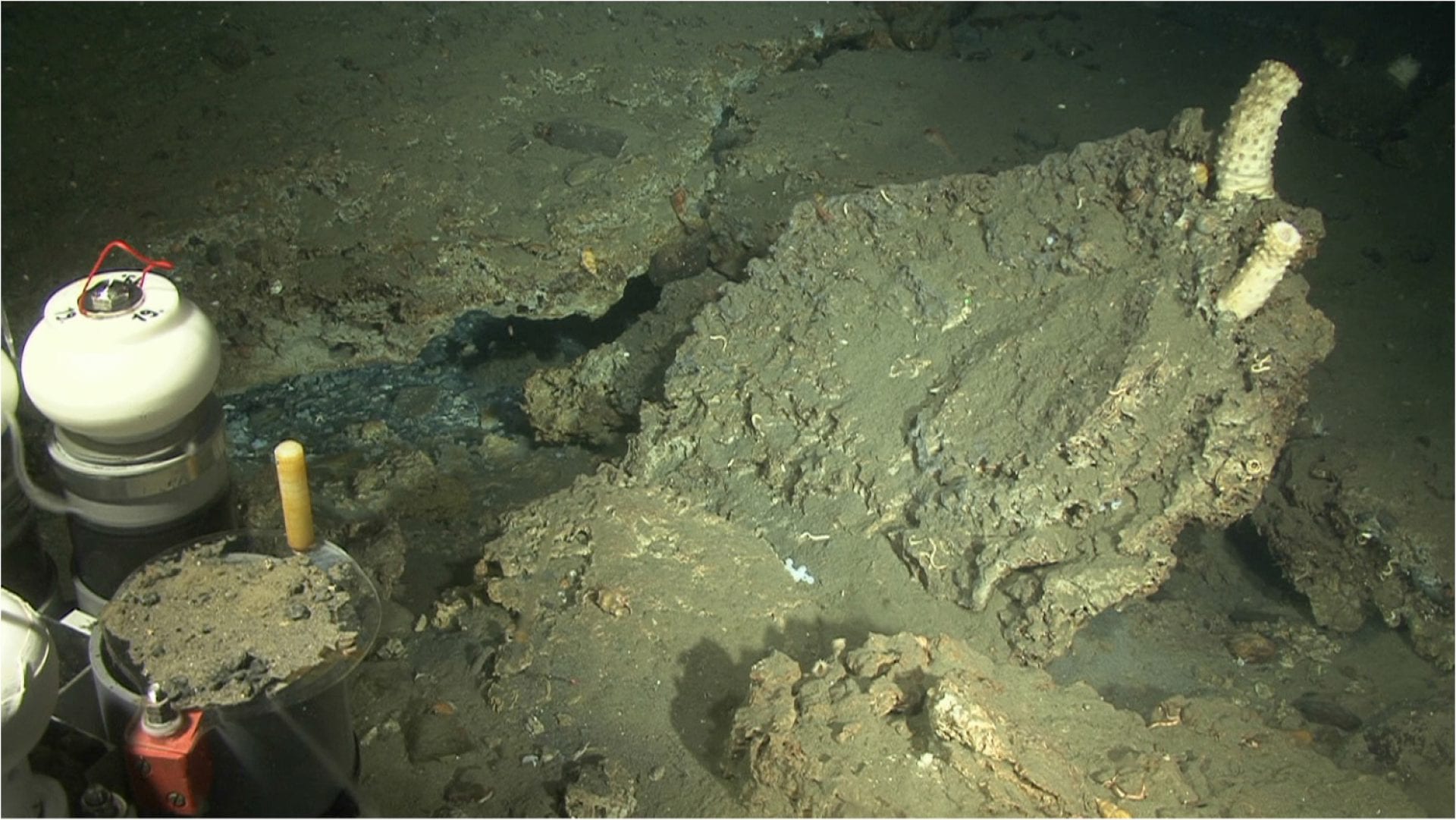
    Methane seepage from gas hydrates off the coast of Svalbard has been observed regularly. A study now confirms that this seepage has been going on for several thousand years, and therefore cannot solely result from new climate changes driven by mankind.

    Climate change and unstable gas hydrates

    These findings are the result of an international collaboration led by Christian Berndt from Geomar in Kiel, Germany, and was recently presented in Science with CAGEBenedicte Ferre researcher Bénédicte Ferré (pictured right) as co-author.

    One of the main questions CAGE asks is whether future climate changes will increase methane release from gas hydrates in the ocean.

    The researchers can now conclude that previous observations of large contemporary emissions cannot be considered proof of accelerating hydrate destabilization.

    Unknown at what rate methane reservoirs change

    ‘Our findings indicate that methane seepage has been going on longer than first assumed in this area, independent of anthropogenic warming,’ Bénédicte explains.

    However, this does not mean that we can’t draw a line between climate change and unstable gas hydrates.

    ‘This is still worrying because although this seepage is not caused by warming, that doesn’t mean that future global warming won’t cause destabilization of gas hydrates,’ Bénédicte says.

    Gas hydrates are only stable at high pressure and low temperatures. It is therefore of major importance to keep monitoring methane release, particularly in sensitive areas like the Arctic. One of CAGE’s effots for understanding rapid changes in methane release is to install permanent monitoring stations on the ocean floor.
    Read the Science paper here

  • A wider perspective

    A wider perspective

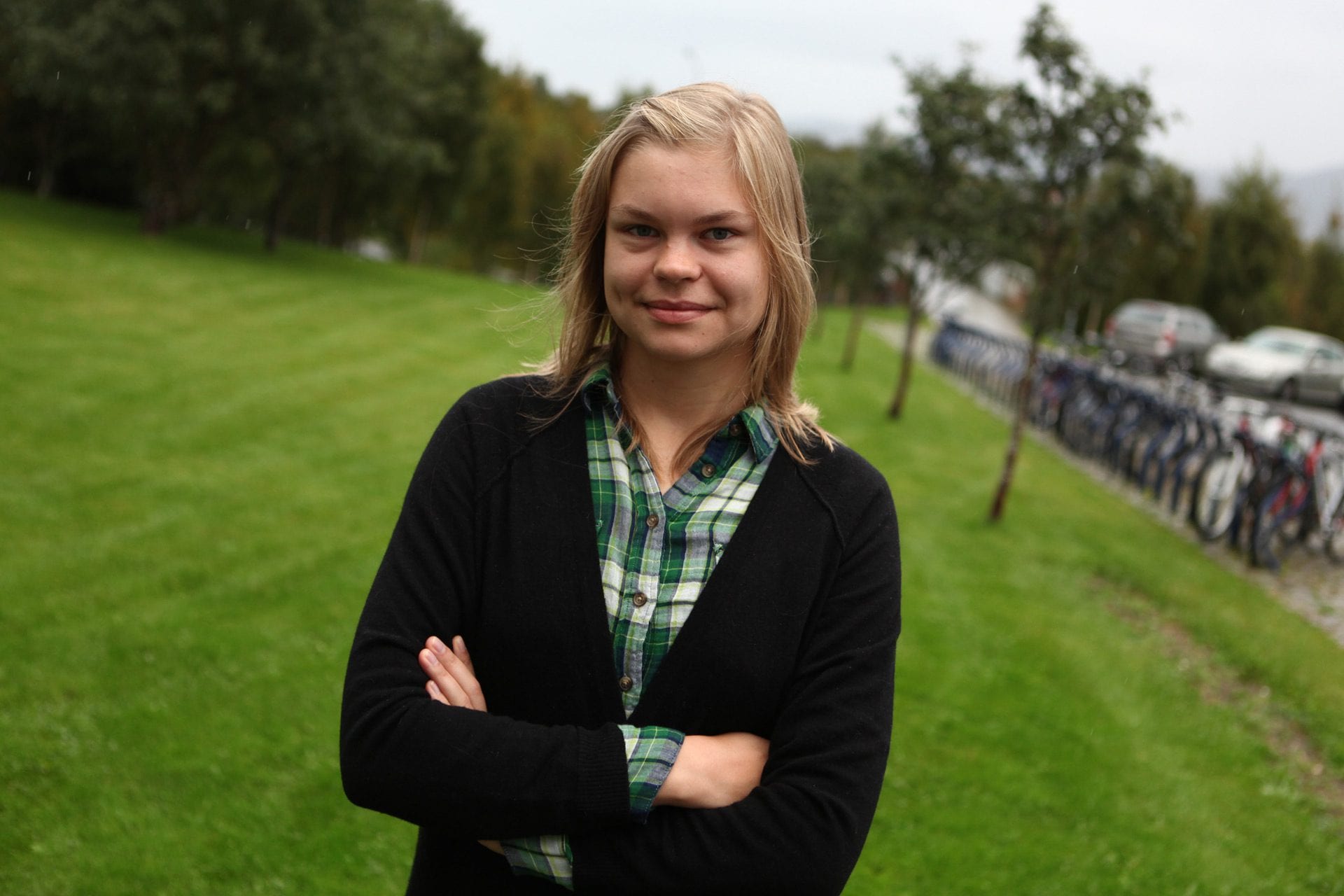
    CAGE’s new researcher Anna Silyakova wants to investigate the Arctic with an interdisciplinary eye.

    At CAGE Anna (pictured above) will work across several research groups, mainly investigating methane escape and how this can modify the carbon chemistry in the water column and contribute to on-going ocean acidification.

    In her PhD project she worked with chemical oceanography, while her master’s thesis was on physical oceanography. She thinks this broad background will benefit her in her future research.

    “The Arctic research is getting more interdisciplinary, and I think a broader overview gives you a better understanding of the whole system,” she explains.

    Experience from Norwegian Centre of Excellence

    The Russian researcher came to Norway in 2008, and has spent four years at another Norwegian Centre of Excellence – the Bjerknes Centre for Climate Research in Bergen – where she did her PhD work.

    “I hope to make use of my experience from the Bjerknes Centre here at CAGE,” she says.

    She moved to Tromsø a year ago with her husband, and finished the writing of her PhD thesis here. When she heard about CAGE she didn’t hesitate to express her interest in a research position.

    “High-quality research and good publications make the Norwegian Centres of Excellence well-known nationally and worldwide,” she says.

    – ­Important to popularise

    Anna is passionate about communicating new science, and thinks research is worth little if no-one knows about it. According to her, in addition to publishing papers and presenting work at conferences, there are plenty of ways for researchers to get their message across – using social media, collaborating with schools, or appearing in the media, just to name a few.

    “Every researcher has a responsibility to make his or her research known, by presenting it in the best possible way to all kinds of people,” she says, and adds:

    “That way you’re also a good representative for your institution”.