Category: Past PhD Defenses

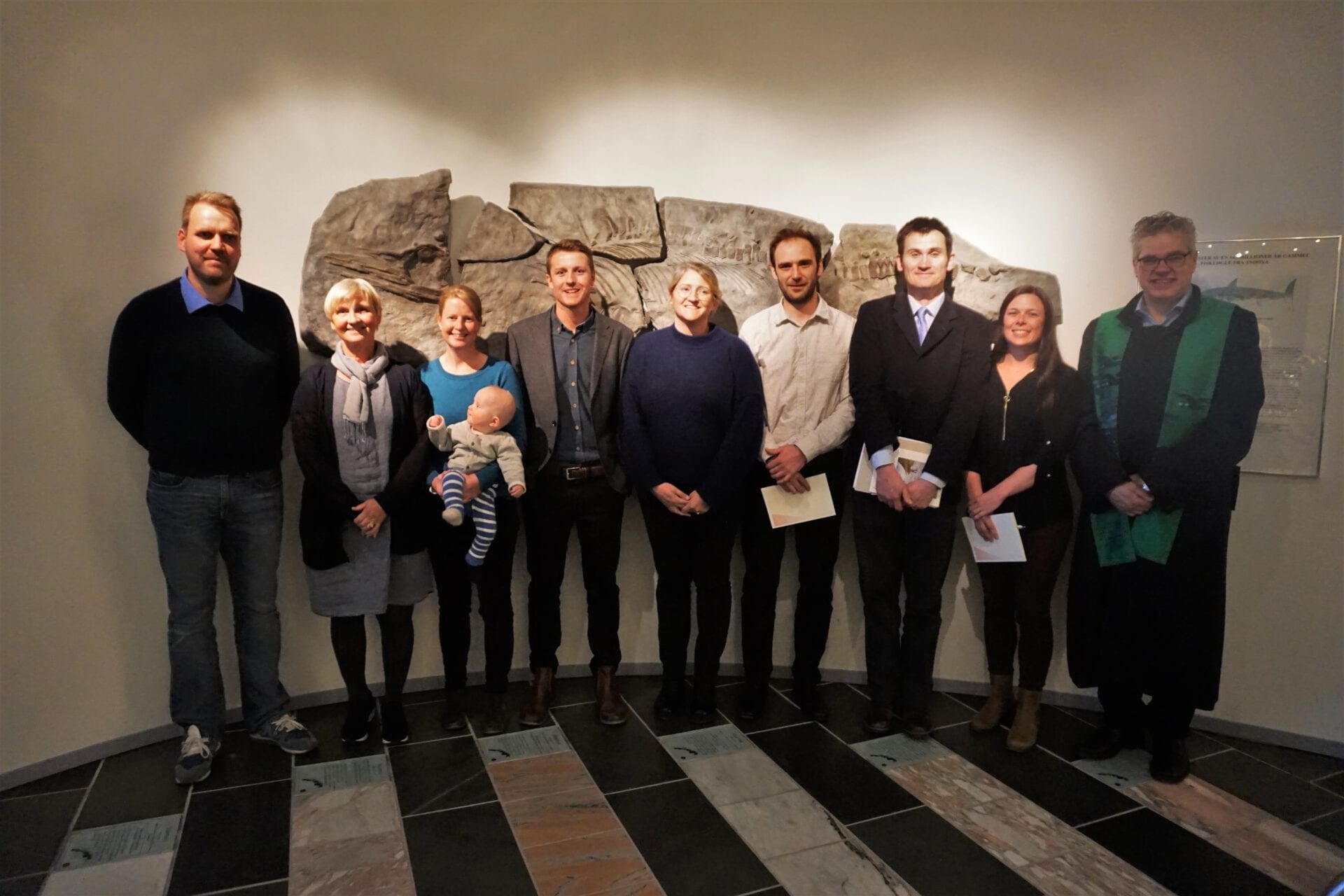
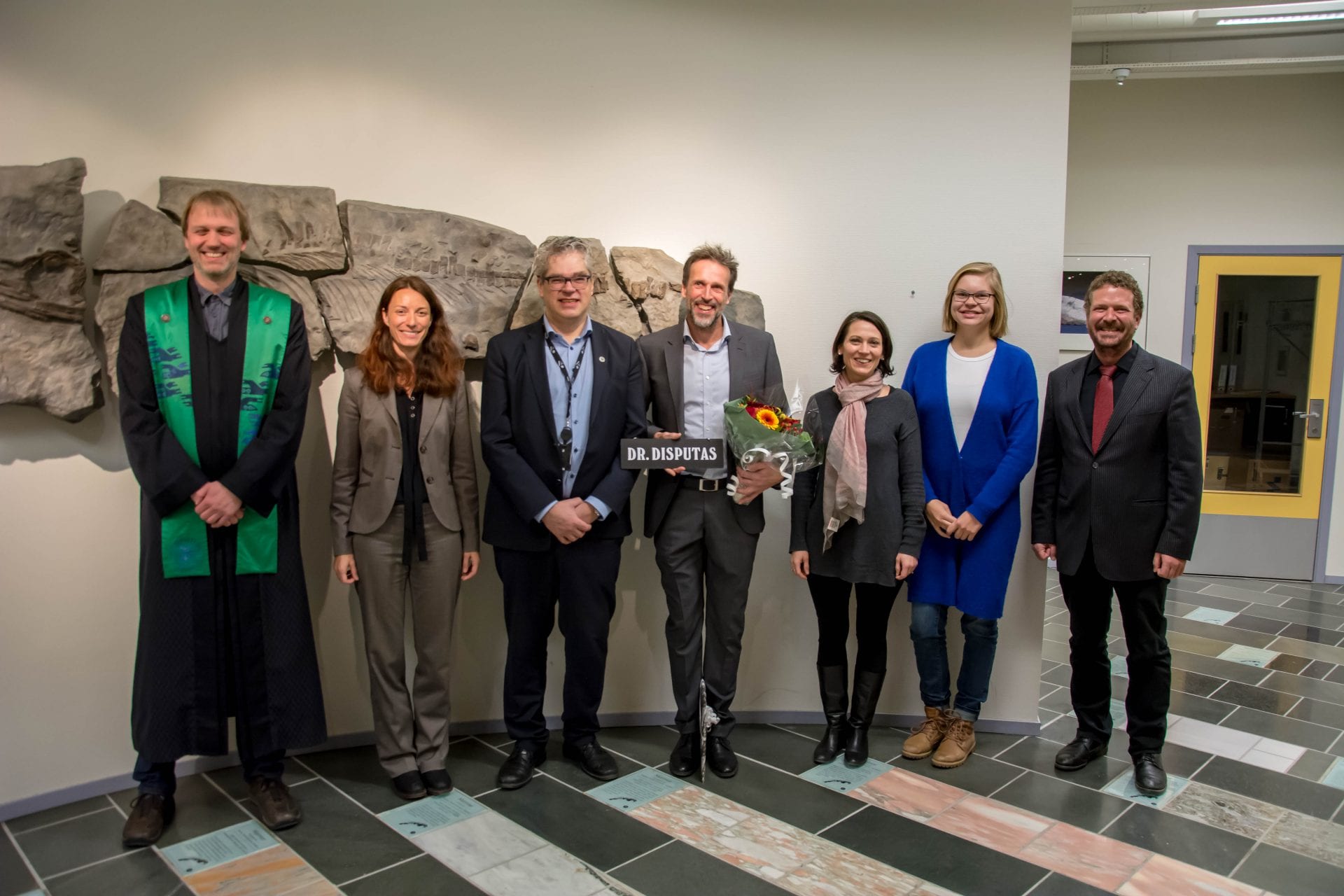
  • Knut Ola Dølven defends thesis on “Measuring Methane in the Arctic Ocean – From legal framework to time series analysis via technology innovation “

    Knut Ola Dølven defends thesis on “Measuring Methane in the Arctic Ocean – From legal framework to time series analysis via technology innovation “

    Knut Ola Dølven will publically defend his PhD thesis entitled, “Measuring Methane in the Arctic Ocean – From legal framework to time series analysis via technology innovation” on March 24th 2022 at UiT – The Arctic University of Norway. This work was funded by the Centre for Arctic Gas Hydrate, Environment, and Climate (CAGE) at UiT.

    The trial lecture and public defense will be streamed online.

    Trial lecture

    Public defense


    Popular scientific abstract

    To reach international agreement on solutions to solve climate change and a sustainable future, a thorough understanding of environmental processes is crucial. Methane seeping from the seabed in the Arctic Ocean can cause climate change and is not well understood and more data is needed. This thesis have approach this problem from mainly an oceanographic, but also legal perspective. An inter-disciplinary assessment show that the implementation of innovative technology is not currently being hampered by legal issues. Two long-term time series from two intense methane seep sites offshore West Spitsbergen show very high variability on short time-scales which highlights the potential for errors in budget estimates. Lower concentration towards winter is explained by stronger mixing and winter storms. We developed a new technique for monitoring seabed seepage using an acoustic ocean current meter and also a method for retrieving fast response data from slow response methane sensors.


    The plan for Knut Ola Dølven’s public defense for the PhD degree in Science, on March 24th 2022, is as follows:

    Trial lecture at 10:15 on the following topic:

     ‘The global carbon cycle’

    PhD thesis defense at 12:15:

    ‘Measuring Methane in the Arctic Ocean – From legal framework to time series analysis via technology innovation’


    PhD Thesis is published and available here.


    Supervisors:

    • Dr. Bénédicte Ferré,  Department of Geosciences (main supervisor)
    • Dr. Peter Linke, GEOMAR, Germany

    Evaluation Committee:

    • Associate professor Daniel Frank McGinnis, University of Geneva, Switzerland (1. Opponent)
    • Dr. Carolyn Graves, Centre for Environment Fisheries and Aquaculture Sciences (Cefas), UK (2. Opponent)
    • Professor Alfred Hanssen, Department of Geosciences, UiT (internal member and leader of the committee)

    Leader of the defense:

    • Vise Dean for Education Hilja Lisa Huru, Faculty of Science and Technology, UiT


    To read more about the findings of this research:

    Woker, H., Schartmüller, B., Dølven, K. O. & Blix, K. (2020). The law of the sea and current practices of marine scientific research in the Arctic. Marine Policy, 115, 103850. https://doi.org/10.1016/j.marpol.2020.103850

    Dølven, K. O., Ferré, B., Silyakova, A., Jansson, P., Linke, P., and Moser, M. (2022) Autonomous methane seep site monitoring offshore western Svalbard: hourly to seasonal variability and associated oceanographic parameters, Ocean Sci., 18, 233–254. https://doi.org/10.5194/os-18-233-2022

    Dølven, K.O., Vierinen, J., Grilli, R., Triest, J. & Ferre, B. (2021). Response time correction of slow response sensor data by deconvolution of the growth-law equation. Geoscientific Instrumentation, Methods and Data Systems, preprint, in review. Also available at https://doi.org/10.5194/gi-2021-28.

    Dølven, K.O. (2022). Replication data for Autonomous methane seep site monitoring offshore Western Svalbard: Hourly to seasonal variability and associated oceanographic parameters. DataverseNO, V1, https://doi.org/10.18710/CEIA1U.
  • Siri Ofstad defends thesis on “Arctic planktonic calcifiers in a changing ocean”

    Siri Ofstad defends thesis on “Arctic planktonic calcifiers in a changing ocean”

    Siri Ofstad will publically defend her PhD thesis entitled, “Arctic planktonic calcifiers in a changing ocean – A study on recent planktonic foraminifera and shelled pteropods in the Fram Strait-Barents Sea region” on December 16th 2021 at UiT – The Arctic University of Norway. This work was funded by the Centre for Arctic Gas Hydrate, Environment, and Climate (CAGE) at UiT.

    The trial lecture and public defense will be streamed online.


    Popular scientific abstract

    The Arctic is changing. Small organisms (planktonic foraminifera and shelled pteropods) in the water column were studied in terms of their abundance, seasonality, diversity, life cycles, and calcification. This was done by collecting samples with a plankton net and collecting water and surface sediments. This thesis has shown that the Fram Strait-Barents Sea region is characterized by low species diversity and marked seasonality. We found a decrease in the relative abundance of the polar species Neogloboquadrina pachyderma on the Greenland shelf compared to the 1990s, and sub-tropical species in the Barents Sea. This thesis has helped in filling gaps in research into the impacts of ocean acidification in the Arctic. Lastly, we have been able to show that organisms in the same size class and water depth have a wide range of shell densities which is also true for foraminifera in surface sediments. These two points may complicate geochemical or ocean acidification studies as well as paleo-studies.


    The plan for Siri Ofstad’s public defense for the PhD degree in Science, on December 16th 2021, is as follows:

    Trial lecture at 10:15 on the following topic:

     ‘The role of marine calcifiers in the ocean carbon and carbonate pumps; past, present, and future’

    PhD thesis defense at 12:15:

    ‘Arctic planktonic calcifiers in a changing ocean – A study on recent planktonic foraminifera and shelled pteropods in the Fram Strait-Barents Sea region’


    PhD Thesis is published and available here.


    Supervisors:

    • Professor Tine L. Rasmussen, Department of Geosciences, UiT
    • Dr. Kasia Zamelczyk, Department of Geosciences, UiT
    • Dr. Julie Meilland, MARUM, University of Bremen

    Evaluation Committee:

    • Professor Ulysses Ninnemann, Department of Geosciences, UiB, Norway (1. Opponent)
    • Senior Research Scientist Dr. Clara Manno, British Antarctic Survey, UK (2. Opponent)
    • Researcher Dr. Mohamed M. Ezat, Department of Geosciences, UiT (internal member and leader of the evaluation committee)

    Leader of the defense:

    • Professor Alfred Hanssen, Department of Geosciences at Faculty of Science and Technology


    To read more about the findings of this research:

    Ofstad, S., Meilland, J., Zamelczyk, K., Chierici, M., Fransson, A. & Rasmussen, T.L. (2020). Development, productivity, and seasonality of living planktonic foraminiferal faunas and Limacina helicina in an area of intense methane seepage in the Barents Sea. Journal of Geophysical Research: Biogeosciences, 125(2), e2019JG005387. Also available in Munin at https://hdl.handle.net/10037/17522.

    Ofstad, S., Zamelczyk, K., Kimoto, K., Chierici, M., Fransson, A. & Rasmussen, T.L. (2021). Shell density of planktonic foraminifera and pteropod species Limacina helicina in the Barents Sea: Relation to ontogeny and water chemistry. PLOS One, 16(4), e0249178. Also available in Munin at https://hdl.handle.net/10037/21744.

  • Vincent Carrier defends thesis on “Microbial community structure associated to Arctic cold seeps”

    Vincent Carrier defends thesis on “Microbial community structure associated to Arctic cold seeps”

    Vincent Carrier will publically defend his PhD thesis entitled, “Microbial community structure associated to Arctic cold seeps” on November 29th 2021 at UiT – The Arctic University of Norway. This work was funded by the Centre for Arctic Gas Hydrate, Environment, and Climate (CAGE) at UiT.

    The trial lecture and public defense will be streamed online.


    Popular scientific abstract

    Cold seeps are locations on the seafloor where CH4 migrates from reservoirs below sediments towards the atmosphere, sustaining thereby a high microbial and macrofaunal biomass and a diversity contrasting from the surrounding seafloor. The oxidation of methane and sulphide are typically the main sources of primary productivity of these ecosystems and have therefore gained a particular attention in the global oceans. Yet, despite the ubiquitous presence of these seeping sites and the presence of gas hydrates in the Arctic Ocean and its adjacent shelves, the impact of methane on benthic and pelagic microbial communities in this region have remained limited. Recently, five gas hydrate bearing mounds with ongoing methane seeping activity were discovered south of Svalbard, in the northern Barents Sea. In this PhD project, I studied changes in the structure of microbial communities, including both prokaryotes and eukaryotes, and geochemical profiles at these mounds to highlight key microbial groups and to provide insights on their ecological roles. Different niches were addressed, including: deep anaerobic sediments (Paper I and II); niches at the sediment surface at gas flare locations and within bacterial mats and siboglinid fields (Paper III); and above gas flares in the shallow shelf water column (Paper IV). The microbial biodiversity and the structure of communities were successfully identified for each of the habitats listed above. Our investigations revealed a microbial composition similar to other cold seeps: a predominance of archaeal anaerobic methanotrophs (ANME) and sulphate-reducing bacteria (SRB) in CH4-rich sediments, a higher abundance of methane oxidizing bacteria associated to the Methylococcales in the surface sediments and water column; and a co-occurrence of other commonly found prokaryotic groups. Yet, uncommon biological traits were also uncovered at these methane seeping sites: the anaerobic oxidation of methane was merely only driven by ANME-1 without the co-occurrence of a specific SRB clade; an abundant methanotroph with little genetic similarity in databases was detected; and a strong niche differentiation of sulphide-oxidizing bacteria within the different bacterial mats. This project has thereby extended our knowledge on the microbial biodiversity at Arctic cold seeps and opened further future research perspective toward microbial activity and metabolism at these high latitudes.


    The plan for Vincent Carrier’s public defense for the PhD degree in Science, on November 29th 2021, is as follows:

    Trial lecture at 10:15 on the following topic:

     ‘Deep sea sediment microbial processes, key taxa, and interactions’

    PhD thesis defense at 12:15:

    ‘Microbial community structure associated to Arctic cold seeps’


    PhD Thesis is published and available here.


    The methane oxidising bacterium Methyloprofundus sedimenti. It was isolated from sea water along the west coast of Svalbard. Picture: Mette Marianne Svenning and Rudi Caeyers, UiT The Arctic University of Norway


    Supervisors:

    • Professor Mette Svenning, Department of Arctic and Marine Biology
    • Associate Professor Dimitri Kalenitchenko, Department of Geosciences
    • Researcher Friederike Gründger, Aarhus University, Denmark
    • Professor Helge Niemann, Royal Netherlands Institute for Sea Rsearch and Utrecht University, Switzerland

    Evaluation Committee:

    • Associate Professor Håkon Dahle, University of Bergen (1 opponent)
    • Associate Professor Mylène Hugoni, University Claude Bernard Lyon 1, Frankrike (2 opponent)
    • Professor Rolf Gradinger, AMB (internal member and leader of the committee)

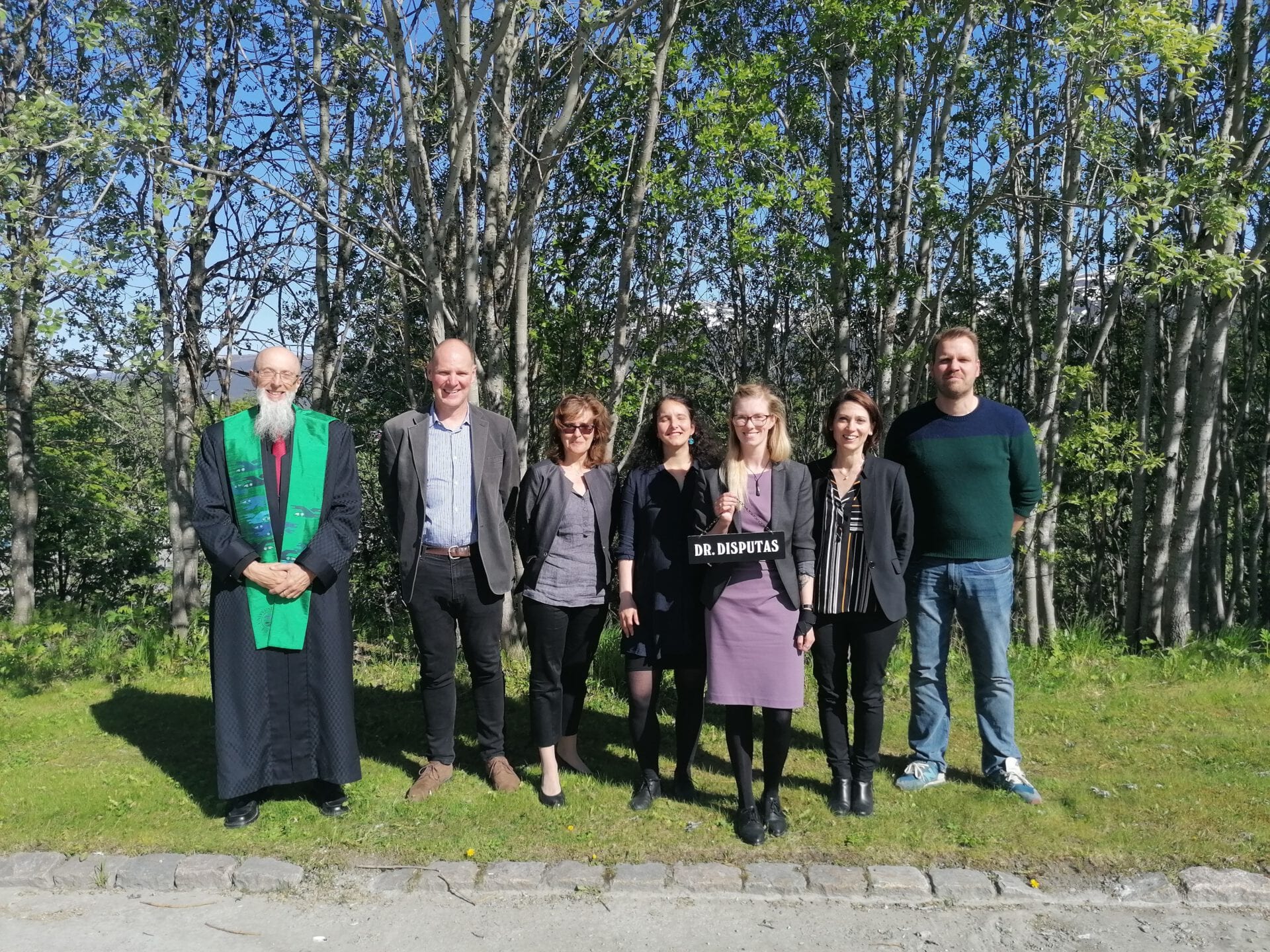
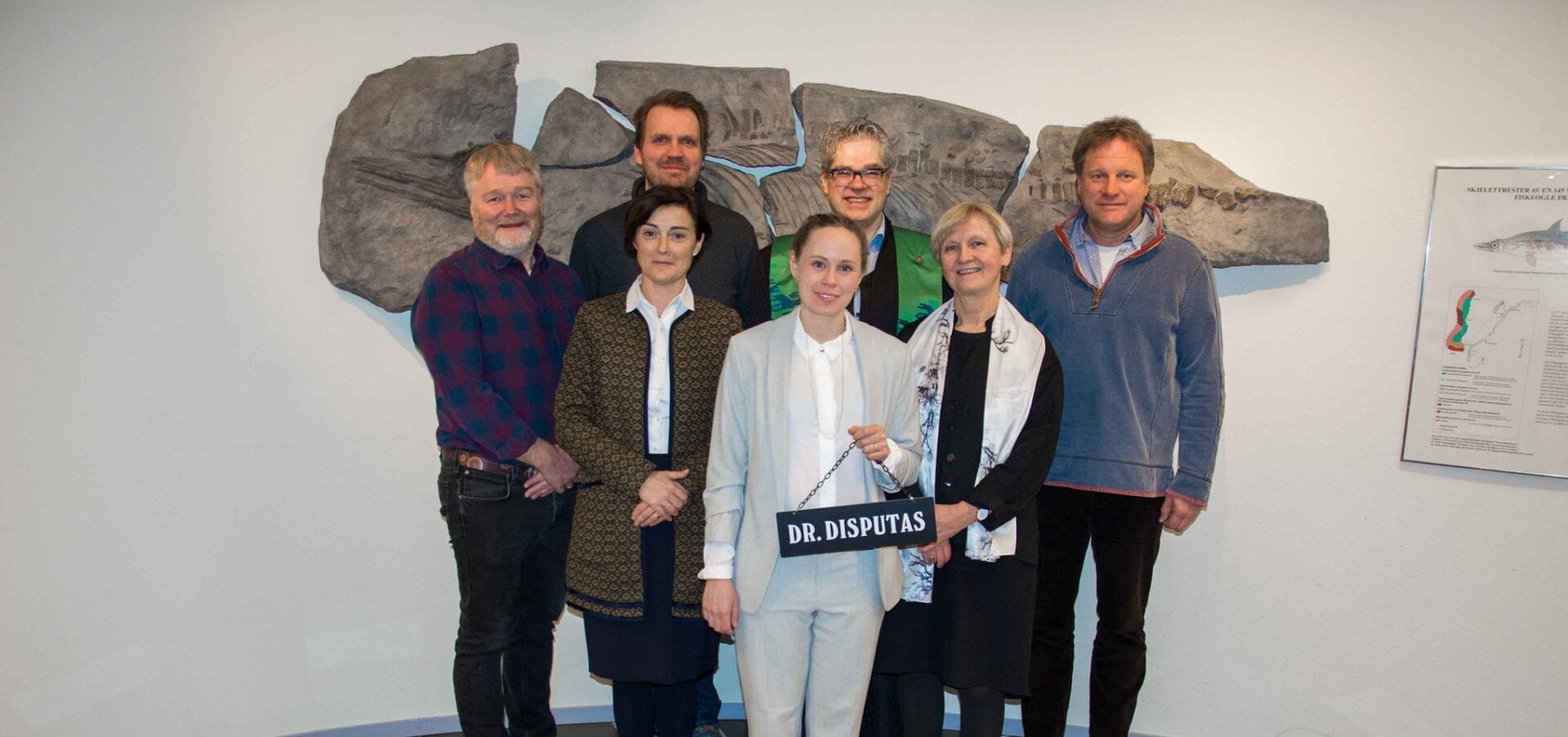
    Vincent (bottom right) together with supervisors and opponents. Photo credit: Marie Stetzler.


    To read more about the findings of this research:

    Gründger, F., Carrier, V., Svenning, M.M., Panieri, G., Vonnahme, T.R., Klasek, S. & Niemann, H. (2019). Methane-fuelled biofilms predominantly composed of methanotrophic ANME-1 in Arctic gas hydrate-related sediments. Scientific Reports, 9, 9725. Also available in Munin at https://hdl.handle.net/10037/16225.

    Carrier, V., Svenning, M.M., Gründger, F., Niemann, H., Dessandier, P.A., Panieri, G. & Kalenitchenko, D. (2020). The Impact of Methane on Microbial Communities at Marine Arctic Gas Hydrate Bearing Sediment. Frontiers in Microbiology, 11, 1932. Also available in Munin at https://hdl.handle.net/10037/19507.

    Gründger, F., Probandt, D., Knittel, K., Carrier, V., Kalenitchenko, D., Silyakova, A., … Niemann, H. (2021). Seasonal shifts of microbial methane oxidation in Arctic shelf waters above gas seeps. Limnology and Oceanography, 66(5), 1896-1914. Also available in Munin at https://hdl.handle.net/10037/21556.

  • Katarzyna Melaniuk defends thesis on ‘Assessing the relationship between living benthic foraminifera and methane emissions in the Arctic Ocean’

    Katarzyna Melaniuk defends thesis on ‘Assessing the relationship between living benthic foraminifera and methane emissions in the Arctic Ocean’

    Katarzyna Melaniuk will publically defend her PhD thesis entitled, ‘Assessing the relationship between living benthic foraminifera and methane emission in the Arctic Ocean’ on November 4th 2021 at UiT – The Arctic University of Norway. This work was funded by the Centre for Arctic Gas Hydrate, Environment, and Climate (CAGE) at UiT.

    The trial lecture and public defense will be streamed online.

    Popular scientific abstract

    Methane is a powerful greenhouse gas. In marine environments, it is buried deep in the sediments in the form of gas hydrate, an ice-like structure. Due to its form, gas hydrate is sensitive to changes in temperature and pressure. Because of that, the ongoing climate change can trigger destabilization of its sub-seabed deposits. This may result in a release of great amounts of methane into the atmosphere. Methane seepage events have occurred in the past and were recorded in the isotopic signature of calcareous tests (shells) of fossil foraminifera. However, not much is known about the possible impact of methane-affected sediments on the living foraminiferal fauna, e.g. in the cold seeps. Due to the hostile conditions within a cold seep, such as low oxygen and elevated carbon dioxide concentration, it remains unclear if benthic foraminifera build their tests during methane emission events and whether, and to what extent, live foraminifera incorporate methane-derived carbon during biomineralization. This knowledge is crucial to establish foraminifera as a reliable tool in tracking methane emissions. The main focus of this thesis was to investigate the response of foraminifera to the combined effect of low oxygen and elevated carbon dioxide concentration in a laboratory setting, replicating conditions that commonly occur in cold seeps. Secondly, this thesis investigates modern foraminiferal assemblages using fluorescence viability assays and a conventional method, Rose Bengal staining. Fluorescence probes react exclusively with metabolically active foraminifera, and so this method distinguishes live foraminifera from the recently dead individuals, creating a more detailed picture of the modern foraminiferal fauna in the study area. Finally, I was able to determine that methane-derived carbon can shift the δ13C signature of living (Rose Bengal-stained) foraminifera towards lower δ13C values, which is linked to methane-related processes, such as aerobic (MOx) and anaerobic methane oxidation (AOM). Active methane seepage did not markedly affect the isotopic signature (δ13C) of primary calcite in metabolically active foraminifera in this study. This work not only advances our understanding of the mechanisms of foraminiferal response to methane seepage events but also facilitates their use in future studies of methane emissions.


    The plan for Katarzyna Melaniuk public defense for the PhD degree in Science, on November 4th 2021, is as follows:

    Trial lecture at 10:15 on the following topic:

     ‘Benthic foraminifera as indicators of natural and/or anthropogenic pollution in the Arctic’

    PhD thesis defense at 13:15:

    ‘Assessing the relationship between living benthic foraminifera and methane emission in the Arctic Ocean’


    PhD Thesis is published and available here.

    Supervisors:

    • Professor Tine L. Rasmussen, Department of Geosciences, UiT (main supervisor)
    • Professor Tina Treude, Department of Earth, Planetary and Space Sciences, University of California Los Angeles (UCLA), USA
    • Professor Marek Zajaczakowski, Institute of Oceanography of the Polish Academy of Sciences (IOPAN), Poland

    Evaluation Committee:

    • Professor Marit-Solveig Seidenkrantz, Department of Geoscience, Aarhus University, Denmark (1. Opponent)
    • Jeroen Groeneveld, Hamburg University, Office address: Bremen University, Germany (2. Opponent)
    • Researcher Dr. Steffen Aagaard Sørensen, Department of Geosciences, UiT (internal member and leader of the committee)


    To read more about the findings of this research:

    Melaniuk, K. (2021). Effectiveness of Fluorescent Viability Assays in Studies of Arctic Cold Seep Foraminifera. Frontiers in Marine Science, 8, 587748. https://doi.org/10.3389/fmars.2021.587748


  • Naima El Bani Altuna defends thesis on millennial-scale variability of the Atlantic water inflow in the Nordic Seas and the Barents Sea

    Naima El Bani Altuna defends thesis on millennial-scale variability of the Atlantic water inflow in the Nordic Seas and the Barents Sea

    Naima El Bani Altuna will publically defend her PhD thesis entitled, ‘Millennial-scale variability of Atlantic water inflow in the northern Nordic Seas and the northwestern Barents Sea – Relationship to abrupt climate oscillations, cryosphere and methane seepage from the seafloor’ on September 17th 2021 at UiT – The Arctic University of Norway. This work was funded by the Centre for Arctic Gas Hydrate, Environment, and Climate (CAGE) at UiT.

    The trial lecture and public defense will be streamed online.

    Popular science abstract

    Climate change is increasing Arctic air-temperatures very fast – twice as fast the rest of the world’s temperature. This is also affecting the ocean at high latitudes, where powerful greenhouse gases are stored in the seafloor trapped in ice-like cages (known as gas hydrates), that can melt if the temperature of the ocean increases. To understand how the ocean and the climate are connected, in this thesis we looked back in time to periods of rapid climate change during the last ice age, when temperature increased at a similar rate as modern. For that purpose, we studied the evolution of warm Atlantic water entering the northern Nordic Seas and the western Barents Sea using the chemical composition of shells of benthic foraminifera (microscopic single-celled organisms living in the seafloor).

    In the northern Nordic Seas, we have also reconstructed sea-ice variability. We found that during cold atmospheric periods the ocean was warm (up to 5°C) because meltwater released from icebergs, and a sea-ice “lid” formed by the cold temperatures trapped the heat beneath. Instead, during warm periods the seafloor remained cooler with similar temperatures to modern. Furthermore, our work shows that both the disappearance of the sea-ice “lid” and the decrease of oceanic temperatures happened at the same time during the cold periods, which suggest a strong connection between both parameters. In the Barents Sea we focused on investigating the effect of the inflow of warm Atlantic water on gas hydrates in the seafloor. The Atlantic water did indeed affect the stability of gas hydrates, enhancing the melting of these compounds and causing the release of gas from the seafloor to the water column.

    This study has improved our understanding of how the past inflow of warmer Atlantic water connects to past abrupt climate changes. Additionally, it has shed light on the relationship between Atlantic water and the stability of gas hydrates.


    The plan for Naima El Bani Altuna public defense for the PhD degree in Science, on September 17th 2021, is as follows:

    Trial lecture at 13:15 on the following topic:

     ‘Gas hydrate seeps – their impact on climate and interaction with ocean temperatures through time’

    PhD thesis defense at 15:15:

    ‘Millennial-scale variability of Atlantic water inflow in the northern Nordic Seas and the northwestern Barents Sea – Relationship to abrupt climate oscillations, cryosphere and methane seepage from the seafloor’


    PhD Thesis is published and available here.


    Supervisors:

    ·         Professor Tine L. Rasmussen, Department of Geosciences, UiT (main supervisor)

    ·         Researcher Dr. Mohamed Ezat, Department of Geosciences, UiT

    Evaluation Committee:

    ·         Professor Dr. Marit-Solveig Seidenkrantz, Department of Geoscience, Aarhus University, Denmark (1. opponent)

    ·         Senior Research Associate Dr. Anne Jennings, University of Colorado Boulder, USA (2. opponent)

    ·         Researcher Dr. Amando Putra Ersaid Lasabuda, Department of Geosciences, UiT (internal member and leader of the committee)

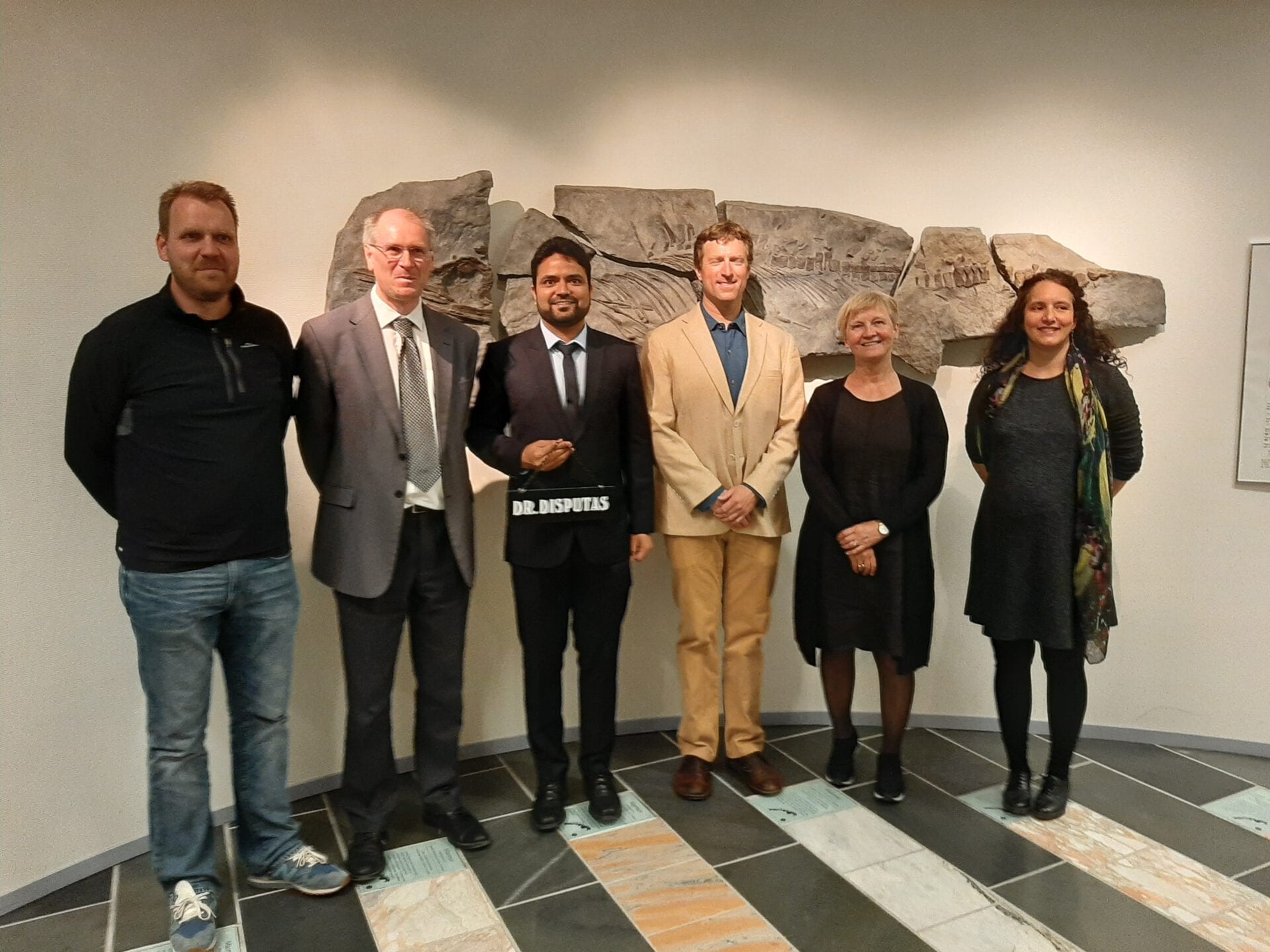
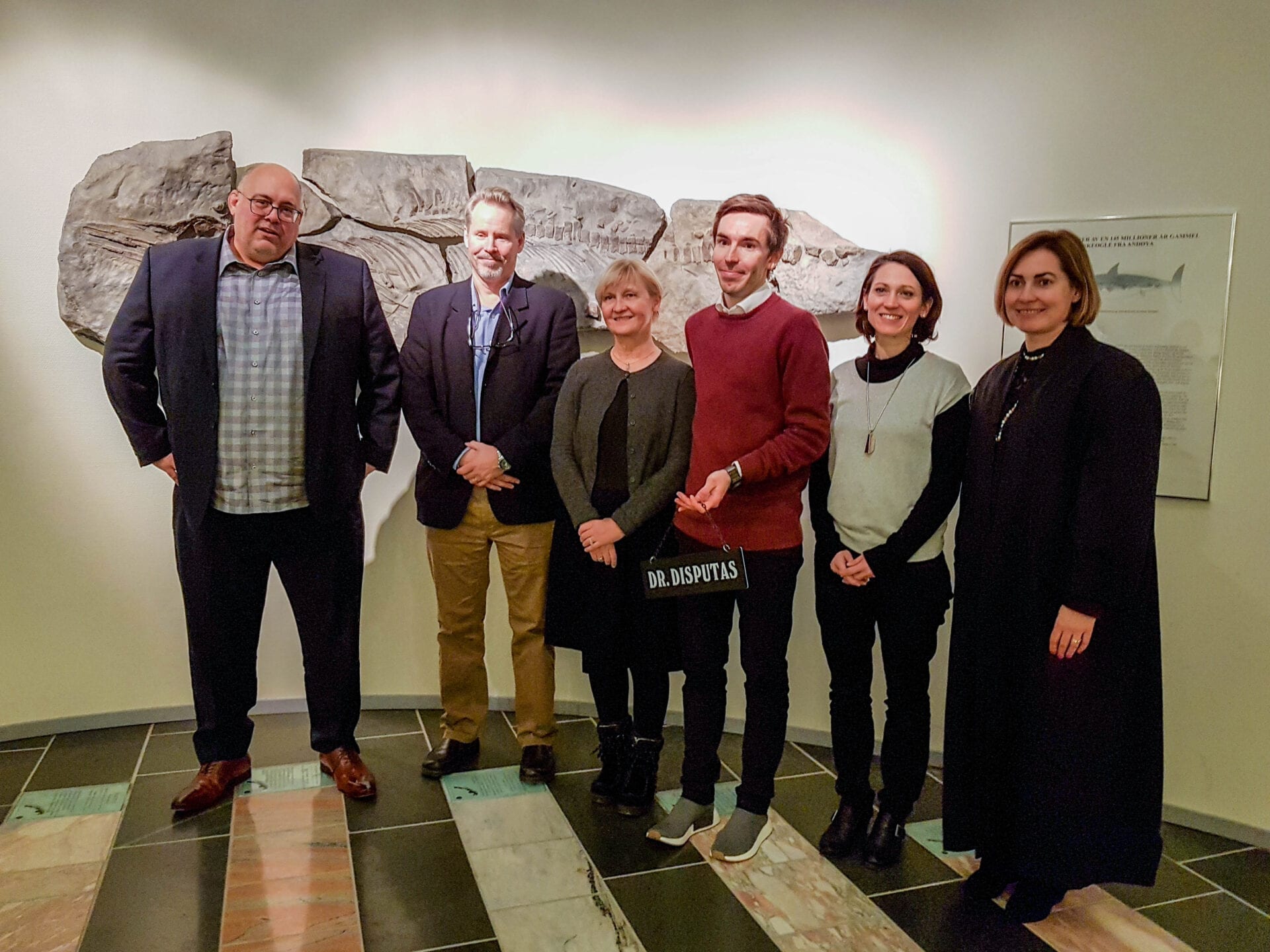
    Left to Right: Professor Dr. Marit-Solveig Seidenkrantz, Researcher Dr. Amando Putra Ersaid Lasabuda, Dr Naima El Bani Altuna, Professor Tine L. Rasmussen, and Researcher Dr. Mohamed Ezat


    To find out more about the findings of this research:

    El bani Altuna, N., Ezat, M. M., Greaves, M., & Rasmussen, T. L. (2021). Millennial-scale changes in bottom water temperature and water mass exchange through the Fram Strait 79°N, 63-13 ka. Paleoceanography and Paleoclimatology, 36, e2020PA004061. https://doi.org/10.1029/2020PA004061

    El bani Altuna, N., Rasmussen, T.L., Ezat, M.M. et al. Deglacial bottom water warming intensified Arctic methane seepage in the NW Barents Sea. Commun Earth Environ 2, 188 (2021). https://doi.org/10.1038/s43247-021-00264-x

  • Haoyi Yao defended thesis online

    Haoyi Yao defended thesis online

    Haoyi Yao defended her thesis in cyberspace, due to strict social distancing restrictions implemented by the Norwegian government to tackle the spread of the coronavirus. Both the trial lecture and the defense went ahead as planned March 26, 2020,  thanks to digital technology.

    Text: Maja Sojtaric

    (more…)

  • Sunny Singhroha defends thesis on distribution and quantification of gas hydrates and free gas on Vestnesa Ridge

    Sunny Singhroha defends thesis on distribution and quantification of gas hydrates and free gas on Vestnesa Ridge

    Gas hydrates are crystalline structures containing large amounts of methane, often located in climate-sensitive polar environments. They are found in large quantities at Vestnesa Ridge on the western Svalbard Margin, a place also characterized by an extensive occurrence of active gas seepage (primarily of methane) from pockmarks on the seafloor. Gas hydrates hold potential as a ‘fuel of the future’ while simultaneously posing a risk as a geohazard and an accelerator of climate change. While we are only beginning to understand them, it is crucial to determine the location and quantities of gas hydrates that are stored in marine sediments.

    This study, conducted by Sunny Signhroha of CAGE, uses various geophysical methods and techniques to detect gas hydrates on the Vestnesa Ridge, including a novel technique that estimates the seismic quality factor Q from broad-bandwidth (20-300 Hz) high-resolution P-Cable 3D seismic data in order to directly detect gas hydrates in marine sediments. Furthermore, the study includes a detailed analysis of P- and S-wave seismic velocities (through travel time and full waveform inversion) as well as an azimuthal velocity analysis using ocean-bottom seismic data. The P- and S-wave velocity models developed in the thesis are used to estimate gas hydrate saturation with the help of the SCA/DEM rock physics model. The combined analysis of these results suggests the occurrence of gas hydrates lying in fractures and faults along the Vestnesa Ridge. The variations in gas hydrate saturation and morphology across these faults indicates a strong structural control of this gas hydrate system.

    Singhroha publicly defended his PhD thesis entitled “Distribution and quantification of gas hydrates and free gas in marine sediments of Vestnesa Ridge, offshore W-Svalbard” on June 18th 2019 at UiT The Arctic University of Norway. This work was funded by the Centre for Arctic Gas Hydrate, Environment, and Climate (CAGE) at UiT.

    To find out more, read the two academic articles based on the findings of this research:

    Gas hydrate and free gas detection using seismic quality factor estimates from high-resolution P-Cable 3D seismic data

    Constraints on Gas Hydrate Distribution and Morphology in Vestnesa Ridge, Western Svalbard Margin, Using Multicomponent Ocean‐Bottom Seismic Data

  • Kate Waghorn defends thesis on the creation of gas hydrate systems of non-biological origin

    Kate Waghorn defends thesis on the creation of gas hydrate systems of non-biological origin

    Faults, tectonic stress, and fluid flow contribute to a unique methane system in an Arctic underwater mountain range

    The Svyatogor Ridge is an underwater site featuring an unusual gas hydrate system located alongside a divergent plate boundary, an area where two tectonic plates move away from each other to allow for new crust development. Most gas hydrate systems are fueled by prehistoric organic matter, but the Svyatogor Ridge gas hydrate system is thought to have originated without such matter. In her PhD thesis, Kate Waghorn investigates how methane with non-biological origins could be generated, integrating the study of tectonics, geology and fluid migration pathways to explore the linkage between deep crustal fluid processes and shallow subsurface gas hydrate systems.

    This study has demonstrated the underlying connection between shallow and deep processes on the Svyatogor Ridge. Information about past tectonic stress regimes, gathered with high-resolution 3D seismic technology, has provided insight into some characteristic anomalies of the gas hydrate system. Geophysical evidence suggests that fluid migrates through faults which reach down to the Earth’s mantle, and it is possible these faults are also sources of non-biological methane production. Accordingly to further geophysical evidence, transform faults (where two tectonic plates slide against one another) as fluid migration pathways may hold a greater importance than previously predicted.

    Kate defended her thesis on June 13th, 2019 at UiT – The Arctic University of Norway. Her PhD was funded by the Centre for Arctic Gas Hydrate, Environment and Climate (CAGE).

  • Calvin Shackleton defends thesis on the reconstruction of past ice sheet drainage and meltwater processes

    Calvin Shackleton defends thesis on the reconstruction of past ice sheet drainage and meltwater processes

    Changes in global climate and ocean temperatures have caused melting and subsequent thinning of the world’s ice sheets, as well as an increased rate of ice-mass loss to the oceans. Understanding the processes occurring beneath modern ice sheets is essential in determining how they are likely to respond to future climatic changes.

    Calvin Shackleton uses glacial landforms in his PhD study to reconstruct past meltwater processes beneath the ice sheets that once covered the Barents Sea and Fennoscandia, and relies on computer-simulated ice sheets to recreate their meltwater drainage patterns. Ice flowing towards the ocean margins of ice sheets is controlled in part by the meltwater at their base, which fluctuates between high and low pressure with significant impacts on ice flow speed. Meltwater processes from a wide range of regions and time frames are studied, from drainage patterns spanning an entire glacial period, to more focused studies of meltwater and its impact on the dynamics of the ice sheet interior and margins.

    Reconstructions of glacial landforms reveal iceberg creation amongst vast quantities of meltwater at a retreating ice margin to the south of Svalbard. In the central Barents Sea, other reconstructions show highly dynamic drainage systems that operated throughout the growth and decay of the former ice sheet. Meltwater drainage modelling over the entire region predicts potential locations for water storage within subglacial lakes, while reconstructing vast drainage systems beneath past ice sheets, providing insights into the potential drainage configurations beneath present-day Antarctica and Greenland.

    Shackleton defended his thesis on June 11th, 2019 at the Department of Geosciences, UiT The Arctic University of Norway. His PhD was funded by the Centre for Arctic Gas Hydrate, Environment, and Climate (CAGE).

  • Malin Waage defends thesis on methane indicators in 3D and 4D seismic data

    Malin Waage defends thesis on methane indicators in 3D and 4D seismic data

    Methane gas and methane ice (methane hydrates) are common on continental shelves worldwide. In Malin Waage`s PhD thesis entitled “3D and 4D seismic investigations of fluid flow and gas hydrate systems – at sites across the Barents Sea and NW Svalbard margin,” she investigates the sources and mechanisms leading to methane flow beneath the seabed and its release into the water.

    The sediments and sedimentary rocks of the Barents Sea are examined using high-resolution 3D seismic data. The seismic system provides promising results for detailed investigations of the dynamic nature of natural methane release sites. Moreover, the work involves introducing and testing a new method for monitoring methane migration below the seafloor – 4D seismic imaging. The method is based on acquiring identical 3D seismic data sets, repeated over time-span of 1-2 years.

    The study shows that the two methane release locations lie over shallow petroleum reservoirs. Tectonic faults assist in methane migration from the deep, connecting these reservoirs to the seabed. Some of this methane was previously trapped as gas hydrates that melted some 20,000 – 15,000 years ago under past climate change, and is now making it past the seafloor and into the water.

    Waage defended her thesis on February 18th, 2019 at UiT The Arctic University of Norway. Her PhD was funded by VISTA – a basic research collaboration between Equinor and the Academy of Science and Letters and supported by the Centre for Arctic Gas Hydrate, Environment, and Climate (CAGE).

    To find out more, read the two academic articles written based on the findings of this research; links found below.

    Repeatability of high-resolution 3D seismic data

    Geological Controls on Fluid Flow and Gas Hydrate Pingo Development on the Barents Sea Margin

  • Pavel Serov Defends Thesis on Methane Gas Release at the End of the Last Ice Age

    Pavel Serov Defends Thesis on Methane Gas Release at the End of the Last Ice Age

    Large areas of the Earth’s surface are blanketed in water in solid form, creating a widespread and dynamic Earth coating called the cryosphere. The cryosphere seals enormous amounts of carbon under the ice. If this carbon escapes into the atmosphere, it has the potential to dramatically affect global climate systems. In his PhD thesis entitled ‘Cryosphere-controlled methane release throughout the last glacial cycle’, Pavel Serov investigates how the expansion and retraction of the cryosphere in the Barents Sea and the South Kara Sea over the last 35,000 years has affected the release of methane gas from beneath the ice.

    This study has determined that the South Kara Sea shelf was affected by warming temperatures, releasing large amounts of methane gas from the permafrost and from unique ice-like structures called methane hydrates. Due to various natural phenomena that occurred some 20,000 years ago, the Barents Sea Shelf also accumulated unusually large numbers of these methane hydrates, containing high amounts of methane gas distributed over a large area. When released, the methane escaped quite violently, creating various types of craters and mounds in the seabed. Such studies may be crucial in understanding the potential effects and magnitude of future methane release due to the ongoing retreat of the cryosphere in Greenland and Antarctica.

    Serov successfully defended his thesis on December 4th, 2018 at UiT The Arctic University of Norway, which was funded by the Centre for Arctic Gas Hydrate, Environment, and Climate (CAGE).

  • Kärt Paiste defends thesis on environmental changes after the Great Oxygenation Event

    Kärt Paiste defends thesis on environmental changes after the Great Oxygenation Event

    Earth’s capacity to sustain complex life is the most paramount feature that distinguishes it from all other planets. This is largely attributed to the high oxygen content of the Earth’s atmosphere, which began to grow after the onset of what is known as the Great Oxygenation Event (GOE). But what happened to the environment after the GOE is a subject of much debate among scientists, and is the topic that Kärt Paiste’s thesis entitled “Reconstructing the Paleoproterozoic sulfur cycle: Insights from the multiple sulfur isotope record of the Zaonega Formation, Karelia, Russia” has set out to investigate.

    The study assess the microbial communities and sulfur cycle as recorded in the fossilized sediments of the ~2.0 Ga Zaonega Formation in the lake Onega area in Russian Karelia. This area is considered one of the best archives of Paleoproterozoic rock, allowing researchers to decipher environmental conditions after the GOE. The results of the study indicate a restructuring of the microbial community as a response to ongoing changes in local environmental conditions and modern type sulfur cycling at ~2.0 Ga.

    Paiste successfully defended her thesis on November 8th, 2018 at UiT The Arctic University of Norway, which was funded by the centre for Arctic Gas Hydrate, Environment, and Climate (CAGE). She had previously received both her Bachelor’s and Master’s degrees in geology from the University of Tartu in Estonia.

  • Pär Jansson defends thesis on methane release in the water column

    Pär Jansson defends thesis on methane release in the water column

    Congratulations to Dr. Jansson who recently defended his thesis “Methane bubbles in the Arctic Ocean – Quantification, variability analysis and modelling of free and dissolved methane from the seafloor to the atmosphere.”

    Methane is a powerful greenhouse gas leaking from the seafloor at continental margins, and some researchers are concerned that its release into the atmosphere may amplify the greenhouse effect. But what are some of the factors controlling methane release, and what actually happens to the methane when it reaches the water column? These are some of the topics that Pär Jansson’s doctoral thesis has sought to investigate.

    The study quantifies methane gas bubbles released from the seafloor offshore western Svalbard, and suggests that the intensity at which methane is released depends on transient gas pathways, while concentrations depend on both seepage variation and dispersion patterns.  A process-based model shows that bubble size is the most important factor in vertical methane distribution.

    The thesis presents new methods for understanding the dynamics of bubble-mediated methane, emanating from the seafloor in the Arctic Ocean. It also highlights the importance of efficient survey methods, knowledge of oceanographic conditions, and the need for sophisticated instrumentation and modelling tools in such detailed work.

  • Eythor Gudlaugsson defends PhD in glaciology

    Eythor Gudlaugsson defends PhD in glaciology

    Congratulations to Dr. Gudlaugsson who recently defended his thesis “Modelling subglacial hydrology of the former Barents Sea Ice Sheet”. 

    Text: Maja Sojtaric

    (more…)

  • Aleksey Portnov defends thesis on permafrost

    Aleksey Portnov defends thesis on permafrost

    Congratulations to Dr. Portnov who recently defended his thesis Role of subsea permafrost and gas hydrate in postglacial Arctic methane releases.

    Text: Maja Sojtaric

    (more…)