Category: Photo

  • CAGE Final Gathering February 2023

    CAGE Final Gathering February 2023

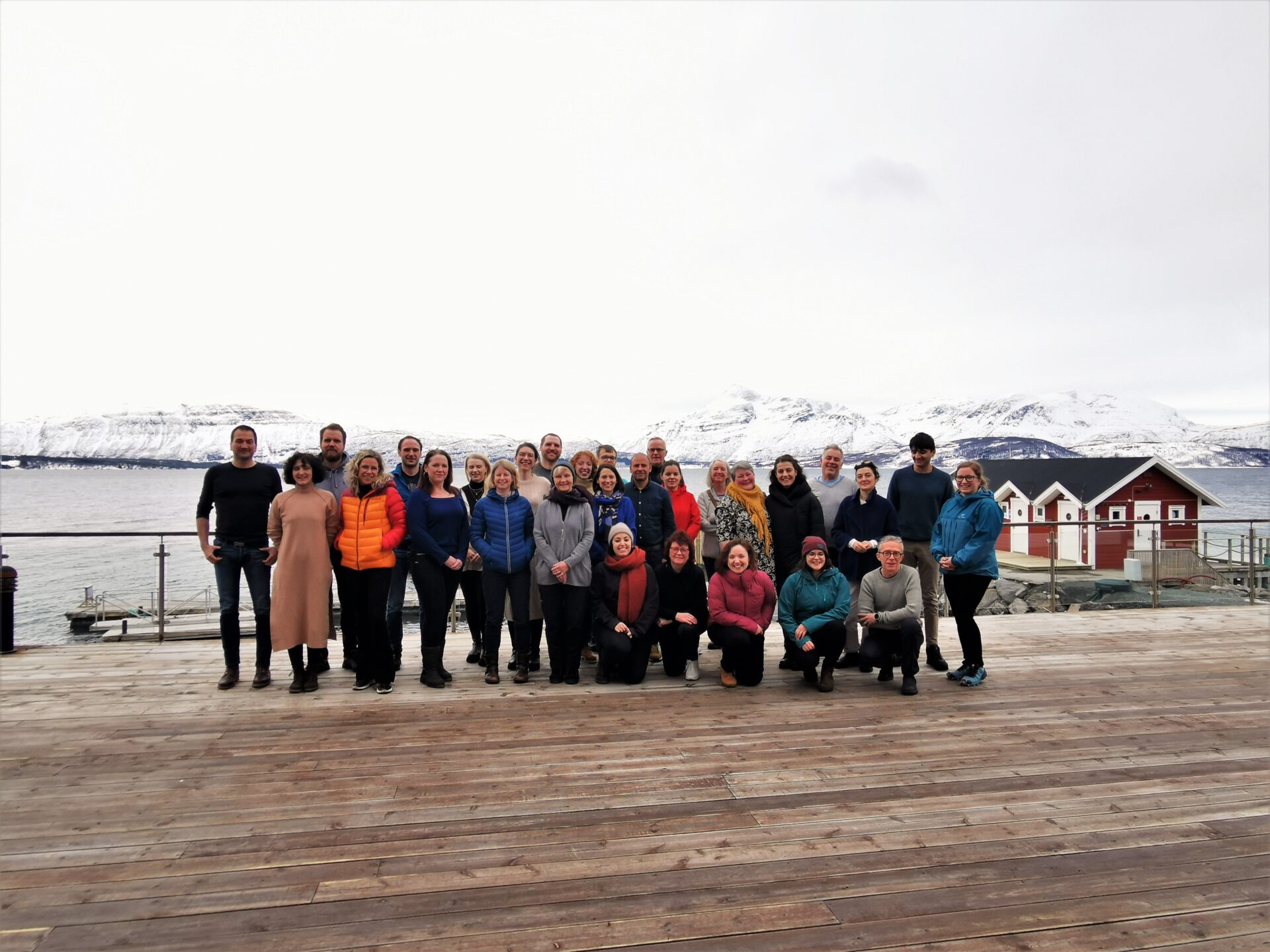
    Thank you to all of the CAGE and Department of Geosciences UiT  staff who joined us at Malangen Resort in February 2023 for the CAGE Final Gathering.

    This event was organized to mark the end of CAGE and to thank all those who have supported and contributed to the success of CAGE over this past decade.

    (more…)

  • Radiograph of a bivalve

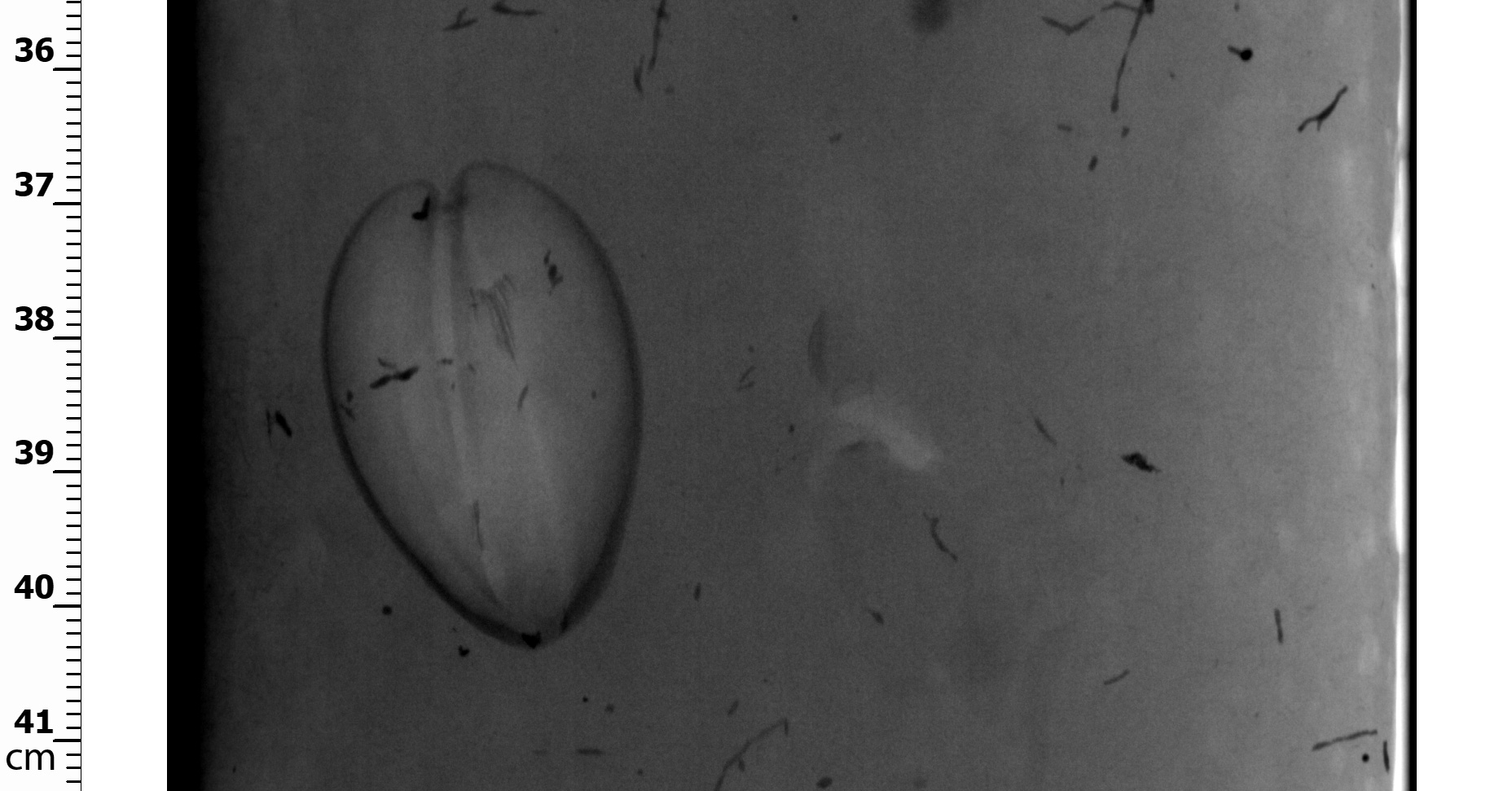
    Radiograph of a bivalve

    Novembers photo of the month picture has been submitted by CAGE & AKMA Post Doctoral Fellow Claudio Argentino.

    X-ray scans (radiographs) of sediment cores are used to identify structures and lithological units. Although it is not uncommon to observe broken fossil shells in sediment cores, it is quite rare to visualize intact specimens! Further analysis will reveal the identity of this bivalve and whether its origin is linked to methane seepage.

  • A cautious return to the sea-ice.

    A cautious return to the sea-ice.

    Henry Patton (left), Anna Silyakova and Christine Lockwood-Ireland make their way back to the ice pack in the Greenland Sea.  Anna Silyakova was collecting ice cores from the sea ice to investigate methane-associated processes within, when the group was interrupted by a passing polar bear. They had to quickly abandon station and return to the safety of the research vessel Kronprins Haakon.

    Methane is a greenhouse gas, and as it rises through the water column it gets captured within the sea-ice structure during ice formation. Although ice typically behaves as a barrier for gases to go through, sea-ice is often permeable and a great mediator of gas exchange in polar regions. Being porous, sea-ice provides paths for gases like methane to pass from the ocean surface to the atmosphere where it can make an impact on climate. So, after a polar bear break the scientists returned to the ice pack, albeit cautiously, and collected more samples.
  • September- October: Spinning foraminifera

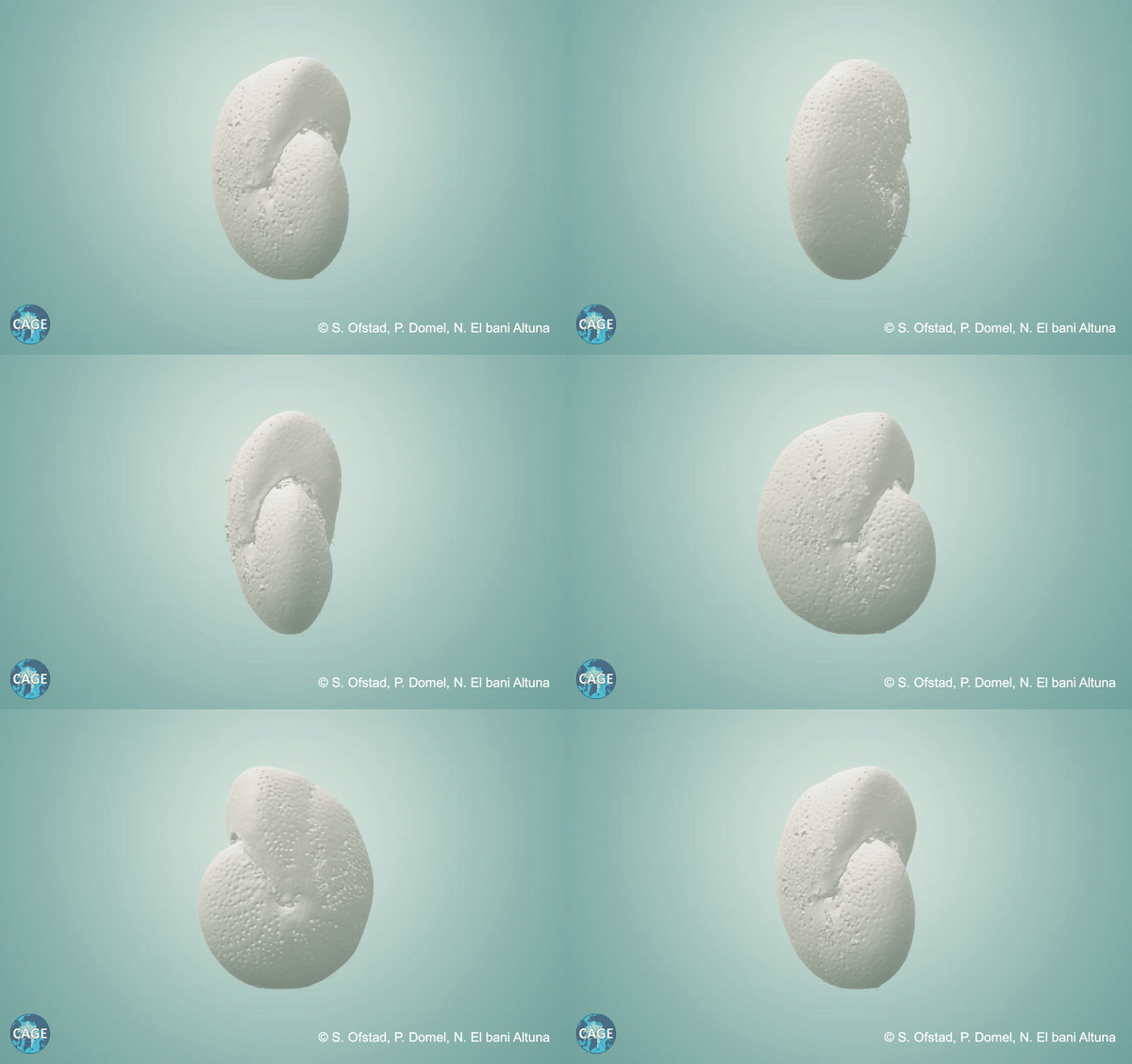
    September- October: Spinning foraminifera

    Foraminifera are organisms smaller than the tip of a sewing needle. They build a calcium carbonate shell during their lifetime. They live in the seafloor – benthic foraminifera – or “floating” near the ocean surface – planktic foraminifera. When they build their shells, forams use the chemical elements of the waters they live in. That is why their shell’s store information of the seawater at the time they lived. This makes foraminifera very useful to study.

  • May-June

    May-June

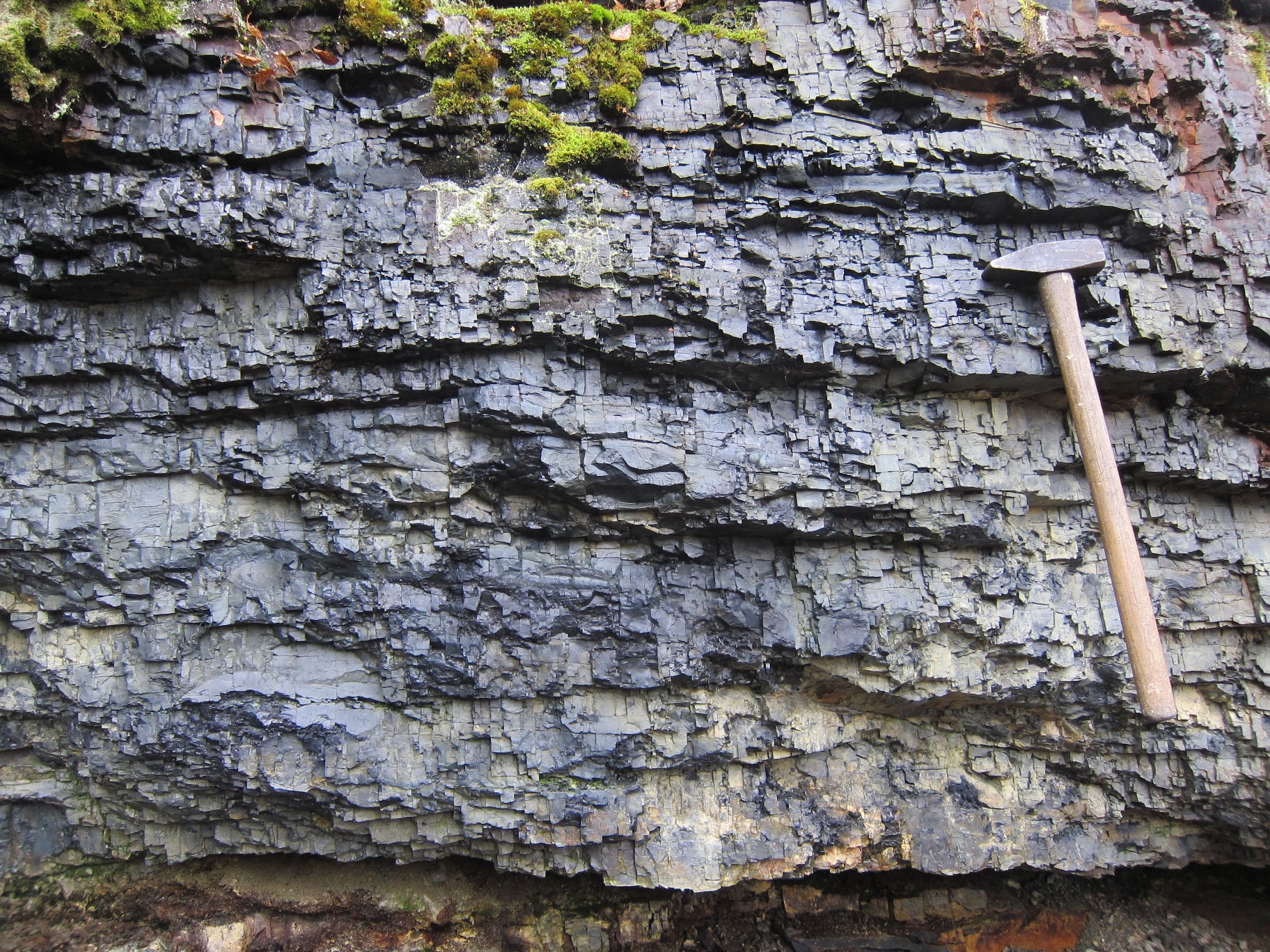
    This is shungite, a unique carbon-rich sedimentary rock from Russia that deposited 2 billion years ago. It holds clues about oxygen concentrations on Earth’s surface at that time. According to a new study in Nature Geoscience, with participation from CAGE,  there were elevated levels of oxygen at the time when the shungite was deposited.

    This contradicts the widely-accepted models of Earth’s carbon and oxygen cycles, which predict that shungite should have been deposited at a time of rapid decrease in oxygen levels.

    Why is this important?: “These new findings are also crucial for understanding the evolution of complex life.” according to this article in Eurekalert.org. 

    Geology. Pretty awesome.

    Photo: Aivo Lepland, NGU/CAGE.

  • March-April

    March-April

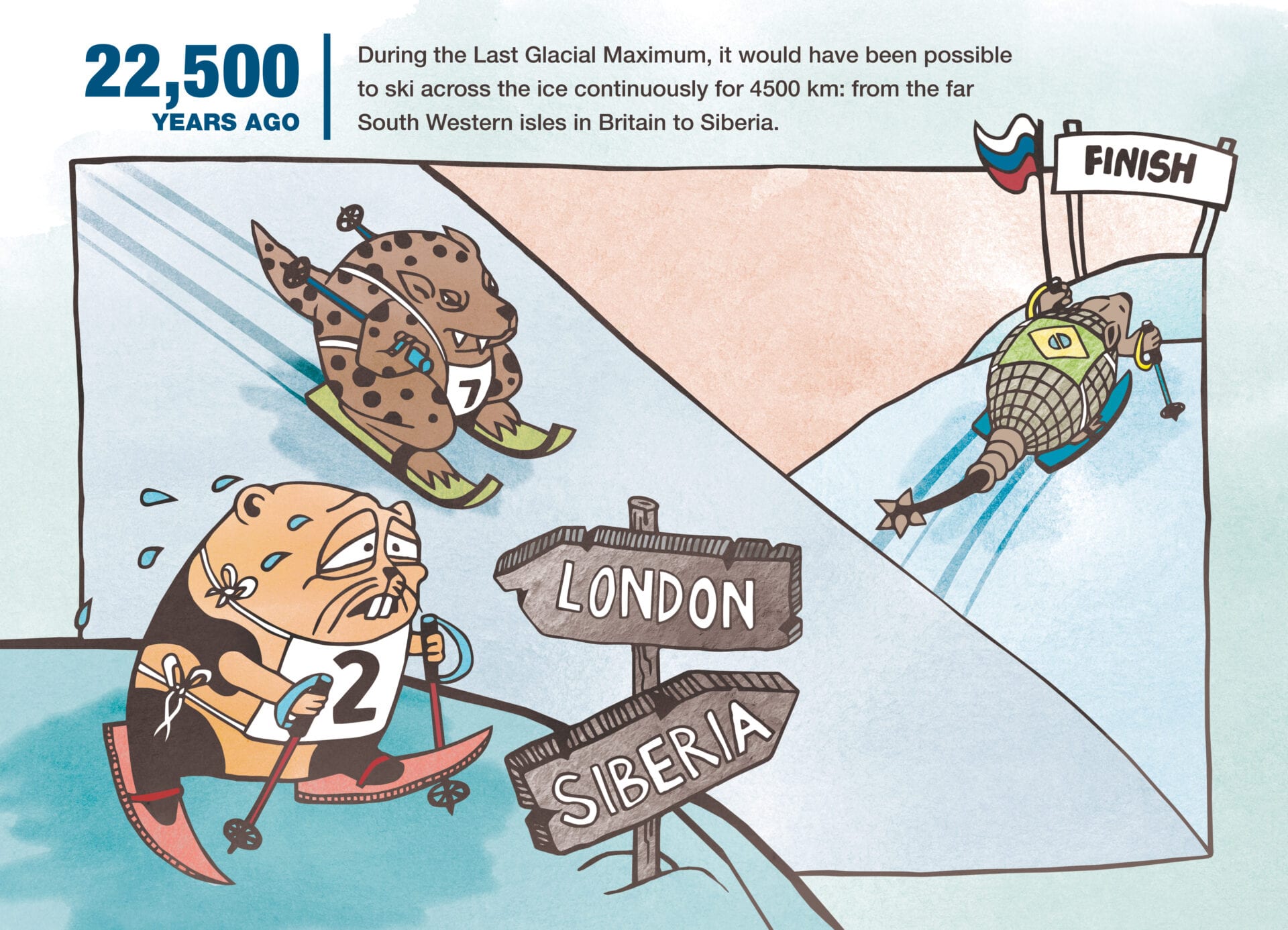
    Are you a teacher or a parent looking for educational resources during the coronavirus lockdown? Check out icemap.no

    A giant ice sheet covered northern Europe during prehistoric times. In the Icemap story, we show you how this powerful mass of ice dramatically transformed Europe at a time when humans first came to populate the continent.

    Interact with the ice age simulation, follow how the ice sheet grew and melted, and see how it affected our buddy Lenny Lemming* as he travels through thousands of years of climate change.

  • January

    January

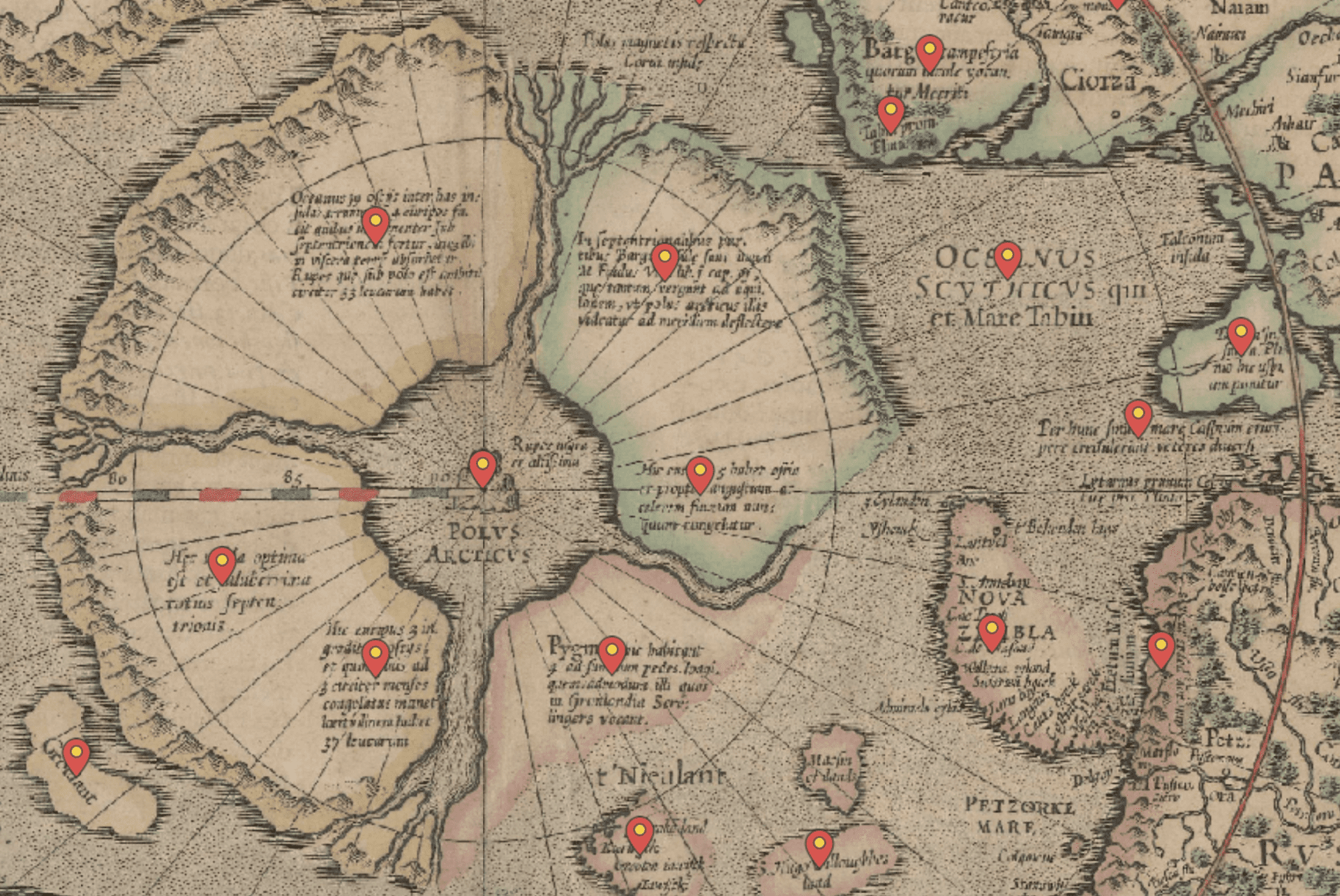
    Our scientists have many talents besides research. Henry Patton, for instance, has a talent for maps. He has created an interactive journey through  the first ever map of the Arctic Ocean and the circumpolar area, made by Gerard Mercator in 1595. Patton’s take on the map is an interesting collection of past myths and contemporary knowledge. It is overlain on top of the current map of the Arctic Ocean, providing an interesting perspective on history of science.

    Check out the interactive map here: Mercator´s 1595 view of the Arctic

  • December

    December

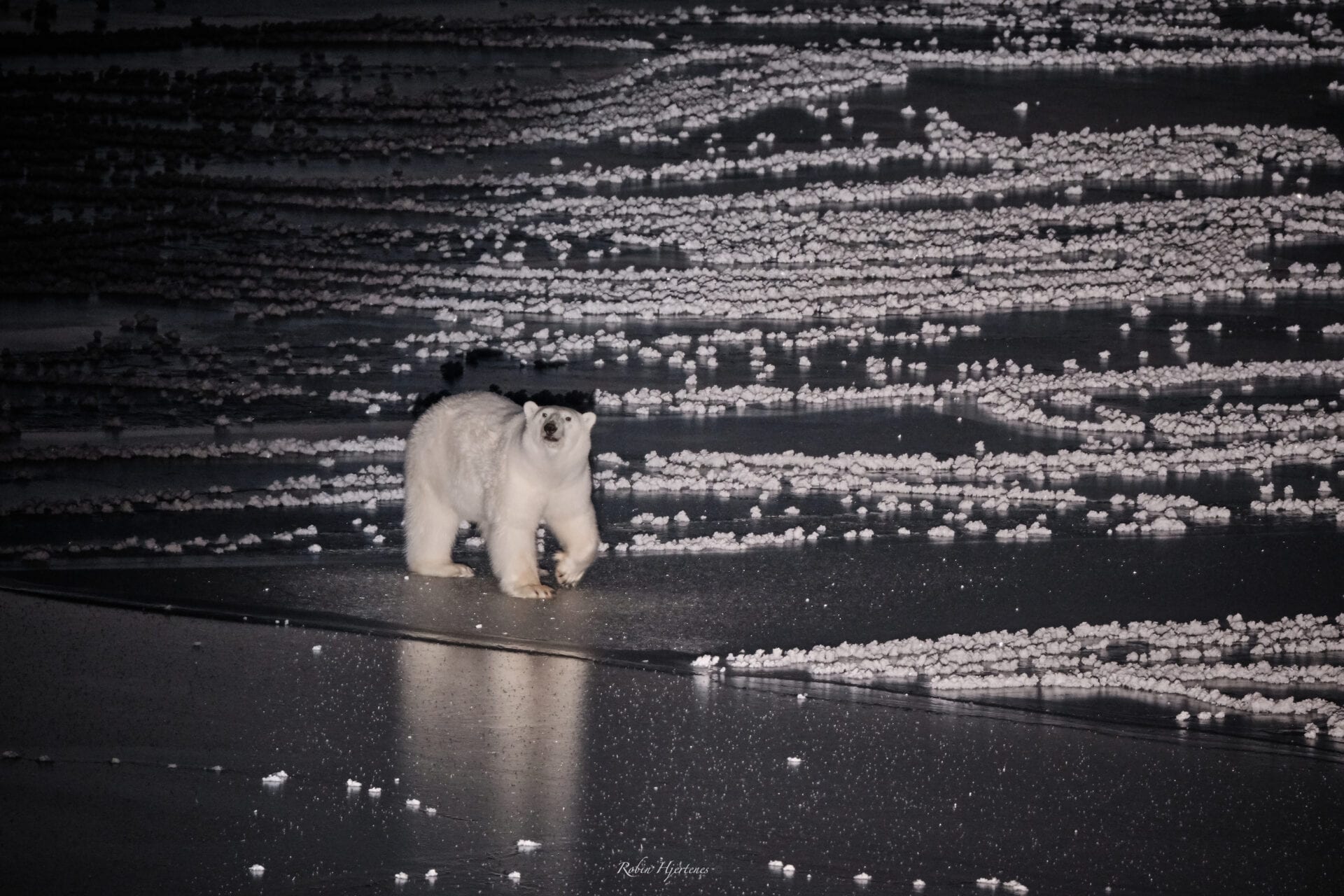
    A polar bear, standing on top of the frozen ocean, looks curiously at the Research Vessel Kronprins Haakon. Ice covered Arctic Ocean is the natural habitat for the polar bear, a beautiful but also very dangerous animal. Scientist must take great care not to interfere with the polar bears, they are best viewed from the safety of the ship. Photo: Robin Hjertenes

  • November

    November

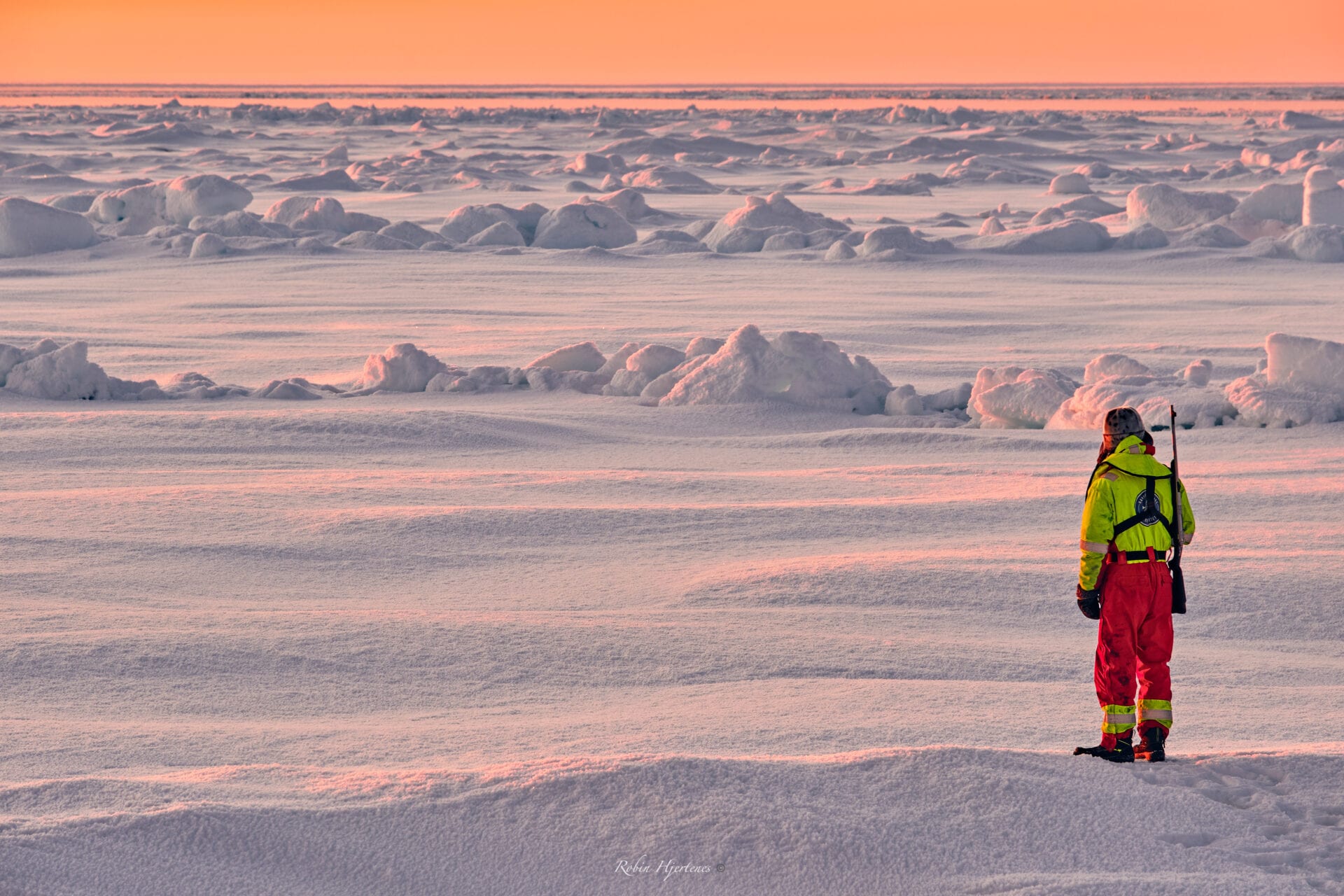
    A team member of the HACON expedition to the High Arctic standing polar bear watch on the sea ice, bidding fare well to the sun.

    (more…)

  • October

    October

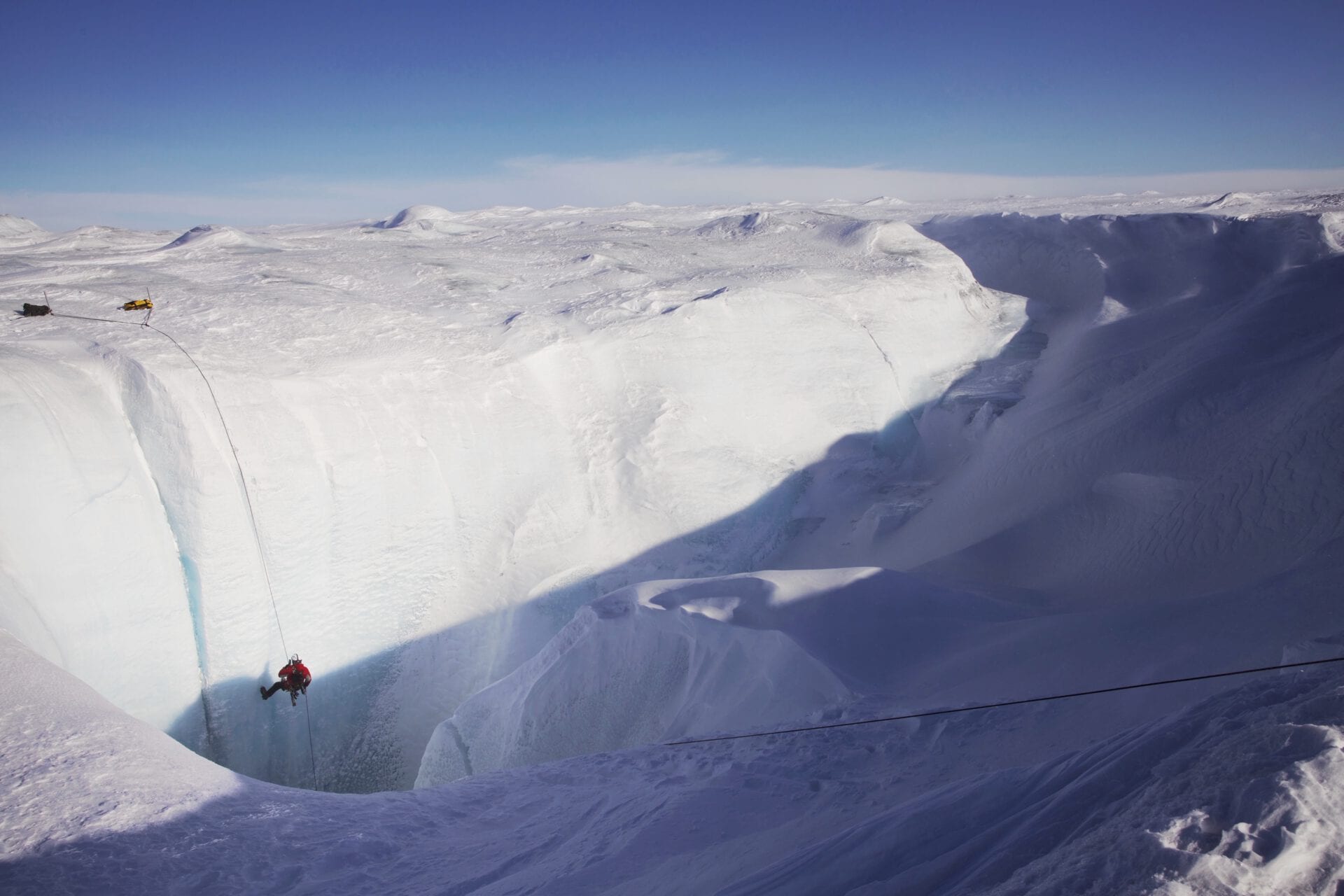
    CAGE professor Alun Lloyd Hubbard ascending out of the deepest moulin ever recorded (with a single 175 m vertical drop).

    (more…)

  • September

    September

    Methane-derived carbonate crusts that form at cold seeps are unique archives of past methane emissions. Seepage histories are recorded in the carbonate minerals that sometimes form unexpected visuals such as in the Scream fabric seen here.

    (more…)

  • August

    August

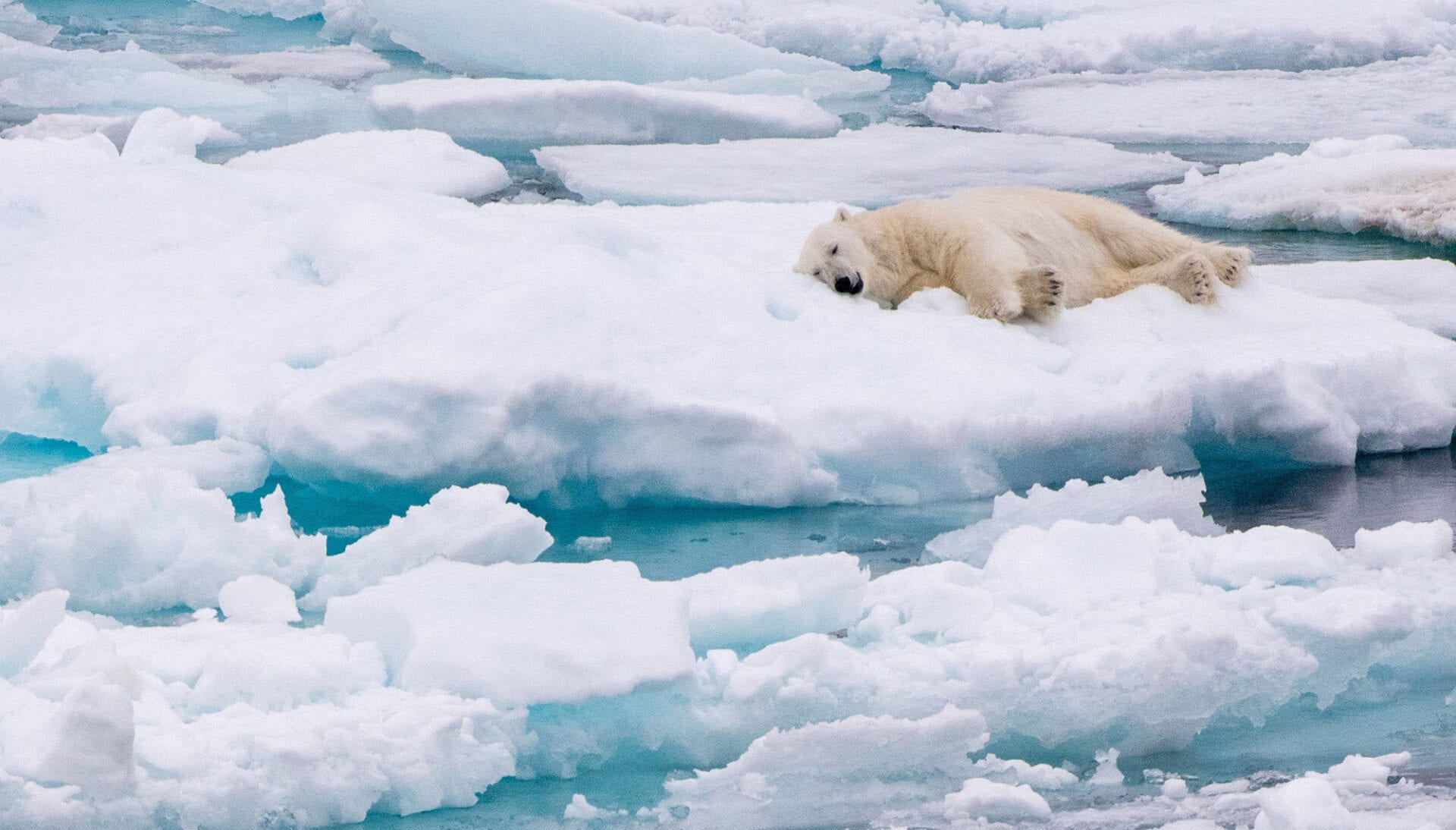
    August’s photo of the month has been submitted by UiT & CAGE graphic designer/photographer Torger Grytå of Tromsø. It shows a well-fed polar bear resting on a piece of floating ice as he digests his latest meal of fresh seal.

    (more…)

  • July

    July

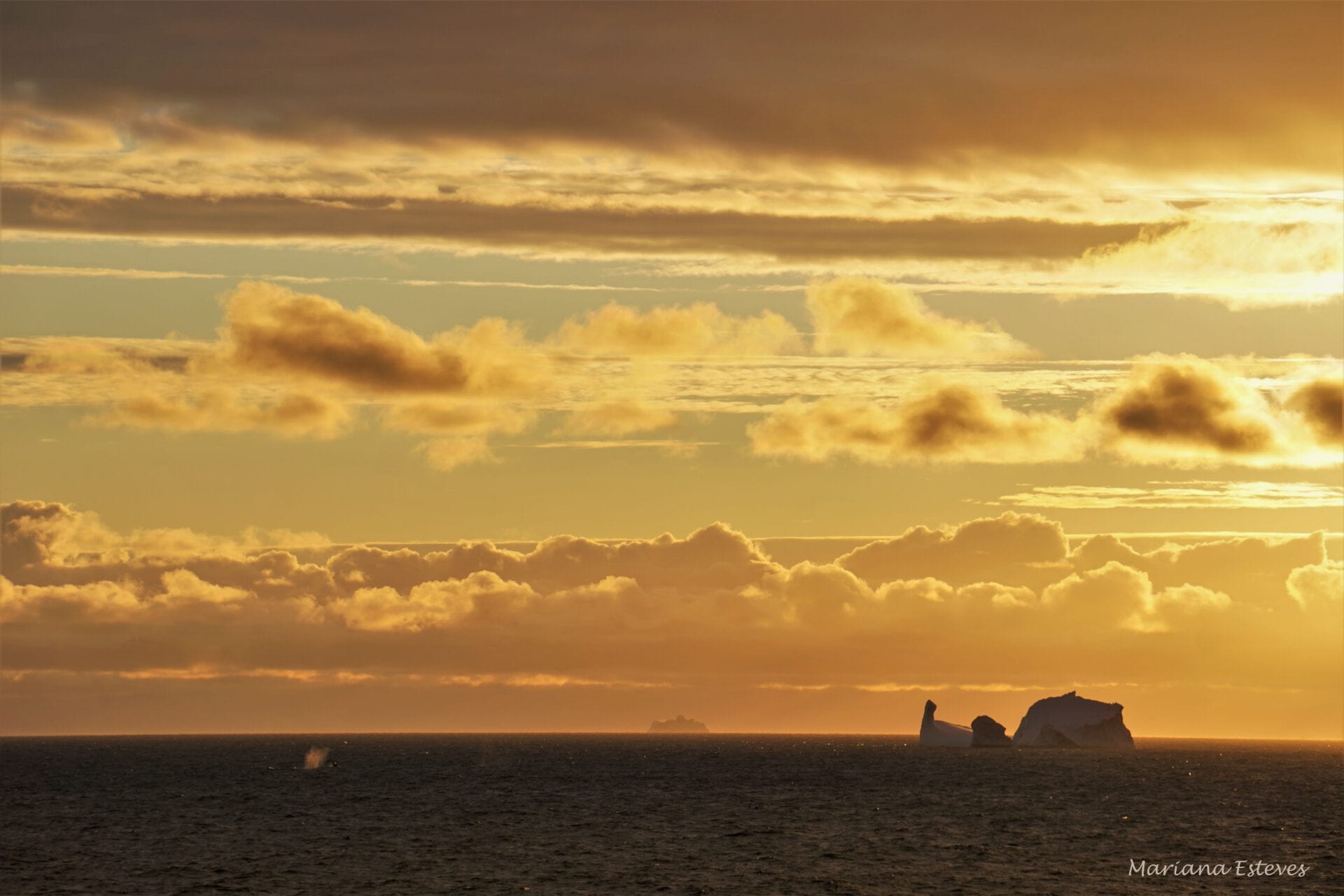
    July’s photo of the month has been submitted by CAGE early career researcher Mariana da Silveira Ramos Esteves of the UK, taken approximately 200 km off the Amundsen Sea while participating in IODP Expedition 379 in winter/spring 2019.

    (more…)

  • June

    June

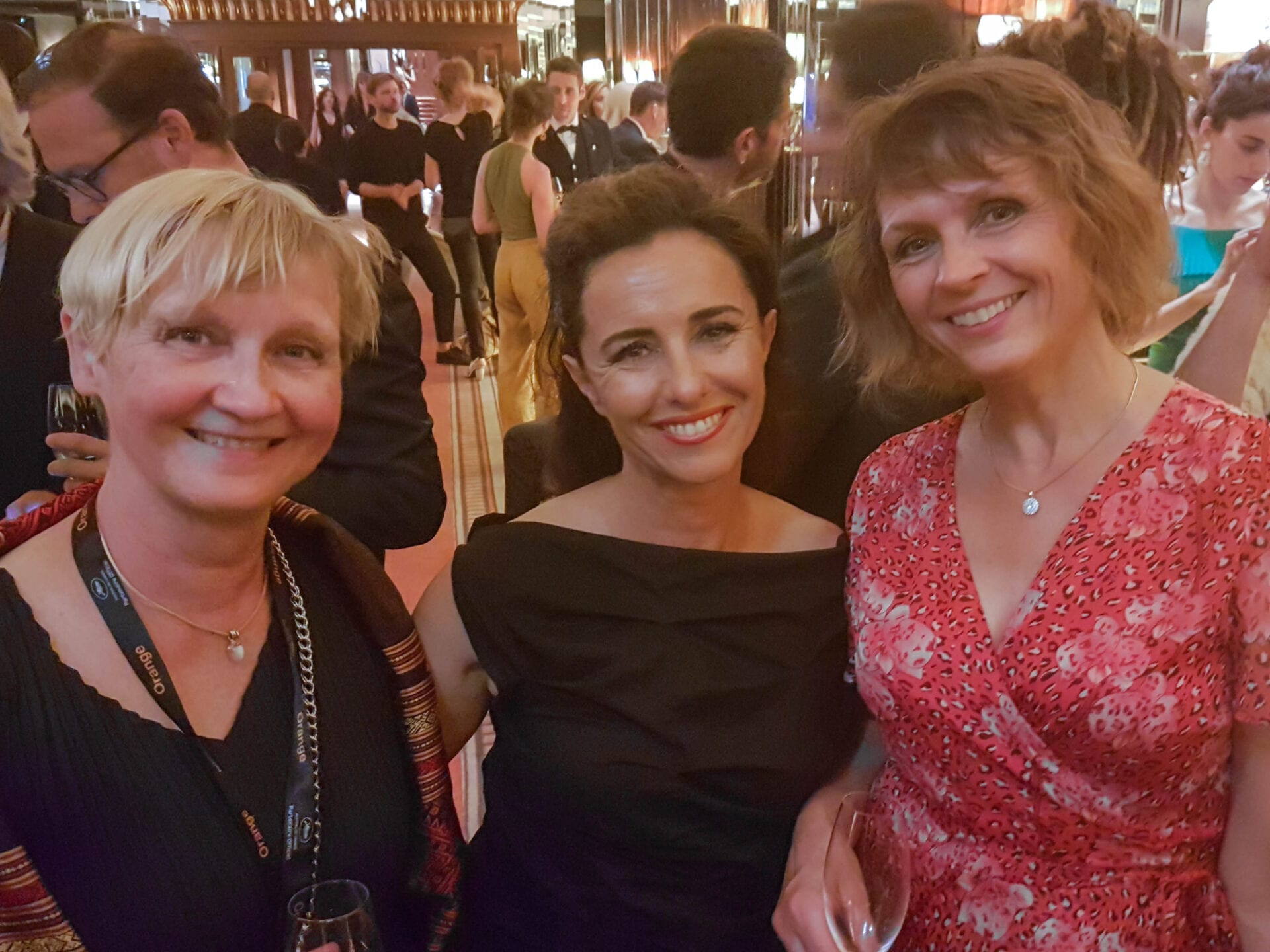
    CAGE was in attendance at the May 22nd 2019 Cannes Film Festival screening of ICE ON FIRE, the new climate change documentary produced and narrated by Leonardo DiCaprio and directed by Leila Conners of Tree Media.

    (more…)

  • May

    May

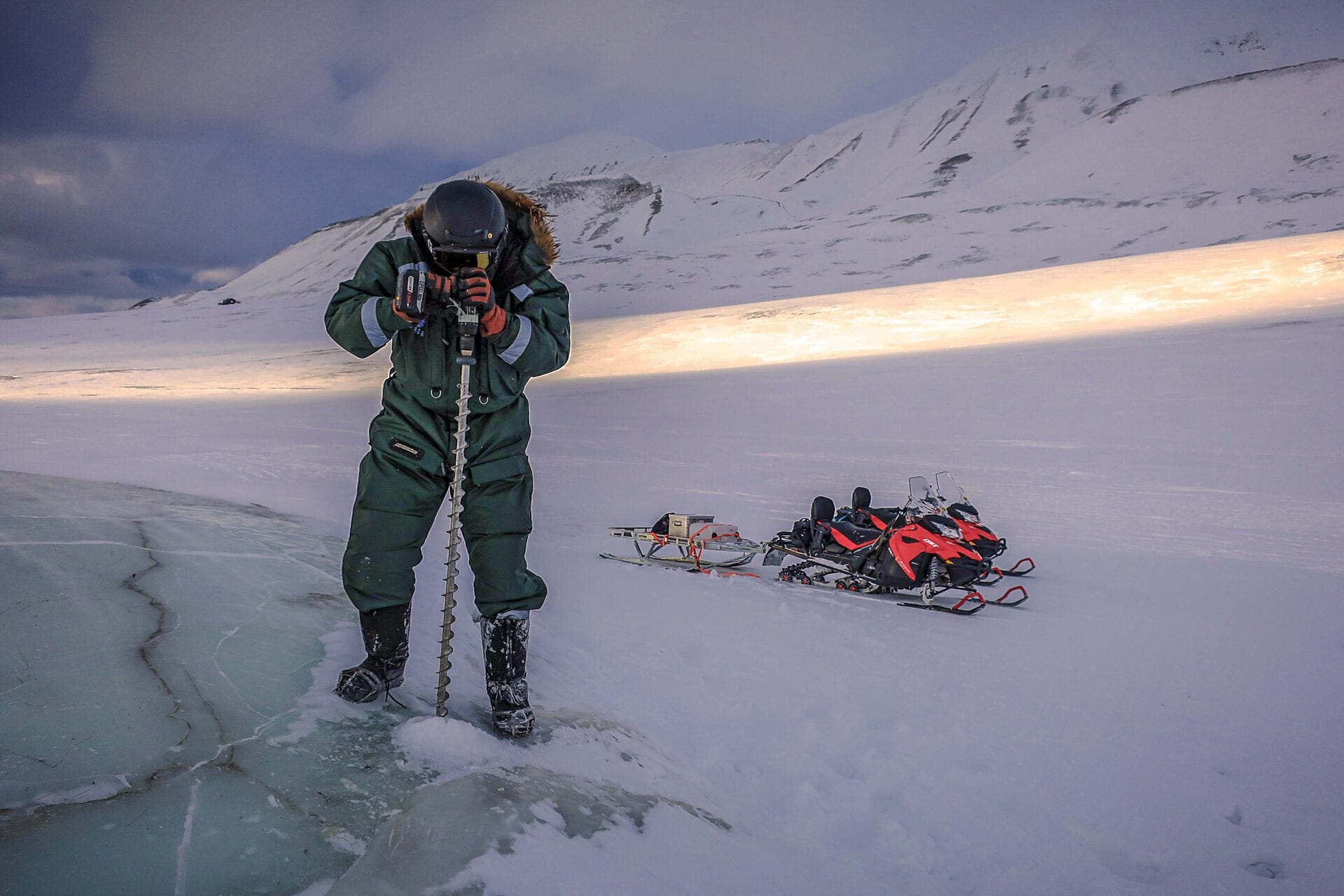
    Alexander Tveit was drilling the ice cap on top of an open pingo system in Adventdalen (Svalbard) to collect water samples for microbiological and chemical analyses.

    Photo Credit: Dimitri Kalenitchenko

  • March

    March

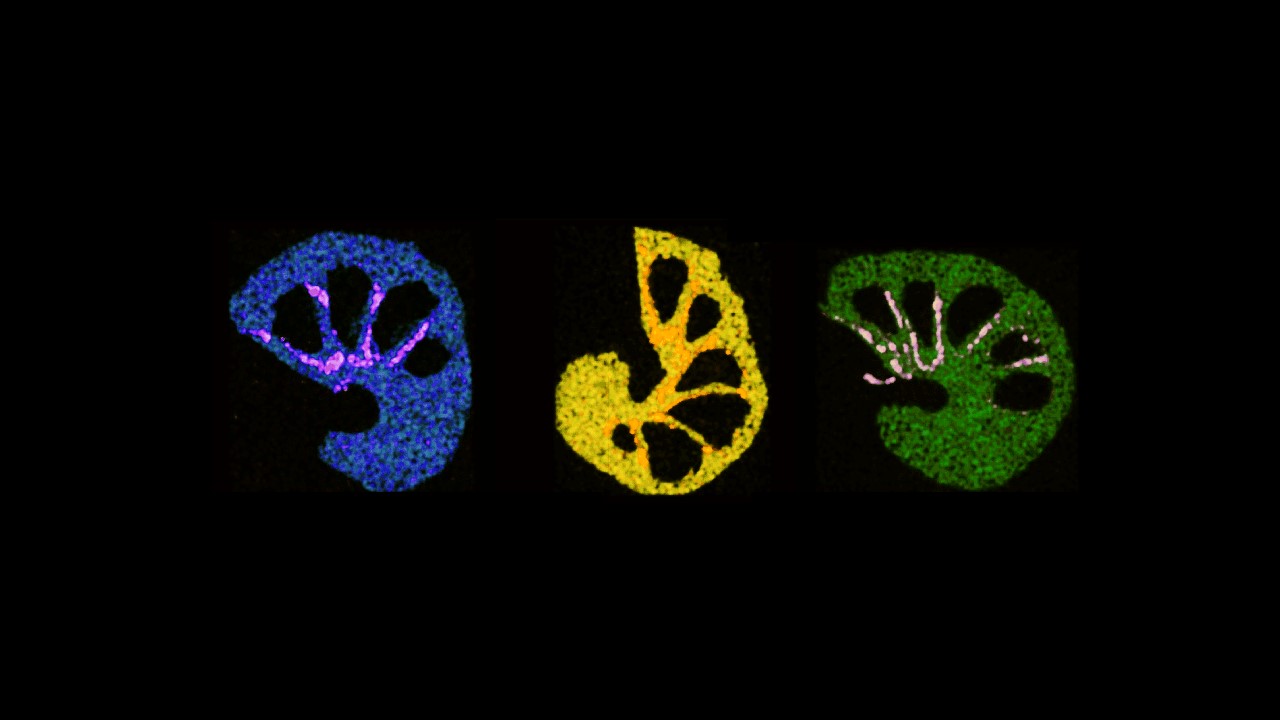
    Melonis barleeanus’ test internal structure (scale bar = 20 microns). The calcareous wall (in blue, yellow, and green) of this species is characterized by the presence of silicate grains (in violet, red, and pink), which compositional analysis revealed to be quartz and feldspars. (more…)

  • February

    February

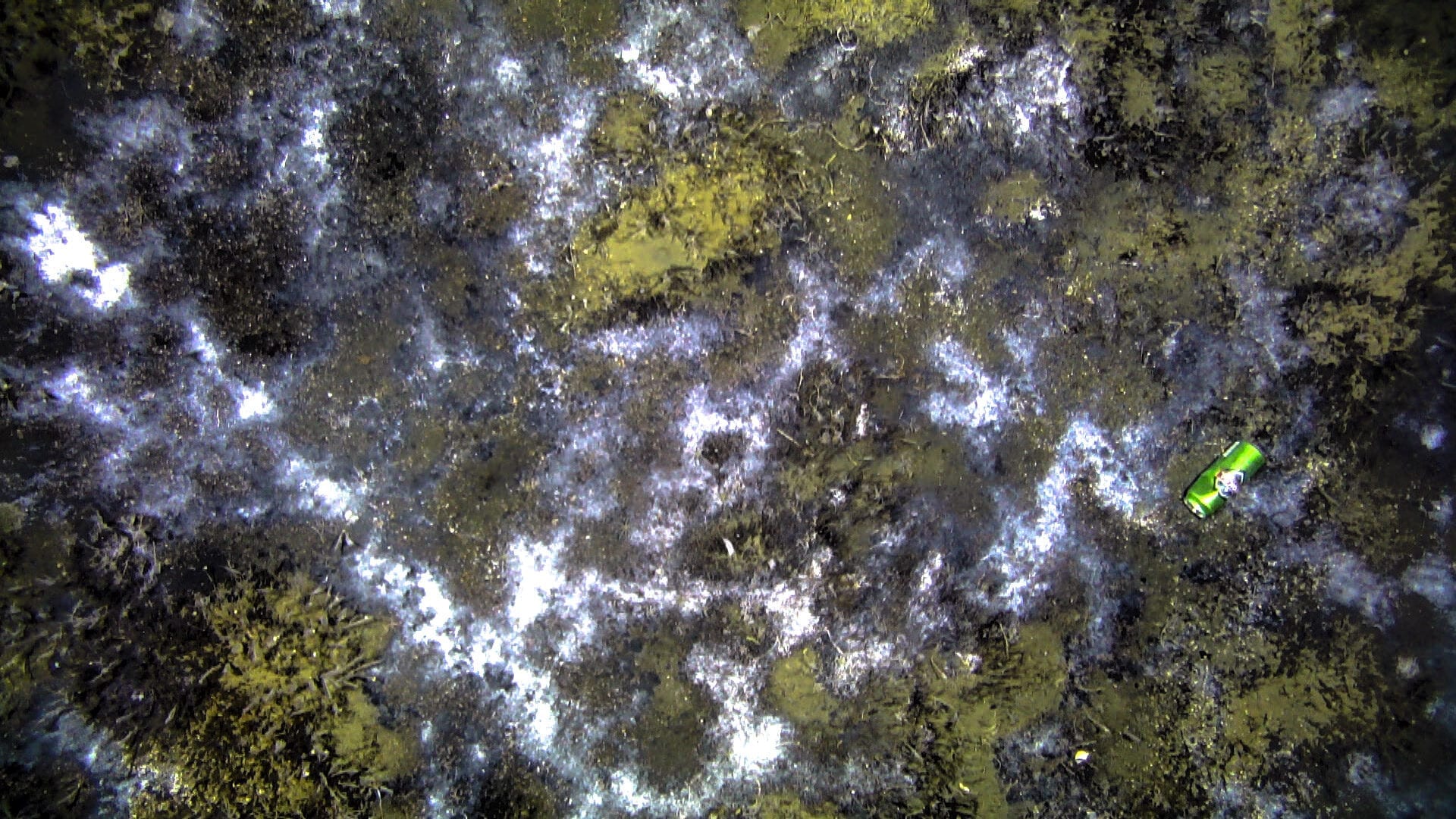
    Chemosynthesis based community at a newly discovered seep site off the Lofoten islands or northern Norway. The bluish-white patches are mats of chemoautotrophic microbes. (more…)