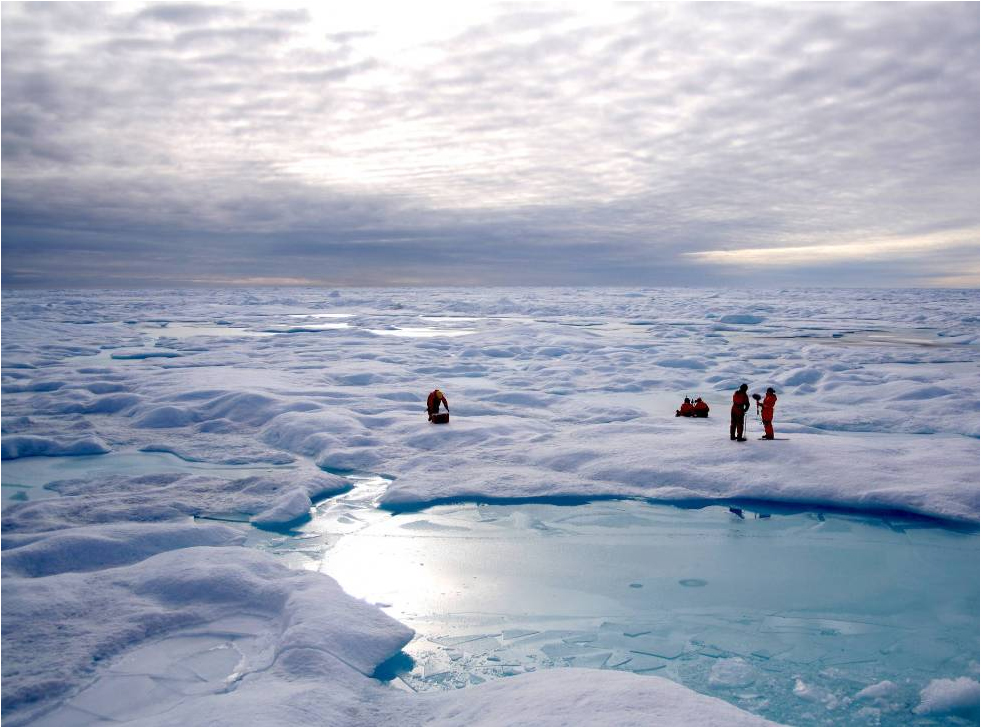
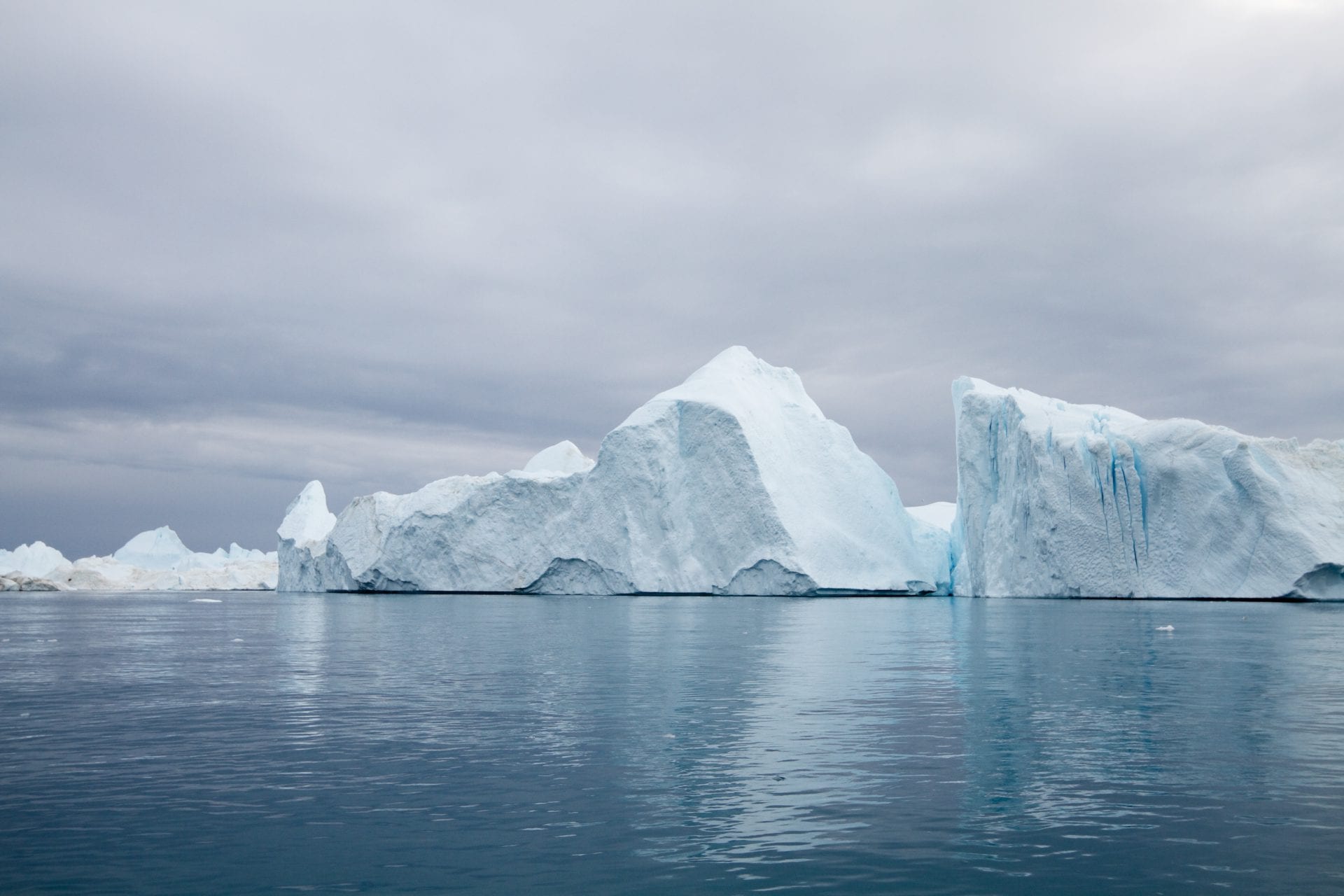
“We have not seen an ice free period in the Arctic Ocean for 2,6 million years. However, we may see it in our lifetime.” says marine geologist Jochen Knies. In an international collaborative project, Knies has studied the historic emergence of the ice in the Arctic Ocean. The results are published in Nature Communications.
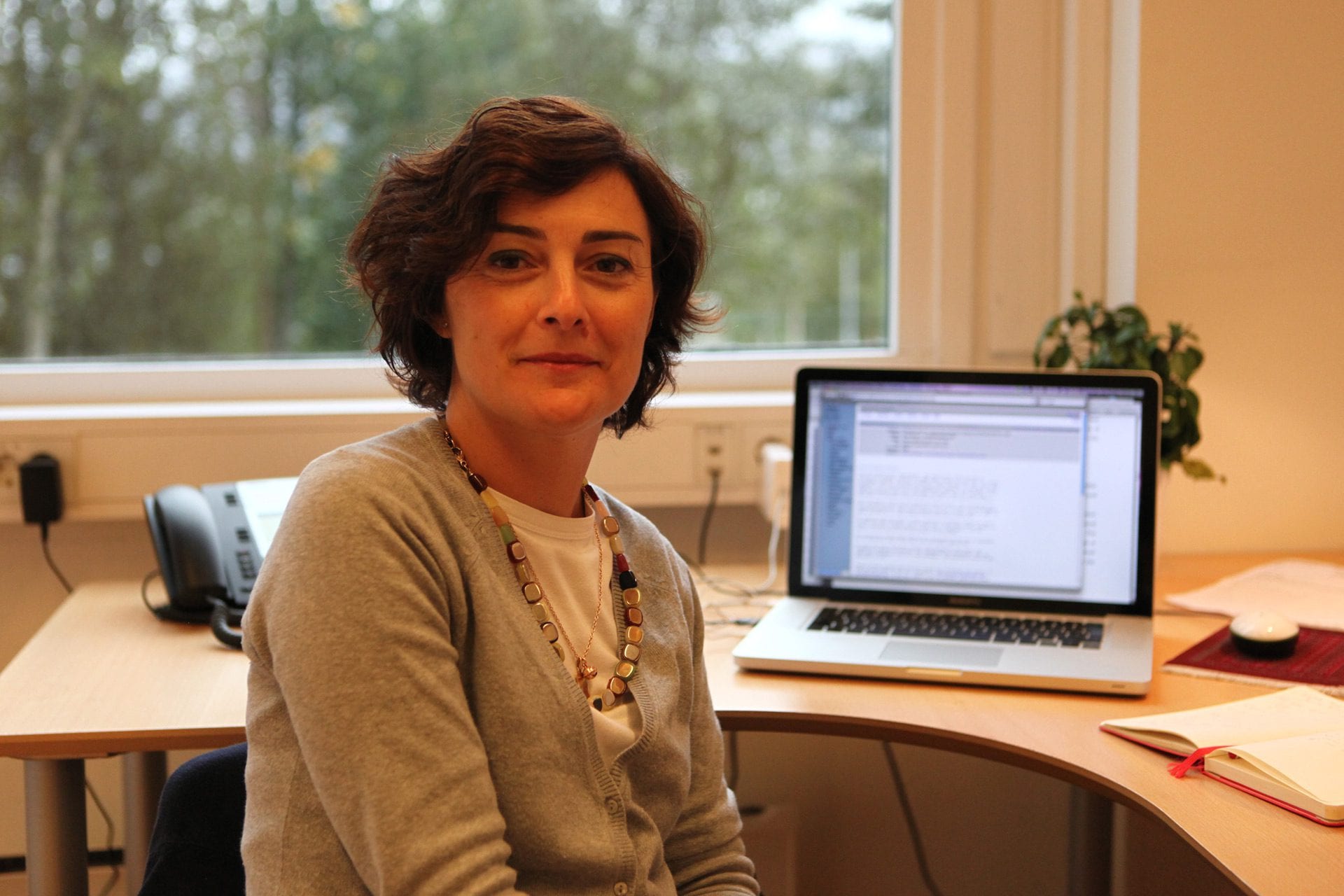
Associate Professor Giuliana Panieri has been invited to the internationally acclaimed research institution, Niels Bohr Institute, to give a talk about tracking past methane emissions.
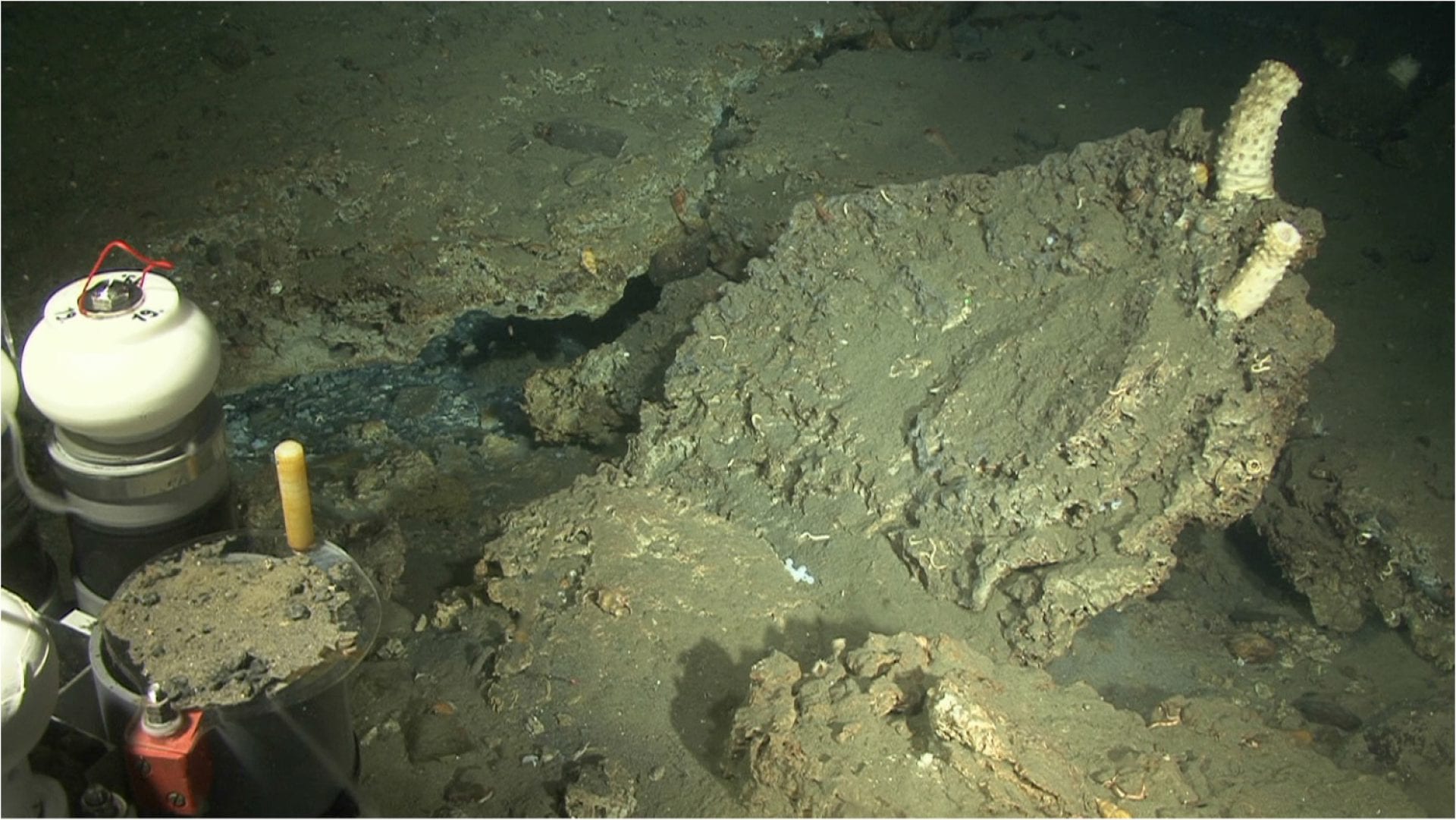
This summer CAGE scientists picked up methane-derived rocks from the ocean floor, using a remotely operating vehicle (ROV). The rocks prove past and present methane seeps in Vesterålen, Norway.
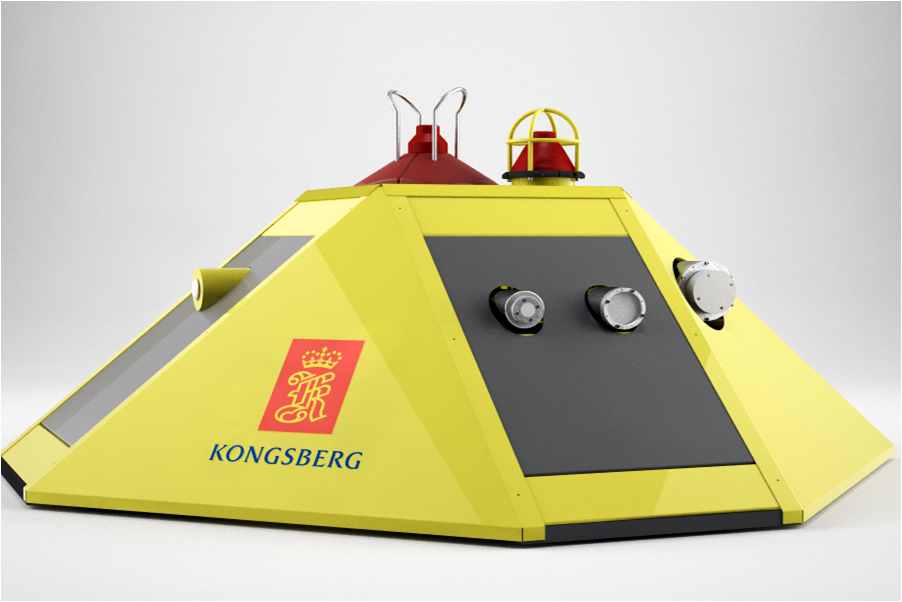
The technology company Kongsberg Maritime is building two ocean observatories for CAGE. Observatories will be deployed off coast of Svalbard next year, to monitor the methane leaks from the seabed.
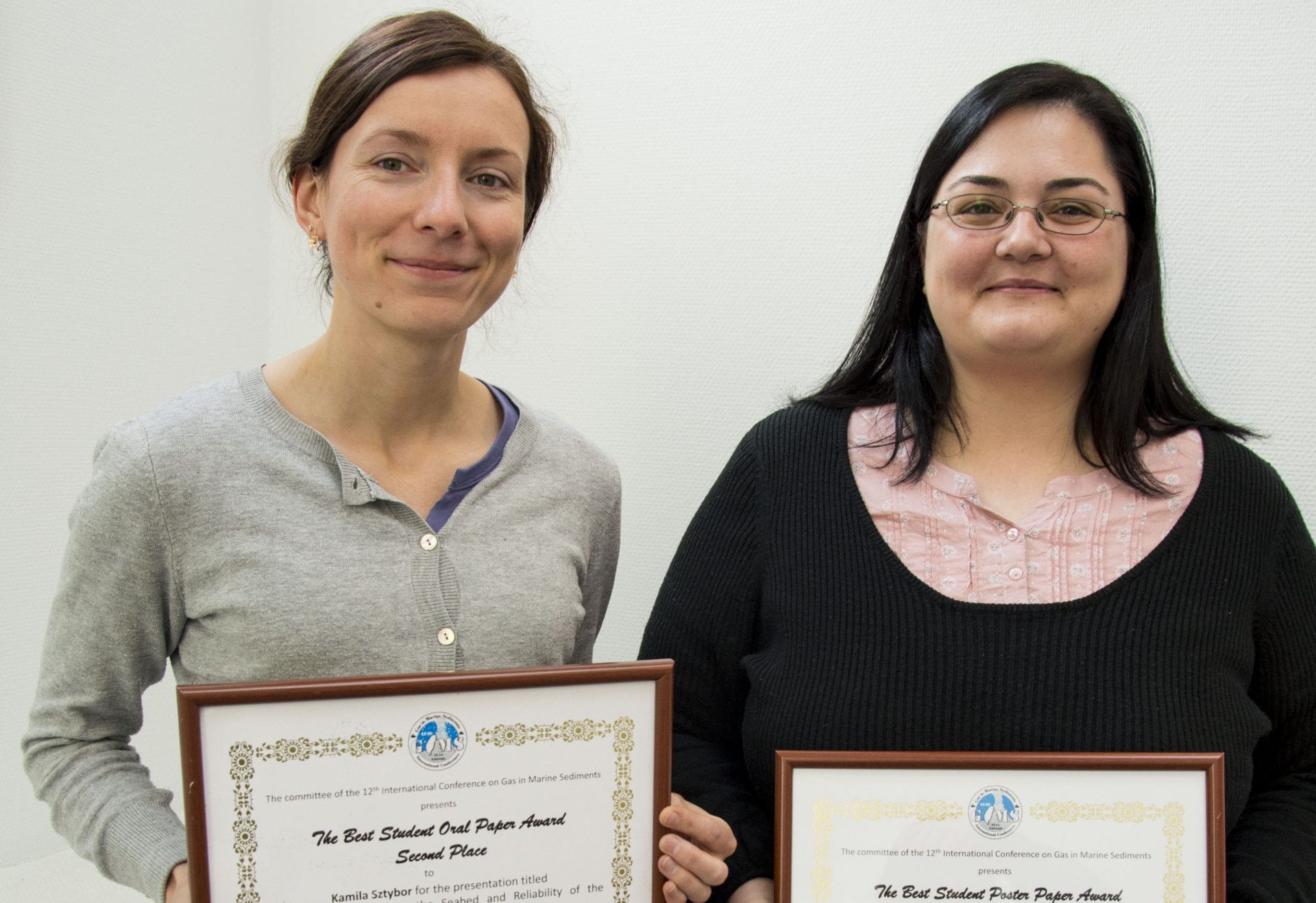
This years conference on gas in marine sediments (GIMS12) in Taiwan was successful for two CAGE-students who won awards for their effort. Next conference will be held in 2016 and organised by CAGE in Tromsø.
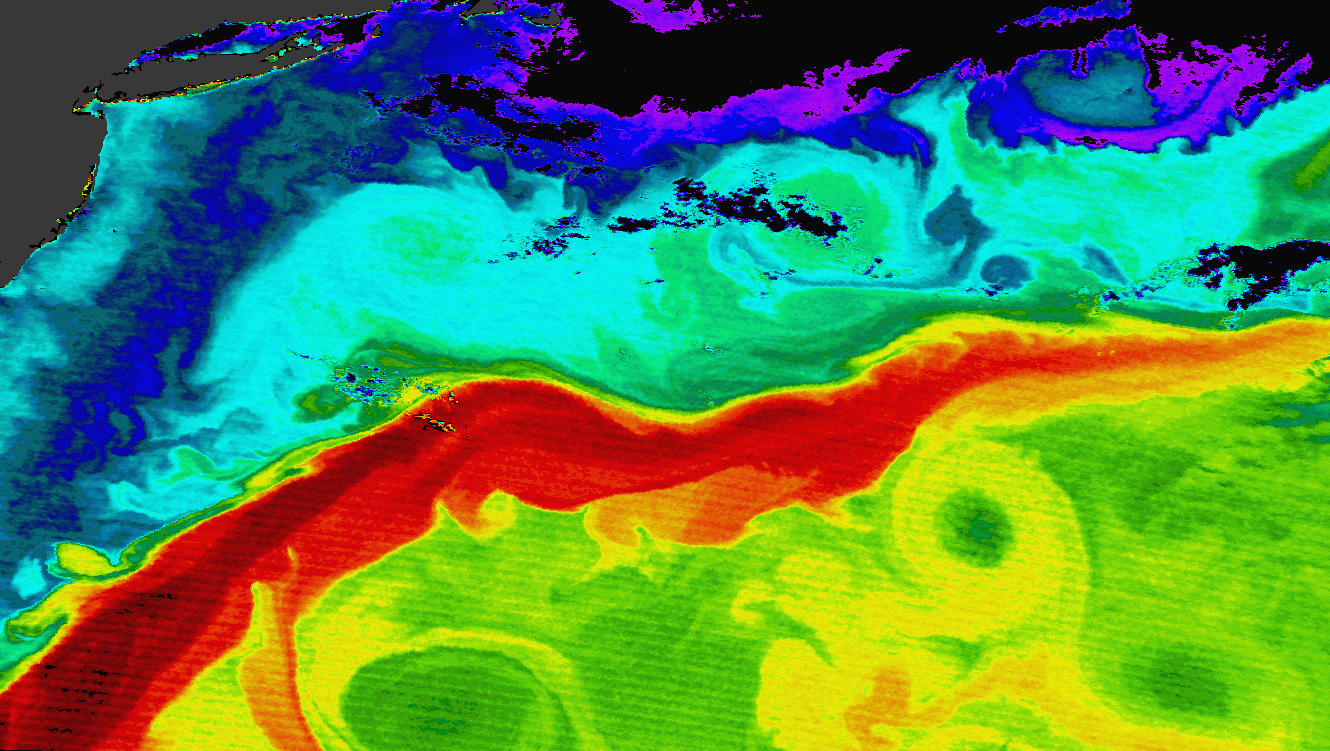
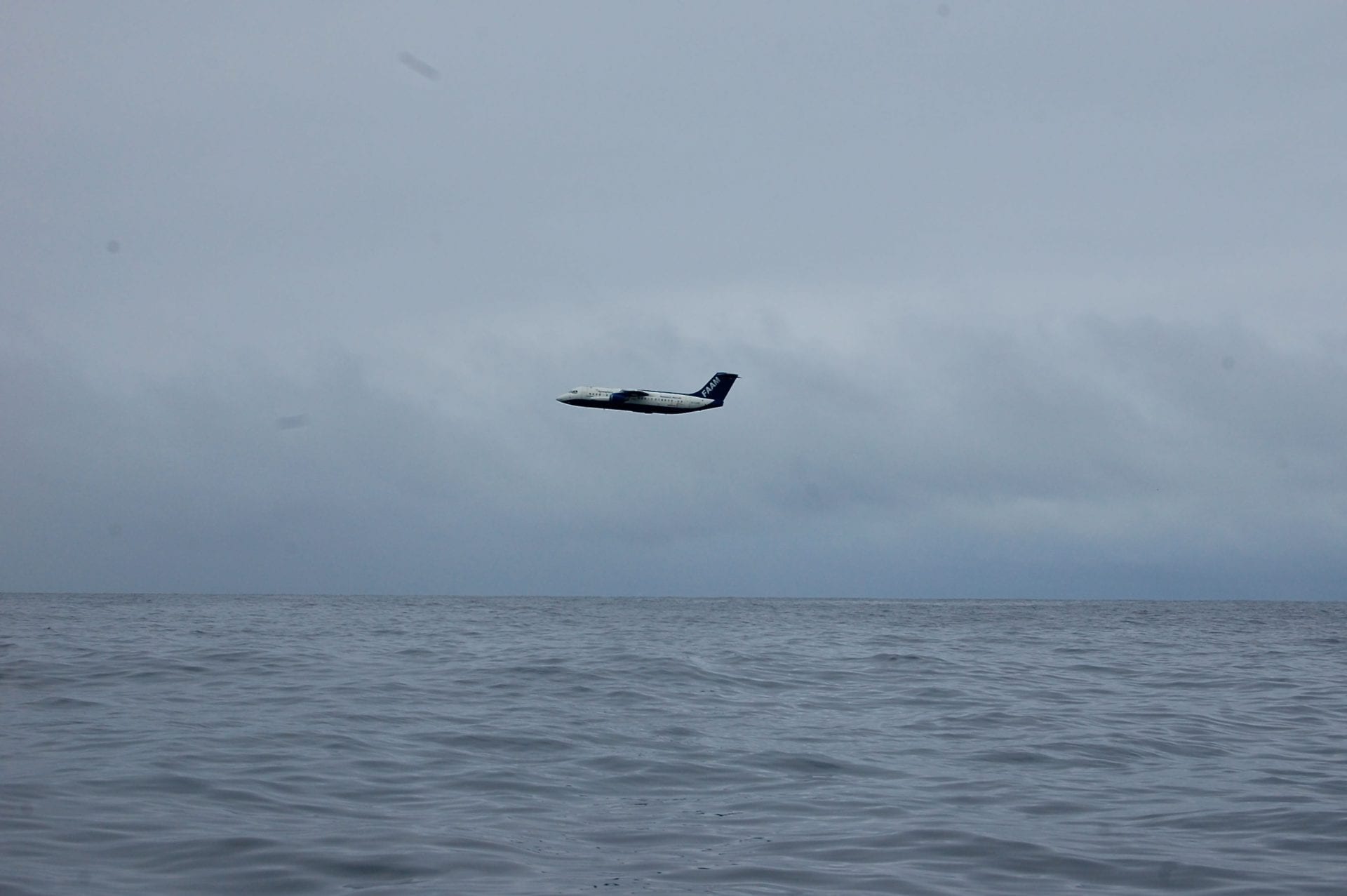
The amount of methane in the atmosphere is increasing. Is the seabed one of the sources for the greenhouse gas? To answer this question, CAGE is measuring methane from ocean to atmosphere, using some truly cool gadgets.
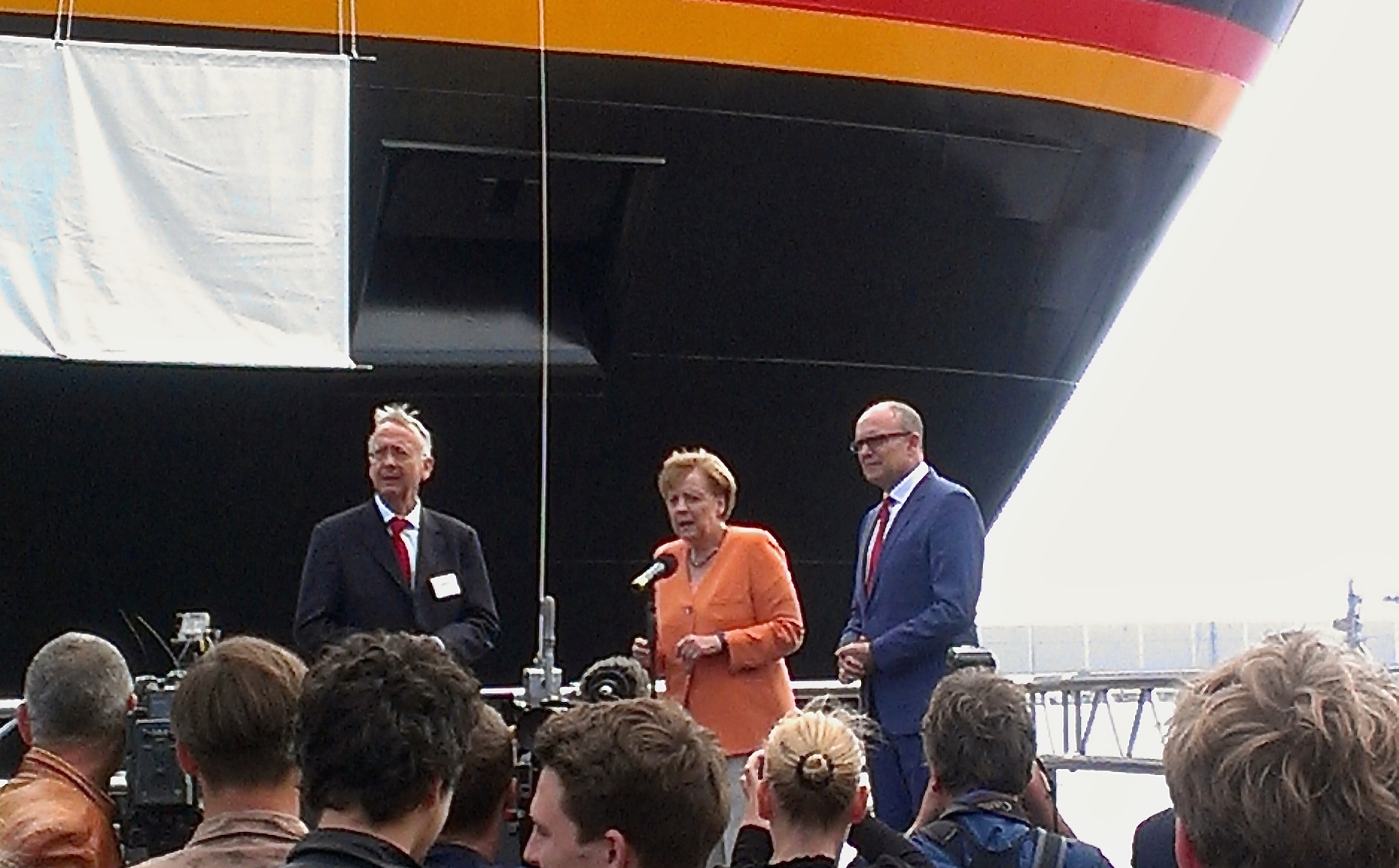
German Chancellor Angela Merkel christened a brand new research vessel in July. In attendance was CAGE director, Professor Jürgen Mienert, who is a member of the advisory board for the ship.
− RV Sonne will be used for research in biology, geology and mineral resources in the deep sea. New deep-sea technologies allow for research on life at the deep-seafloor of the ocean. The aim is to understand how ecosystems are functioning in the deep sea, so that any future mining for minerals at the seabed can be done sustainably and responsibly, says Professor Mienert.
RV Sonne is a brand new ship, 116 metres long and has cost €124 million to build. A 35 person strong crew will make it possible for up to 40 scientists to do around the clock research aboard the vessel. Professor Mienert is a marine geologist with decades of experience aboard research vessels such as RV Sonne. He is happy that investments are being made in marine research for gaining future knowledge about the ocean.
− Research vessels are as important as satellites, so it is a special day when a country invests in them.
CAGE scientists took part in the 2014 European Geosciences Union (EGU) in Vienna, Austria, where more than ten thousand scientists from all over the world gathered during one week, presenting their ideas and discussing important topics. One of the topics, the changing Arctic, was presented by CAGE assoc. prof. Giuliana Panieri during a press conference on Tuesday, 29th April. The press conference can be followed on webstreaming here (webstream at the European Geosciences Union website).
Press release – Is there a link between climate warming and methane emissions from the Arctic Ocean floor?
There was a massive methane release from the ocean floor in the Arctic during the last Ice Age, a new study finds. Release of the greenhouse gas coincided with a period of global warming 13 000 years ago. This data was recorded in, and retrieved from the shells of the smallest creatures on the planet – foraminifera.
Frozen deposits of the greenhouse gas methane, so called gas hydrates, lay in huge amounts under the ocean floor in the Arctic. They are sensitive to climate change and warming of the ocean. 170 m3 of methane gas is concentrated in 1m3 of frozen methane. Potential escape of methane from the ocean into the atmosphere can be significant if hydrates melt.
– The stability, longevity and significance of the Arctic methane hydrates for the global climate budget are poorly understood. Some of the smallest creatures on the planet, foraminifera, may however provide some answers, says associate professor Giuliana Panieri at the Centre for Arctic Gas Hydrate, Environment and Climate (CAGE) – University of Tromsø, The Arctic University of Norway. Panieri is presenting the new results this week at the General Assembly of the European Geosciences Union in Vienna.
Foraminifera residing at the ocean floor store clues to understanding methane release in their shells. Giuliana Panieri and colleagues have examined shells of foraminifera for several isotopes to reveal historical emissions of methane as far back as 16 000 years.
Through sediment cores from the ocean floor they have been able to determine that the Earth suffered a long and intensive methane emission 13 000 years ago. This coincided with global warming during the final stages of the last Ice Age. The evidence of emissions from the Earth’s ocean floor is similar to the data found in the ice core records in the Greenland Ice. This means that warming accelerated at the end of the last Ice Age, at the same time as massive amounts of methane were released from the ocean floor.
The big climate question is whether the present global warming will melt Arctic methane hydrates rapidly, and lead to a similar release of the greenhouse gas.
– Warming in the Arctic Ocean will occur faster than in any other region of the world. Methane deposits are especially vulnerable to the warming, as they are found at shallower depths. Climate warming at contemporary rates will not trigger catastrophic release of methane gas from hydrates. But we believe that such release will happen primarily on the Arctic Ocean shelves and upper continental margins.
Predictions are difficult, continues Panieri, because the climate sensitive Arctic is not an easily accessible area. That is why our research ships are deployed extensively across the frozen Arctic to get the data vital for modelling past and future changes.
Sunil Vadakkepuliyambatta recently defended his doctoral thesis entitled: “Sub-seabed fluid-flow systems and gas hydrates of the SW Barents Sea and North Sea margins”
The aim of the study was to improve the understanding and overview of gas leakage systems and gas hydrates within the sediments of the southwestern (SW) Barents Sea and northern North Sea. Leaking of methane gas hydrates can potentially release greenhouse gas due to ongoing global warming. The research was funded by Trainee School in Arctic Marine Geology and Geophysics (AMGG) administered by the Department of Geology. He defended his thesis 25th of April 2014.
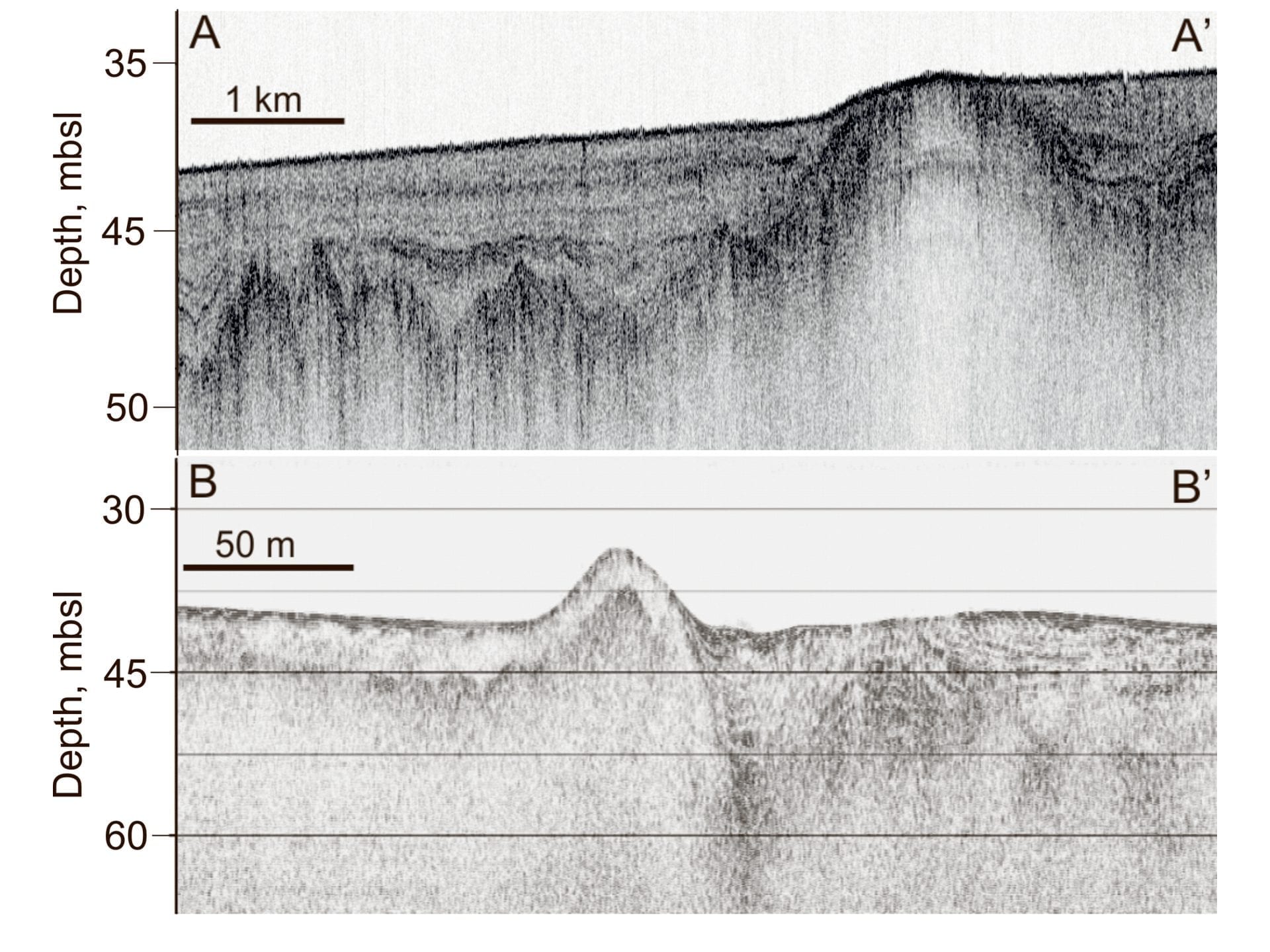
Large fluid leakage structures occurs in SW Barents Sea and shows links to the major tectonic setting. The glacial periods (uplift and erosion) have caused fluid leakage from deep reservoirs. In many locations, fluid leakage results in accumulations of shallow gas and gas hydrates that are relatively stable in structures containing thermogenic hydrocarbons. But gas hydrate stability varies widely throughout the SW Barents Sea. Possible gas hydrate occurrences in many parts of the SW Barents Sea can be sensitive to changes in ocean temperature due to global warming. This can then lead to melting of large quantities of gas hydrates in the upper 100 m below the seabed over a relatively short period (100-200 years).
The thesis of Vadakkepuliyambatta included the study of the distribution and evolution of fluid migration systems and gas hydrates in the SW Barents Sea and northern North Sea. His work was based on interpretation of seismic and well data and numerical modeling of hydrate stability.
Sunil Vadakkepuliyambatta was born in 1986 in Kerala, India. He studied marine geophysics and graduated from Cochin University of Science and Technology, Kochi, India. After working in a research institute and an oil company in India for a short period, he started his PhD in 2010 at the Department of Geology. His major interests are fluid-flow systems and gas hydrates.
Natural Gas Hydrate Systems Gordon Research Conference was held on March 23-28, 2014 in Galveston, Texas.
The focus of the meeting was current major topics in hydrate systems including earth science and engineering aspects of methane hydrate production, hydrates in and under marine systems and permafrost including potential roles in paleo- and modern climate change, and hydrates in engineered systems such as pipelines.
A new Science paper with contributions from CAGE presents new findings on methane release and global warming.
Methane seepage from gas hydrates off the coast of Svalbard has been observed regularly. A study now confirms that this seepage has been going on for several thousand years, and therefore cannot solely result from new climate changes driven by mankind.
Climate change and unstable gas hydrates
These findings are the result of an international collaboration led by Christian Berndt from Geomar in Kiel, Germany, and was recently presented in Science with CAGE researcher Bénédicte Ferré (pictured right) as co-author.
One of the main questions CAGE asks is whether future climate changes will increase methane release from gas hydrates in the ocean.
The researchers can now conclude that previous observations of large contemporary emissions cannot be considered proof of accelerating hydrate destabilization.
Unknown at what rate methane reservoirs change
‘Our findings indicate that methane seepage has been going on longer than first assumed in this area, independent of anthropogenic warming,’ Bénédicte explains.
However, this does not mean that we can’t draw a line between climate change and unstable gas hydrates.
‘This is still worrying because although this seepage is not caused by warming, that doesn’t mean that future global warming won’t cause destabilization of gas hydrates,’ Bénédicte says.
Gas hydrates are only stable at high pressure and low temperatures. It is therefore of major importance to keep monitoring methane release, particularly in sensitive areas like the Arctic. One of CAGE’s effots for understanding rapid changes in methane release is to install permanent monitoring stations on the ocean floor.
The year that is now coming to an end has been an exciting one for CAGE.
In our first year working together as a Norwegian Centre of Excellence our researchers have produced results already published in highly ranked journals such as Nature. We look forward to continuing our work to be leading on gas hydrate, climate and environment research in 2014.
Throughout the year we have been hiring excellent researchers and students from around the world. We have also put a great effort into making our facilities here in Tromsø ready for our activities and growth in the years to come.
November 22 represented an important milestone for us, as CAGE was finally officially opened by The Research Council of Norway and the rector of UiT The Arctic University of Norway.
As the holiday season approaches, we would like to take this opportunity to thank those who have contributed in various ways to our research achievements in 2013.
Merry Christmas to you all and our best wishes for a safe and prosperous New Year!
Aivo Lepland // Lauri Joosu // Kalle Kirsimäe // Anthony R. Prave // Alexander E. Romashkin // Alenka E. Crene // Adam P. Martin // Anthony E. Fallick // Peeter Somelar // Kärt Üpraus // Kaarel Mänd // Nick M.W. Roberts // Mark A. van Zuilen // Richard Wirth // Anja Schreiber
The relation between the Arctic and global warming has attracted public awareness over the past years. To really understand the future challenge of climate change we need to understand the climate of the past.
CAGE researchers Jochen Knies, Karin Andreassen, Soma Baranwal and Karl Fabian have contributed to a recent publication in Earth and Planetary Science Letters which presents new knowledge of the Arctic climate in the Pliocene.
Crucial event four million years ago
The researchers conclude that a tectonic uplift event four million years ago intensified the ice build-up during the Northern Hemisphere Glaciation.
Previously it has been very challenging to study environmental changes in the Arctic Ocean because available data is difficult to date. However, the researchers have now studied a sequence from the Yermak Plateau off northwestern Spitsbergen which they have dated back to the Pliocene (5.33 to 2.58 million years ago).
They have collected sedimentary and geochemical data which indicate that the terrigenous sediment supply and sources changed abruptly in response to a regional tectonic uplift event. Hence the landmasses were preconditioned for glacial ice build-up during the intensification of the Northern Hemisphere Glaciation. The result was the first large build-up of glaciers in Scandinavia, Svalbard and the Barents Sea – 2.75 million years ago.
Important knowledge to understand global warming
Knowledge about what happened in the Arctic during the Pliocene is important for a better understanding of future climate changes. The sea ice was possibly gone during the summer and the treeline may have been shifted further north compared to today, according to Jochen Knies.
“I think our findings will be a ‘master stratigraphy’ for the Arctic Ocean in many years to come, until new drilling initiatives are implemented. That means that the interpretations of climate change based upon this sequence will be used a lot by climate modellers to get a better understanding of Pliocene and future climate changes”, says Knies.
The centre’s application for the project ‘Ice2Ice’ was one of 13 that were accepted after a fierce competition with 450 other applicants from all over Europe.
The University of Bergen and Uni Research is now granted eleven million NOK per year over the next five years to conduct basic research on melting ice in the Arctic. The main question the paleoclimate researchers will ask is: What will happen to the Greenland Ice Sheet if the Arctic sea ice covers disappear?
Melting glaciers and rising sea levels are certainly not new phenomena. Climate change was dramatic even during the last ice age, says CAGE’s Professor Tine Rasmussen, who recently published an article in the prestigious journal Nature Communications.
Rasmussen’s article shows that repeated, severe melting of the ice sheet contributed to a very unstable climate even during the Ice Age.
Together with Erik Thomsen from Aarhus University in Denmark she has studied sediment cores from the sea off north-western Svalbard. The studies show that the ice sheet shrank and grew again to a much greater extent than assumed during the last ice age.
“Our findings show that the ice was incredibly active. In less than 1,000 years it could retreat and grow again”, says Rasmussen (pictured right).
It is safe to assume that the ice moved several kilometres.
Important knowledge
The cold climate during the Ice Age was repeatedly interrupted by short, rapid heating. This knowledge can help us understand what will happen during the global warming we experience today.
“This information is of great importance, although the consequences of melting ice will be much less dramatic now than during the Ice Age, because there is less ice and temperature changes was much larger back then”, Rasmussen explains.
Pink clay from Svalbard
Sediment cores the researchers have investigated contains pink marine sediments. This pink clay can be traced back to 400 million years old red sand stones at Svalbard, and was carried out to sea by melt water from the ice sheet.
“We can see that the red layers of the ocean floor is formed during the Ice Age’s warm periods, and that proves that every time the temperature rose, water from the melting ice was poured into the ocean”, says Rasmussen.
“We know from previous studies that in few years the temperatures above Greenland could rise by more than 10 degrees Celsius, and during the Ice Age the ocean’s water level rose and fell several times by as much as 10 to 20 metres”, she says.
The sediment cores also show that the number of icebergs fell dramatically during these heating periods, and that the ice retreated from the coast.
“The CAGE projects are high quality, exciting and beneficial from a societal perspective. This centre also has an excellent timing and an excellent geographical location”, said Furuberg.
These are some of the reasons why CAGE was given the Centre of Excellence title, after a long and severe competition where 139 research centres participated.
– A big day
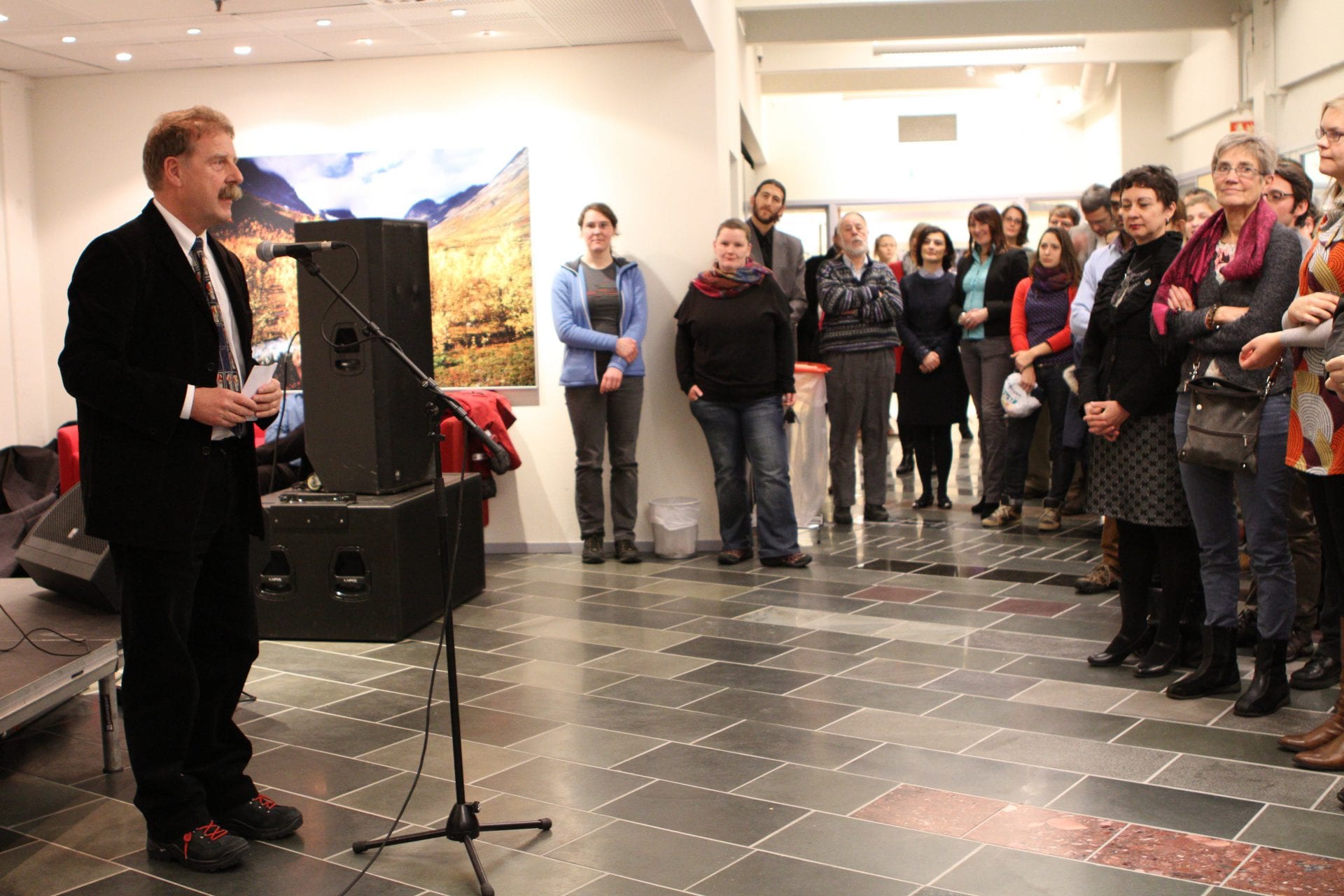
Researchers, students, representatives from the industry and others showed up to celebrate CAGE . The director himself described the opening as a great day for UiT The Arctic University of Norway and for Tromsø – the ‘arctic capital’.
“A Centre of Excellence is now opened, with an extensive budget over ten years and more than 40 employees. CAGE will be a national and international centre of gravity for arctic research”, he said in his speech for the day .
CAGE is one of thirteen new Norwegian Centres of Excellence (CoE ) opening this year. There are great expectations for how the centre will contribute to climate research.
“Remember that the world’s leading scientists took 20 years to find out that El Niño in the Pacific Ocean affect the climate system in the northern hemisphere . We have ten years to understand the effect arctic gas hydrates have on the environment and climate in the north. We will use this time to build a world-class international research centre”, said Jürgen Mienert.
CAGE brings the world to Tromsø
UiT’s rectorate was present at the opening , and Rector Anne Husebekk expressed both pride and great expectations for university’s third Centre of Excellence .
Pro-Rector for Research and Development Kenneth Ruud believes that this centre is a result of the Department of Geology and Faculty of Science and Technology ‘s systematic quality work .
– A Centre of Excellence is a great achievement that offers huge opportunities, puts the academic community and Tromsø on the map, and allows you to recruit the best researchers in the world . It is also a motivation for the world to come to Tromsø, stated Ruud.
Gold medal
Dean Morten Hald at the Faculty of Science and Technology, UiT, said that to succeed in the Norwegian Centres of Excellence competition is like winning a gold medal.
– I feel sure that CAGE will have a generous and inclusive role as a leading research centre , he said.
– The Department of Geology has for many years provided good research and should be considered as a flagship for UiT. It was therefore no surprise when CAGE got the Centre of Excellence title – it was a correct and timely decision, said Cramer .
Jarle Husebø from Statoil, former NASA employee Eric Kort from the University of Michigan and Alina Stadnitskaia from the Royal Netherlands Institute contributed with popular science presentations on energy, climate and environment. The Tromsø based electronica duo Frost performed at the opening.
Russian PhD candidate Pavel Serov will be spending the next year as part of the CAGE research team.
Pavel (pictured below) is a student at the Faculty of Geology at Saint-Petersburg State University. Centre director Jurgen Mienert will be his supervisor during his stay at CAGE, and he will be part of the research group ‘Sub seabed reservoirs’.
Gas release and permafrost
Here he will analyse the seabed fluid flow in the South Kara Sea, using geochemical data collected at a research cruise this summer. His goal is to provide new data on the concentrations, composition and origin of gases in sediments and bottom water, and try to specify the relationships between the areas of thawing permafrost and enhanced gas release in this area.
Pavel is looking forward to spending a year of his PhD studies at a Norwegian Centre of Excellence.
“I feel good about the atmosphere here, and my new colleagues”, he says.
– Cold and beautiful
Pavel has never been in Tromsø before, but is happy with the city.
“It is very small compared to St. Petersburg, where I come from, but it’s very nice and the landscapes are beautiful”, he says.
He is however used to the cold climate, and is hoping to get some time for his favourite hobby – snowboarding – whilst living in Northern Norway.