Author: mes008
-
BLOG: Whether warm or cold, methane keeps leaking in the Arctic
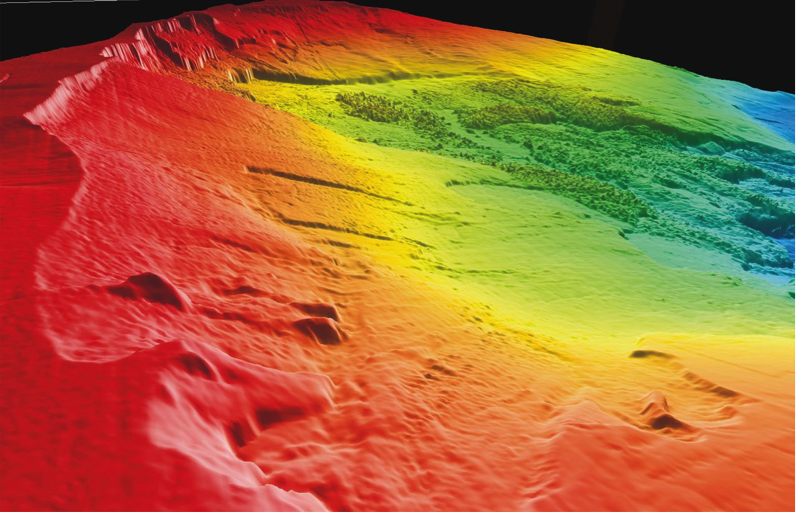
Methane has been leaking in the Arctic for millions of years, independent of warm or cold climate.
Blog post by: Jochen Knies, researcher NGU/CAGE
-
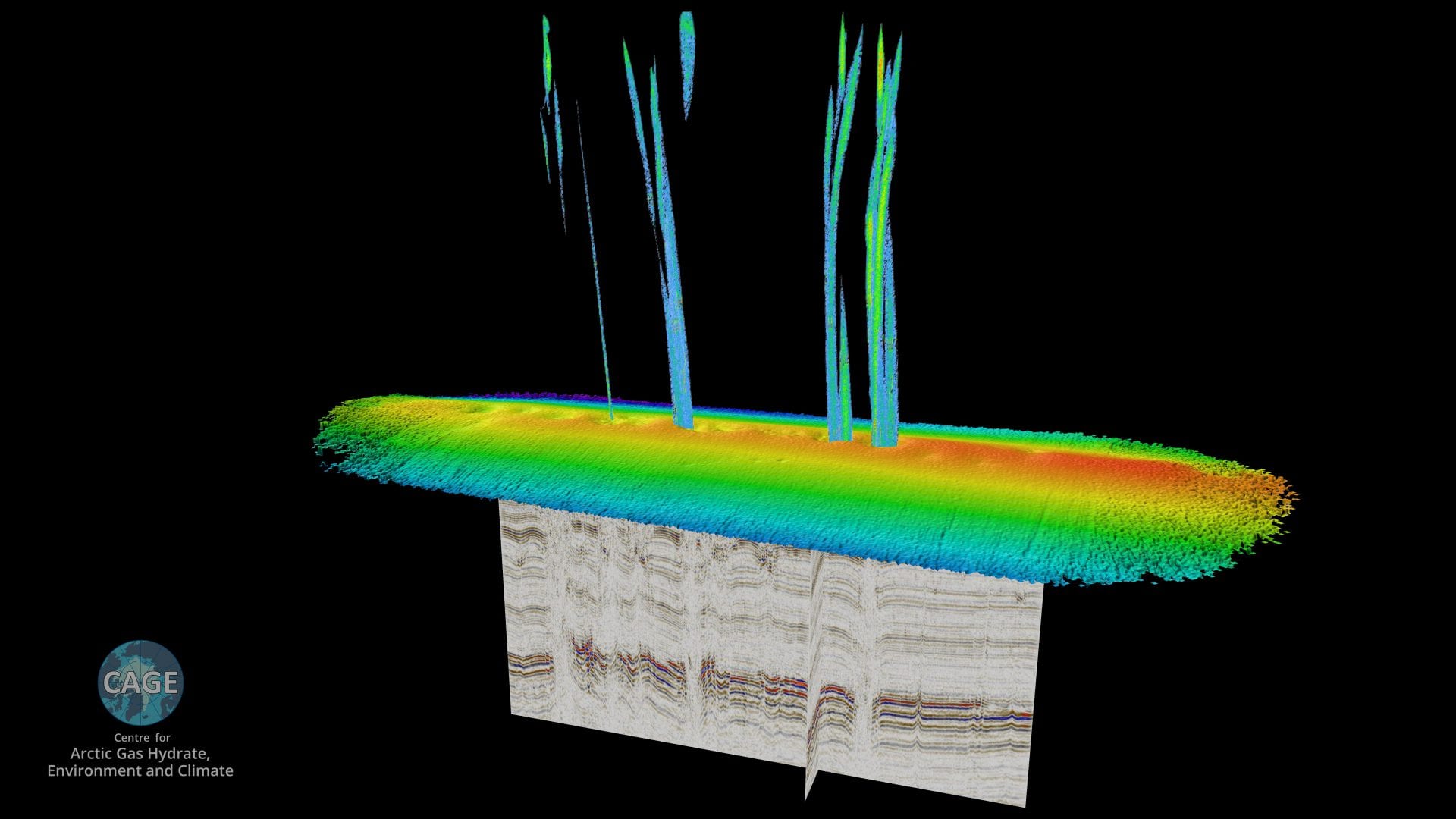
Successful Workshop on Scientific Drilling in the Arctic Ocean
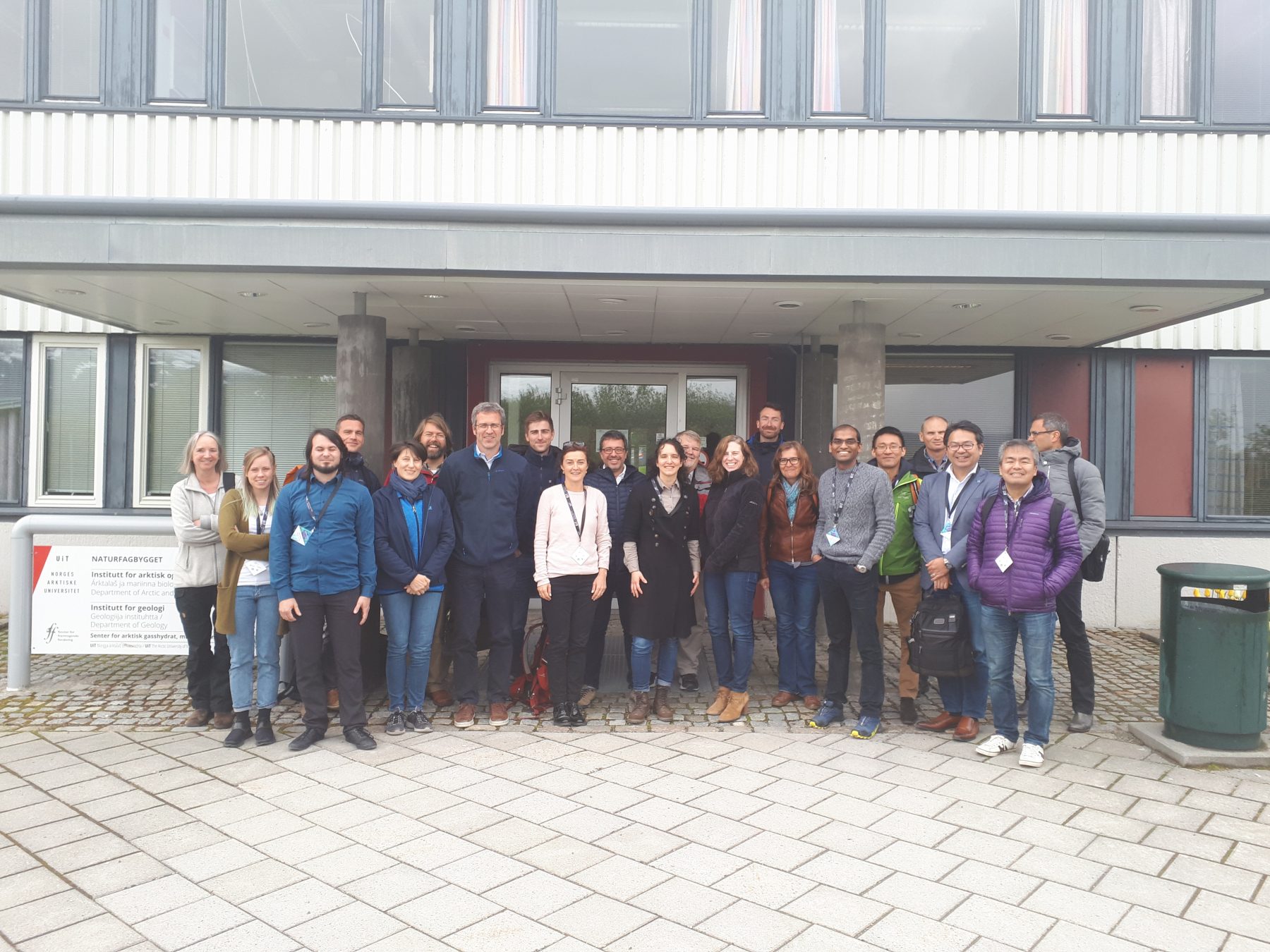
CAGE arranged a MagellanPlus workshop in June, to develop a comprehensive proposal for International Ocean Discovery Program. 36 scientists from 16 institutes participated in the successful event. VIDEO
Text and video: Maja Sojtaric
-
CAGE director new member of The Norwegian Academy for Science and Letters
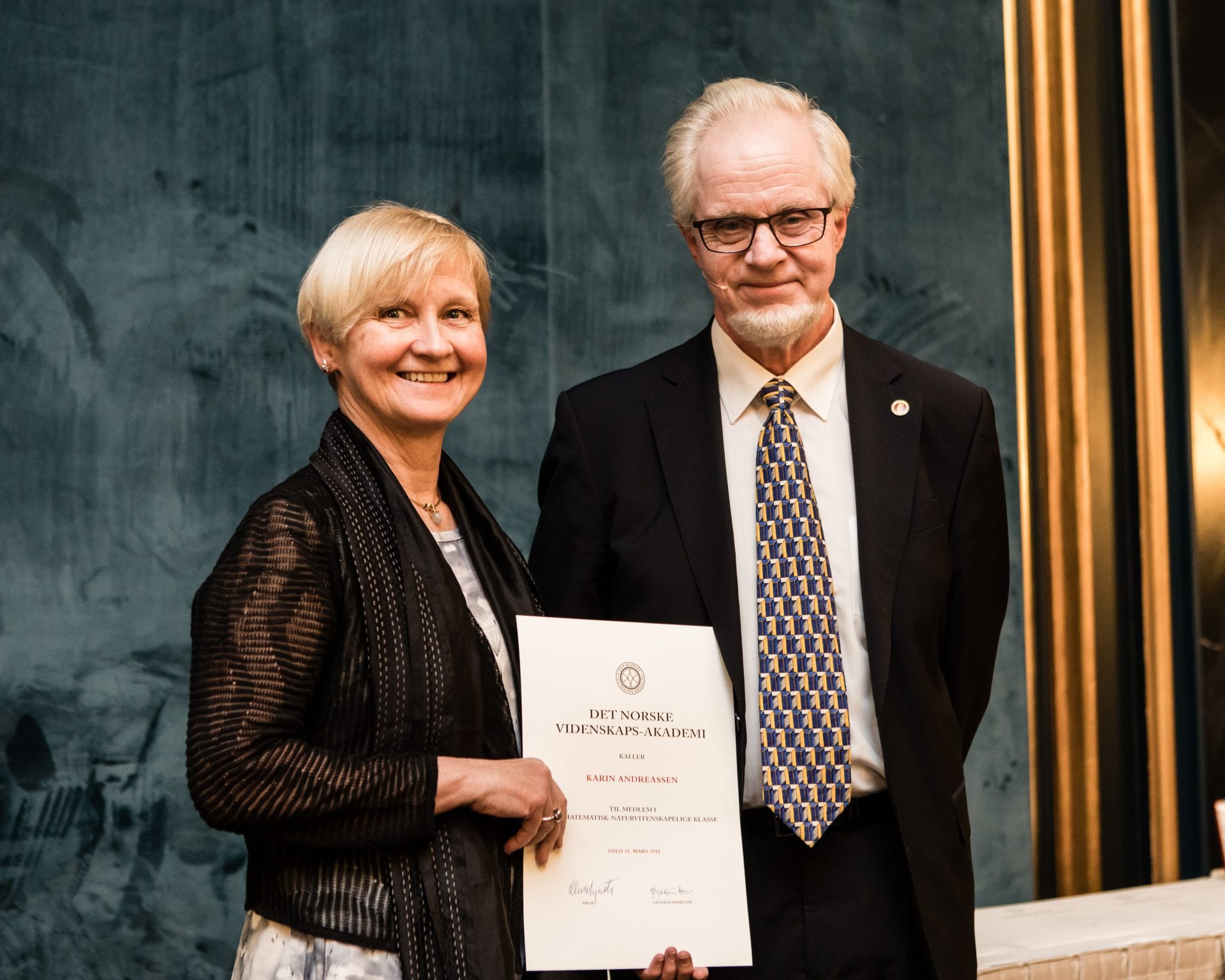
Professor Karin Andreassen has been elected as one of the new members of The Norwegian Academy for Science and Letters.
Text: Maja Sojtaric
-
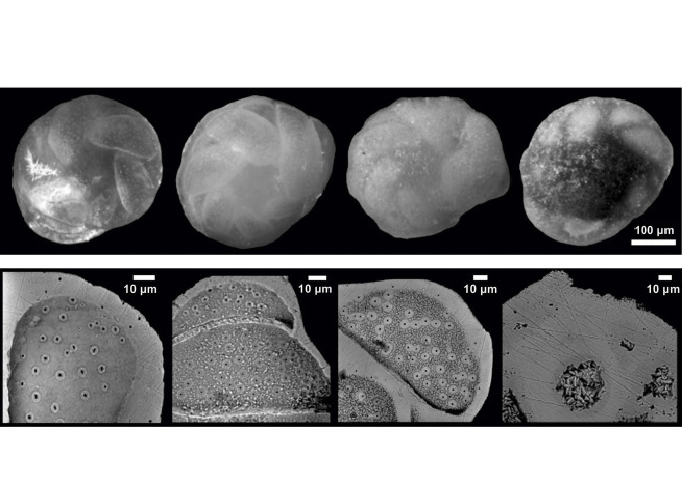
Time travel through methane seeps, using tiny time capsules
24.000 years ago, the greenhouse gas methane started seeping from the Arctic Ocean floor northwest of Svalbard. And it is seeping still. New PhD thesis from CAGE sheds light on this event using minuscule time capsules.
Text: Maja Sojtaric
-

Oases of life close to enormous methane plumes on the otherwise barren Arctic Ocean seafloor
New PhD dissertation from CAGE shows that methane derived carbon is a crucial part of the food web of the Arctic Ocean. It sheds new light on unique animal assemblages discovered thriving in the darkness close to cold methane plumes
Text: Maja Sojtaric
-
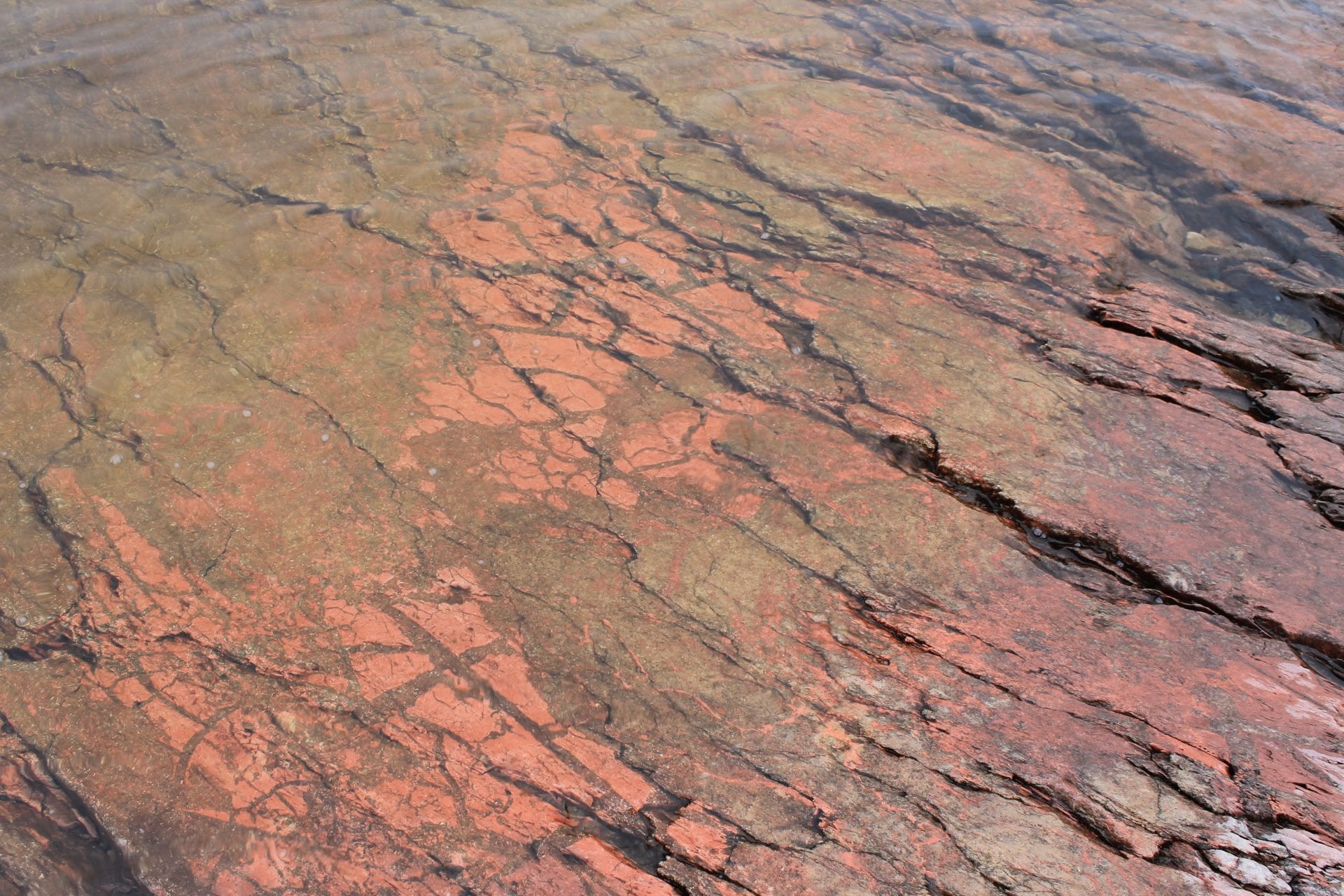
Pink rocks from Russia expose one of the greatest events in the history of Earth
The Great Oxidation Event is one of the major scientific mysteries. Oxygen appeared on the planet for the first time over 2,3 billion years ago. A new Science study is making scientists rethink what they thought they knew about the event.
Text: Maja Sojtaric
-
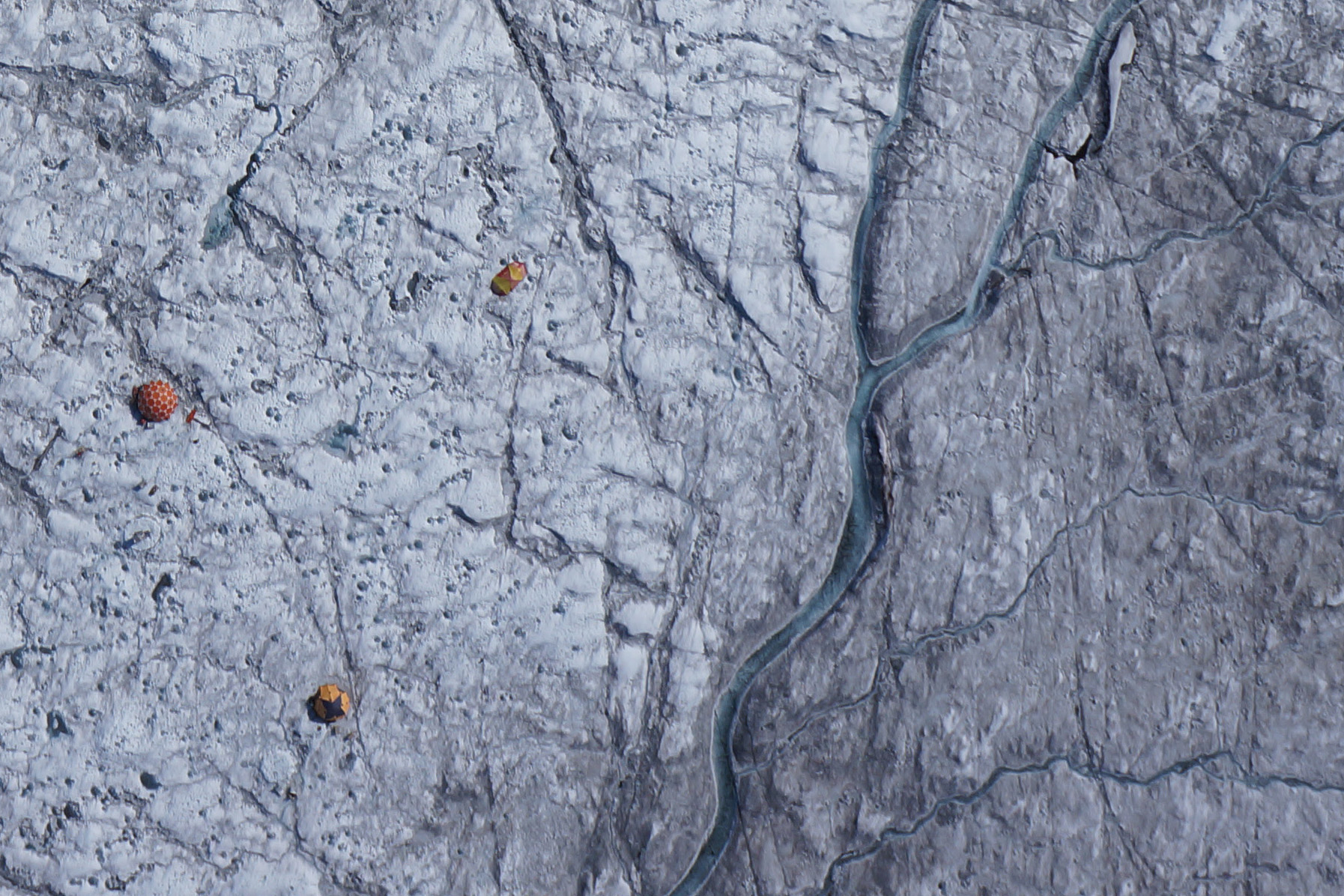
Algae, impurities darken the Greenland ice sheet and increase melting
The Dark Zone of the Greenland ice sheet has major impact on the surface melt of this immense store of ice. A new study in Nature Communications – based on drone surveys – suggests that ice algae, dust and soot from wildfires and combustion are the main cause.
Text: Maja Sojtaric
-
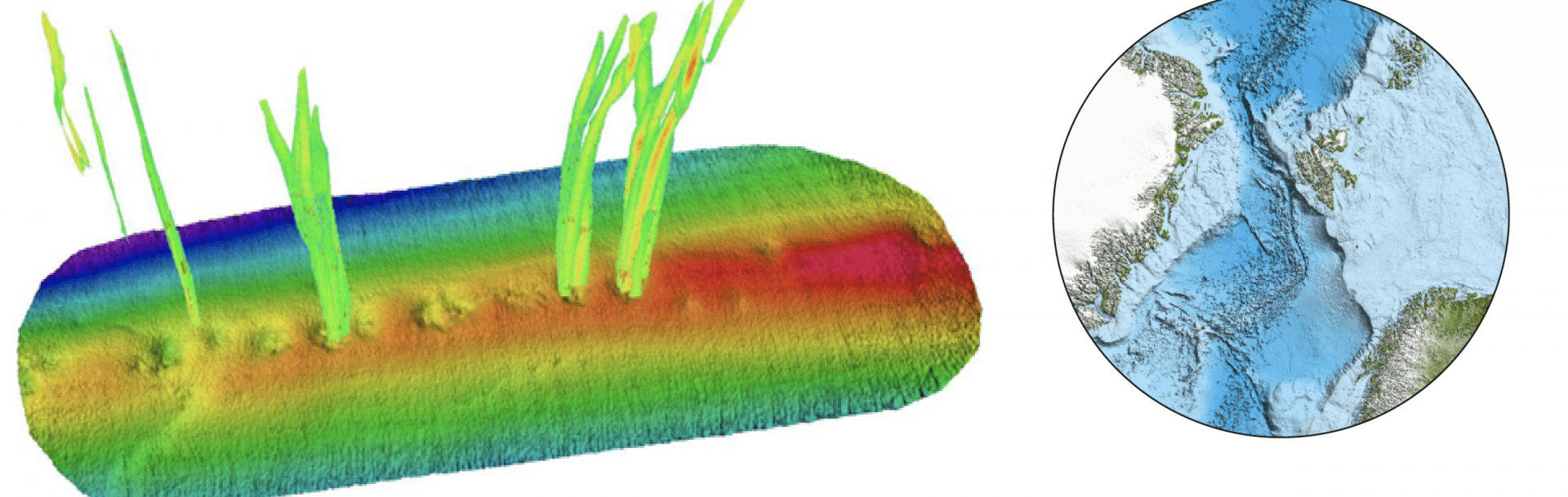
Workshop: scientific drilling in the Fram Strait
CAGE is arranging a MagellanPlus workshop in June, to develop a comprehensive proposal for International Ocean Discovery Program. The aim will be a scientific drilling expedition to the Fram Strait.
Text: Maja Sojtaric
-
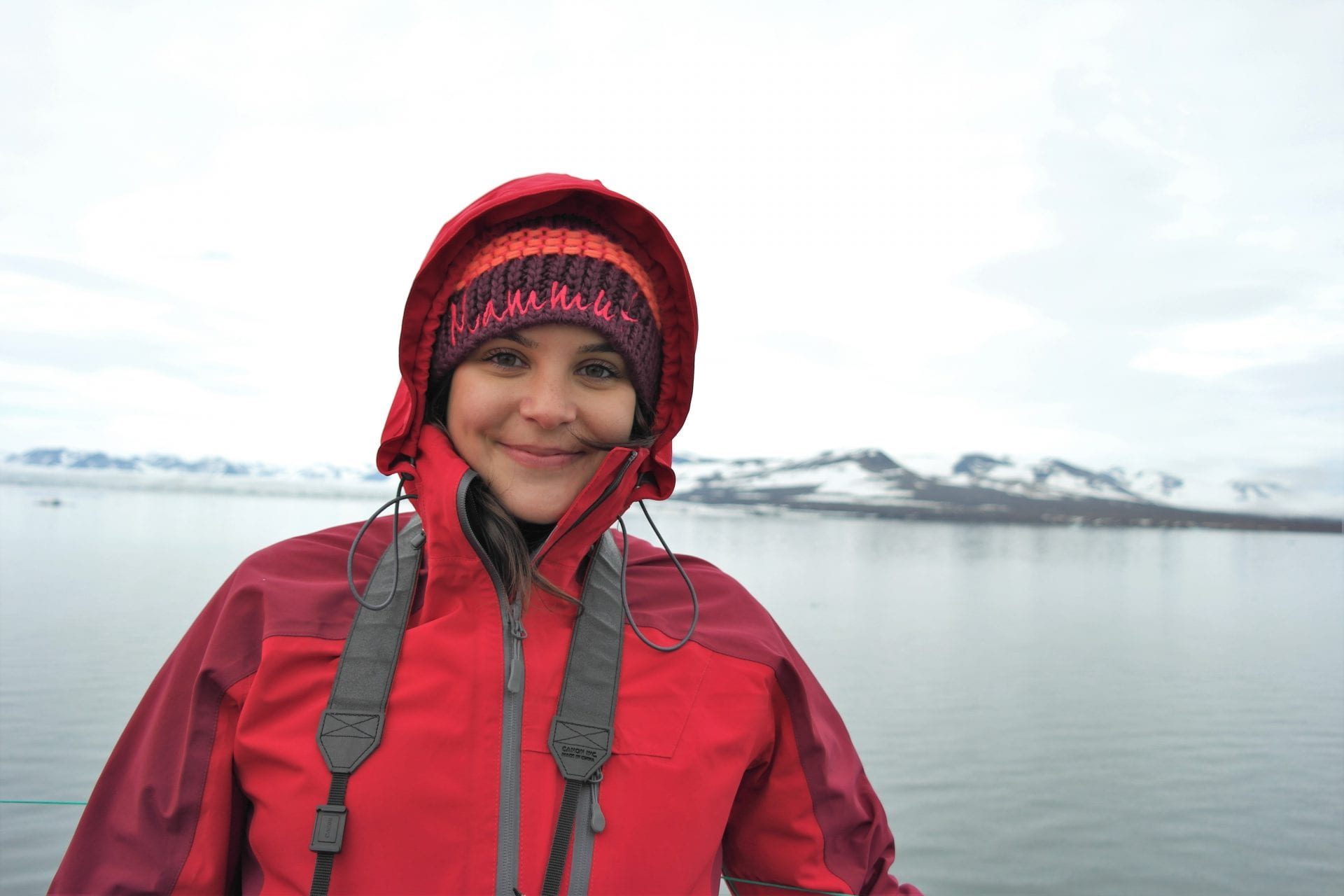
CAGE Researcher to join IODP expedition to Antarctica
Mariana Esteves has been invited to contribute to the International Ocean Discovery Program (IODP) expedition 379 to the Amundsen Sea in West Antarctica.
Text: Maja Sojtaric
-
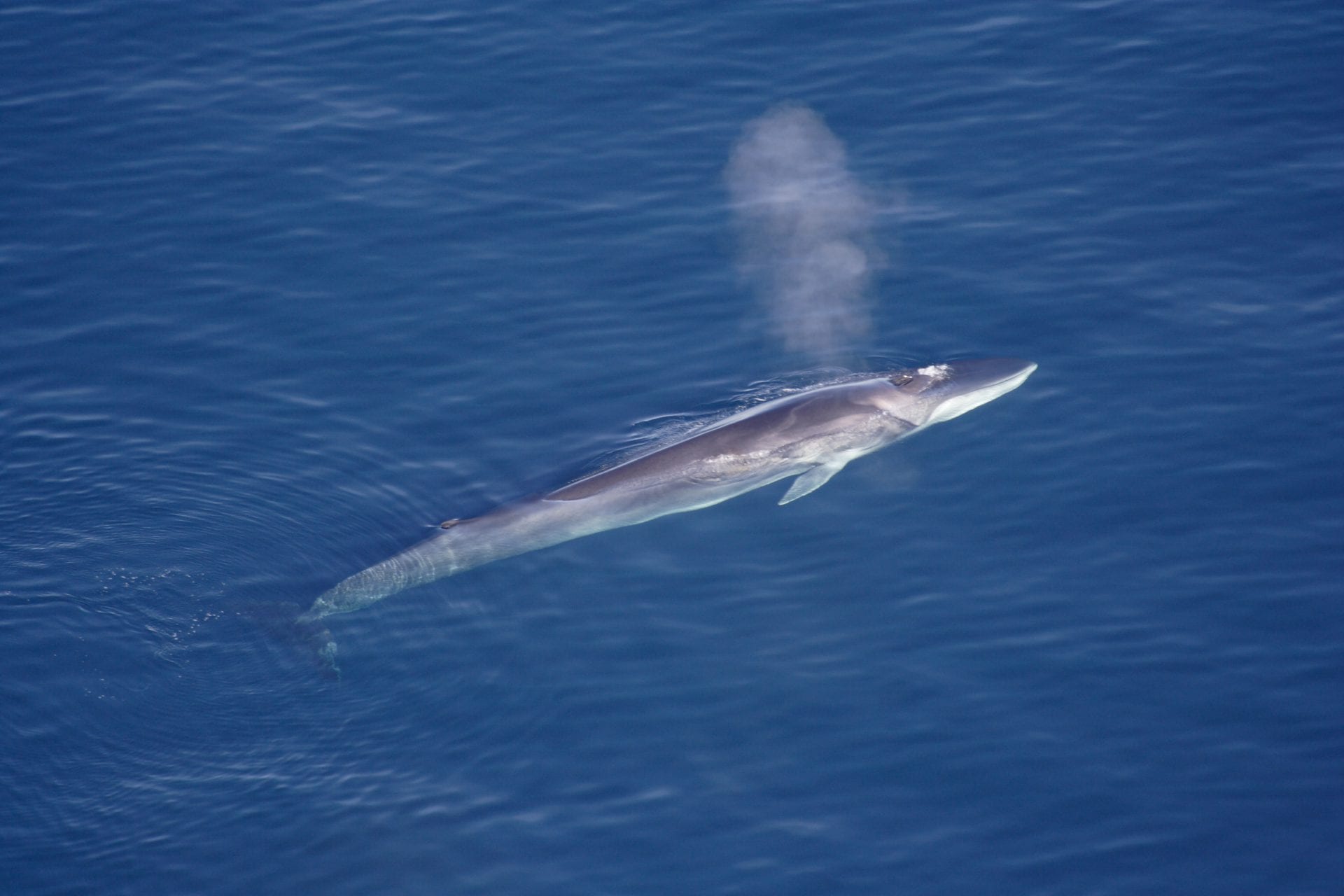
Listening for micro-earthquakes, hearing mega whales in the Arctic Ocean
How does the sound of a tiny tremor of the earth differ from the sound of a huge passing whale? That is one of the things that scientists had to figure out while listening for the sound of methane release from the sea floor.
Text: Maja Sojtaric
-
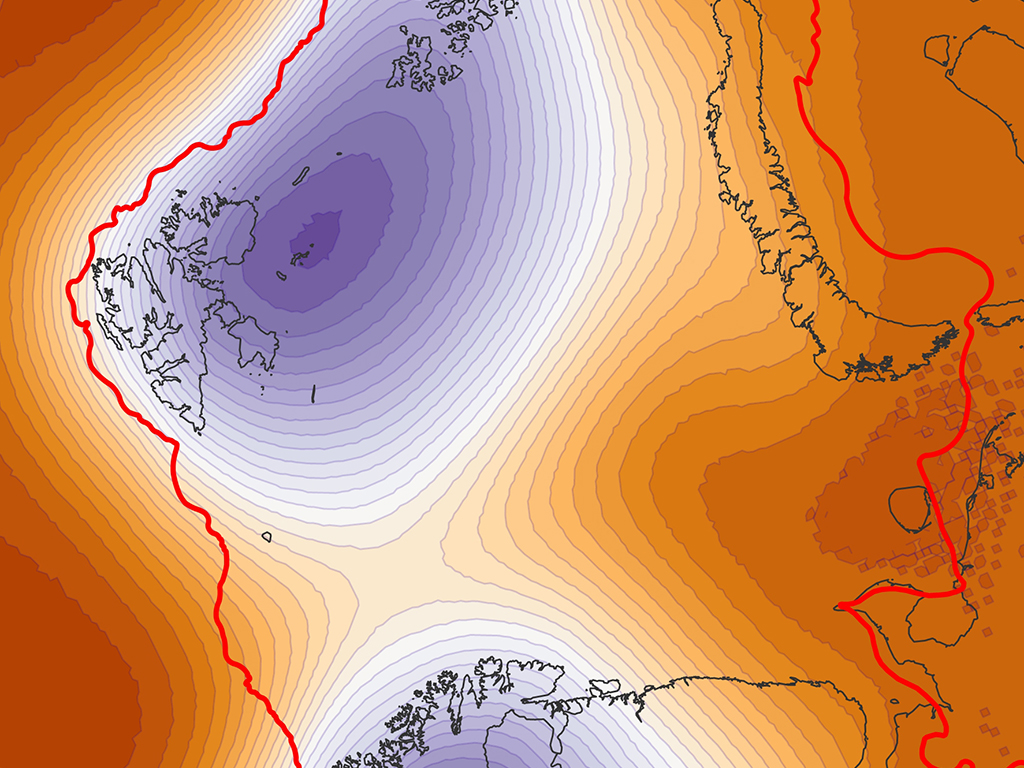
Sea floor uplift after last ice age causes methane release in the Arctic today
Present-day release of methane from an area of the Arctic Ocean is an effect of the uplift of the sea floor, rather than anthropogenic ocean warming, a new study in Nature Communications states.
Text: Maja Sojtaric
-

Merry Christmas and Happy New Year
We wish to thank all of our colleagues for support and fruitful collaborations in 2017. CAGE has had an eventful and rewarding year, with excellent results from our midway evaluation; a successful change of leadership with new director Karin Andreassen taking over the reins from professor Jürgen Mienert; several top tier publications, and an addition of a new and pioneering research direction in the field of microbiology. We aim to continue in the same track in 2018. We wish you a peaceful and happy holiday season.
-

Substantial funding for cold loving bacteria research
Tromsø Research Foundation, has granted millions in funds to two projects important for CAGE: An infrastructure grant for cold loving bacteria laboratory and a starting grant for a project by Alexander Tøsdal Tveit.
Text: Maja Sojtaric
-
Exceptional score for CAGE
An international committee, assigned with mid-term evaluation of Centres of Excellence, gave CAGE an exceptional score in a recent report. “CAGE has done exceptionally well”, the report from the committee states. “well above what may have been reasonably expected.”
Text: Maja Sojtaric
-
Dr. Ezat awarded the prestigious Newton International Fellowship
The high hanging fellowship will provide Mohamed Ezat, now postdoctoral researcher at CAGE, with an opportunity to conduct experiments at one of the most advanced labs at Cambridge University.
Text: Maja Sojtaric
-
New leadership at CAGE
Professor Karin Andreassen is the new director of Centre for Arctic Gas Hydrate, Environment and Climate.
Text: Maja Sojtaric
-

Exploring the canyons in Lofoten
The Lofoten islands are visited by millions of people each year. We made a different kind of journey to the famous archipelago, looking not for mountains and beaches. But for the stuff of life itself. And some crusts.
Text: Maja Sojtaric
-

Stefan Bünz promoted to professor
Stefan Bünz, work package leader at CAGE, has been promoted to professor at UiT The Arctic University of Norway.
Text: Maja Sojtaric
-
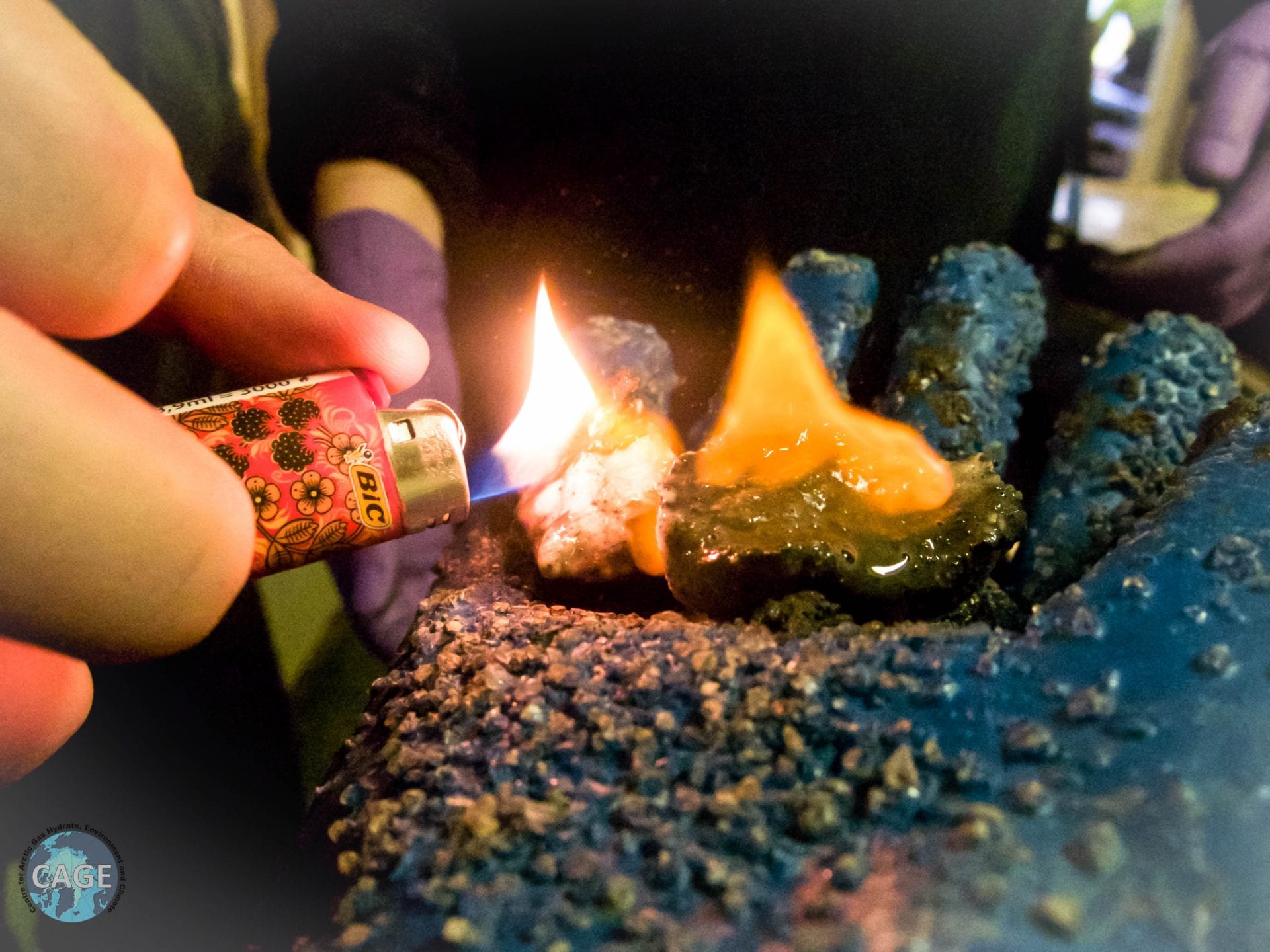
Methane hydrate is not a smoking gun in the Arctic Ocean
Methane hydrate under the ocean floor was assumed to be very sensitive to increasing ocean temperatures. But a new study in Nature Communications shows that short term warming of the Arctic ocean barely affects it.
Text: Maja Sojtaric
-

Collapse of the European ice sheet caused chaos
Scientists have reconstructed in detail the collapse of the Eurasian ice sheet at the end of the last ice age. The big melt wreaked havoc across the European continent, driving home the original Brexit 10,000 years ago.
Text: Maja Sojtaric
-
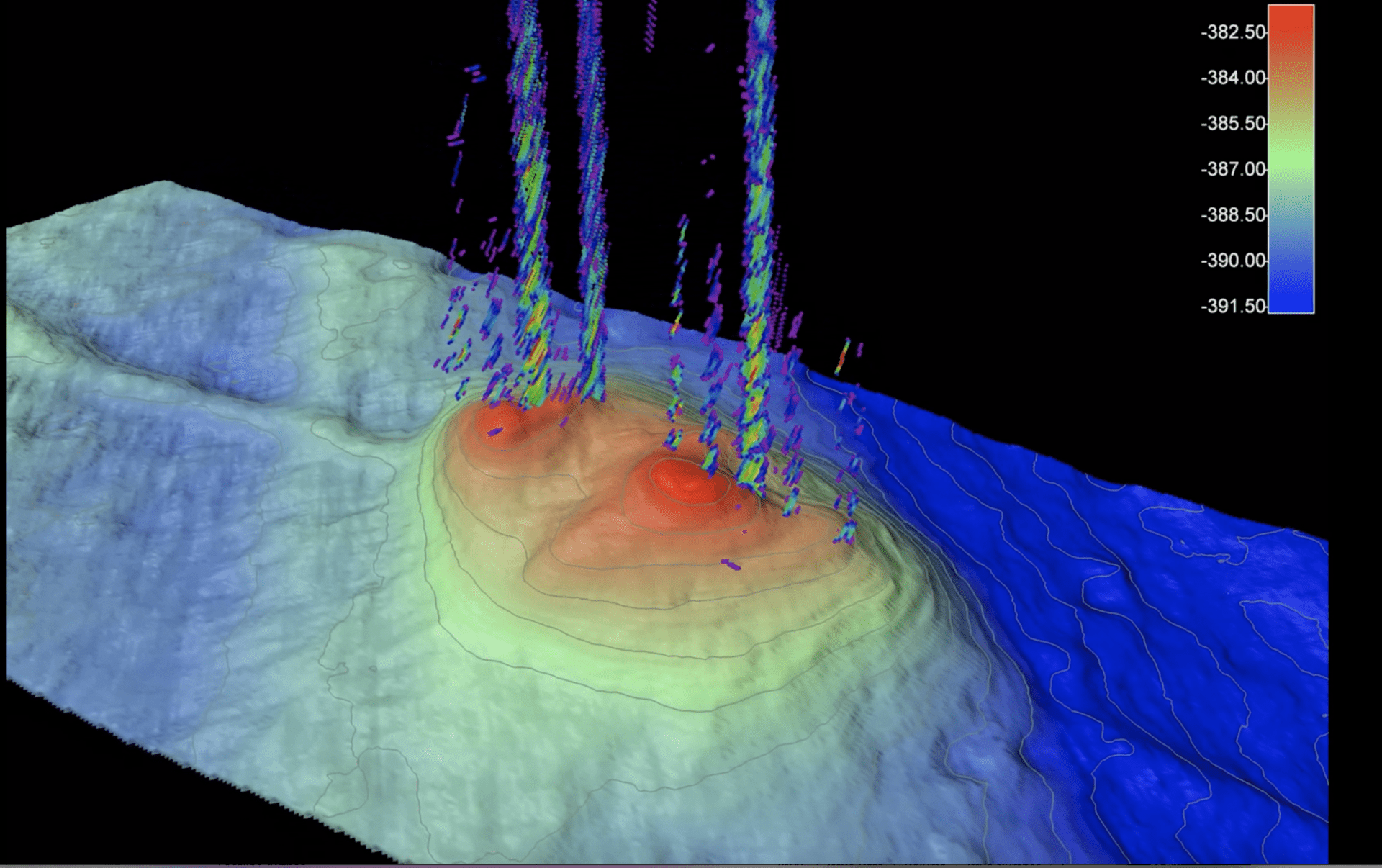
Domes of frozen methane may be warning signs for new blow-outs
Several methane domes, some 500m wide, have been mapped on the Arctic Ocean floor. They may be signs of soon-to-happen methane expulsions that have previously created massive craters in a near-by area.
Text: Maja Sojtaric
-
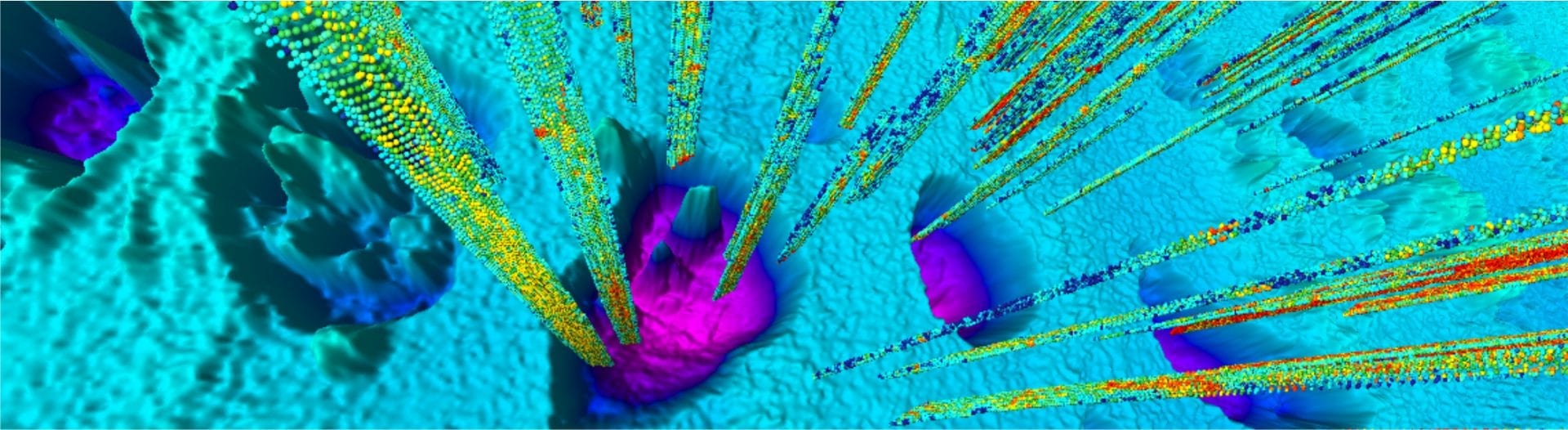
Massive craters formed by methane blow-outs from the Arctic sea floor
A new study in Science shows that hundreds of massive, kilometre –wide, craters on the ocean floor in the Arctic were formed by substantial methane expulsions.
Text: Maja Sojtaric
-
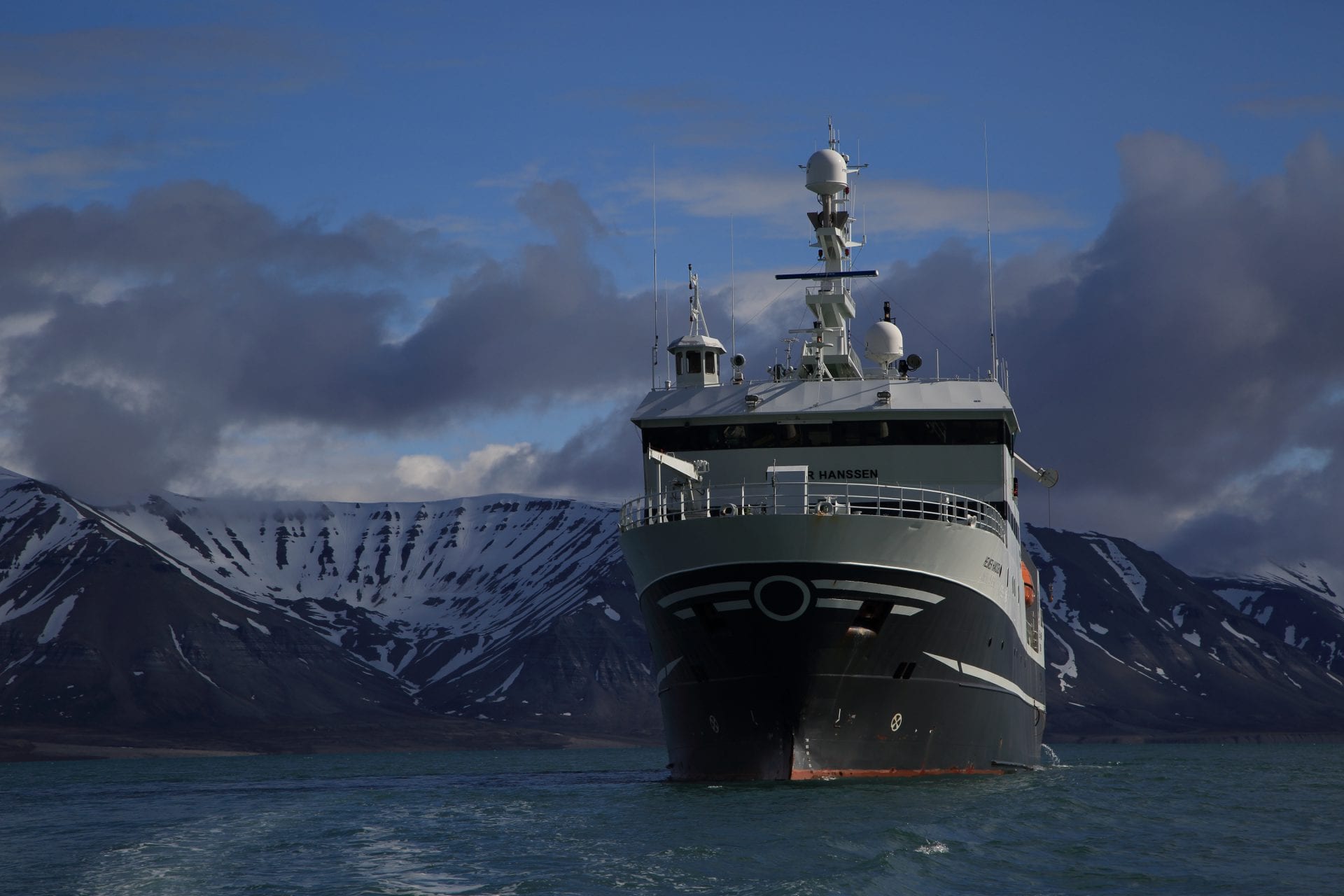
Ocean waters above methane seeps absorb large amounts of CO2
Surface waters above methane seeps in the Arctic Ocean act as CO2 sinks, new PNAS study shows. This may, surprisingly, mean that methane seeps can have a cooling effect on climate.
Text: Maja Sojtaric
-
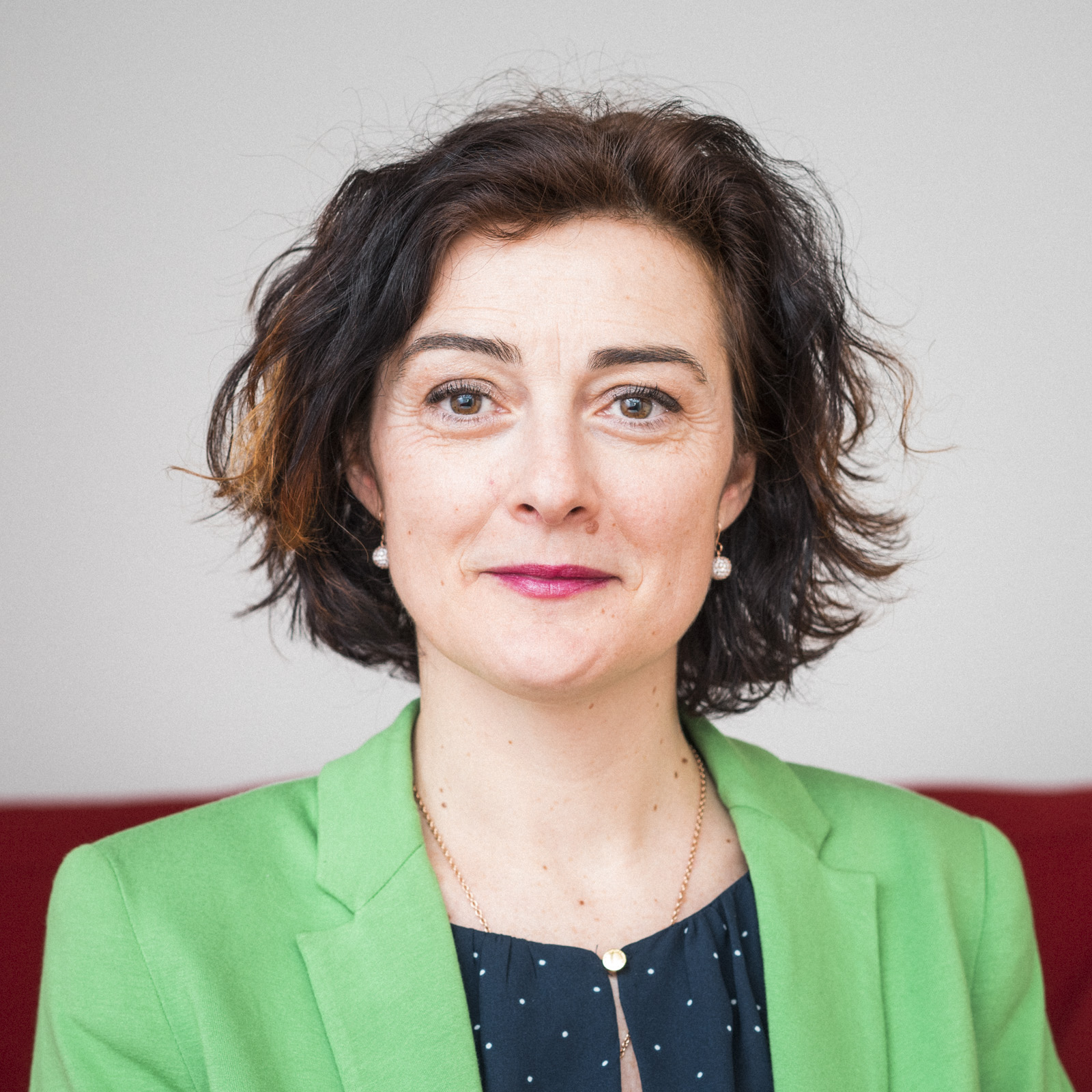
Giuliana Panieri elected president of EGU division
Associate Professor Giuliana Panieri has been elected president of Division on Biogeosciences at European Geosciences Union (EGU).
Text: Maja Sojtaric
-
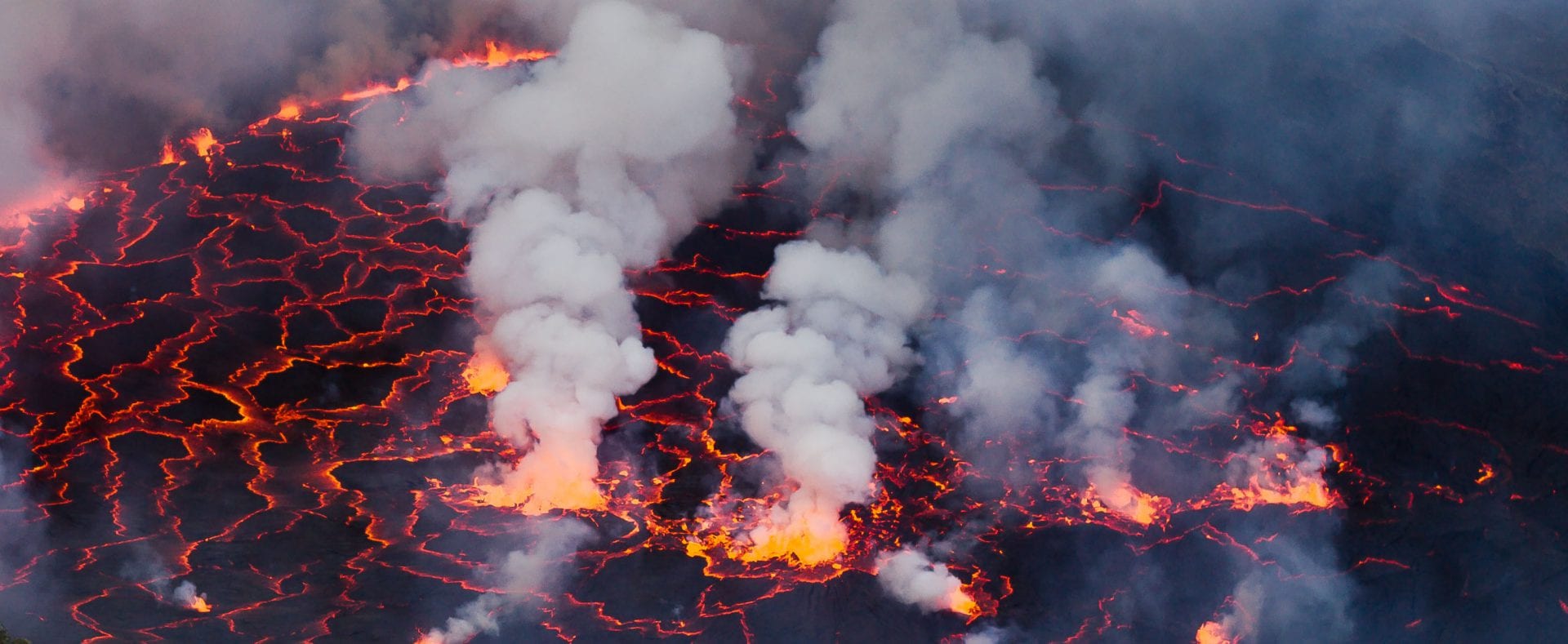
Battered Earth revived by mineral weathering after mass extinction
Bedrock of Earth got severely beaten up by hothouse climate conditions during one of planet’s mass extinctions some 200 million years ago. But the process also allowed life to bounce back.
Text: Maja Sojtaric
-
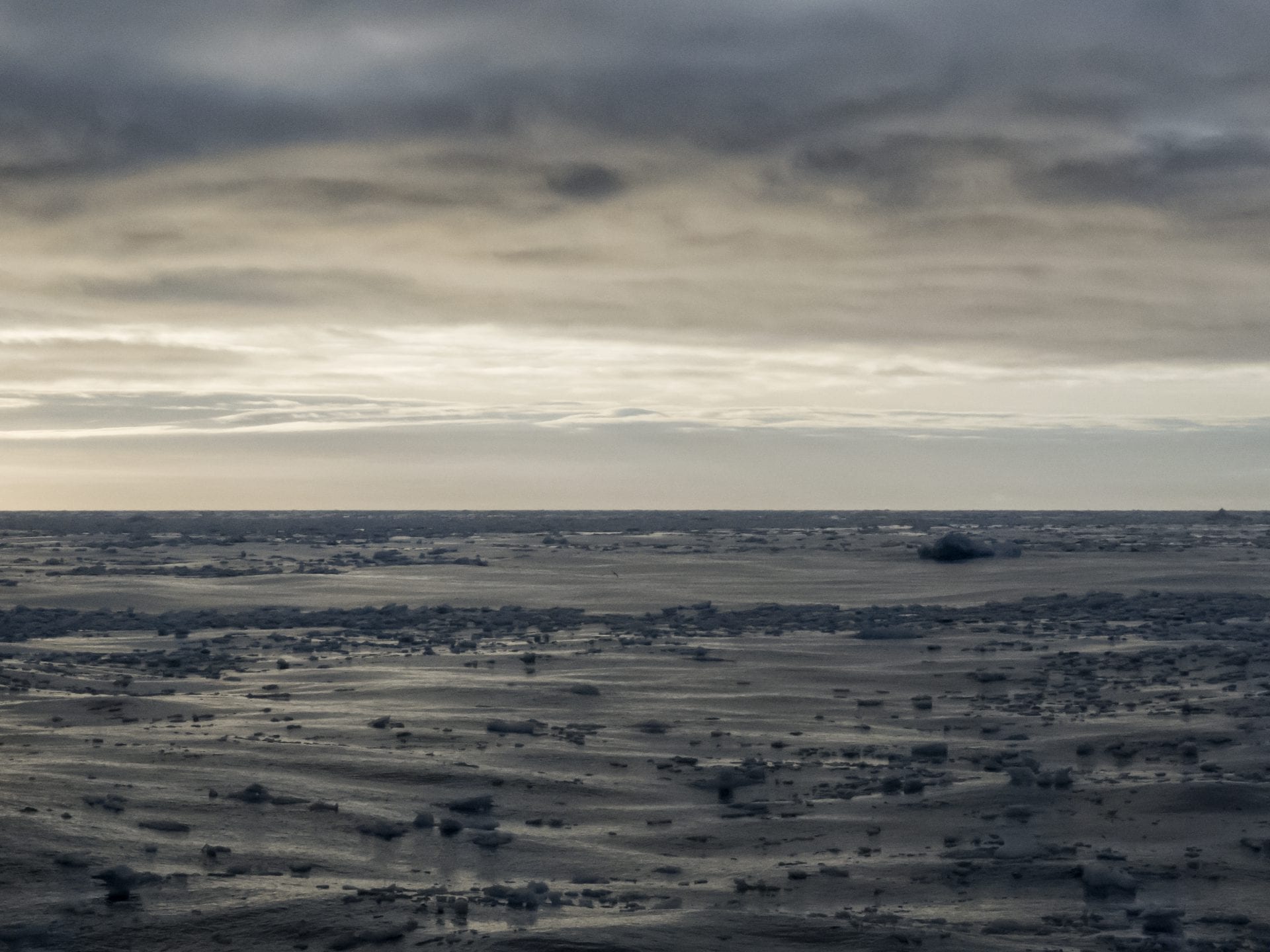
Northern oceans pumped CO2 into the atmosphere
Norwegian Sea acted as CO2 source in the past. It pumped the greenhouse gas into the atmosphere instead of absorbing it, as it does today.
Tekst: Maja Sojtaric
-

New reconstruction of an ancient ice sheet
A new model reconstruction shows in exceptional detail the evolution of the Eurasian ice sheet during the last ice age. This can help scientists understand how climate and ocean warming can effect the remaining ice masses on Earth.
Text: Maja Sojtaric
-
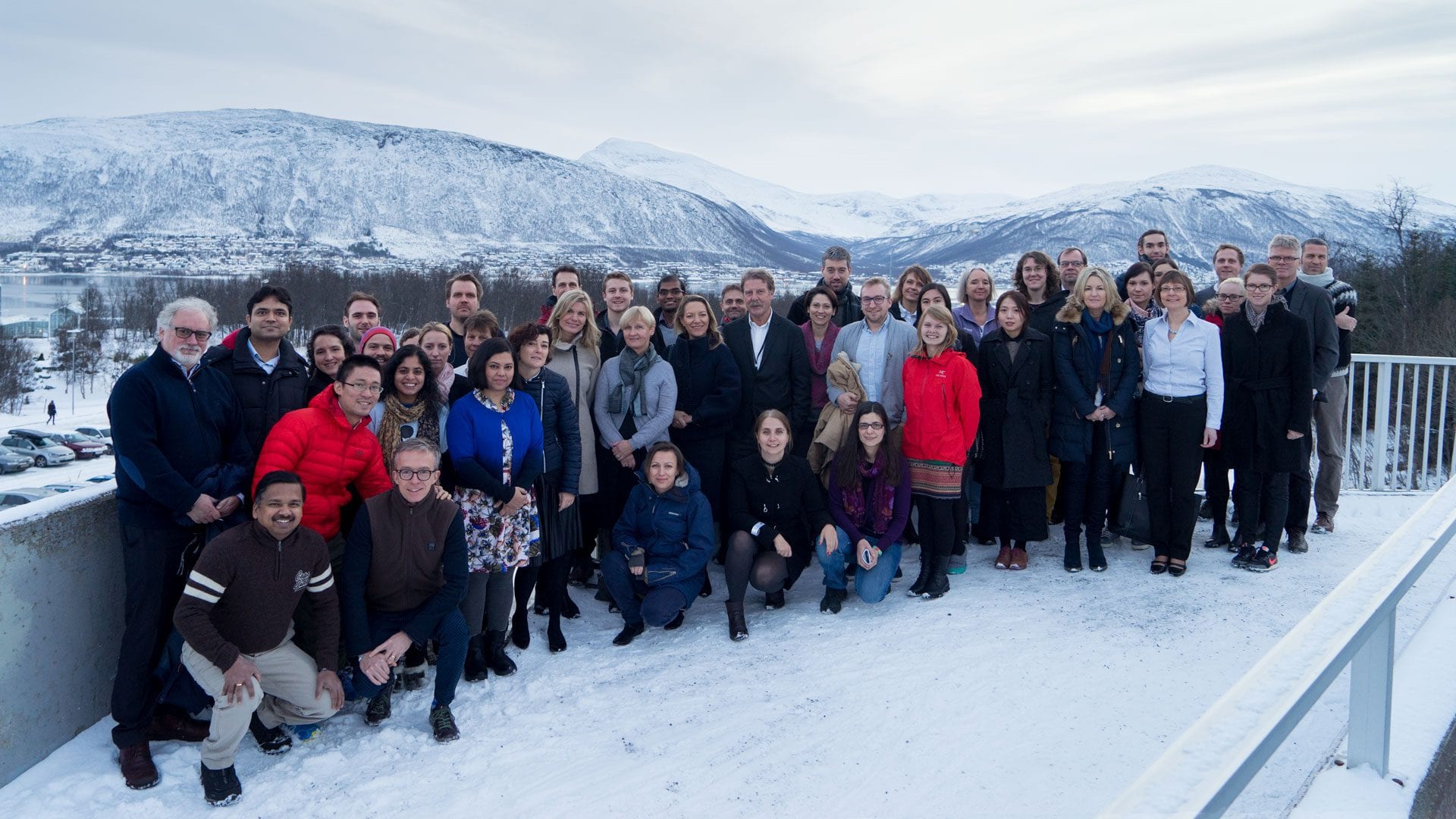
Happy New Year!
We wish you all a happy and successful 2017, and we are looking forward to new challenges and achievements for our scientists in the new year.
Text: Maja Sojtaric
-
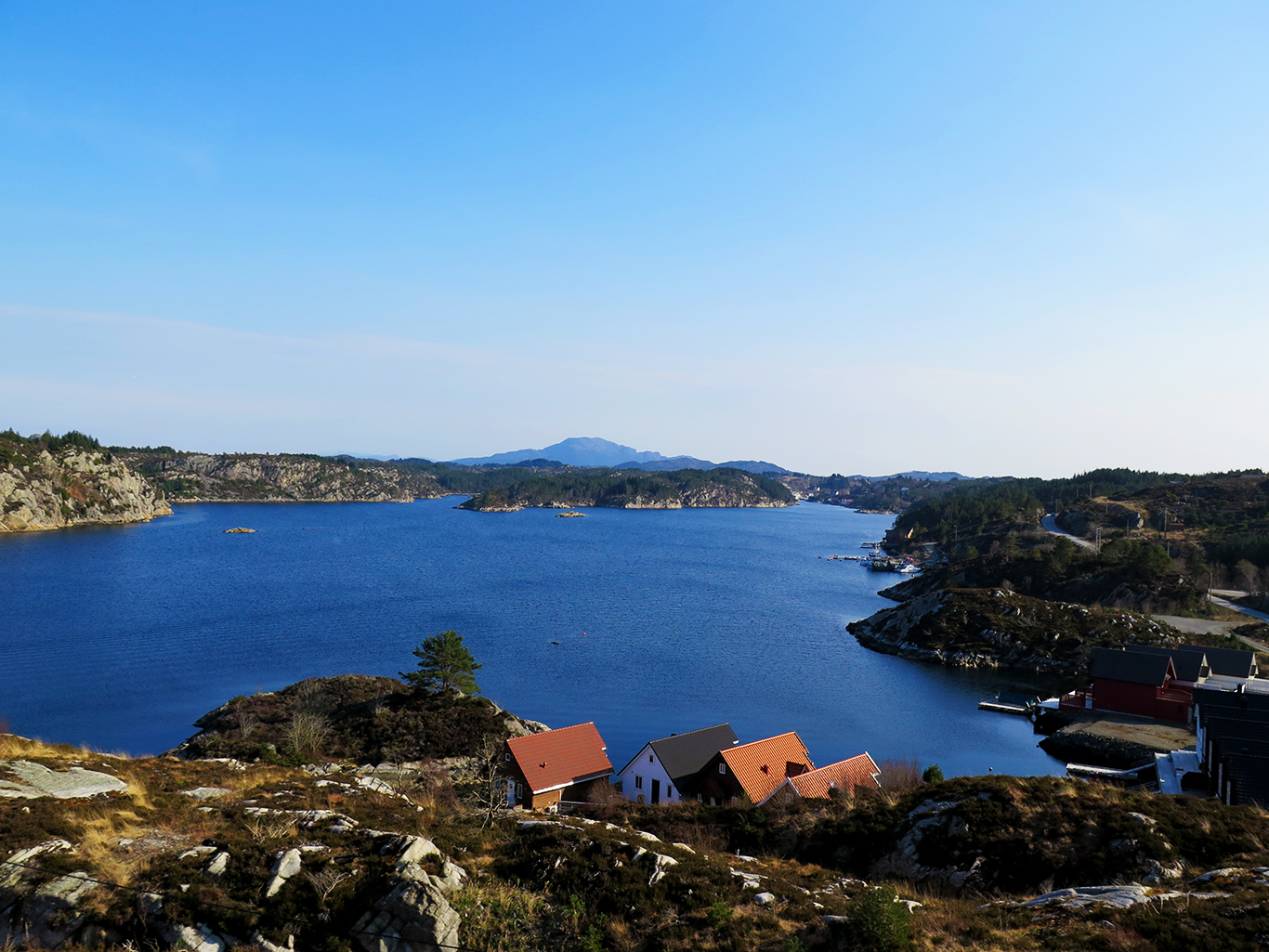
New study describes 200 million years of geological evolution
200 million years of geological evolution of a fault in the Earth’s crust has recently been dated. Published in Nature Communications, these new findings may be used to shed light on poorly understood pathways for methane release from the heart of our planet.
Text: Maja Sojtaric
-

Gender equality in Arctic STEM fields
CAGE has achieved gender equality among its scientist on all levels. How did this Arctic Centre of Excellence break the glass ceiling within fields of science, technology, engineering and math (STEM), which many others are struggling to reach?
Text: Maja Sojtaric
-
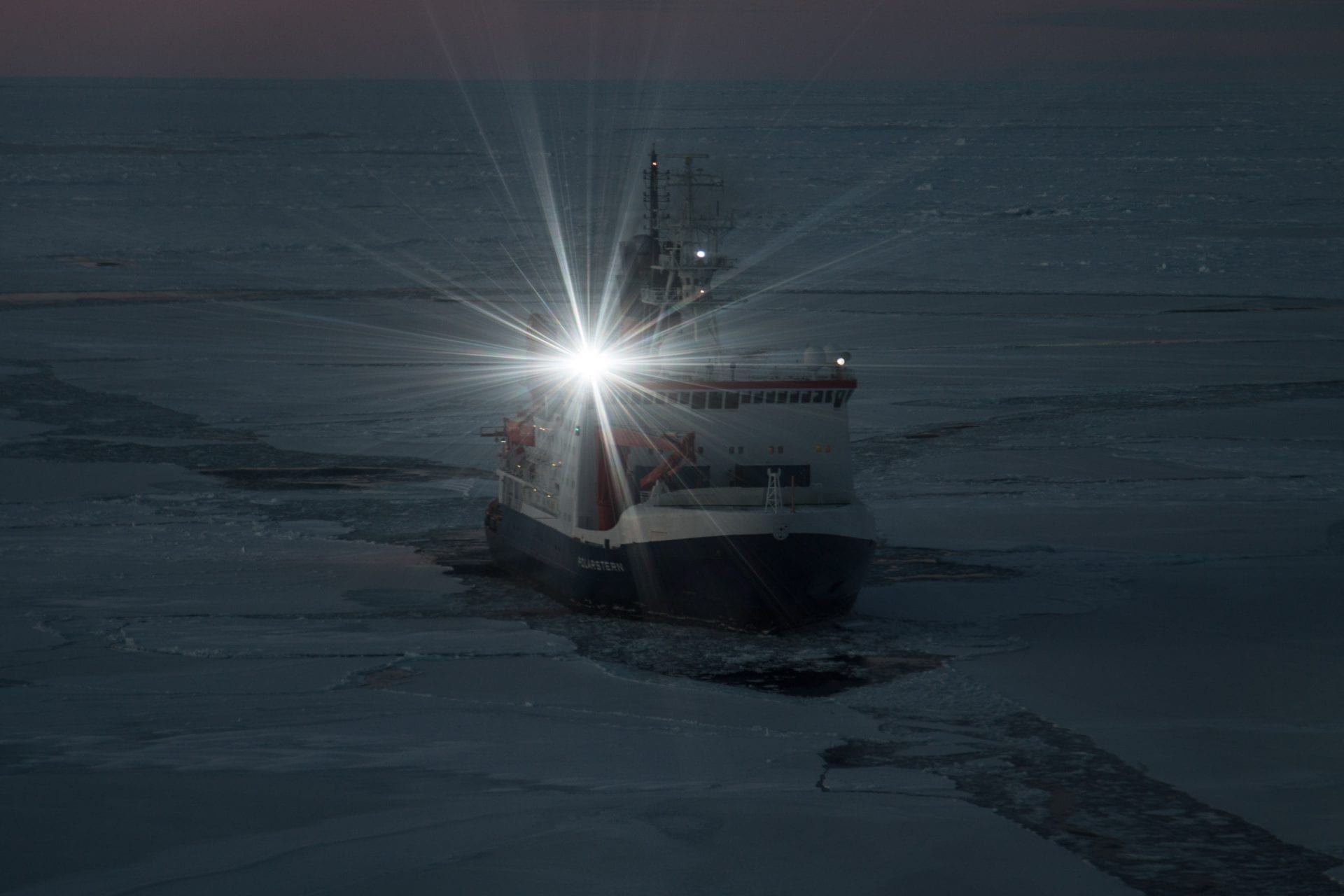
Into the thinning ice of the Arctic Ocean
Research vessel Polarstern reached new and barely explored areas of the High Arctic Ocean this October. The scientists on board found spectacular fauna on a little known seamount at 87°N.
Text: Maja Sojtaric
-
Record high greenhouse gas releases in 2015
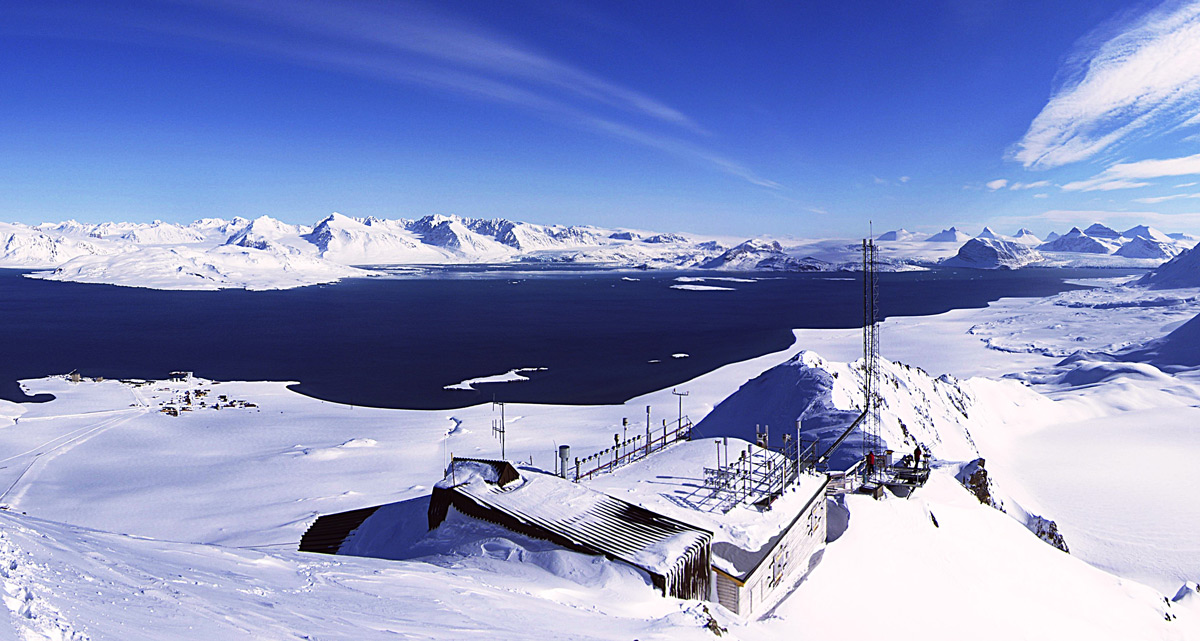
Global observations of greenhouse gases show that CO2 and methane releases have broken all records in 2015. Cathrine Lund Myhre from NILU and CAGE is worried about the current development.
Text: Maja Sojtaric
-
Around the world in four days
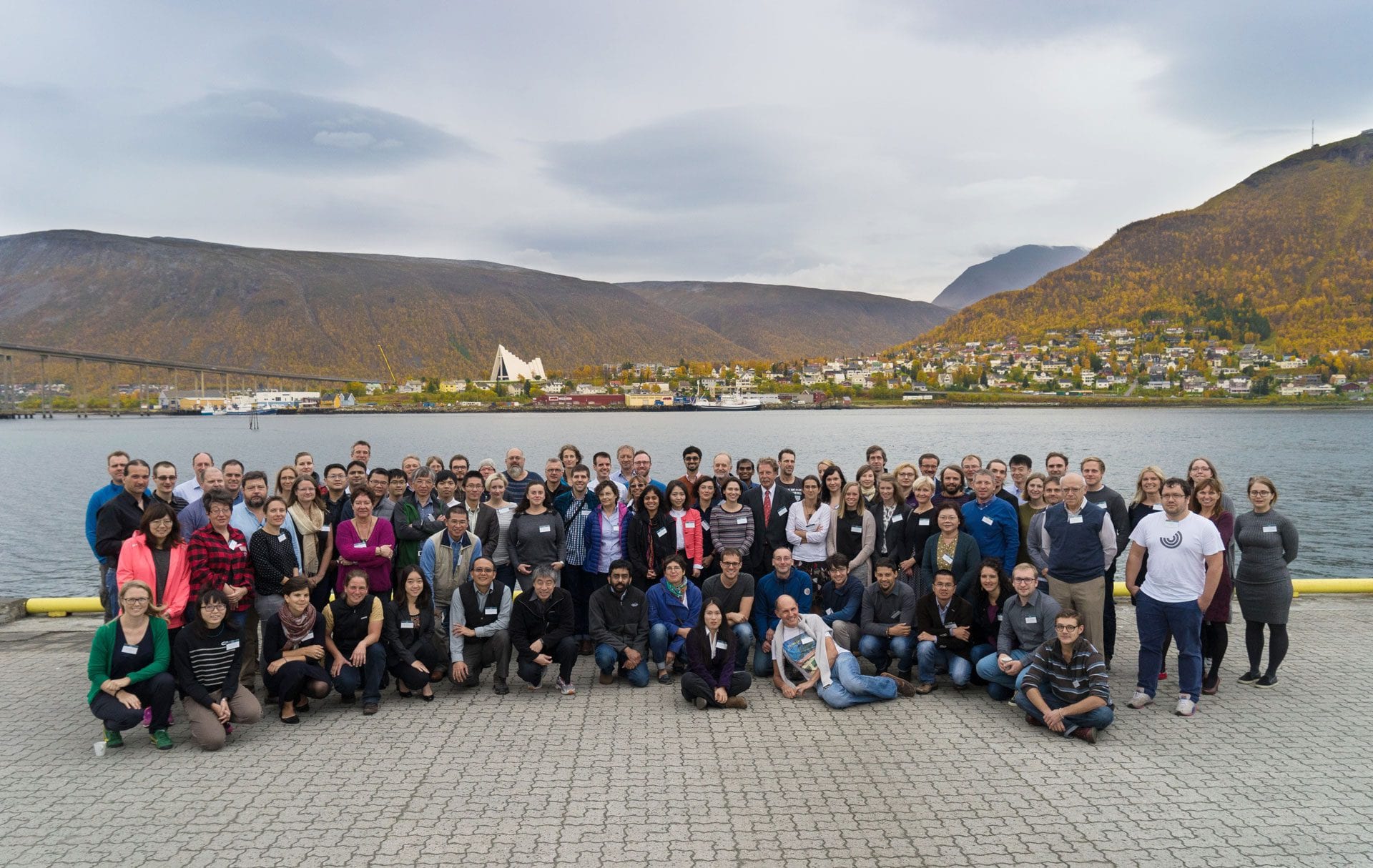
CAGE hosted 13th international conference on gas in marine sediments (GIMS) in Tromsø this week.
Text: Maja Sojtaric
-
New steering committee member: Kristina Helland-Hansen
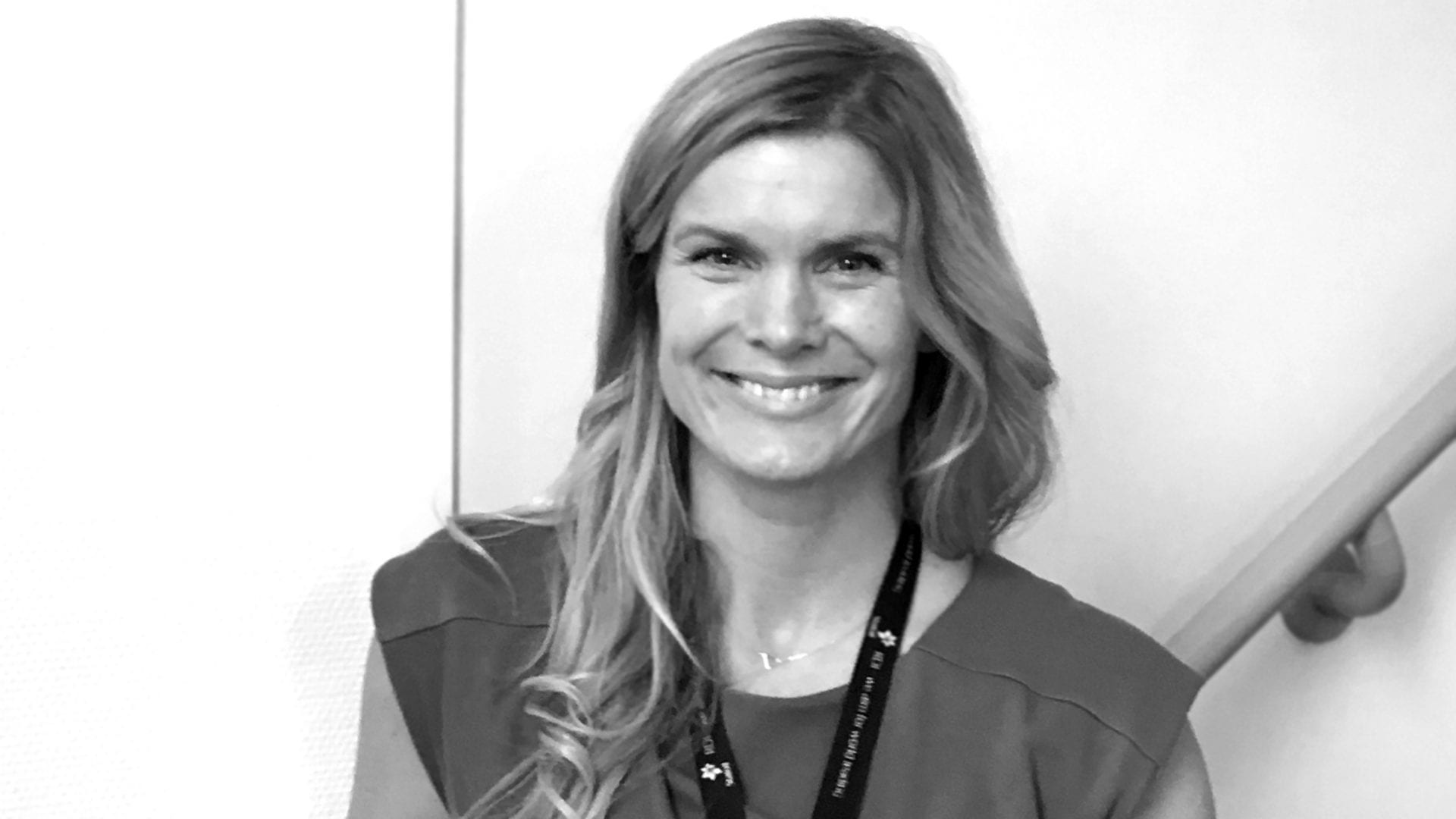
Kristina Helland-Hansen, head of Exploration Technology department at Statoil, has accepted a position as a permanent member of the steering committee for CAGE.
Text: Maja Sojtaric
-

Methane sensor retrieved by RV Polarstern
German research vessel Polarstern has retrieved a CAGE methane sensor from 2600-meter water depth in the Fram Strait.
Text: Maja Sojtaric
-
Sediments control methane release to the ocean
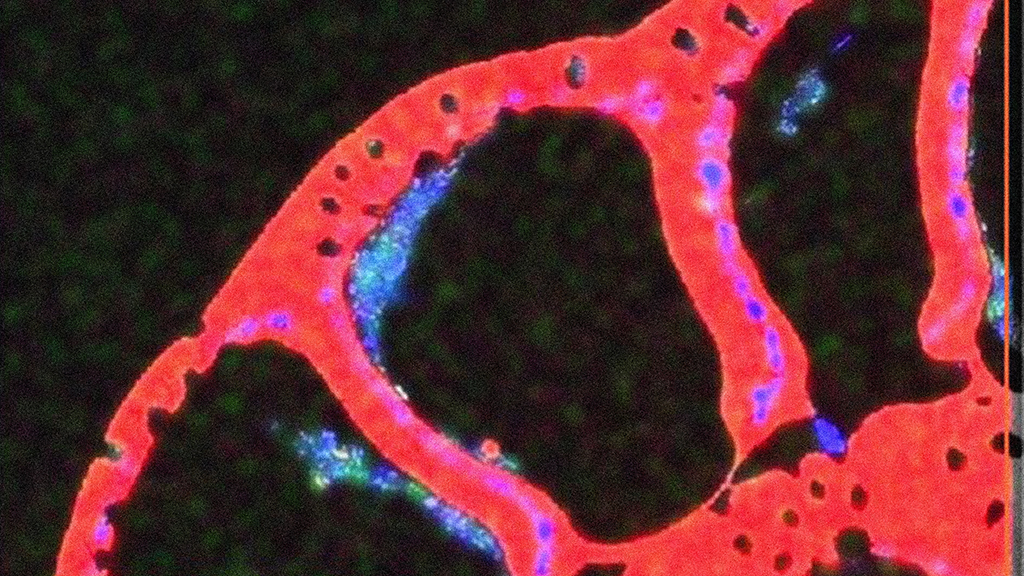
Whether greenhouse gas methane escapes from the ocean floor depends on the characteristic of the sediments, a CAGE study finds.
Text: Maja Sojtaric
-
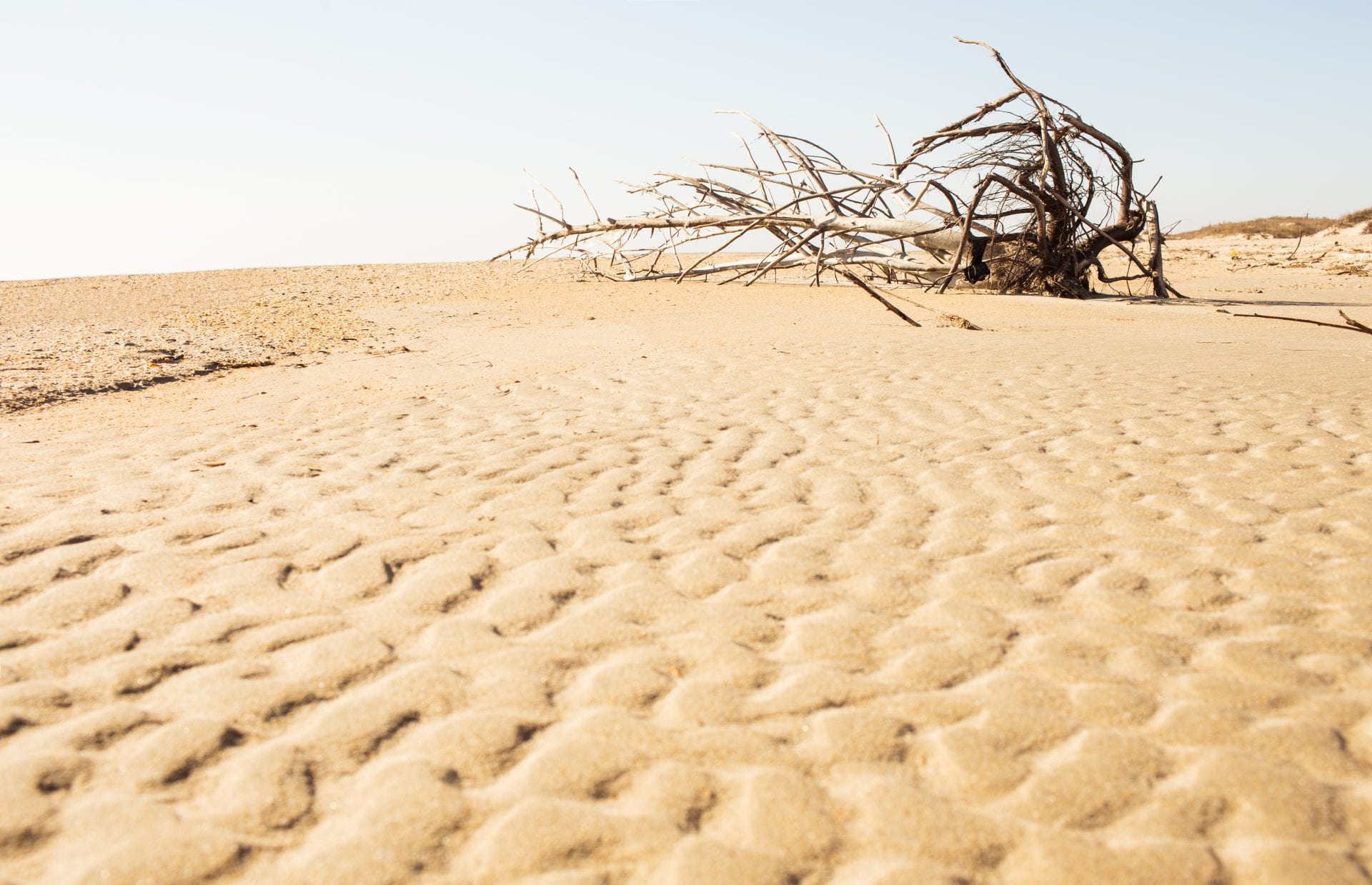
Arctic clues on worst mass extinction of life
Extreme global warming caused a severe mass extinction of life on Earth 252 million years ago. It took life up to 9 million years to recover. New study finds clues in the Arctic as to why this recovery took so long.
Text: Maja Sojtaric
-
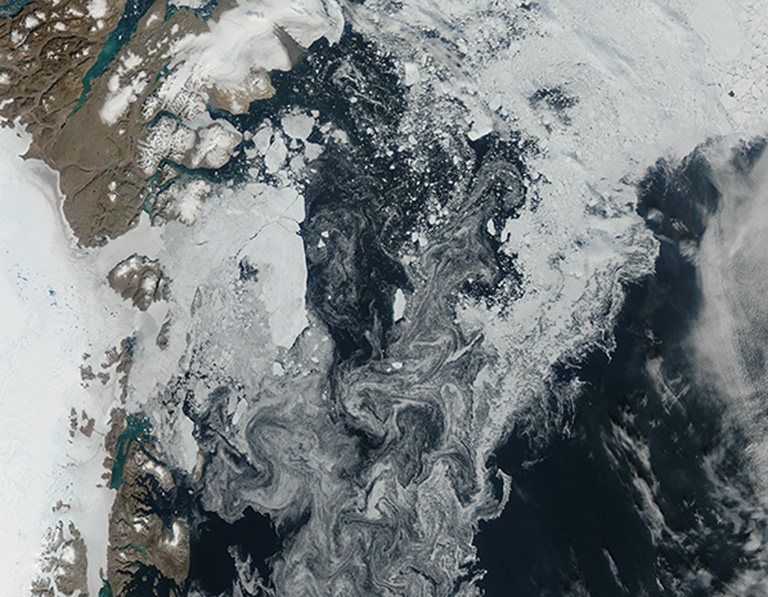
Sea ice strongly linked to climate change in past 90 000 years
Expansion and retreat of sea ice varied consistently in pace with rapid climate changes through past 90,000 years, a new study in Nature Communications shows.
Text: Maja Sojtaric
-
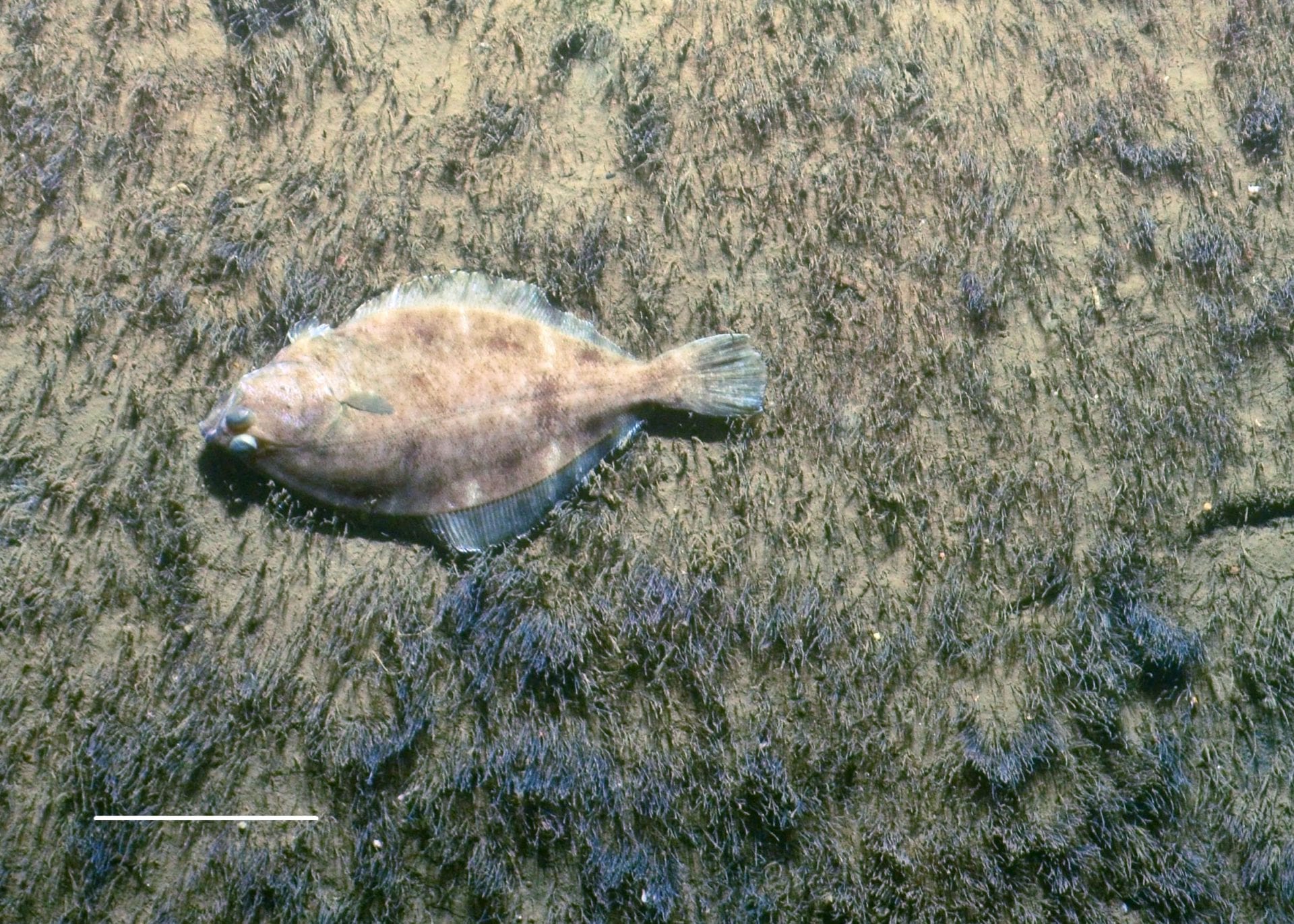
Specialized life forms abound at Arctic methane seeps
Methane seeps have strong effects on the community structure at the bottom of the Arctic Ocean.
Text: Maja Sojtaric
-

What does Arctic Ocean have to do with Indian monsoons?
The sea ice cover in the Arctic is important to more than polar bears and seals. It is also contributing to seasonal weather changes that each year affect millions of people.
Text: Maja Sojtaric
-
Successful ROV expedition to methane seeps in High Arctic
The expedition was a collaboration between two Norwegian centres of excellence – NTNU AMOS and CAGE.
Text: Michael Carroll/Vibeke Os/Maja Sojtaric
-
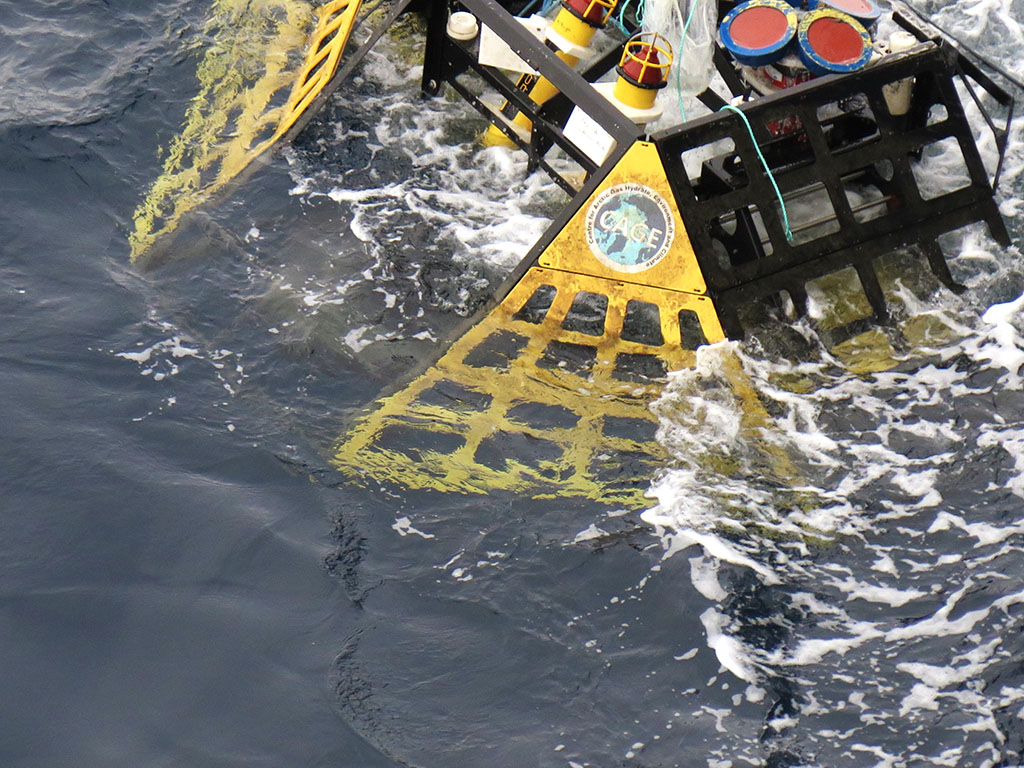
Observatories, long-term greenhouse gas data retrieved from the Arctic Ocean
CAGE scientists have recently retrieved two long-term observatories that have been sitting on the ocean floor in the Arctic for over a year. The recovery has been a success, yielding a year of unprecedented multi sensor data on Arctic methane release.
Text: Maja Sojtaric
-

CAGE PhD candidate receives Cushman Award
PhD candidate Katarzyna Melaniuk was recently rewarded Loeblich and Tappan Student Research Award by Cushman Foundation for Foraminiferal Research in USA.
Text: Maja Sojtaric
-
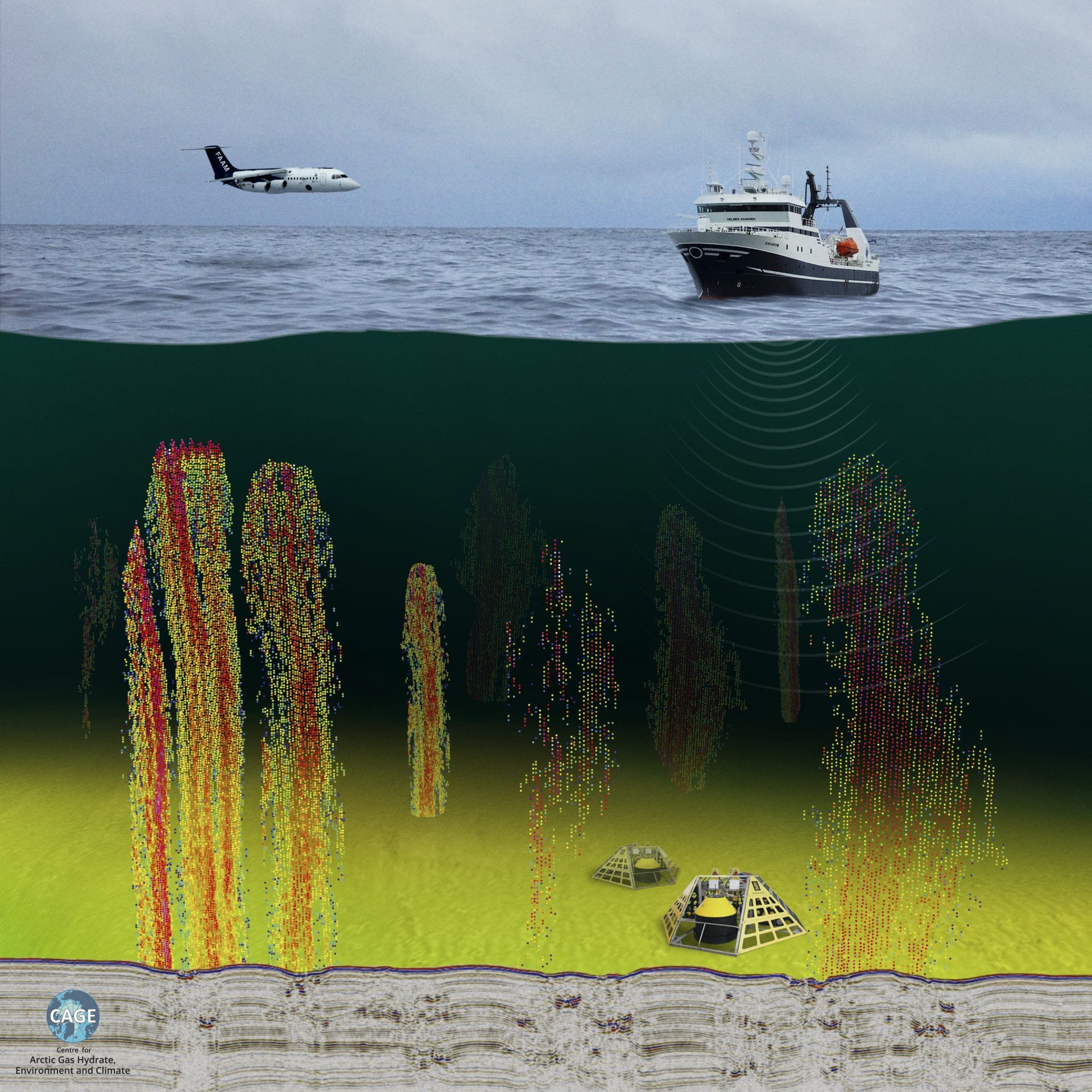
Methane not escaping into the atmosphere from Arctic Ocean
Methane gas released from the Arctic seabed during the summer months leads to an increased methane concentration in the ocean. But surprisingly, very little of the climate gas rising up through the sea reaches the atmosphere.
Text: Maja Sojtaric (CAGE) and Christine F. Solbakken (NILU)
-

Retreat of the ice followed by millennia of methane release
Methane was seeping from the seafloor for thousands of years following the retreat of the Barents Sea ice sheet, shows a groundbreaking new study in Nature Communications.
Text:Maja Sojtaric
-

Drilling for gas hydrates in the Arctic
We don’t know enough about the amounts of methane stored under the sea floor. CAGE is going on a summer drilling campaign to make better calculations on quantities of this potent greenhouse gas in the form of ice – so called hydrate.
Text: Maja Sojtaric
-
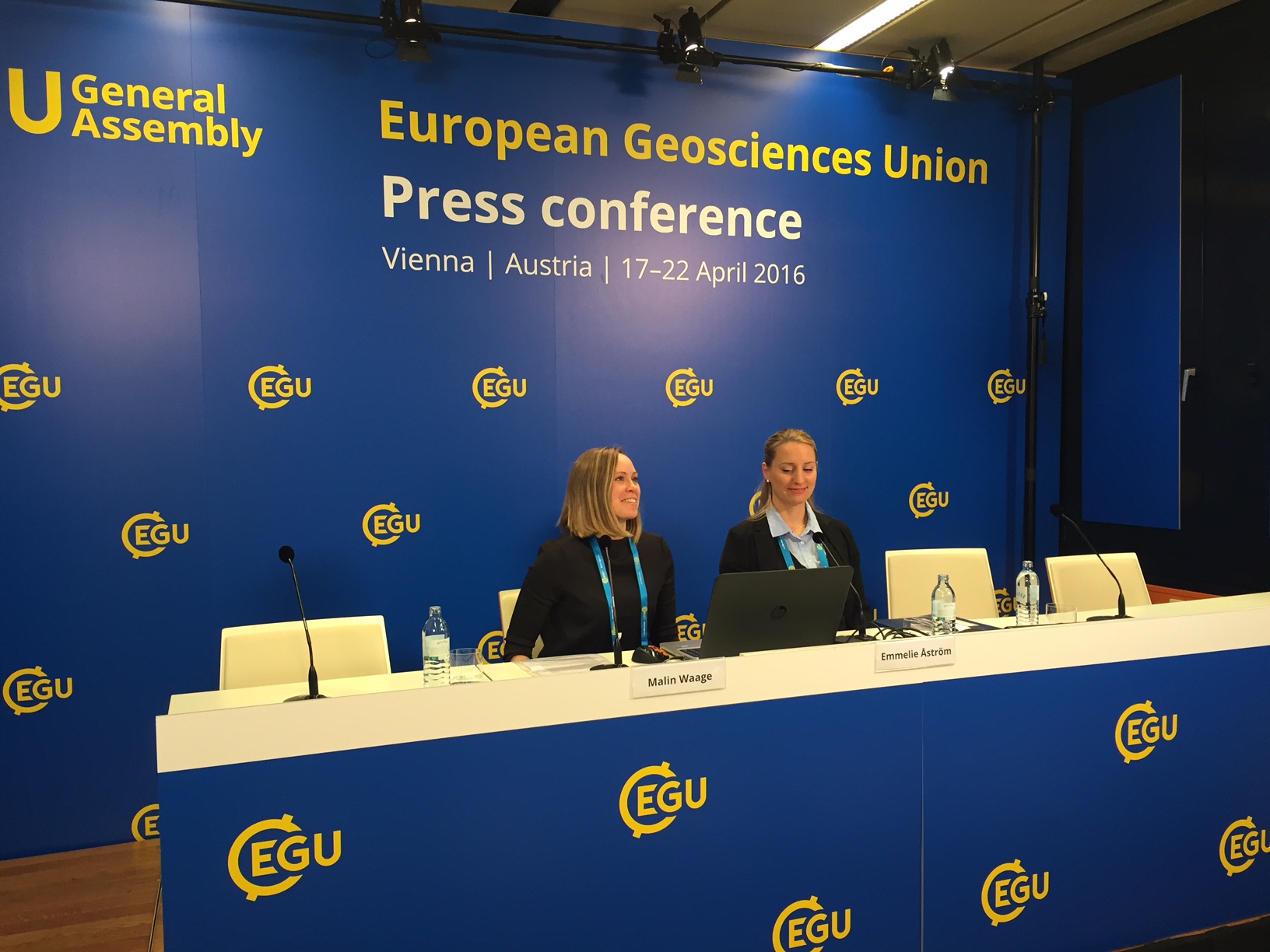
Giant craters and fauna thriving on methane
Two early career scientists from CAGE, Malin Waage and Emelie Åström, held a press conference at the General Assembly of the European Geosciences Union. (more…)
-
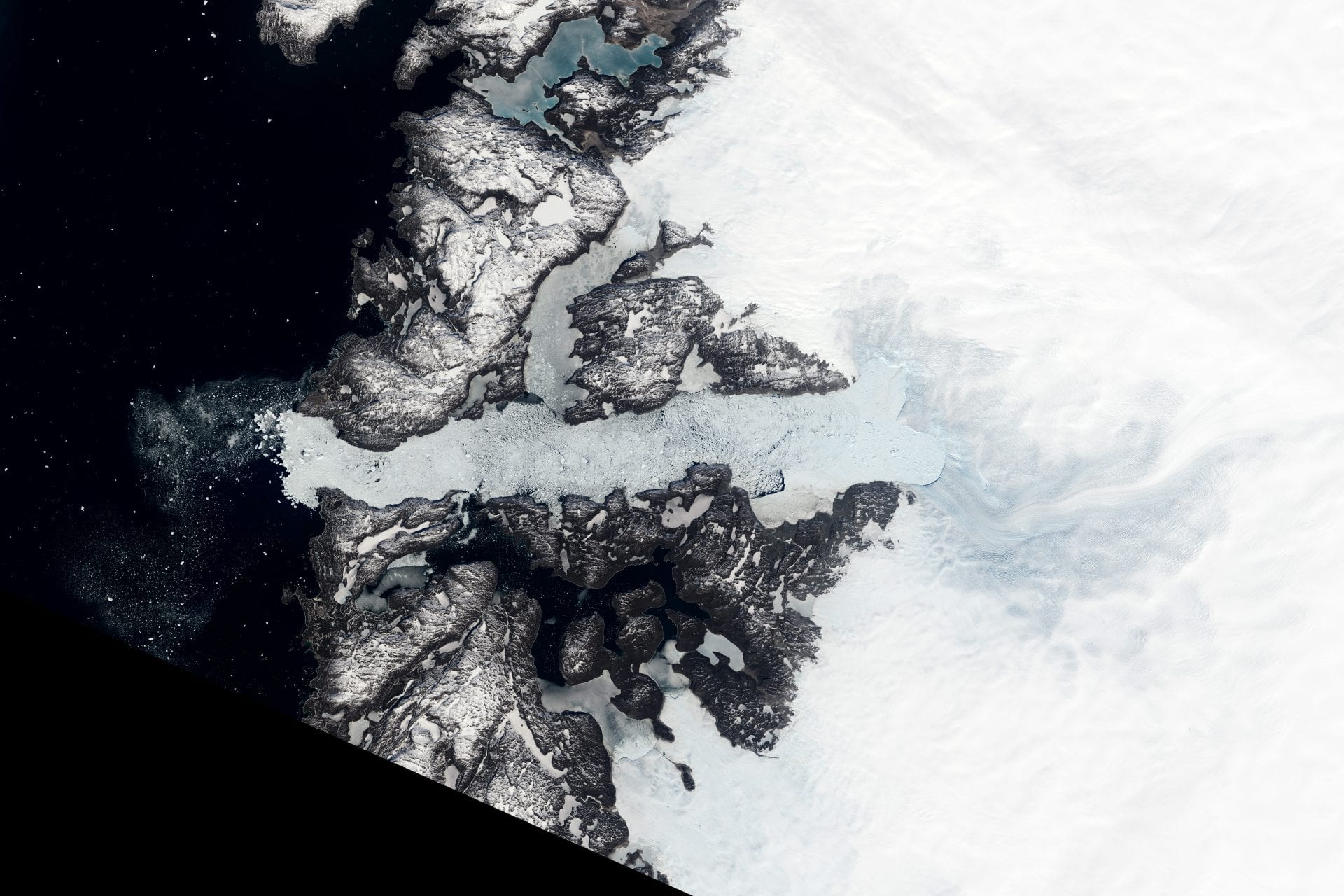
Ice streams can be slowed down by gas hydrates
A sticky spot the size of a small island once slowed down a large ice stream. It was comprised of gas hydrates according to a new study in Nature Geoscience.
Text: Maja Sojtaric