Planning phase
Step 4: Detailed assessment of the socio-ecological system

In this step you want to gather detailed and expert knowledge on (a) the ecosystem, (b) economic, social and cultural values, and (c) the governance system in your project area.
Your goal is to gather concrete data, knowledge and information that can inform your management actions. The assessments can happen simultaneously and cross-fertilize each other.
Data and information.
a) Assess the ecosystem
Here you can make use of existing monitoring and mapping efforts.
Compile temporal and spatial data on biodiversity and ecosystem processes in appropriate detail to inform your management plan.
- Important ecosystem components (biodiversity inventory, key-stone species, food-web
- Important processes in the ecosystem (ecosystem processes and functions, alternative stable states)
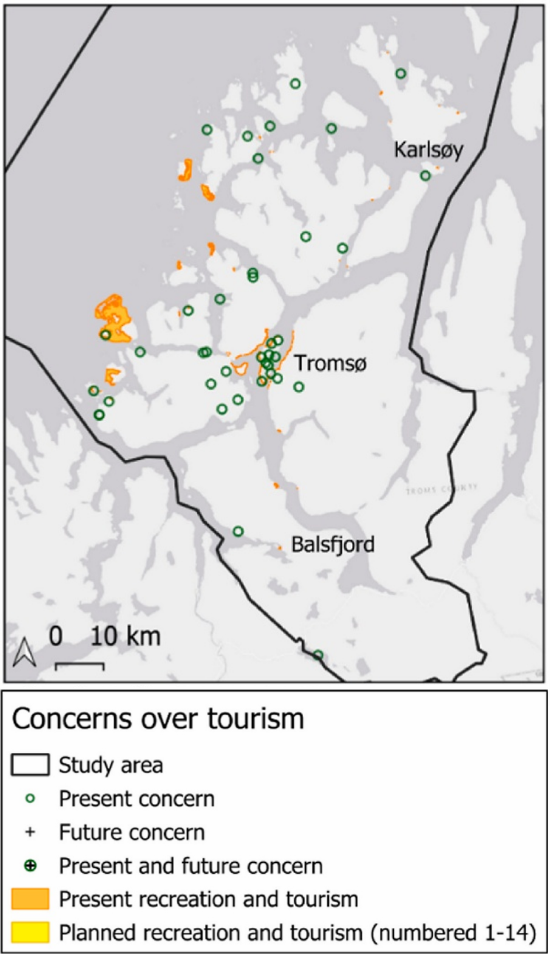
- Important drivers affecting the ecosystem (climate change, harvesting patterns, invasive species, other human activities and pressures e.g. tourism areas, fishing areas, harbours and fishing lanes)
Be aware: Data collection often comes without a natural endpoint; we tend to always look for more data and more certainty. EBM often has to operate in a state of uncertainty. Make sure to not fall into analysis paralysis and move on to the next steps, observing the precautionary principle
b) Assess local’s economic, social and cultural values
Compile quantitative and qualitative data on ecosystem services in your area. Gather information on how much and in which way natural resources are used
- Common pool or excludable
- Ecosystem services: supporting, regulating, provisioning, cultural
Which benfits supplied by nature do people enjoy?
- Catch and by-catch, harvest rates, quotas, number of life-stock
- Area for aquaculture
- Infrastructure developmentsNumber of tourists and visitsCultural activities and areas
- Frequency of visits, harvest…
How much ?
- Hotspots
- Areas
- Transportation
- Overlaps
Where?
- Depleting or non-depleting
- Methodologies and techniques
How?
c) Assess existing environmental governance systems and regulations
Compile an overview of regulatory entities and layers to integrate your management plan. Your goal is to gather concrete information on how your actions can fit into the legal preconditions and existing regulations.
- Identify laws and regulations that could apply to your management actions
- Identify the level of governance and institutions needed to approve your management actions
- Identify existing protected areas and other conservation regulations already in place (marine spatial plans, aquaculture, pollution regulations)
- Assess how your management can contribute to the existing plans and management initiatives
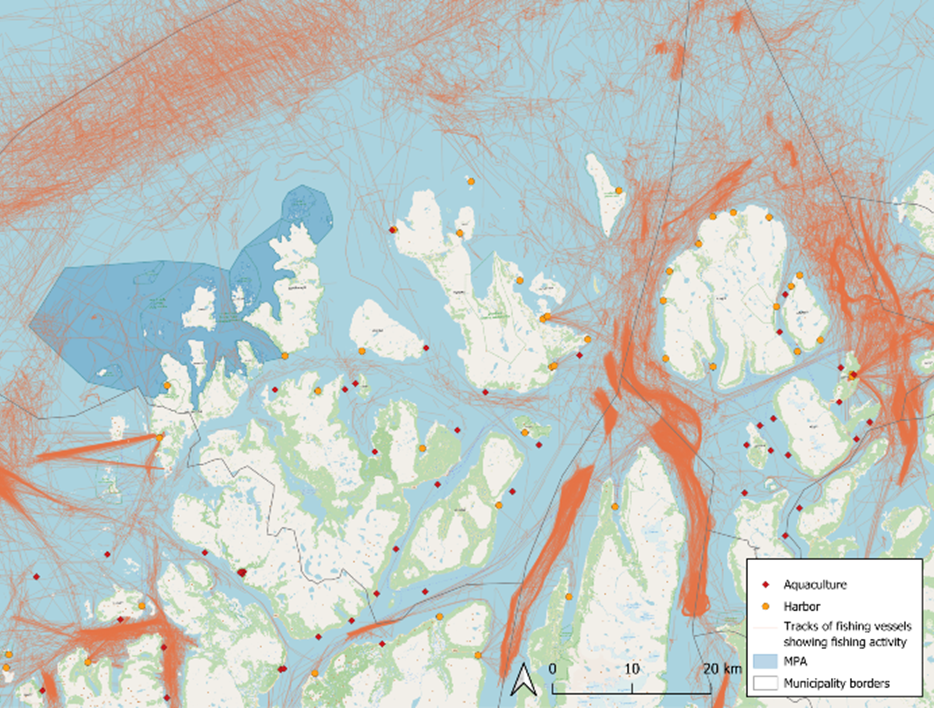
EMB governance system for Karlsøy
There is currently no existing governance system for coastal EBM on the municipality level in Norway. However, EBM can be implemented in existing management systems including coastal marine spatial planning, management plans for marine protected areas and municipal plans for biodiversity. The EBM planning work in Karlsøy was included in the management plans for the protected areas and in the municipal plan for biodiversity.
Avoid the analysis paralysis:
«When in doubt, act to protect!»
The precautionary principle:
“Where there are threats of serious or irreversible damage, lack of full scientific certainty shall not be used as a reason for postponing… measures.”
Rio Declaration on Environment and Development (1992), Principle 15