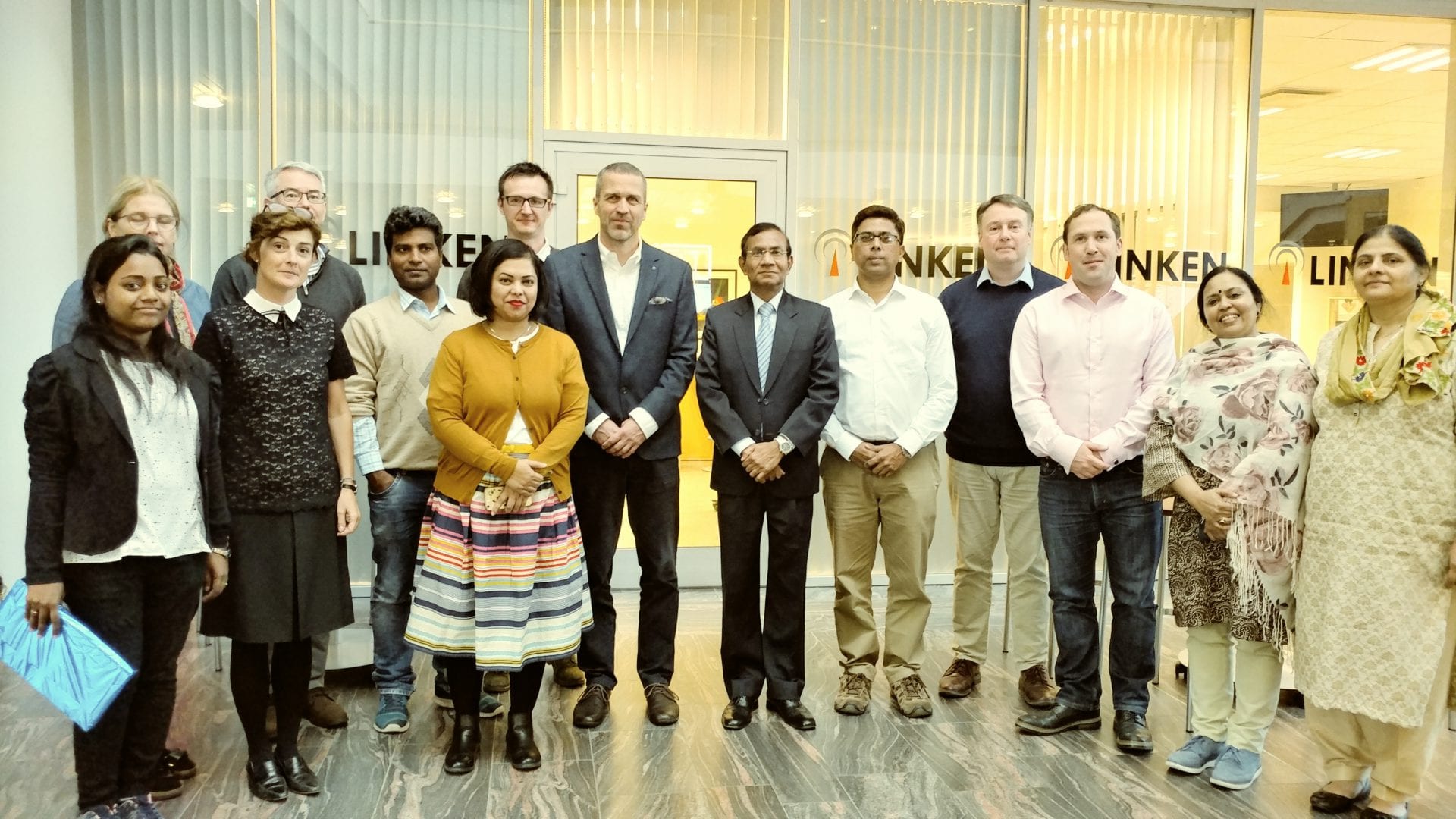
Author: mes008

  • Always be afraid of DNA contamination!

    Always be afraid of DNA contamination!

    Text and photos: Danielle Grant and Kristine Steinsland, NORCE Climate

    Danielle and Kristine here! We are two PhD students from NORCE Climate, based in Bergen.

    Our research is part of the larger project, AGENSI: A Genetic View into Past Sea Ice Variability in the Arctic. The Arctic is drastically changing and there may soon be summer without sea ice. However, the impacts of a warming Arctic on regional and global climate systems are not well understood. We can use knowledge of past sea ice variability to understand the role of sea ice on Arctic climate, and learn more about our current situation. To do this we do sea ice reconstructions based on observational data (satellite and historical records) and sea ice proxies.

    To understand the role of sea ice on the Arctic climate we reconstruct past changes in sea ice based on observational data (satellite and historical records) and sea ice proxies. Photo: AGENSI

    Our main goal on board is to collect surface sediment samples from multicores—which we will analyze back in Bergen for environmental DNA, IP25 biomarker, and palynology. Environmental DNA is an emerging tool for sea ice reconstructions, spearheaded by the AGENSI group. As we build confidence in this new proxy the surface samples collected during this cruise will contribute to a surface sediment database. The database will provide a calibration for our suite of proxies, which can then be applied for paleo-reconstructions of sea ice (hopefully on a core ranging back 150,000 years from this cruise)!

    After 20 days onboard we have collected 32 multicores ranging from 100m depth to 2500 m. When we process a core, we first clean away the mud, and then wash with a chlorine solution (This is the first of many cleaning steps!) The core is then delivered to the molecular lab to one of us already dressed in a paper suit, hairnet, particle mask, safety glasses and double gloves! The core is then immediately cleaned with chlorine… again…twice. These cleaning steps are critical to ensure no DNA contamination! Always be afraid of DNA contamination!

    Once things are clean, we can then take our surface samples using sterile instruments. Sampling the surface of a multicore is quite exciting! The MC preserves the sediment-water interface, meaning that you get an intact slice of the sea floor. So far, we have encountered plenty of tube worms, burrowing worms, and even a lively starfish!

    Cleaning the samples is crucial to collect pristine DNA. Photo: AGENSI

    For some locations we also do a full downcore sampling, meaning we sample every 2cm of a split core. We like to think of this as ‘sediment surgery’—we have another designated clean lab exclusively for DNA downcore samples. The different levels of clean would not be possible without being on board KPH, it is a great luxury to have such control on the lab space and really limit any chance of contamination.

    When we aren’t sampling (or cleaning), we can usually be found in the mess room (the juice on board is amazing) or on the observation deck with coffee! The coffee may be just as important as all the cleaning for our success!

    The last few days have been exciting and busy with a lot of coring sites. We were slow to realize just how dark things have gotten outside! As things get darker and colder, we plan to visit the ship’s sauna we hear so such wonderful things about! Until then, happy cleaning and stay cool… like sea ice!

    If you’d like to read more about AGENSI, visit agensi.eu!

  • Chief Scientists Diary: Jochen Knies

    Chief Scientists Diary: Jochen Knies

    November 3: On Overconfidence and High Spirits

    Well, we became quite confident in what we were doing. Cores came on deck every day and we were making such fast progress that I was already thinking about alternate sites. Great team spirit on deck reduced the time of core handling, and the station map was rapidly filled up with core locations. Too much confidence though, makes you forget where you are.

    We hit something harder than we thought we would hit. The result: Another bended core being hauled on board RV Kronprons Haakon. Photo: Jochen Knies

    The Svalbard continental margin is unpredictable and even with the best possible visualisation technology used on the sediments below the seafloor, one cannot exclude a sediment layer with stiff clay or dropstones released from melting icebergs. We lost a few hours due to another bended core, but still saved 12 m of core material. Now we will drop the very long (~25 m) piston corer for the remaining days at sea and will start building up our confidence again with the shorter (17 m) one.

    Wizards on deck. Dag Inge Blindheim (NORCE), Stig Monsen (UiB) Photo: Renata Lucchi

    Perhaps, you readers will get a bad impression about the success of this cruise when you read my diary. It reminds me of summer holidays on the French Atlantic coast. You hardly remember the numerous sunny days at the beach, but tell your mates at home about the massive flood which almost destroyed your tent. Same here! I am pretty sure that the 200 m and more core material we have collected during the past 2 weeks will eventually provide some exciting breakthrough knowledge. But the first thing I will tell my mates when I come home  is how things were delayed due to some bloody bended cores.

    We have collected samples from 15 stations so far. Illustration Sunil Vadakkepulyambatta
  • Long days and beautiful views

    Long days and beautiful views

    Text and photos: Remi Vachon


    WEDNESDAY, October 30, 2019. It is my first time on a research vessel. Needless to say, I was very excited about the idea of going on a scientific adventure for three weeks. We started 10 days ago and even though the initial excitement has worn off a bit, I am still amazed by the landscape we are passing through. Witnessing the sea ice is truly a once in a lifetime experience. A bit of presentation: I am Rémi Vachon, a postdoc fellow from CAGE, Tromsø, involved in the SEAMSTRESS project managed by Andreia Plaza-Faverola. I was sent to research vessel Kronprins Haakon in order to test the geomechanical properties and orientation of the calypso cores.  From those measurements, and other investigations, we aim to constrain the regional stress at specific locations along the Vestnessa ridge, a key area for gas hydrate formation.

    We have various tools to our disposition. One of them, the magnetic sensor, is used to calculate the angle between the long axis of the sensor and the geomagnetic north. When fixed on the Calypso corer, the sensor gives us the absolute orientation of the core at any time. There is however one potential problem: The sensor is attached to a huge weight (see picture below), partially made of steel which generates its own magnetic field and has a big influence on the orientation data recorded by the magnetic sensor. We are, unfortunately, not yet certain that the orientations we are collecting will be of any use.

    Most of the work we do takes place on the main deck. When receiving the calypso or gravity cores (length varying from 10 to 20 m so far), the 6 m long liners containing the sediments are cut into 1 m long sections by Martin, our team leader and expert “sawsman” . Then, each member of the team oversees a specific task. Marianna and Carmen label the sections and look at the lithology, Lina and Simone measure the density, the water and gas content of the sediment, Danielle and Kristin are looking for ancient DNA (to later open their own Jurassic park) and I test the shear strength on each section with my portable shear tester ( see photo below). When we are flooded with work, the second team (Renata, Ragga, Nessim, Steve, Sacha and Griselda) comes to support us, which definitely lightens our burden. According to the cruise leader, Jochen Knies, we are doing a good job onboard, everything is going smoothly, and we are currently even ahead of schedule.

    The last four days have been very hectic though, as we didn’t have much transit between the stations (transit = chilling on a scientific cruise). Today should allow for some more free time and a perfect opportunity to reload our batteries. Tomorrow, we will be back to the SEAMSTRESS sites of interest. Hopefully, all the coring will go smoothly 😊.


  • Chief Scientist’s Blog: Jochen Knies

    Chief Scientist’s Blog: Jochen Knies

    October 28, 2019: It is all about teamwork

    The routines onboard are now settled. Everyone has found their role and the good performance on deck is continuing. I appreciate all the help the team, researchers, students, and crew provide me to make this cruise a success. Shortening the Calypso Giant Piston corer to 17 m was a good decision. We cored one fault with seeping methane on the Yermak Plateau (10 m) and nicely stratified, fine-grained sequences northwest of Svalbard (~15 m), within the main pathway of northward flowing Atlantic water masses. We have now visited 9 stations and our cooling container is already halv full with new material.

    Map of our stations so far. Image: Sunil Vadakkepulyambatta

    Today, the Polar night is rather chilly and work on deck becomes a challenge. After 12 hours with intense coring and profiling, a long transect into the central Fram Strait awaits us. We will sail towards the Hovgaard Ridge, a microcontinent in the middle of the deep water passage between the Arctic Ocean and the Atlantic. Here, we will look for traces of fossil icebergs once floating through the strait and try to identify its age. Exciting stuff!

    October 30, 2019: Arctic challenges on deck

    An Arctic coring expedition in November is challenging for both ship, crew, and scientists. With the aim of coring 20 m and more, plenty of time is required on deck to prepare various types of equipment.

    Stig Monsen (UiB) at work in a chilly polar night. Photo: Jochen Knies

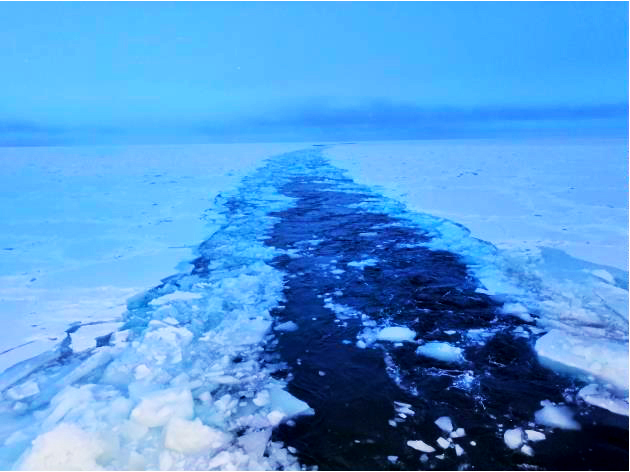
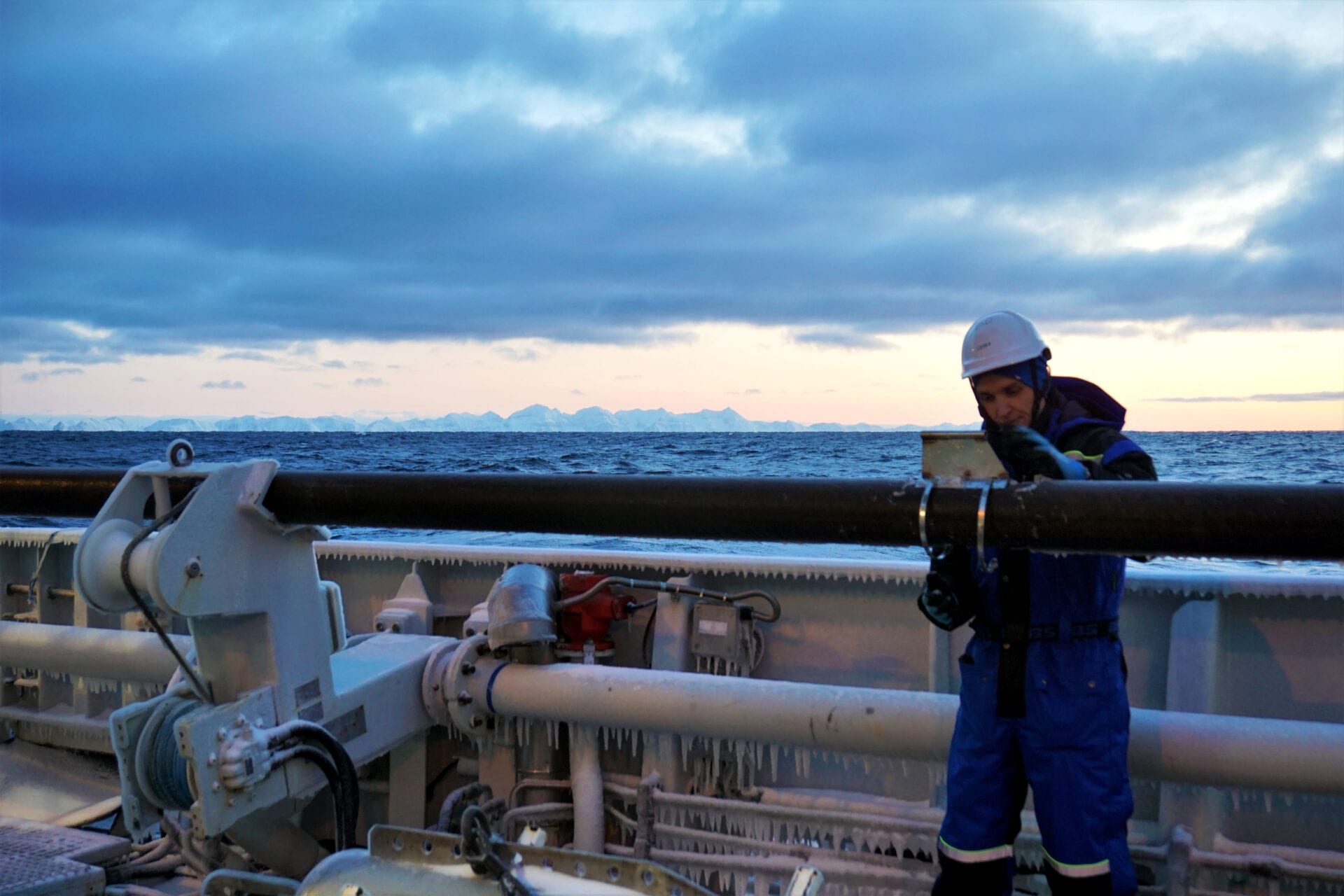
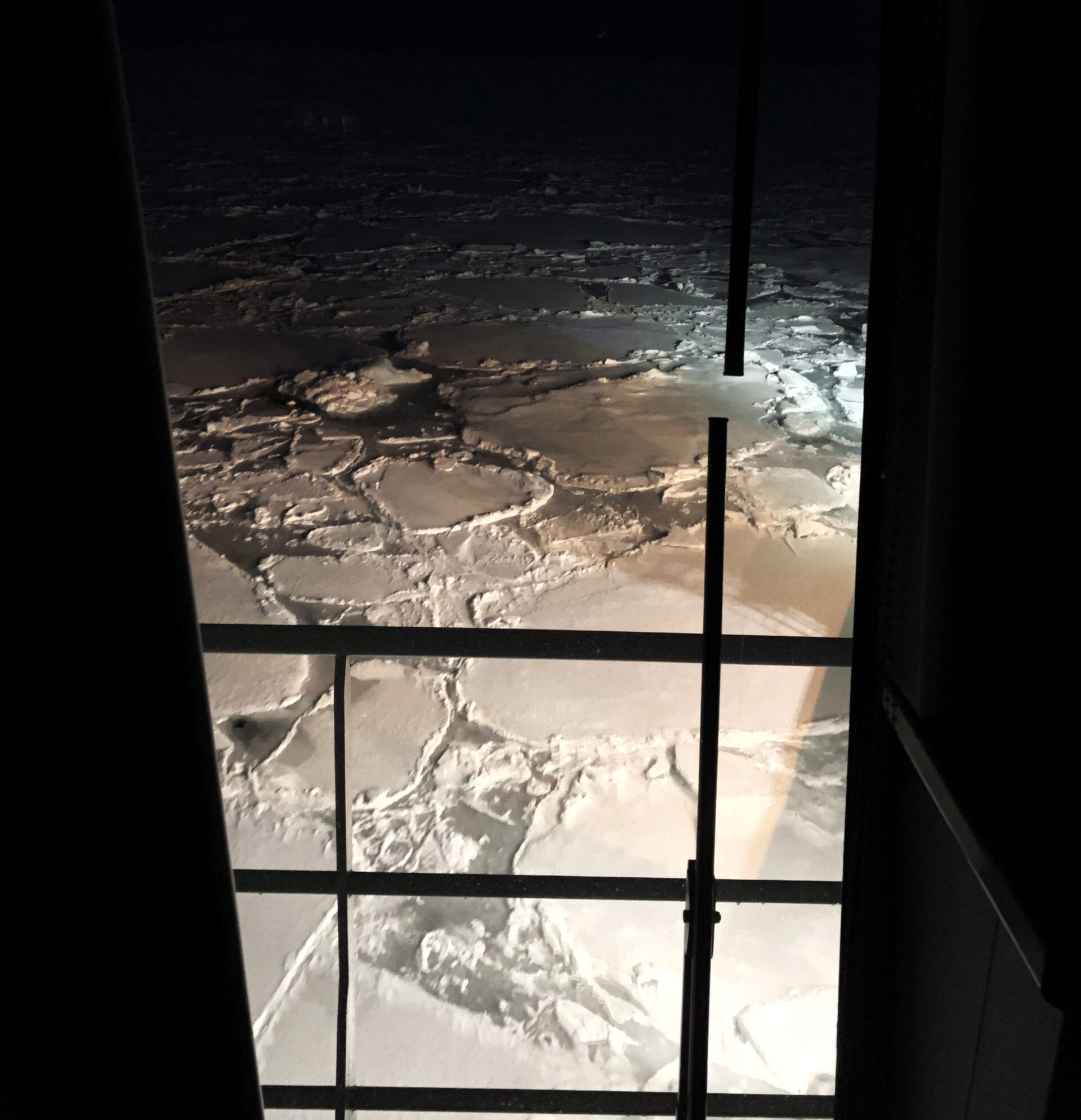
    Preparing The Giant Piston corer is of course most time consuming. Not only the preparation to deploy, but also the cleaning of the pipes, cutting the liners, and labelling takes time and effort. Yesterday, the team worked many hours on deck at -13 degrees Celsius with a strong breeze from the North. While working hard during the day, the team can rest during most of the night while we are acquiring bathymetric (seafloor topographic) data. We are currently working in the vicinity of the East Greenland Current at 79 degrees North. The current transports cold, polar waters and sea ice southwards along the East Greenland coast. RV “Kronprins Haakon” was surrounded by sea ice the entire day and we had to “escape” several times to safely deploy our equipment.

    Today is the last day in this hostile environment. We will sail back tonight towards a more “pleasant” Atlantic climate regime on Vestnesa Ridge. Another Piezometer waits to be picked up at 1200 m water depth.

  • Working 8448

    Working 8448

    Text and Photos: Jens Gruetzner, Jens is a researcher in the Geophysics department at the Alfred-Wegener-Institute in Bremerhaven, Germany.

    I am currently sailing as a guest on the “Kronprins Haakon”. My home institution is the Alfred-Wegener-Institut (AWI) in Bremerhaven, Germany. I have been doing marine research for quite some time, but this is my first cruise to the beautiful Arctic Ocean. I only recently started working with seismic data collected by my AWI-colleagues in the Fram Strait. During the expedition I can get an impression under what, sometimes very rough conditions, the data I am using has been collected. The time onboard the ship also provides an excellent opportunity to connect with international colleagues working in the same area and to get views of the spectacular nature, e.g. the Northern Lights (Aurora Borealis) we saw some days ago. So, I am very grateful to the organizers for having me invited to this journey and also to my department for financing the travel.

    View into the galley: Can you smell the freshly baked bread?

    Although I have sailed on eleven ship expeditions before, every new cruise is again adventures, challenging and inspiring at the same time. The work with my colleagues in the “acoustic group” allows me to gain experience with shallow sub-bottom profiling and bathymetric methods (see Blog by Frances Cooke) in the search and characterization of gas hydrates, a field in which I do not have much experience in yet. The shift system we work on is: 8448. Which means 8 hours work, 4 hours rest, 4 hours work, 8 hours rest. Together with Frances I am on shift from 04:00 to 12:00 and again from 16:00 to 20:00. The first few days it was hard to get up at ~3:30 but now I am already used to it.

    Daily selection of “knekkebrød”

    Compared to some older vessels this new ship is quite spacious and offers many amenities to spend the off-shift time: lounge, gym, sauna, lecture room, board games, video games…not to talk about the massage chair. Recently I managed to cope with the Norwegian menu control on the laundry machine. From Ranghild I learned that u/toymyk means “uten skyllemiddel” which in turn means “without softener”.

    I sometimes walk around with my camera and try to get some objects of daily life documented (see photos) and also look at the pieces of art decorating some of the labs and the hallways. Like my shipmates I enjoy very much eating in the mess hall with panoramic windows. Reminds me that I had too many of the Norwegian deli “Smash” consisting of salted corn cones covered by milk chocolate. I am off to the gym

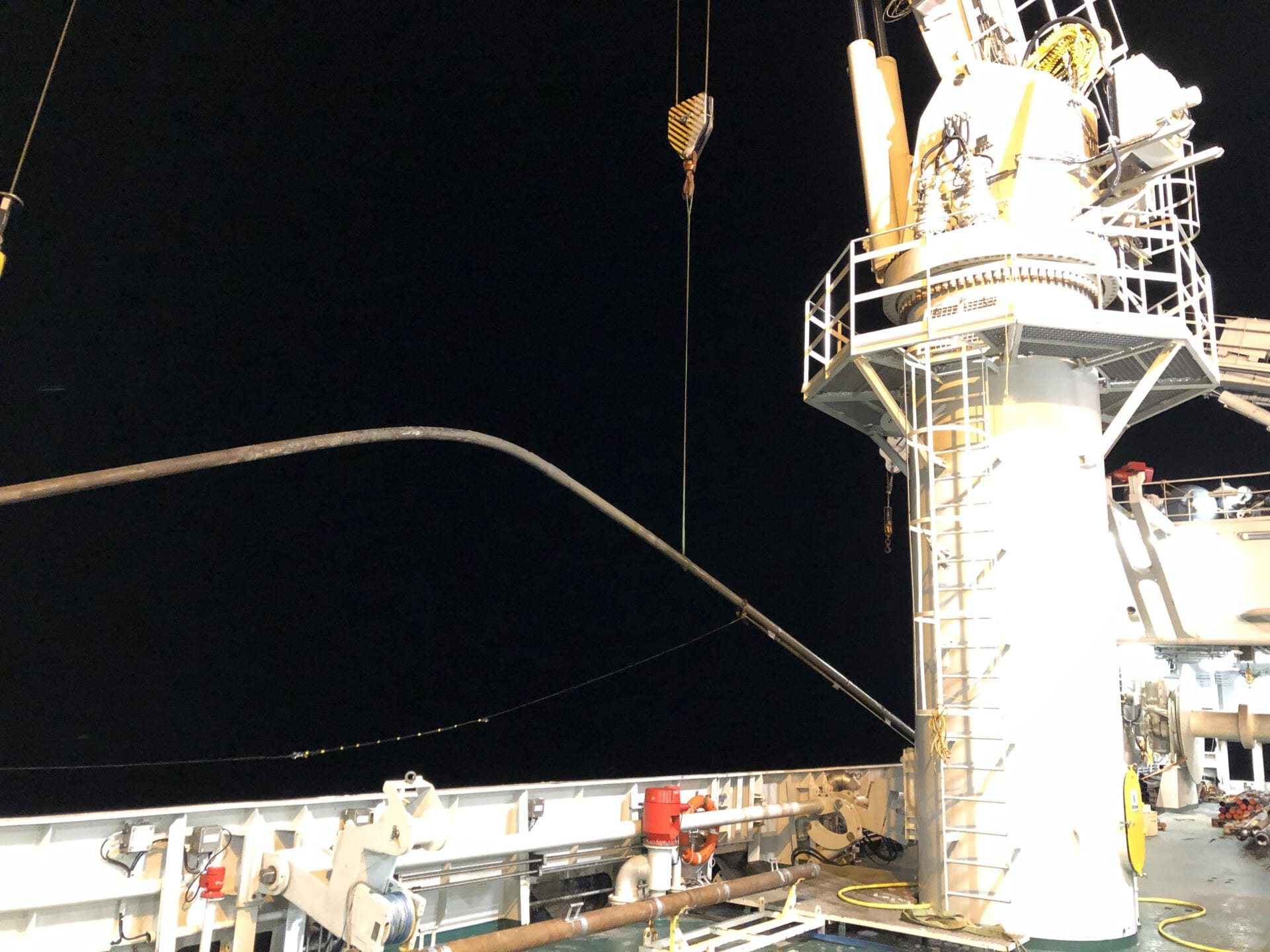
    I am leaving you with this cool close up of the calypso corer winch.


  • Pore water and cinnamon rolls

    Pore water and cinnamon rolls

    Text and photos: Simone Sauer

    Last week was great on the RV Kronprins Haakon. We got a lot of pore water and delicious cinnamon rolls. Unfortunately, these things have nothing to do with each other. Cake is served every day on the boat which is very tempting, and yesterday no one could resist the cinnamon rolls.

    As for the pore water, all the previous days we have been preparing very thoroughly setting up rack and vials, numbering them, and then waiting impatiently for them to be filled.

    On superstation 2 we then got our first gravity core for pore water sampling. As you can see on the picture, we only need tiny holes in the liner to be able to extract the water. The so called rhizons are inserted into the sediment and a syringe attached. After a few hours of waiting time the syringes are filled with beautiful clear (filtered) pore water.

    The pore water has to be divided in numerous vials (picture) of different shapes and colors

    After that the real work starts: the water has to be divided in numerous vials  (picture) of different shapes and colors for analyses when we are back on land where we want to determine what kind of chemical components are dissolved in the pore water and how their concentrations change with depth.

    This is very exciting as there is a lot of information that can be derived from these measurements. For example: Is there a lot of methane gas in the sediment? Are there horizons where carbonate minerals are formed? Are there horizons where some sediment components are dissolving? And how could these processes affect the sediment properties after they are deposited.

  • A core that stretches forever

    A core that stretches forever

    Text and photos: Carmen Braun

    This is my first cruise with a Calypso corer, so I am very excited about it! As previous posts have explained, we have a multi-corer and a gravity corer as well, but neither can penetrate nearly as deep as the Calypso. When it is on deck, it seems to stretch forever.


  • Chief Scientist’s Diary: Jochen Knies

    Chief Scientist’s Diary: Jochen Knies

    October 26, 2019: Bend it like Beckham.

    Well, things can go terribly wrong during an Arctic Expedition. Always expect the unexpected. We bend the Calypso Giant Piston corer on the first station on the Vestnesa Ridge, Northwest of Svalbard. We thought we had control of the sediments we were supposed to core. ( This is why a good geophysical survey is important!) Unfortunately the core came up on deck with an angle of more than 40 degrees. The good thing though: we saved 6 meter of core material, which will hopefully provide us with an explanation as to why this happened. A big applause to the crew  onboard of RV “Kronprins Haakon” who saved our core material. We have learned a lesson and will shorten the piston core from ~25 m down to ~15 m, at least for the Vestnesa Ridge. Honestly, I would appreciate ONE boring day without any surprises. Just ordinary nine-to-five, you know. However, the crew feels otherwise. The reason that they love their job. is because something unexpected is bound to happen.  We will see what’s surprises are coming next.

    crew, deck, helmet, work, sitting, ship, research vessel, arctic
    The crew members Aleksander and Jan Erik enjoying a well deserved cup of coffee after saving the core. Photo: Jochen Knies


  • Creating lots of sound without too much noise

    Creating lots of sound without too much noise

    Text: Frances Cooke

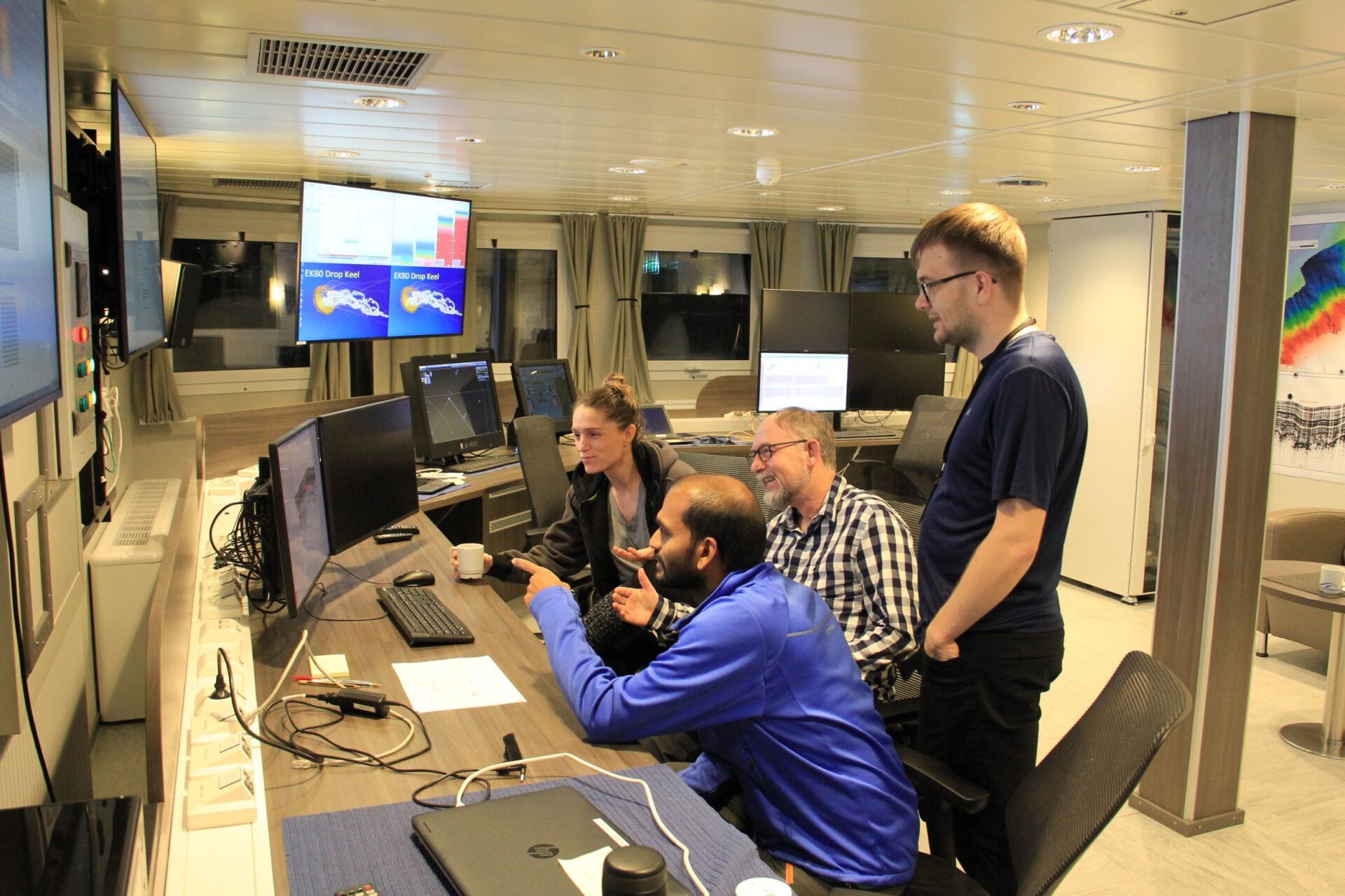
    This is my first cruise aboard the Kronprins Haakon. It is a smooth sailing vessel, even while we are ice breaking. It is an extremely comfortable environment to be working in, you could say a little too luxurious for a scientific expedition! I am here to work with the acoustics. This is sound sent out from the vessel as a “ping” or a “chirp” and echoed back. The acoustics provide important geological, geophysical and biological information such as sediment thickness, presence of gas, and shallow buried features. This is necessary for our coring operations.  While the coring teams are braving the freezing cold temperatures on deck, waiting eagerly for the cores to come onboard, the acousticians are sitting back, with a cup of coffee, watching the data scroll across the screen from the warmth of the operations room!

    EM302 Bathymetry surface gridded at 40m at approximately 160 metres below sea level (blue is deepest). Seafloor displays ice berg scours.

    We already have some impressive imagery from our multibeam EM302 system (Figure 1). We completed the multibeam surveying last night over an area known for gas seeps. While “mowing the lawn” we actively watched for seeps in the water column, so that we could go back after the survey, and take water samples. I was off-shift sleeping and missed the show. There will be plenty of other opportunities this cruise. After acquiring multibeam data we first have to remove any unwanted pings (a process hydrographic surveyors refer to as “killing dots”) before creating a bathymetric map which is the topography of the seafloor. A seafloor etched by iceberg plough marks (Figure 1), large depressions formed by slow episodic release of gases, or mounds bulging out from the seafloor, formed by sudden upward flow of sediment, are all extremely pleasing on the eye and fascinating to study!

    Geophysics is about visualizing what we cannot see. From tiny bubbles in the water column, to extremely large (metre to kilometre scale) features in the sub-surface. To be able to collect this data so quickly and so seamlessly, is extremely satisfying.

    The recent advances in technology allow us to run large swaths of bathymetry (typically 4.5 x the water depth); where previously, using single beam echo-sounders, survey time would have been days rather than hours. We also no longer throw dynamite off the back of the ship to create sound for our seismic data collection!

    What I also enjoy about geophysics is combining multiple datasets. We are currently profiling beneath the sediment surface using our sub-bottom profiler SBP300. This is a very high resolution seismic system. In a previous cruise, conventional multi-channel 2D seismic (MCS) data were collected across the same location on a previous cruise. We are able to see much more detail using the SBP300, which makes a large difference for the purpose of coring on this cruise. The advantage of using both high resolution shallow seismic and MCS is the ability to work at different depths and geological time.

    Comparison of multi-channel seismic line (CAGE cruise 17-3) (above) and sub-bottom profiler line (below). Blue line on both profiles represents 130,000 year marker acquired from a core, collected from a previous cruise.

    After completion of the multi-beam survey at Superstation 3, the plan was to deploy both the multi-corer and gravity core, however the multi-corer returned just 12cm of sediment, which was expected, after poor sound penetration, observed on the SBP300. It was decided not to deploy the gravity core at this site – we don’t want any “bananas” (coring instrument bent by impenetrable seafloor). We are now on our way to a more core friendly location with preferably thick overlying sediment for our next Calypso core deployment. Wish us luck!

  • Core on deck? All hands on deck!

    Core on deck? All hands on deck!

    Text and photos: Mariana da Silveira Ramos Esteves, Follow Mariana on Twitter for more Arctic science updates:  @tweetmariana

    After some days of delays testing equipment, weather holds, and sea sickness, there was a renewed energy on the morning of day four. Finally(!) the first coring equipment  was deployed and we couldn’t wait to see what we would get and to get started with the core processing! The first four cores to come on deck were from the multi-corer: one core was immediately sampled for later sediment analyses; two of the cores were sampled for DNA analyses; and the last core was stored in the cooling room as an archive.

    Kristine Steinsland preparing two of the multi-corer cores for DNA sampling. These cores are some 50 cm long.

    While the first cores from the multi-corer were being cleaned, labelled and sampled, the calypso corer technicians were busy on deck in the cold teaching the ships crew how to prepare the giant calypso corer for deployment. Since this was the first time that the giant calypso corer was being used on the RV Kronprins Haakon, it took a couple of hours set everything up. Team work is key on a ship, helping to make the core flow procedures work efficiently. Particularly since we were using three different types of coring instruments, a multi-corer,  a gravity corer, and a giant calypso corer, which have the possibility to collect up to 50cm, 6m, and 30m respectively. All these instruments require a lot of attention during the deployment and retrieval, meaning that scientists, technicians and the ship’s crew have to work together to make this work.

    Scientists, technicians and the ship’s crew all working together to prepare the calypso corer which can retrieve up to 30 meter long sediment cores.

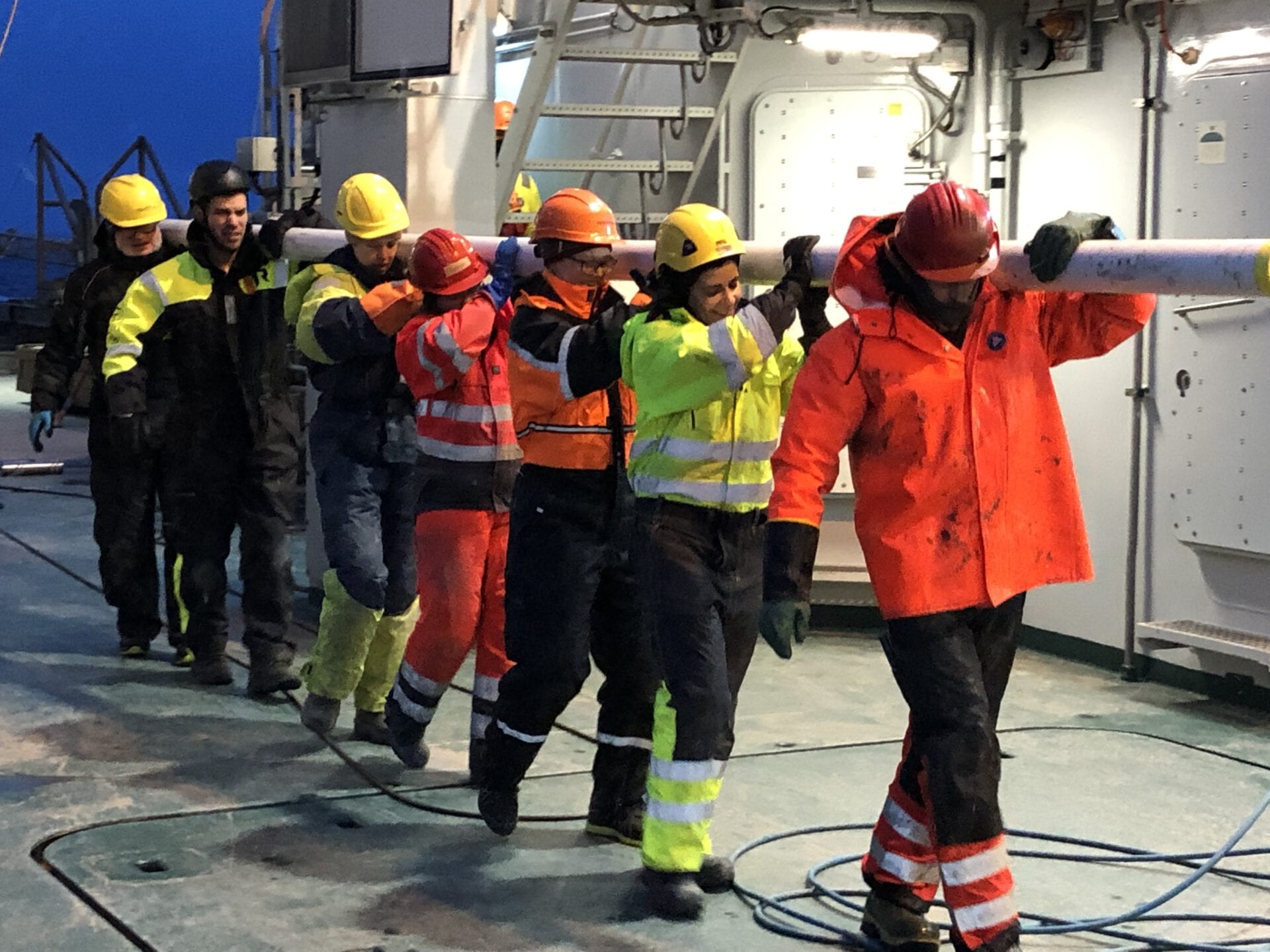
    Warm clothing and good waterproof gloves (and lots of warm tea and chocolate) are essential when working out on the deck, as the freezing temperatures make it very difficult to stay outside for prolonged periods. Without any complaints about the cold the crew and the technicians work tirelessly to make this research cruise a success. Within a couple of hours the giant calypso corer was set up and ready to be used, as the scientists on board gathered around to watch the deployment,  eagerly awaiting to see how much sediment would be recovered.

    The deployment of the giant calypso corer is relatively straight forward. The calypso corer is lowered through the water column until it reaches a few metres above the seafloor. Then it is important for the ship to identify the desired core location. Once this is  identified, the piston is released allowing it to drop into the seafloor under its own weight (check out the colourful square weights on the calypso corer!, collecting (hopefully) a long palaeo-climate record. This core is then brought back to the ship, where it is essential to keep washing it with warm water to prevent the core liner from freezing to the steel core barrel.

    To help the time pass  once everything is prepared for the core processing and while waiting for the giant calypso corer to return to the vessel, there were a lot of discussions and guesses on how long the core would be, as well as a little yoga to keep everyone flexible and strong for carrying the heavy 1 metre core section, which can weigh up to 10kg each.

    Remi Vachon and Steve Ossim practising yoga in preparation for the heavy lifting of the core sections.

    While the whole process involved with using the giant calypso corer took a few hours the first time round, once the cores were on deck, the RV Kronprins Haakon had many happy and excited scientists on board working efficiently to label, sample, and store these cores for future work. Let’s hope for many more successful stations!

    Very cold and slushy working conditions on deck. The giant calypso corer had to be washed with warm water to remove the mud from the outside and prevent the liner from freezing to the steel core barrel. And they say scientists have boring office jobs.


  • Chief Scientist’s Diary: Jochen Knies

    Chief Scientist’s Diary: Jochen Knies

    October 23-24, 2019: Patience now, please!

    The cruise leader is supposed to design a scientific program and implement it during the cruise. In theory, all fine! What I have learned during the last two days: Patience and flexibility will save you! It was a roller coaster of emotional highs when things worked as planned, and pretty heavy lows when we encountered failures we haven’t calculated for. The sea ice is melting, yes, but it is still there to make a scientist’s life miserable. After a fair share of hassle, I got my happy ending. A great team work on deck managed to work out the second Calypso Giant Piston core (12 m), a gravity core (4 m), four tubes in the multicores, six new gas flares, and a couple of water samples above the gas flares on the northernmost station in our scientific program. I saw plenty of tired, but happy faces during dinner time. The award came after dinner with a beautiful sunset in the Arctic Ocean.

    We are now heading south to pick up the Piezometer from our first station and continue the work in our gas hydrate laboratory ( which is not an actual laboratory, but the area in the ocean dedicated to specific scientific work) on the Vestnesa Ridge. People may ask what Piezometer is and why we are having it onboard. Well, I won’t provide you with complicated facts except the fact that the Piezometer is measuring pore pressure changes in the sediment below the seafloor. Still too academic? Well, I will ask the expert Nabil Sultan in our team tonight to explain it better in a later blog.


  • Braving the stormy seas

    Braving the stormy seas

    Text and photos: Mariana da Silveira Ramos Esteves, Follow Mariana on Twitter for more Arctic science updates:  @tweetmariana

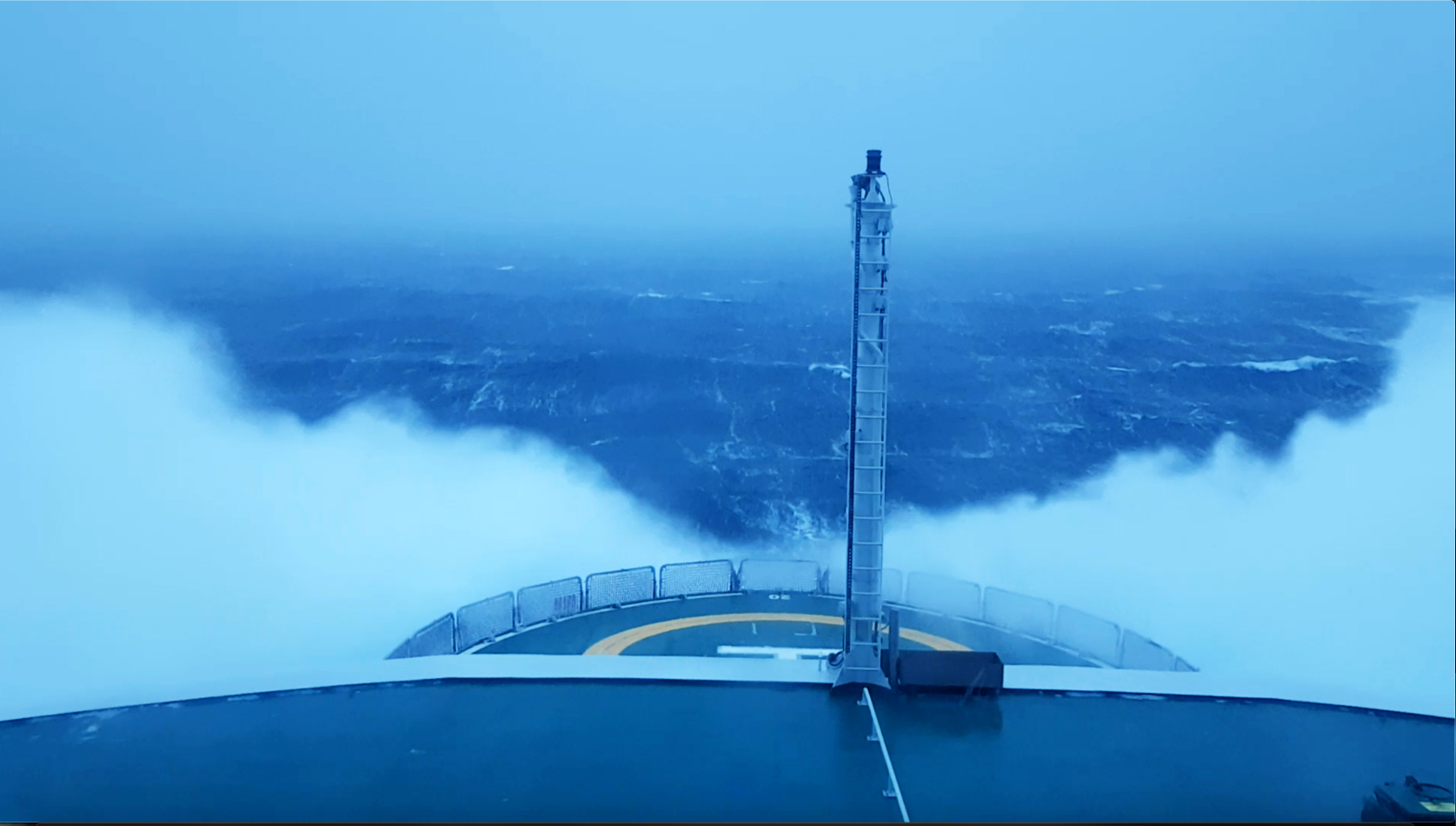
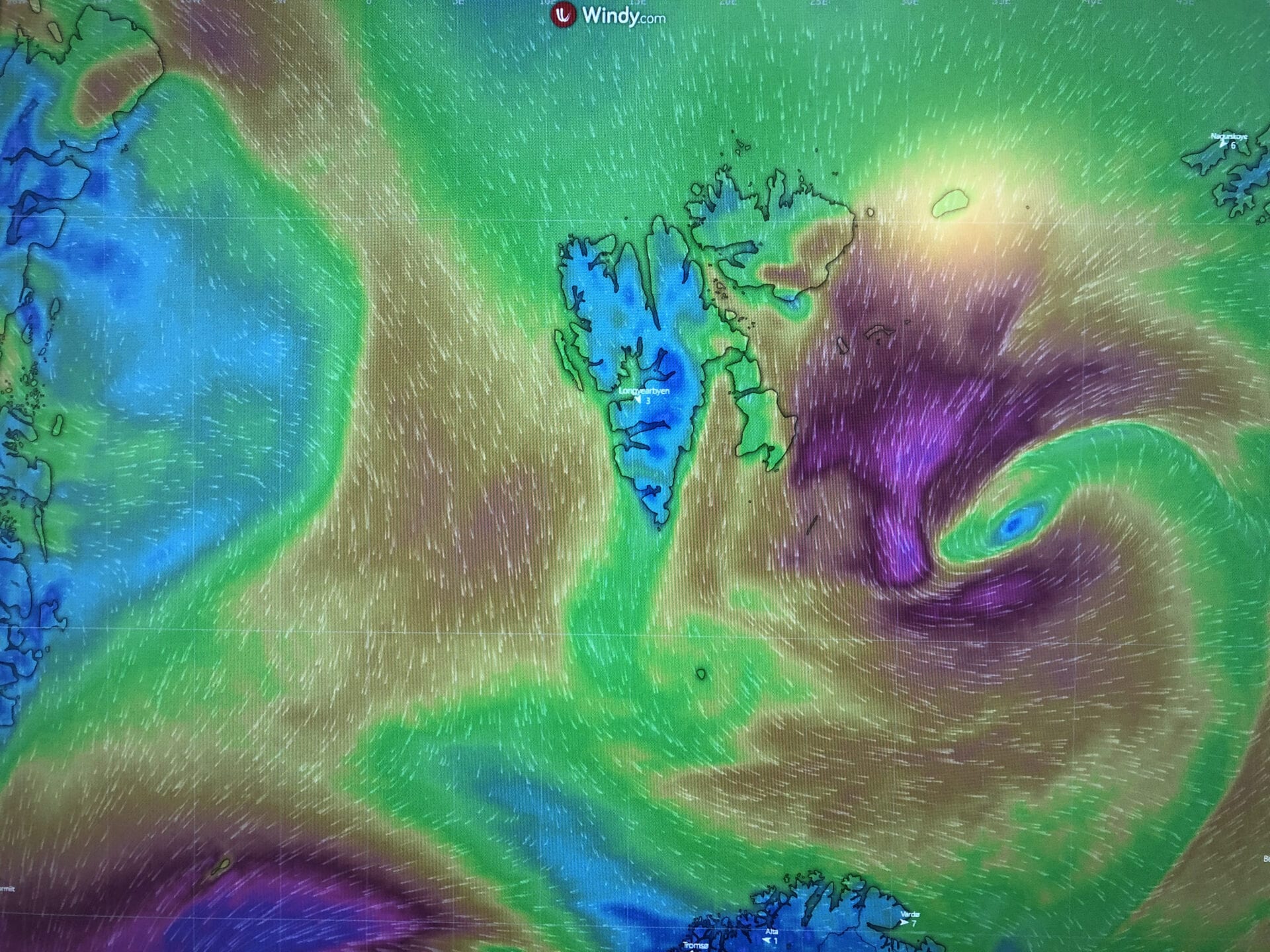
    After a nine hour transit on our third day of cruise, we finally reached the first station in the Fram Strait. Unfortunately, we were put on a weather hold until further notice as high winds and large waves prevented us from initiating our work. The storm remained for the majority of the day, allowing for some dramatic pictures to be taken from the observation deck as the waves crashed against the bow (front section of the ship) and reached the helideck on deck 6! The weather hold lasted for the majority of the day and for many, even the most able seaman on-board, this was a difficult time to be on a ship as they try to get used to the motion of the ship during the storm.

    Thankfully, the RV Kronprins Haakon is very stable even when passing rough seas, making it very comfortable for those on-board carrying out their day-to-day activities. Which on this day included the final preparations of the equipment, laboratories and procedures that we would undertaken once the cores arrived on deck. In addition to this, we were able to enjoy the facilities on-board the RV Kronprins Haakon, such as the observation deck, gym, library, ping-pong table, and day room. The discovery of the ping-pong table was a particular highlight for some during the transit period!

    Testing the ping-pong table during the transit to the first station.

    Later this evening, the weather cleared up enough for us to begin our work (and get an amazing view of Svalbard). First we deployed a CTD (oceanography instrument used to measure conductivity, temperature and pressure of seawater) to collect water samples from the 900m of water column, before deploying the piezometer (an instrument used to measure ground pressure). Following this we will prepare the multi-corer and giant calypso corer.

    Nabil Sultan, Pierre Guyavarch, and Mickael Rudeaut from Ifremer discussing with the engineers and technicians on board during the retrieval of the piezometer.
  • Chief Scientist’s Diary: Jochen Knies

    Chief Scientist’s Diary: Jochen Knies

    October 21, 2019: Sea sickness medication is distributed.

    We reached the first station in the morning and, as predicted, with a heavy storm. Some were prepared for it, some were caught by surprise. Medicine was distributed to everyone in need. The morning meeting went fast! All work on deck stopped for safety reasons and an alternative program started after breakfast. The data quality of the sub-bottom profiling system onboard RV Kronprins Haakon is excellent and we mapped the area of the diapir structure on the southern tip of Vestnesa Ridge. ( A diapir is a domed rock formation in which a core of rock has moved upward to pierce the overlying strata. It is often found around gas hydrates)
    I had almost forgotten the fact that massive gas hydrates have been found two years ago! So, we made some extra efforts to find the right location for the Piezometer. In the meantime, I have become the “stair master”. Jumping back and forth from Deck 3 to 9, and back again to my cabin (Deck 6), and finally on Deck 3 again. 10 times a day. I don’t need a gym, that’s for sure. My preferred activity is to check the weather (wind) conditions. We waited all day long for the right conditions, and if the weather is not acceptable by 11 pm, we will have to abandon the station and sail towards the north.


    October 22, 2019: 150,000 years, pulled up in one core

    Luckily, we stayed in position! We could finish the CTD (a collection of sensors which measure conductivity, temperature, and pressure of ocean water) before the beginning of the new day. Of course, the cruise leader has his cabin above the CTD lab, and hence moved his bedroom out on the bridge 😊. Our French colleagues worked hard the whole night and successfully launched the Piezometer  at the seafloor.

    Now, the whole team is excitingly awaiting the first core material. It will be a rush of people on deck! Hopefully we will manage to get the first Calypso core onboard. We have prepared a 23 m long steel pipe. It has been laying on deck for the last 2 days and looks like a big chunk of ice. Cold wind, freezing temperatures, and the sea water have converted the corer into an ice block. There goes another hour from our precious ship time.

    But we were awarded! Four multicorer tubes and a 13 m long Calypso core came onboard during the afternoon. Two multicorer tubes went straight into the laboratories to prepare the samples for the ancient DNA work at the University of Bergen. The remaining two tubes were archived. The Calypso was of course the highlight of the day! Thanks to great teamwork on deck, we received 13 m of core material representing the last ca. 150.000 years. Now, we are heading north into the sea ice. We are to see the first ice flows tomorrow morning.


  • Ready, set, go! Next stop – Vestnesa Ridge in the Fram Strait

    Ready, set, go! Next stop – Vestnesa Ridge in the Fram Strait

    Text and photos: Mariana da Silveira Ramos Esteves, Follow Mariana on Twitter for more Arctic science updates:  @tweetmariana
    The coring equipment on deck. To the left you have the steel core barrels for the giant calypso corer, and to the right you have the core liners that will be placed inside the corer and used for the collection of the marine sediment cores.Photo: Mariana Esteves

    The final preparations for the core flow – which is a procedure we will undertake when the long cores of ocean floor sediments arrive on deck – and sampling strategies were completed on the morning of Sunday 20th October.  Equipment in the laboratories and in the hangar were set up ready for arrival to the first station. This involved a lot of creative thinking and planning to make sure that the core flow would be efficient once the first sediment core arrived on-board later this evening.

    Preparations in the lab included setting up the equipment, and labelling thousands of vials and sample bags. Here we see Renata Lucchi, Simone Sauer, Nessim Douss and Przemyslaw Domel hard at work getting everything ready.

    By lunch time, we set off from Longyearbyen and sailed towards the center of Isfjorden to test the new calypso corer deployment system. These tests are important to ensure that the equipment will work once we get to our first sites. By 3pm (cake break time!!), the deployment instrument tests are completed and we set sail towards Vestnesa Ridge, Fram Strait, where we will arrive after 9 hours of sailing. There is a lot of excitement on board now that everything is in place and ready to go! Just a few more hours to go before we arrive at the first station and begin our shifts.

    Martin Klug and Stig Monsen preparing the area where the cores will be washed, labelled and cut into 1m sections, preliminary samples taken, all prior to the cores being stored for future analyses.
  • Take the tour: Research Vessel Kronprins Haakon

    Take the tour: Research Vessel Kronprins Haakon

    On the 18th October, there was a sense of excitement in the air as scientists from CAGE, UiT, NGU and numerous other institutes arrived to Longyearbyen, Svalbard, ready for their next exciting adventure. A three-week research cruise to Western and Northern Svalbard, on-board the new Norwegian icebreaker, RV Kronprins Haakon.

    Text and photos: Mariana da Silveira Ramos Esteves, Follow Mariana on Twitter for more Arctic science updates:  @tweetmariana
    ship, research vessel, arctic, ocean, snow, ice, cold
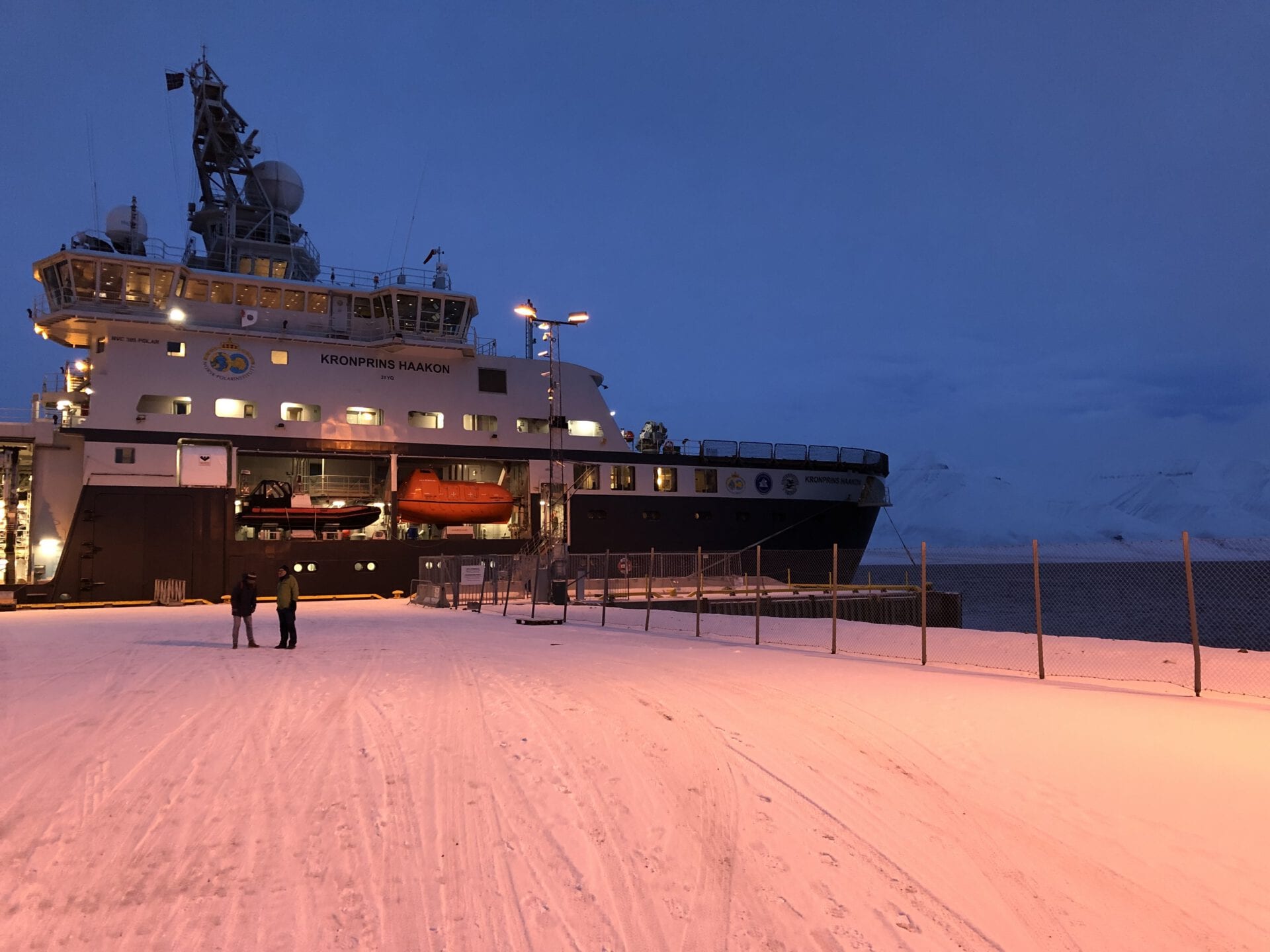
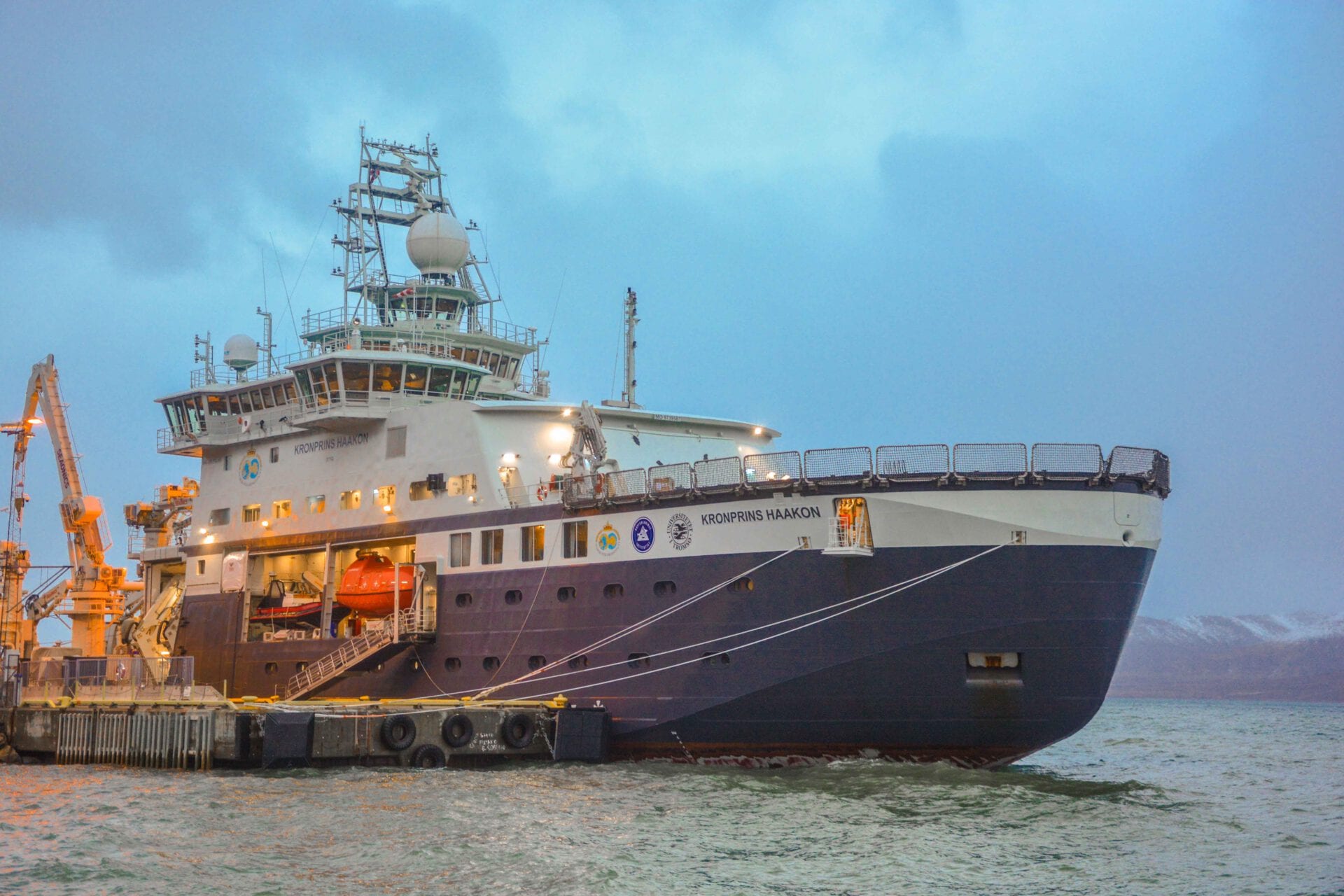
    RV Kronprins Haakon moored at Longyearbyen ready for its next adventure.

    The RV Kronprins Haakon (KPH), built to operate in challenging ice conditions is fully equipped with the very latest high-tech equipment, enabling complex studies to be undertaken. The cruise will carry out important research for multiple projects such as, Tromsø Research Foundation funded SEAMSTRESS, and ERC funded AGENSI. Over the next few weeks we will be posting the progress of the cruise.


    Safety briefing by the chief officer and first mate. It may look funny, but a survival suite is good to have. 


    On the sleepy morning of the 19th October, scientists from all around the world, many of whom are sailing on-board the KPH for the first time, eagerly boarded the vessel ready for the expedition. We started the day with a scientific meeting by the chief scientist, Dr. Jochen Knies, who introduced us to the ship and the day’s activities, which primarily included the preparation of the equipment and procedures that will be undertaken throughout the expedition. Following this, the chief officer and first mate gave us a safety briefing and quick tour of the ship.

    The KPH has 9 decks, all of which have been assigned a ‘theme’, ranging from micro- and macro-organisms in the lower decks, to marine and terrestrial mammals in the central decks, to birds and northern lights in the upper decks. Every door has either a picture of an animal, or a place name, making it very interesting to walk around and see how many you can recognise.

    Euphausia superba (Antarctic Krill) on a door on the 3rd deck is a species of krill found in the Antarctic waters of the Southern Ocean.


    The laboratories where the marine sediment cores and samples collected will be examined is located on the 3rd deck, which is the same floor where there is a moon pool (A moon pool on a marine research vessel is an opening in the floor or base of the hull giving access to the water below, allowing technicians or researchers to lower tools and instruments into the sea).  Here, the main drilling and water sampling operations take place. Hundreds of samples will pass through the moon pool during these three weeks, ready for further investigations at the scientists home institutes. The laboratories are fully equipped for high quality research and sample processing.


    Dr. Renata Lucchi giving us a tour of the brand new educational laboratory on-board. The ship was fully operational and delivered to the Norwegian research institutions in 2018.

    Located on the 5th deck is the mess hall where we can enjoy delicious meals and snacks throughout the day. In addition, the day room where scientists can meet, discuss and have a warm drink, is located here.

    Scientists enjoying their break with some nice discussions, warm drinks and view of the port in Lonyearbyen!


    The upper decks have a combination of both living and work spaces, with the instrument room where the geophysical data will be collected and processed is located on deck 7. The bridge and control room is located in deck 8 and on deck 9 is the observation deck where scientists can meet and relax, while watching the land- and seascapes go by.


    screens, instruments,
     Instrument room ready to go!


    Follow our progress with future blog posts from myself and other scientists on board!


  • Sophisticated new technology successful in measuring underwater methane distribution in unprecedented detail

    Sophisticated new technology successful in measuring underwater methane distribution in unprecedented detail

    The high-resolution ocean laser-spectrometer demonstrates major technological advances in water column measurements. A new study published in Ocean Science details its first use at a site with vigorous methane release.

    Text: Jessica Green

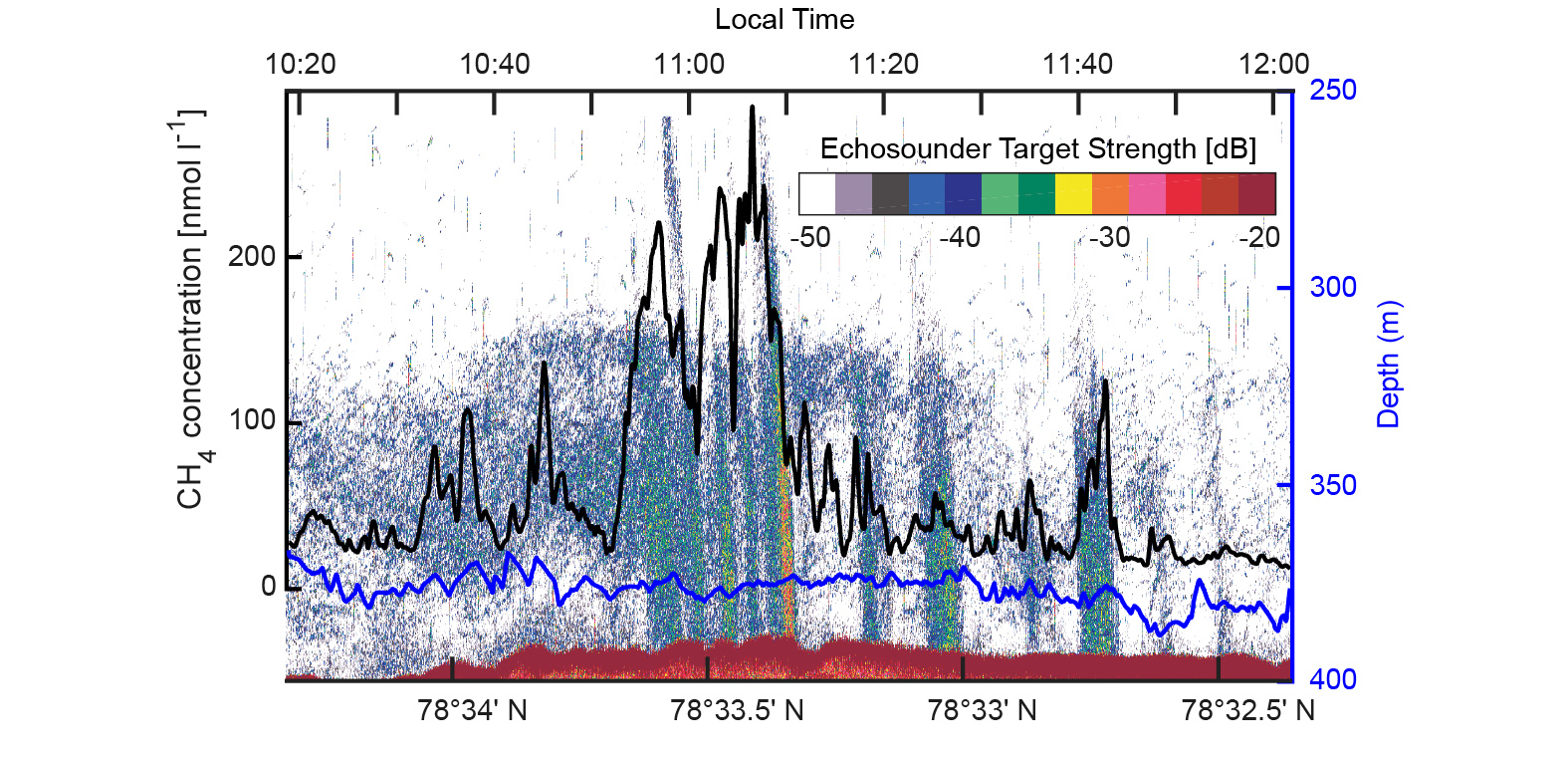
    In October of 2015, Pär Jansson and his team from the Centre for Arctic Gas Hydrates, Environment, and Climate (CAGE) at UiT The Arctic University of Norway joined forces with Jack Triest, Roberto Grilli and Jerome Chappellaz  from IGE at  University of Grenoble Alpes in France, to examine the continental slope west of Svalbard aboard the R/V Helmer Hanssen. This wasn’t just any research cruise; they were testing out a new fast-response underwater membrane-inlet laser spectrometer sensor capable of revealing decametre-scale (10-meter) changes in methane concentrations over a 400 m deep methane seepage site.

    Former misconceptions addressed

    Standard measurements of the past did not allow for such specific results, so there were some inaccurate assumptions made about methane seep areas. One of these was that the concentration of methane throughout a seep was uniform, making it unnecessary to take multiple samples at various depths.

    Thanks to the information obtained by Jansson et al. using the new spectrometer, we now know that methane concentrations can vary wildly across very short distances in seep zones, and many samples must be taken in order to get a complete picture of methane seepage activity.

    New findings supported by further testing

    The acquired measurements proved to be repeatable, and were reconstructed with a new numerical model for bubble dissolution. They were also confirmed through discrete sampling and acoustic surveys. Such technology can provide better insights into the processes that influence methane distribution, potentially affecting our oceans and climate, and may also be able to detect gas leaks for the fossil fuel industry.

    For a full account of the study, see Jansson et al.’s article in Ocean Science entitled, ‘High-resolution underwater laser spectrometer sensing provides new insights into methane distribution at an Arctic seepage site.’


    Recommended reading: Grilli, R. et al. Sub-Ocean: Subsea Dissolved Methane Measurements Using an Embedded Laser Spectrometer Technology

  • Chief Scientist’s Diary: Jochen Knies

    Chief Scientist’s Diary: Jochen Knies


    The state-of-the-art icebreaker RV Kronprins Haakon is currently deployed to the Arctic – Atlantic Gateway to collect data on methane release from the ocean floor. Along for the ride is coring equipment that will, for the first time, acquire up to 25-meter-long sediment samples in the study area. Here you can read the diary from the cruise by the Chief Scientist Jochen Knies.

    October 18, 2019: A very distant past indeed!


    When you call yourself a “Polar Researcher”, which I have been doing for the past 30 years, the next three weeks will be like a dream come true. Ever since I spent my first 4 months in the Arctic in 1991, I wished to realize our upcoming plans. I arrived on board of “Kronprins Haakon” today and was impressed by the capabilities of the vessel. Our main goal for this cruise is to get samples from the seafloor and below which will cover an age range of several 100.000 years. We may even be able to look back millions of years if we are lucky! For this purpose, we have sent tons of equipment to Longyearbyen which arrived at the ship this morning. Particularly, the so-called “Giant Calypso Piston Coring” system is the equipment, which will make my Arctic dream some true. Why would samples from the seafloor with an age of more than 100.000 years interesting for the world, you may ask. Well, the answer is relatively simple. More than 100.000 years ago the climate on Svalbard and surrounding Arctic areas was probably very similar to what we will face in the near future: Very little sea ice in the Arctic and very few glaciers on Svalbard. If we find samples with an age of millions of years, we will even find evidence when the Arctic was completely sea-ice free and all glaciers on Svalbard were melted away. So far, this is all unknown, and we may be first ones to find it out. Very exciting indeed. Tomorrow I will tell about the second major goal we have. Namely, why is the seafloor outside of Svalbard is leaking methane, a very powerful greenhouse gas?


    October 19, 2019: We forgot a scientist on shore!


    On the second day of our adventure, we tested our equipment in the Isfjorden. While facing all the challenges Polar climate can offer to ship (technical), crew (physical), and scientists (patience), we realized that we had forgotten a scientist ashore! We traced him in Longyearbyen and caught up with him later today. Now, our gang is complete and the mood is excellent! Tonight, we will finalize the loading of the last equipment and will hopefully sail northwards tomorrow morning. The goal is to find the leaking greenhouse gas methane on the seafloor. While we know where and what is leaking, we do not really understand the mechanisms behind it. To better understand this phenomenon, we, the Norwegian scientists and engineers from Universities of Tromsø and Bergen, The Geological Survey of Norway, and Norwegian Geotechnical Institute have teamed up with geotechnical experts from France and Italy. With the fantastic capabilities of “Kronprins Haakon”, we will try to make a difference! We will deploy advanced equipment already on the very first location to study the reasons why we sometimes find huge plumes of methane gas leaking into the ocean. It will be very exciting, and I am looking forward to the intense discussion onboard during the planned operation.

    Isfjorden_Svalbard
    Majestic surroundings of Svalbard Archipelago in the Arctic Ocean make testing the equipment a breathtaking experience. Photo: Jochen Knies


    October 20, 2019: Heading into a storm

    Finally, after two days of intensive mobilisation and testing of equipment, we are on our way to the first station west of Svalbard. The labs are prepared, and all coring equipment and the Piezometer for pore pressure measurements are ready to be deployed. The work on deck is very challenging with air temperature of minus 7 degrees Celsius and significant wind-chill effects. With the expected stormy weather during the next few hours, the work on deck will be even more challenging. However, our engineers are tough and capable and we trust them to handle these extreme conditions. In the meantime, we enjoy the hospitality onboard “Kronprins Haakon” with excellent food and the highlight of the day: cake at 3 pm! The team is enthusiastic, eager to work, and the spirits are high!

    Corer, piston core, long core, sediment core
    Slushy deck not withstanding, the work must go on in chilly conditions. Luckily we follow the Norwegian saying: There is no such thing as bad weather, only bad clothes. Photo: Jochen Knies
    ship, research vessel, moon, island, ocean
    Good bye Terra Firma. Off to the open Arctic ocean and into first serious storm of the season. Photo: Jochen Knies
  • Taking the new icebreaker to the Arctic-Atlantic Gateway

    Taking the new icebreaker to the Arctic-Atlantic Gateway

    The state-of-the-art icebreaker RV Kronprins Haakon is currently deployed to the Arctic – Atlantic Gateway to collect data on methane release from the ocean floor. Along for the ride is coring equipment that will, for the first time, acquire up to 25-meter-long sediment samples in the study area.

    Text: Maja Sojtaric

    (more…)

  • October

    October

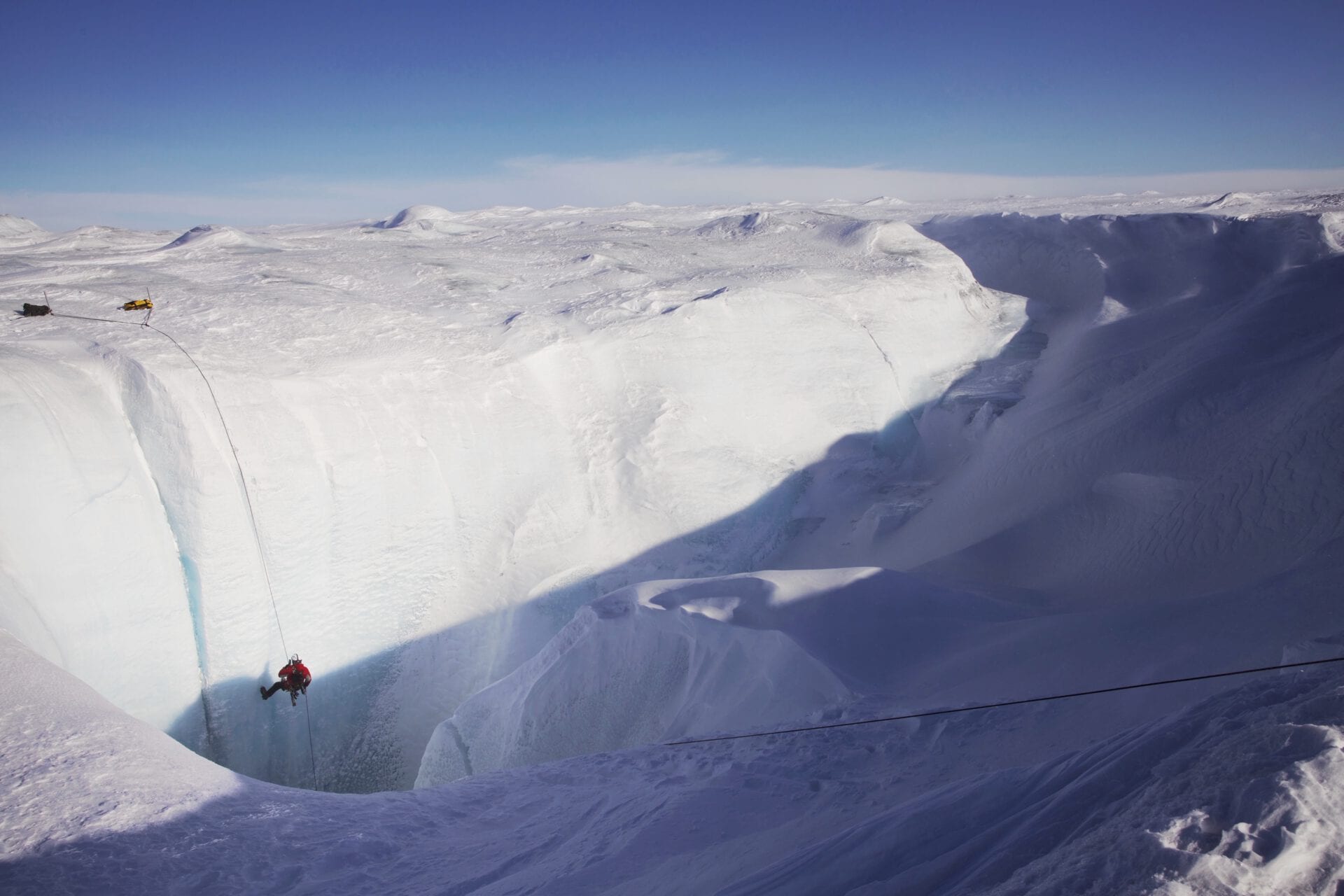
    CAGE professor Alun Lloyd Hubbard ascending out of the deepest moulin ever recorded (with a single 175 m vertical drop).

    (more…)

  • New collaboration project launched to strengthen methane research and education in US and Norway

    New collaboration project launched to strengthen methane research and education in US and Norway

    The project, called INTPART AKMA (Advancing Knowledge on Methane in the Arctic), is shared between the Centre for Arctic Gas Hydrate, Environment and Climate in Tromsø Norway and Woods Hole Oceanographic Institution (WHOI) in Massachusetts USA.

    It aims to advance the collective knowledge surrounding methane activity in the ocean in Arctic regions. These regions are particularly vulnerable to the effects of climate change, and methane has the potential to drastically accelerate those effects if left unchecked.

    The primary objectives of AKMA are to develop a long term, multidisciplinary education and research collaboration focused on Arctic methane sources, processes, ecosystems and geological history to provide exceptional training to become the next generation of experts in Arctic Marine sciences and greenhouse gas phenomena.

    AKMA offers scientific and technical exchanges between partners and students, as well as dedicated research expeditions on the R.V. Kronprins Haakon focusing on student training in methods, data acquisition and analysis. There will also be intensive courses in Arctic cold microbe biogeochemistry and webinars/seminars pertaining to the scientific topics.

    For more information contact project manager Giuliana Panieri.

    Text: Kate Waghorn

  • September

    September

    Methane-derived carbonate crusts that form at cold seeps are unique archives of past methane emissions. Seepage histories are recorded in the carbonate minerals that sometimes form unexpected visuals such as in the Scream fabric seen here.

    (more…)

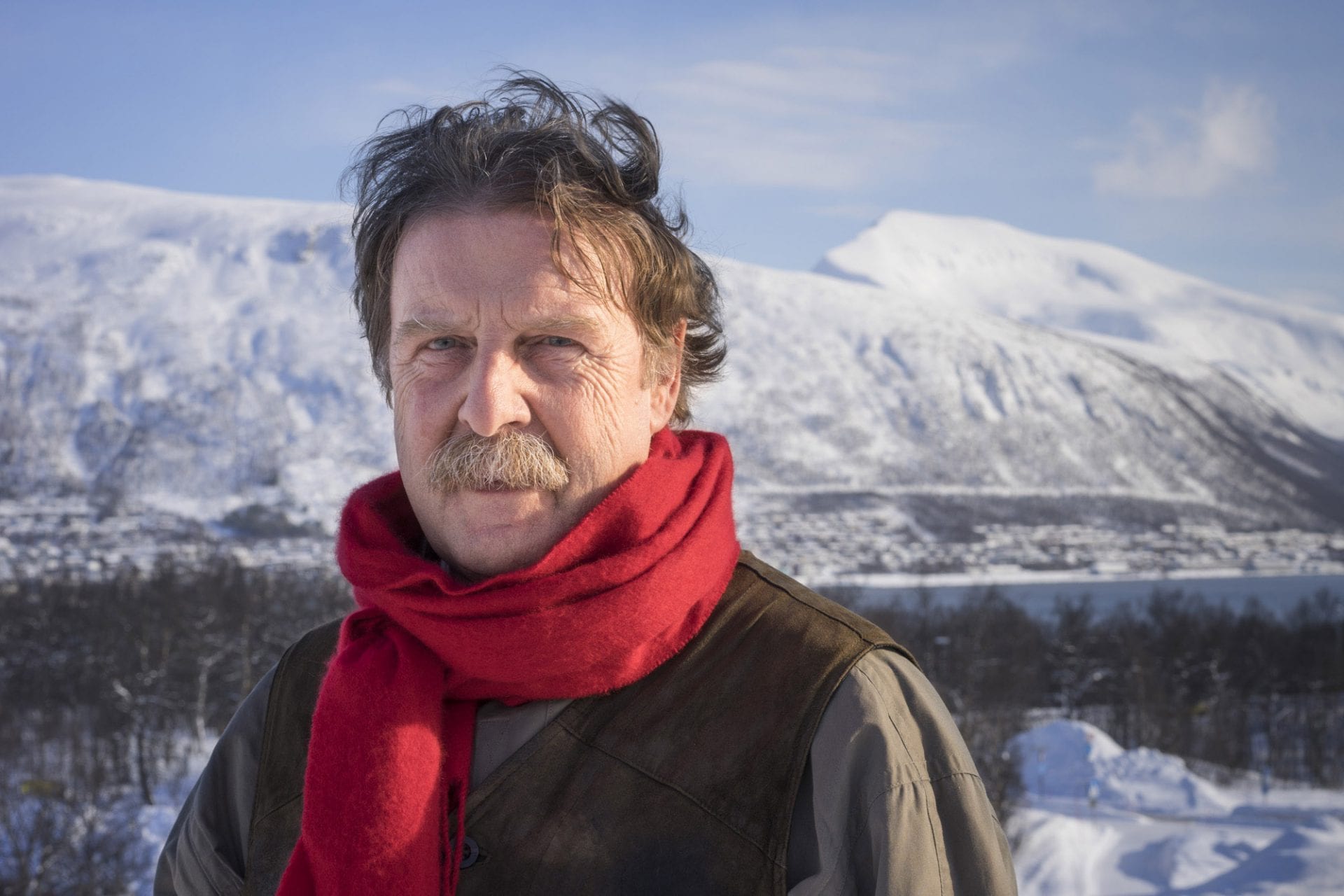
  • Professor Jürgen Mienert, founding director of CAGE, retires

    Professor Jürgen Mienert, founding director of CAGE, retires

    Professor Mienert has dedicated his scientific pursuits to the response of polar continental margins to climate change, becoming a leading expert in the field. He retires from a long, internationally acclaimed career.

    (more…)
  • CAGE research featured in new geological exhibition at museum in Tromsø

    CAGE research featured in new geological exhibition at museum in Tromsø

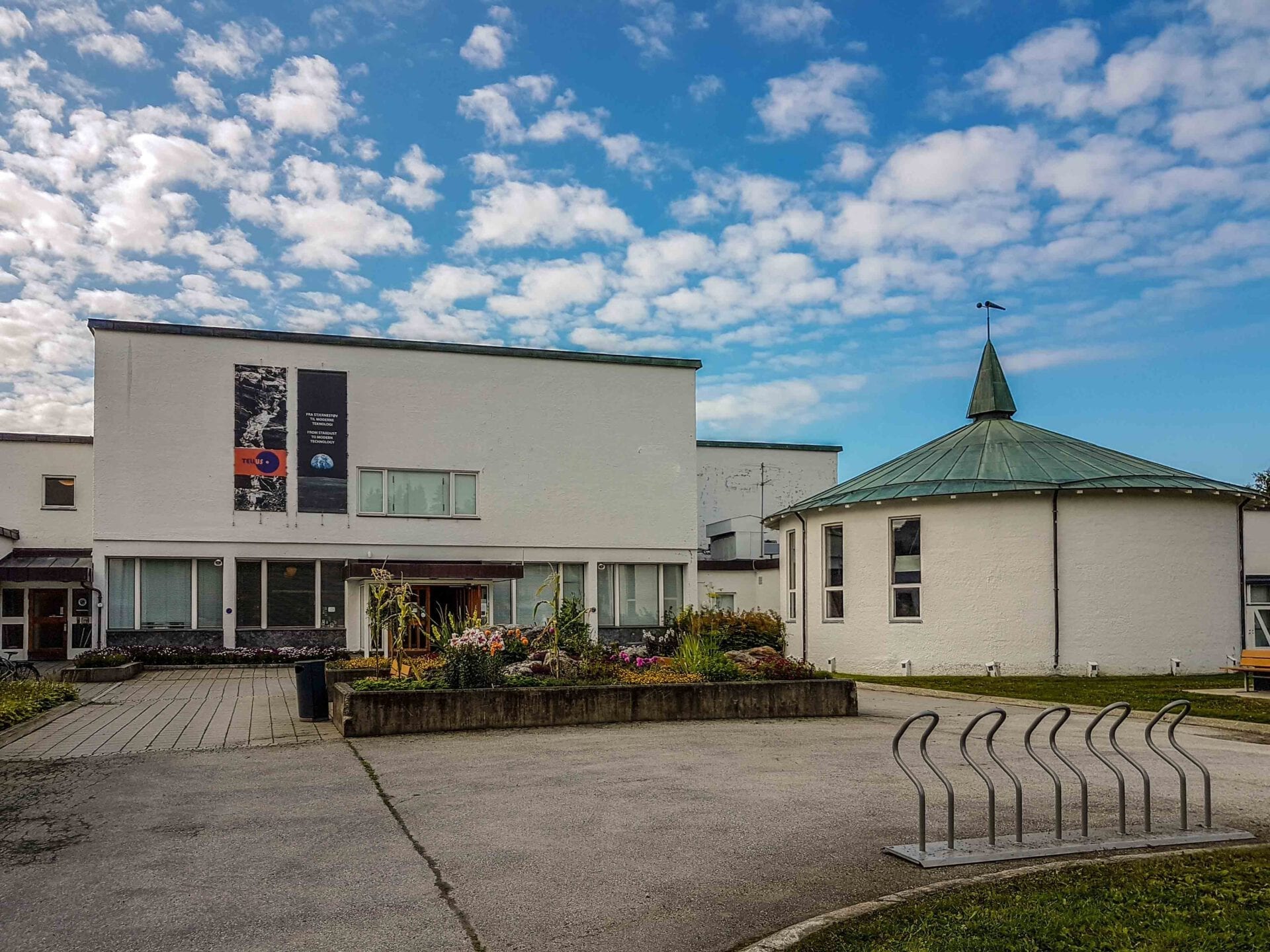
    The new permanent exhibition at The Arctic University Museum of Norway tells the story of our planet from a geological perspective, including pioneering research conducted at CAGE

    From a scientific standpoint, the most reliable way to predict the future is by examining the past. Geological remnants help us to paint a picture of evolutionary processes that we are only beginning to understand, and many of these are on display as part of a new, permanent exhibition aimed at school-aged children at the Tromsø Museum called ‘TellUs – from stardust to modern technology.’ Evolution, in terms of ice sheet migration and its potential effect on climate change, is also a big theme at the Center for Arctic Gas Hydrate, Environment and Climate (CAGE) at UiT The Arctic University of Norway. The center is featured in the TellUs exhibition as part of the ‘modern technology’ portion of the story.

    A journey through time

    The TellUs exhibition leads the viewer on a journey that begins with the Earth as a ball of fire some 4,540 million years ago. This unimaginable expanse of time is brought into perspective by a 2.3-meter stack of A4 paper, using various colors to represent different periods of development in the Earth’s lifespan.

    This stack is made up of 22,700 sheets of paper, depicting the lifespan of the Earth. Shockingly, only the final sheet of paper represents modern human existence.

    Other abstract concepts in geological history are made relatable by presenting them in a local context, while encouraging physical interaction with various touchscreens, rocks, fossils, minerals, and models. This is done especially well through several exhibits covering geological processes amongst the four most prominent mountain peaks of the Tromsø area: Store Blåmannen, Soltindan, Tromsdalstind, and Bentsjordtind.

    CAGE research highlighted

    Research performed at CAGE regarding Arctic gas hydrates becomes a major focus in the exhibit as we enter present day in the timeline. A gas hydrate is essentially methane ice, a solid form of a potent greenhouse gas. These crystalline structures are found in and under the seabed in the Arctic. They are stable in cold conditions and under high pressure, such as under the frigid Arctic ocean. Ice sheets in areas such as Greenland and west Antarctica help to keep the gas hydrates stable. But as these ice sheets begin to melt and recede at a much quicker rate, there is a growing concern that large quantities of methane gas could be destabilized and released abruptly.

    Quantities of methane gas in the atmosphere have greatly escalated on a global scale in the recent past, with 70% of the increase credited to industrial and agricultural expansion. However, natural sources of methane – which is a greenhouse gas with 30x the power of CO2 – are still to be better understood.

    Fortunately, scientists have discovered that an abrupt release of methane happened about 12000 years ago, as evidenced by giant craters found in the ocean floor offshore Svalbard and on land in the Siberian permafrost. By studying the evolution of ice sheet dynamics of the past as well as current conditions at gas hydrate and crater sites, scientists hope to understand how rapid climate change will effect these huge stores of methane.

    A digital experience

    There are several items to investigate at the CAGE part of the exhibition, most of them delivered visually. These include two explainer videos summarizing the risks and scale of the methane problem, a video featuring remotely operated vehicle (ROV) footage from a research expedition to the Barents Sea, and 10 additional videos of CAGE scientists explaining various elements of this important research. Also in place is an unusually well-preserved methane chimney carefully delivered to the museum from Italy.

    The screen on the left contains interviews and videos created by CAGE scientists, while the stone pipe in the middle is an unusually well-preserved methane chimney originating from Italy.

    The topics available on the screen are as follows:

    CAGE: Gas hydrate Research (menu)

    Big plans for The Arctic University Museum of Norway

    Throughout most of its history, The Arctic University Museum of Norway (formerly Tromsø Museum) has featured a geological exhibition, initially due to the influence of famous geologist and co-founder Karl Pettersen.  The exhibition preceding TellUs was erected in the late 70s and faced renovations several times until 2014, when it was entirely dismantled to make room for the new exhibit.

    In 2016, plans for a new building to house the museum were approved. The project is expected to be finished in 2025 and will include a 19,700 square meter museum in immediate proximity to Tromsø city center.

  • “Oasis of life”- paper one of the most downloaded, highlighting benefits of Open Access publishing

    “Oasis of life”- paper one of the most downloaded, highlighting benefits of Open Access publishing

    Emmelie Åström was the first author on the article in Limnology and Oceanography, exploring Arctic methane cold seeps as biological oases.

    Former CAGE PhD Candidate Emmelie Åström was pleased to discover that her 3rd PhD article entitled ‘Methane cold seeps as biological oases in the high-Arctic deep sea‘ was one of the most downloaded papers amongst articles published in Limnology and Oceanography between January 2017 and December 2018.

    In line with Norway’s interest in moving toward a full open-access model for public research results, the article was made openly available for download without a journal subscription. ‘This highlights even more the benefits and recognition achievable through open access publishing and good scientific outreach,’ says Åström.

    She successfully defended her thesis on April 20th, 2018.

    For more information on her research, read the CAGE press release here.

    Text: Jessica Green

  • Fresh water found in the Norwegian Sea

    Fresh water found in the Norwegian Sea

    The discovery was made at 800 meters below the surface in two small canyons on the continental slope outside Lofoten.

    ‘When we the found fresh water leaking from the seabed, we were very surprised,’ explains scientist and marine geologist Wei-Li Hong at the Geological Survey of Norway (NGU) and CAGE.

    A remote-controlled vehicle, deployed from research vessel G.O. Sars, collected and measured the water during an expedition in 2017. The leakage likely originated from a large pocket of fresh water, otherwise known as an aquifer, hidden beneath the sediment of the seabed.

    An underwater craft takes samples of fresh water leaking from the seabed. Photo: NORCRUST

    Remnants of the last Ice Age

    ‘Fisherman in Nordland county have told us that they also found fresh water in the sea, so pure that it could even be used for coffee. This was in Nordbreigrunnen, a few kilometers outside the town of Meløy,’ Hong claims.

    This phenomenon probably began during the last Ice Age. The thick ice caps that enveloped Norway pushed down on the crust of the Earth with tremendous force, squeezing large amounts of meltwater down through cracks in the seabed.

    ‘This is a geological process that began millions of years ago when the water became trapped under the sediment. Only now is it finding its way through the cracks and faults again,’ Hong says.

    The water was found around a kilometer below the seabed, but the aquifer itself could be deeper, and scientists at NGU are unsure how much fresh water remains.

    Similar conditions found in the United States

    Scientists from Columbia University in New York and the Woods Hole Oceanographic Institution in Massachusetts recently found fresh water in the Atlantic Ocean as well, along the east coast of the United States.

    ‘It’s the exact same phenomenon that we have here in Norway,’ comments project manager and CAGE co-director Jochen Knies.

    The Atlantic Ocean aquifer extends along the coast from the southern tip of New Jersey to the northern end of Massachusetts. According to CNN, researchers estimated that it contains enough water to fill 1.1 billion swimming pools. This makes it the largest underwater freshwater aquifer found on Earth.

    A possible resource

    The findings in Norway and the US suggest that there may be other such aquifers elsewhere in the world.

    ‘Such large pockets of fresh water could be a potential resource in areas with no drinking water on land,’ Knies points out.

    The research performed in Norway is under the umbrella of the project «Norwegian margin fluid systems and methane-derived carbonate crusts» (NORCRUST), which is funded by the Research Council of Norway through the Petromaks 2 program.

    The results were recently published in the scientific journal Geophysical Research Letters. The article can be viewed here. 

    Ref.: Hong, W.‐L., Lepland, A., Himmler, T., Kim, J.‐H., Chand, S., Sahy, D., et al (2019). Discharge of meteoric water in the eastern Norwegian Sea since the last glacial period. Geophysical Research Letters, 46.


    Written by: Gudmund Løvø, NGU

    Translated to English by: Jessica Green, CAGE

  • August

    August

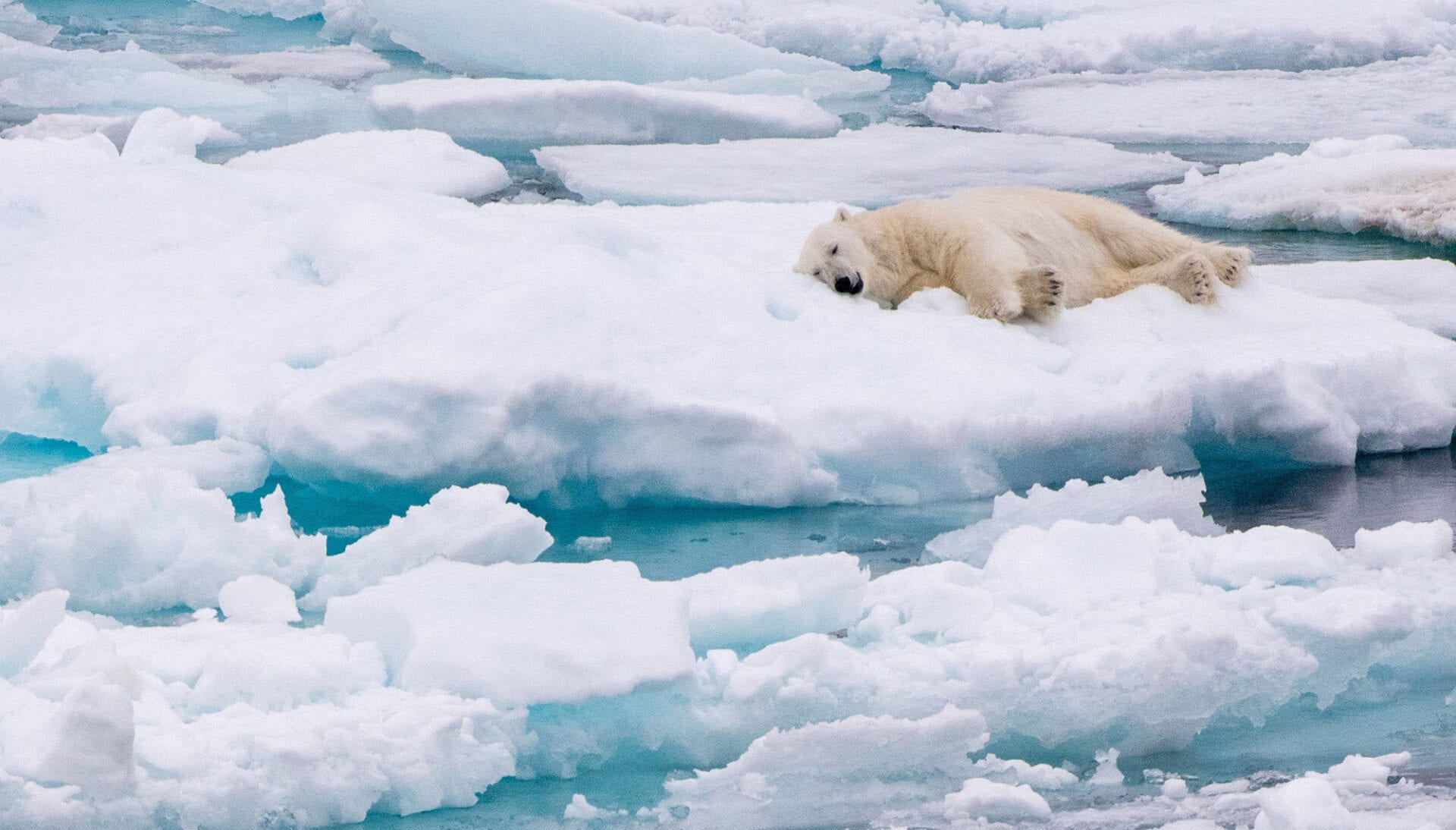
    August’s photo of the month has been submitted by UiT & CAGE graphic designer/photographer Torger Grytå of Tromsø. It shows a well-fed polar bear resting on a piece of floating ice as he digests his latest meal of fresh seal.

    (more…)

  • Changes in ice volume control seabed methane emissions

    Changes in ice volume control seabed methane emissions

    New research shows that episodes of methane emission from the seabed off western Svalbard correlate with changing ice volumes in the Arctic.

    Using the manipulator arm of the ROV Ægir 6000 aboard R/V G.O. Sars in July 2016 for sampling seep carbonates from the seabed at 1200 m water depth, off western Svalbard. Photo: NORCRUST.

    Ice sheet dynamics of the past likely induced fault movements in the Earth’s crust, thereby facilitating seabed methane release in ~1200 m water depth offshore Svalbard.

    – Our results show similar patterns over the last two ice ages, from 160,000 years ago through today. The new data suggest a link between changing continental ice volumes and deep-sea methane emission in the Arctic, says Tobias Himmler, researcher at the Geological Survey of Norway (NGU) in Trondheim.

    Seabed and sub-seabed samples reveal the past

    A seep carbonate mound on the Vestnesa Ridge seabed measuring approximately 1.5 meters wide and 1 meter high. Right: A seep carbonate sample from a drill core drawn from about 10 m below the seabed. Photos: NORCRUST.

    Researchers from NGU and the Center for Arctic Gas Hydrate, Environment and Climate (CAGE) at UiT The Arctic University of Norway in Tromsø participated in two research expeditions connected to this project in the summer of 2016.

    During the first expedition aboard research vessel R/V G.O. Sars, samples were collected from the seabed at the Vestnesa Ridge off western Svalbard at ~1200 meter water depth using the remotely operated vehicle (ROV) Ægir 6000 (Fig. 1).

    A second expedition to the same location took place some weeks later aboard research vessel R/V Maria S. Merian, bringing with it the MARUM-MeBo70 deep sea drilling rig. This time, researchers were able to obtain several 10+ m long sediment cores for further study (Fig. 2).

    Seep carbonates were collected from the seabed with the help of the ROV, while more were also found within the MeBo core samples drawn from below the seabed (Fig. 2). The seep carbonates resulted from the sediment cementation that occurred when methane migrated up from deep below and became oxidized by methane-consuming microbes near the seabed.

    – Seep carbonates serve as geological archives of past seabed methane emissions, says Himmler.

    Multiple episodes of methane emission revealed

    The sea floor drill rig MARUM-MeBo70 aboard the R/V Maria S. Merian off western Svalbard. Photo: Aivo Lepland.

    After measuring the amounts of radioactive isotopes uranium and thorium found in the seep carbonates, scientists at the British Geological Survey were able to calculate the ages of the carbonate pieces. This data reveals three separate 10,000- to 20,000-year long methane emission episodes over the last 160,000 years. Methane was released when thick ice sheets moved in to cover Svalbard and the Barents Sea area, and later after the ice diminished.

    – During ice sheet growth, the extra weight of the ice presses the Earth’s crust downward. Following the melting of the ice, the crust rises again. Our data indicate that methane off western Svalbard emanated from the seabed primarily when ice sheet movements activated faults. How much methane was emitted, however, we don’t know, explains Himmler.

    Previous research has shown that methane emissions have occurred consistently since the last ice age, beginning about 23,000 years ago. Scientists from NGU and CAGE have now managed to -literally- drill further back in time using the MARUM-MeBo70 sea floor drill rig. The drilled seep carbonate samples reveal that there have been at least two older methane emission episodes in the past, between about 160,000 to 133,000 years and 50,000 to 40,000 years ago.

    – Ice sheet dynamics is a new factor when considering the natural drivers of deep-sea methane release in the Arctic, says Tobias Himmler.

    The research project “Norwegian margin fluid systems and methane-derived carbonate crusts” (NORCRUST) is funded by the Norwegian Research Council through the Petromaks2 program. NORCRUST is led by NGU and the research was carried out in collaboration with CAGE, the MARUM-Center for Marine Environmental Science, and the British Geological Survey.

    The study was published in the scientific journal Science Advances.

    Original text in Norwegian: Gudmund Løvø
    Translated to English by: Jessica Green

    Ref:

    A 160,000-year-old history of tectonically controlled methane seepage in the Arctic. Tobias Himmler, Diana Sahy, Tõnu Martma, Gerhard Bohrmann, Andreia Plaza-Faverola, Stefan Bünz, Daniel J. Condon, Jochen Knies, and Aivo Lepland. Science Advances 5, eaaw1450. DOI: 10.1126/sciadv.aaw1450

  • Unusual mucous-like substance found buried within seafloor sediment

    Unusual mucous-like substance found buried within seafloor sediment

    The location and microbial composition of recently found biofilms are challenging beliefs about methane diffusion

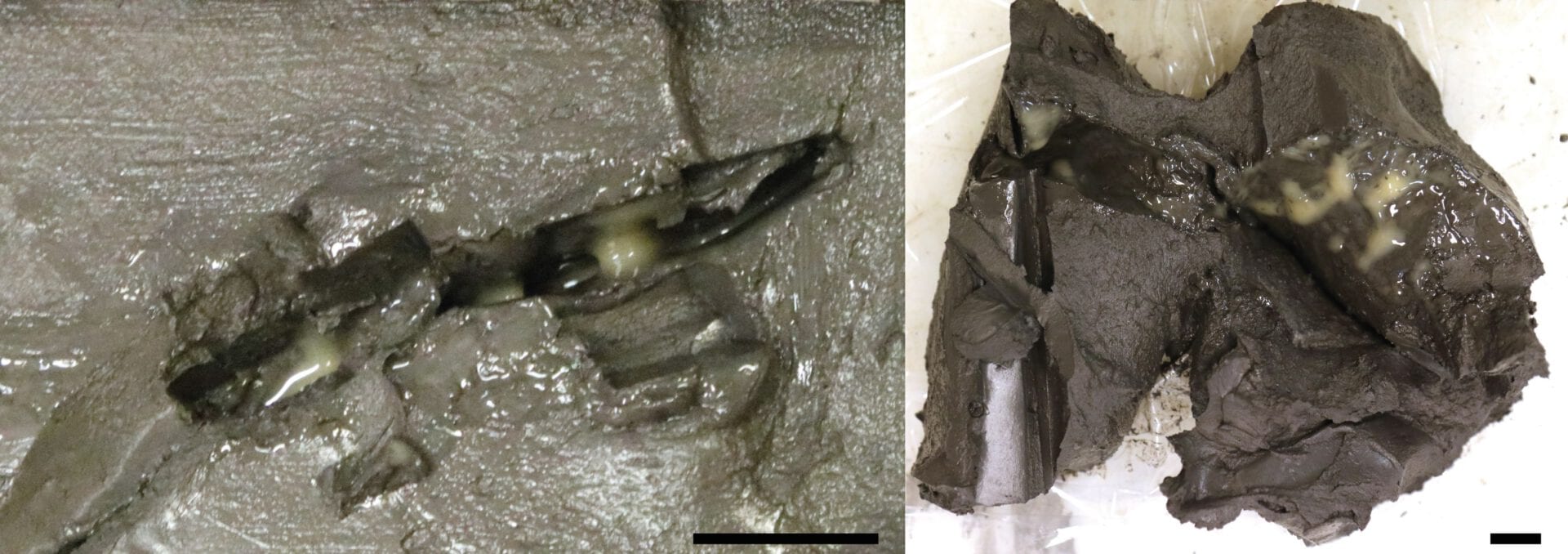
    When Friederike Gründger and her team cracked open the long, heavy cylinders of black sediment drawn from the ocean floor, they were surprised to find pockets of yellowish-green slime buried within two of the samples. The average person may not consider the appearance of such unseemly goo as a cause for celebration, but the biologists knew that this slime, otherwise known as biofilm, was a highly unusual find in this particular location, and could even play a role in terms of climate change.

    This group from the Centre for Arctic Gas Hydrates, Environment, and Climate (CAGE) at UiT The Arctic University of Norway set out to investigate the microscopic and macroscopic organisms living in or around cold seep sites such as Gas Hydrate Pingos (GHP) in the Svalbard area. These dome-like, geological structures leak methane gas into the ocean water with the potential to travel to the surface and enter our atmosphere, possibly advancing climate change.

    Underwater organisms thrive on deadly greenhouse gas

    Some of the organisms living at these sites are relevant to this process, as they have adapted to live off the methane and convert it into harmless compounds such as carbonate and water. This activity is called anaerobic oxidation of methane (AOM) and has a global impact on the diffusion of underwater methane. The most relevant entities contributing to this process are methanotrophic archaea (ANME -1, -2, and -3) and sulphate-reducing bacterial (SRB), two microorganisms usually found living co-dependently in colonies. It is still unclear, however, where they can be reliably found and how involved they are in such methane control.

    Slimy biofilm coats microbial communities; provides protection

    Biofilms are glue-like substances that encase clusters of microbes to provide extra protection against the elements. They can be found all throughout nature, even on the human body; biofilms can lead to complications in wound care and adhere to your teeth as plaque. But they are also found on the ocean floor, protecting the microbial communities that set up shop near areas of methane accumulation. Where they are not usually found, however, is within the cracks and crevices of seabed sediment – at least, not as far as we know. But Gründger et al.’s research may be showing us once again how the ocean is constantly capable of surprising us.

    Research findings surprise scientists

    Here are the highlights from the recently published article from Gründger et. al. in Scientific Reports:

    • This is the first case of biofilms, visible to the naked eye, found in the cracks of methane-rich sediment in Arctic waters. It could prove to be a common occurrence of which we were previously unaware.
    • Both biofilm samples found were shown to have a very unique microbial composition with ANME-1 as the dominating group. This has only been seen once before, as reef-forming microbial mats in the Black Sea.
    • Although ANME-1 and SRB microbes usually help one another to absorb methane, there was no direct cell-to-cell contact between the two in these particular biofilms. This leads our scientists to wonder if ANME-1 could filter the methane without the presence of the SRB, something previously thought impossible.

    For more details on the background, methodology, and results of this exciting study, see the recently published article entitled ‘Methane-fuelled biofilms predominantly composed of methanotrophic ANME-1 in Arctic gas hydrate-related sediments.’

    Text: Jessica Green

  • US Naval Academy visits CAGE

    US Naval Academy visits CAGE

    STEM students explore Norway

    For the second year in a row, students from the U.S. Naval Academy’s LREC (Language & Cultural Exchange) Program visited CAGE scientists at UiT The Arctic University of Norway to learn about the centre and discuss some of our most exciting projects.

    The visit was part of a larger educational trip to Norway in late May/early June, organized and executed by the Academy. It is expected to be an annual event with a threefold objective: to explore topics within Polar RTD&E (research, development, test & evaluation), to become acquainted with the government and military of the host country, and to enjoy new cultural experiences.

    This year, four lucky students were chosen to accompany military officers and instructors Commander Keith Thompson and Commander Russ Ingersoll to various cities around Norway, including Tromsø, Oslo, Bergen, and Longyearbyen in Svalbard. While oceanography majors at the Naval Academy were prioritized in selecting candidates for the trip, those with other STEM (science, technology, engineering, and mathematics) backgrounds and Polar RTD&E interests were also encouraged to apply. Ultimately, four of the students in attendance were oceanography majors (Abby Ebersole, Emily Doyle, and Ian Bramblett) while one was a robotics and engineering major (Luke Marino).

    CAGE shares multidisciplinary perspectives

    The agenda at CAGE was straightforward; after a warm welcome and introduction to the centre by assistant director Stefan Bünz, four of our scientists gave presentations and answered questions on some of our ongoing projects. These included:

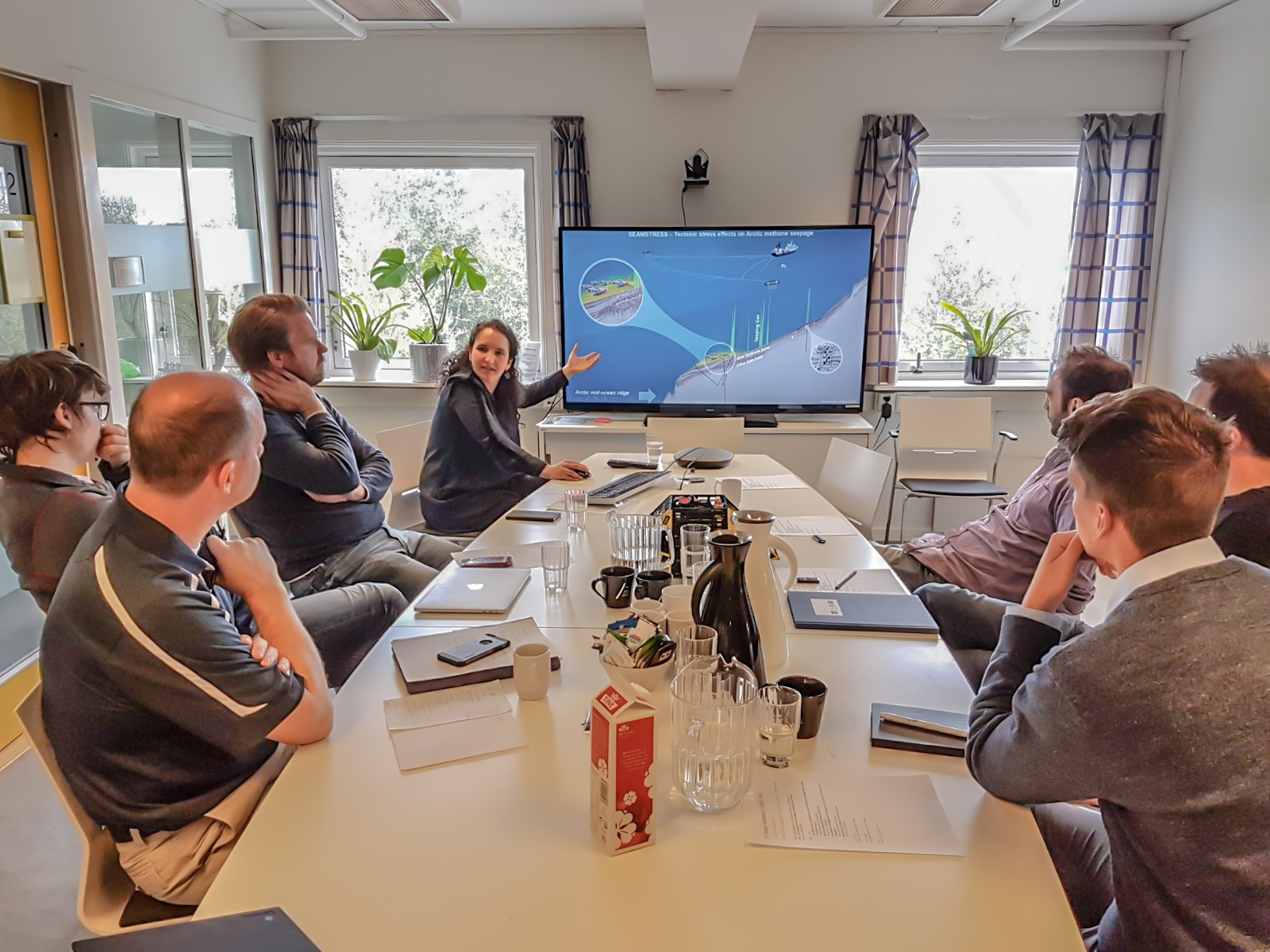
    • How does tectonic stress affect gas hydrate stability and methane release on Arctic continental margins?
      Andreia Plaza-Faverola, Researcher
    • Reconstructing past glaciations of the Arctic
      Henry Patton, Researcher
    • How microbes are mitigating the release of methane from the sub-seabed to the atmosphere
      Dimitri Kalenitchenko, Post Doc
    • Bubble-derived methane in the water column
      Pär Jansson, Researcher

    There was time after the presentations for a quick lunch and tour of the lab, provided by research engineer Matteus Lindgren, after which the attendees were whisked away to their next appointment. Other places in Tromsø that the group planned to visit were the Centre for Sami Studies and the Department of Engineering and Safety (and its Ship Navigation Simulator) at UiT, as well as the Arctic Institute and the Arctic Council at Framsenteret.

    It was a treat for everyone involved to meet such friendly and inquisitive people as our visitors from the U.S. Naval Academy. We appreciate their interest and hope to welcome them again in the future!

    Text: Jessica Green

  • July

    July

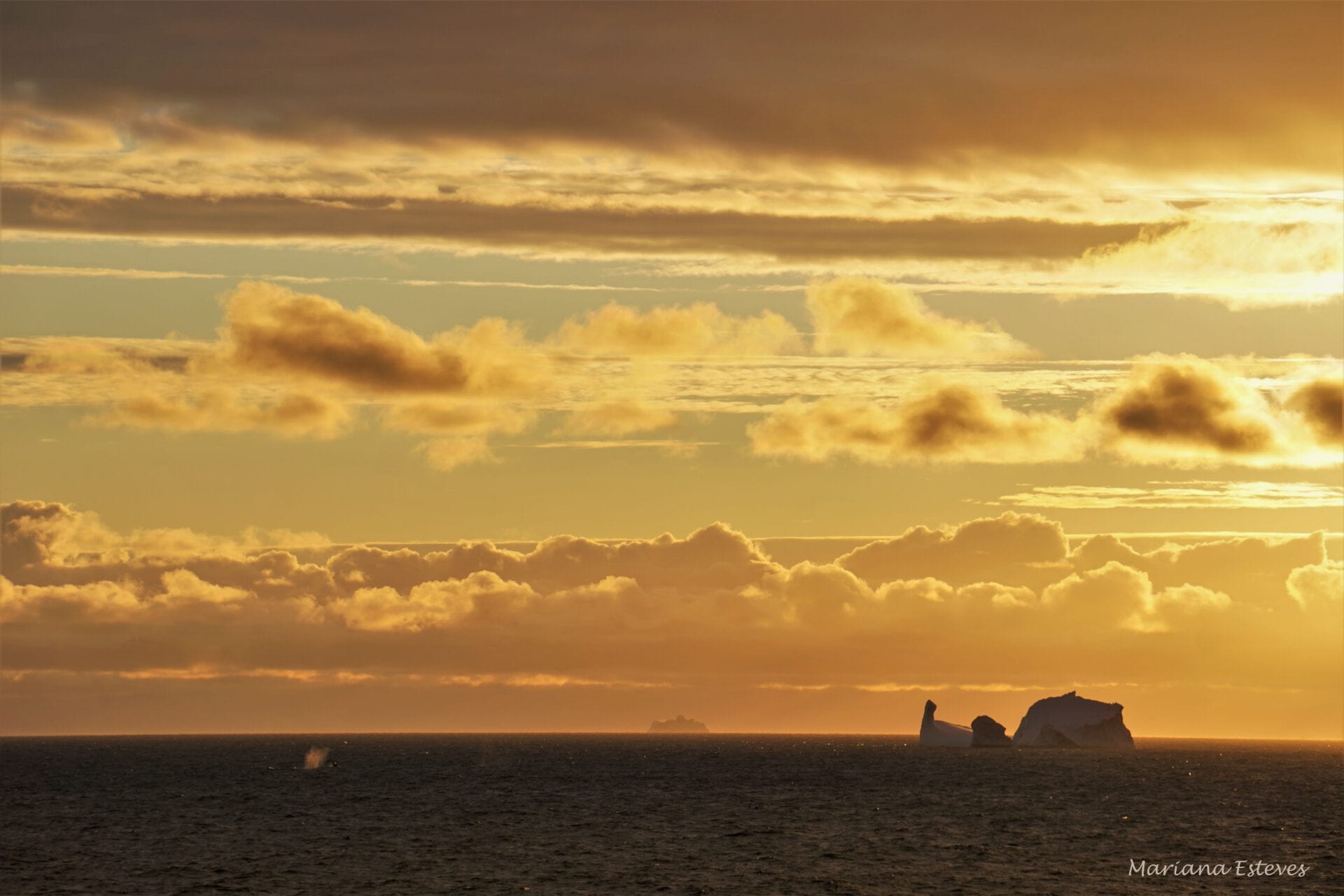
    July’s photo of the month has been submitted by CAGE early career researcher Mariana da Silveira Ramos Esteves of the UK, taken approximately 200 km off the Amundsen Sea while participating in IODP Expedition 379 in winter/spring 2019.

    (more…)

  • Sunny Singhroha defends thesis on distribution and quantification of gas hydrates and free gas on Vestnesa Ridge

    Sunny Singhroha defends thesis on distribution and quantification of gas hydrates and free gas on Vestnesa Ridge

    Gas hydrates are crystalline structures containing large amounts of methane, often located in climate-sensitive polar environments. They are found in large quantities at Vestnesa Ridge on the western Svalbard Margin, a place also characterized by an extensive occurrence of active gas seepage (primarily of methane) from pockmarks on the seafloor. Gas hydrates hold potential as a ‘fuel of the future’ while simultaneously posing a risk as a geohazard and an accelerator of climate change. While we are only beginning to understand them, it is crucial to determine the location and quantities of gas hydrates that are stored in marine sediments.

    This study, conducted by Sunny Signhroha of CAGE, uses various geophysical methods and techniques to detect gas hydrates on the Vestnesa Ridge, including a novel technique that estimates the seismic quality factor Q from broad-bandwidth (20-300 Hz) high-resolution P-Cable 3D seismic data in order to directly detect gas hydrates in marine sediments. Furthermore, the study includes a detailed analysis of P- and S-wave seismic velocities (through travel time and full waveform inversion) as well as an azimuthal velocity analysis using ocean-bottom seismic data. The P- and S-wave velocity models developed in the thesis are used to estimate gas hydrate saturation with the help of the SCA/DEM rock physics model. The combined analysis of these results suggests the occurrence of gas hydrates lying in fractures and faults along the Vestnesa Ridge. The variations in gas hydrate saturation and morphology across these faults indicates a strong structural control of this gas hydrate system.

    Singhroha publicly defended his PhD thesis entitled “Distribution and quantification of gas hydrates and free gas in marine sediments of Vestnesa Ridge, offshore W-Svalbard” on June 18th 2019 at UiT The Arctic University of Norway. This work was funded by the Centre for Arctic Gas Hydrate, Environment, and Climate (CAGE) at UiT.

    To find out more, read the two academic articles based on the findings of this research:

    Gas hydrate and free gas detection using seismic quality factor estimates from high-resolution P-Cable 3D seismic data

    Constraints on Gas Hydrate Distribution and Morphology in Vestnesa Ridge, Western Svalbard Margin, Using Multicomponent Ocean‐Bottom Seismic Data

  • Kate Waghorn defends thesis on the creation of gas hydrate systems of non-biological origin

    Kate Waghorn defends thesis on the creation of gas hydrate systems of non-biological origin

    Faults, tectonic stress, and fluid flow contribute to a unique methane system in an Arctic underwater mountain range

    The Svyatogor Ridge is an underwater site featuring an unusual gas hydrate system located alongside a divergent plate boundary, an area where two tectonic plates move away from each other to allow for new crust development. Most gas hydrate systems are fueled by prehistoric organic matter, but the Svyatogor Ridge gas hydrate system is thought to have originated without such matter. In her PhD thesis, Kate Waghorn investigates how methane with non-biological origins could be generated, integrating the study of tectonics, geology and fluid migration pathways to explore the linkage between deep crustal fluid processes and shallow subsurface gas hydrate systems.

    This study has demonstrated the underlying connection between shallow and deep processes on the Svyatogor Ridge. Information about past tectonic stress regimes, gathered with high-resolution 3D seismic technology, has provided insight into some characteristic anomalies of the gas hydrate system. Geophysical evidence suggests that fluid migrates through faults which reach down to the Earth’s mantle, and it is possible these faults are also sources of non-biological methane production. Accordingly to further geophysical evidence, transform faults (where two tectonic plates slide against one another) as fluid migration pathways may hold a greater importance than previously predicted.

    Kate defended her thesis on June 13th, 2019 at UiT – The Arctic University of Norway. Her PhD was funded by the Centre for Arctic Gas Hydrate, Environment and Climate (CAGE).

  • Calvin Shackleton defends thesis on the reconstruction of past ice sheet drainage and meltwater processes

    Calvin Shackleton defends thesis on the reconstruction of past ice sheet drainage and meltwater processes

    Changes in global climate and ocean temperatures have caused melting and subsequent thinning of the world’s ice sheets, as well as an increased rate of ice-mass loss to the oceans. Understanding the processes occurring beneath modern ice sheets is essential in determining how they are likely to respond to future climatic changes.

    Calvin Shackleton uses glacial landforms in his PhD study to reconstruct past meltwater processes beneath the ice sheets that once covered the Barents Sea and Fennoscandia, and relies on computer-simulated ice sheets to recreate their meltwater drainage patterns. Ice flowing towards the ocean margins of ice sheets is controlled in part by the meltwater at their base, which fluctuates between high and low pressure with significant impacts on ice flow speed. Meltwater processes from a wide range of regions and time frames are studied, from drainage patterns spanning an entire glacial period, to more focused studies of meltwater and its impact on the dynamics of the ice sheet interior and margins.

    Reconstructions of glacial landforms reveal iceberg creation amongst vast quantities of meltwater at a retreating ice margin to the south of Svalbard. In the central Barents Sea, other reconstructions show highly dynamic drainage systems that operated throughout the growth and decay of the former ice sheet. Meltwater drainage modelling over the entire region predicts potential locations for water storage within subglacial lakes, while reconstructing vast drainage systems beneath past ice sheets, providing insights into the potential drainage configurations beneath present-day Antarctica and Greenland.

    Shackleton defended his thesis on June 11th, 2019 at the Department of Geosciences, UiT The Arctic University of Norway. His PhD was funded by the Centre for Arctic Gas Hydrate, Environment, and Climate (CAGE).

  • CAGE welcomes 4 new employees (and springtime!) to Tromsø

    CAGE welcomes 4 new employees (and springtime!) to Tromsø

    The snow has melted, the grass has turned green, the flowers are blooming, and four new scientists have started their careers at CAGE UiT – all sure signs that springtime is here at the Arctic University of Norway!

    Frances Cooke (PhD – UK)

    Frances Cooke was the first to arrive to Tromsø on April 23rd, 2019. Originally hailing from the UK, Frances has made travel an integral part of her life in terms of both business and pleasure. Before coming to Tromsø, she lived and studied in a variety of places including Wales, Scotland, and three different parts of Australia, traveled to many remote locations such as Indonesia, Jamaica, and the Heard and McDonald islands in the sub-Antarctic, and participated in no less than 25 sea voyages on nine different ships. If you add in a Master’s Degree in Applied Geoscience, a second Master in Petroleum Geoscience, and 3.5 years work experience as a marine geophysicist, then Frances has been one busy lady.

    The Seamstress Project (part of Work Package 1 and lead by Andreia Plaza-Faverola) will be Frances’ focus while she is at CAGE. The main goal of this project is to investigate the effects of stress placed on underwater seams in the marine areas west of Svalbard, operating under the assumption that regional processes such as plate tectonics contribute to the cracking of the sea floor and the release of deeply held methane gas reserves into the ocean. There are a number of techniques for examining this hypothesis further, including the use of high-tech scientific instruments such as the P-cable to collect seismic data. It will be Frances’ job to process and interpret this data with a primary focus on stress of the historic past.

    Algorithms, calculations, and long strings of numbers may come to mind when one envisions data analysis. But what drew Frances to this particular field was exactly the opposite: it was the inherent beauty in the visual interpretation of such data; the flowing waves, the surprising shapes, the contrasting colors and the stories they tell. Frances feels that she has always had an innate artistic vision that guides her in life and in her career. This vision becomes especially tangible through her interest in video production/editing and photography. The idea of bridging the gap between art and science is one that deeply appeals to Frances, and may provide her with a unique outlook when it comes to data analysis. Who can predict what the eye of a scientist/artist might identify?

    An example of seismic data made visual, from Vestnesa Ridge


    Przemek Domel (PhD – Poland)

    Przemek Domel of Poland is also working for the Seamstress Project, although while Frances is concerned with stresses of the past, he will be ‘listening’ for methane activity and earthquakes on the seafloor through the use of seismological instruments that will provide insight into stresses of the present. His views of the field could not be more different from those of his colleague. When he was evaluating his interests as a bachelor student and envisioning a future career, he knew that he would thrive in a discipline that relied heavily on numbers. However, the idea of sitting behind a desk all day was not his idea of a good time. This provided quite a dilemma: how could he use his natural talents while working in a field with hands-on tasks and visible, practical applications? That is when he decided to get his hands dirty and dive into the geosciences.

    As the second employee starting at CAGE this spring, Przemek arrived on May 2nd at the tail end of the SAS strike – maybe not the warmest welcome to Norway. Regardless, having spent a semester abroad in Trondheim during his Master’s studies, he already knew that Norway was a place that he would enjoy. The high quality of life, pure natural resources, and abundance of outdoor activities (excluding skiing – ask him about the pillows!) mesh well for him with the reserved nature of Norwegians; a nature very complimentary to his own, he feels. The only thing that provides some pause is the constant light of the midnight sun – still, a small price to pay for three years of bliss doing what one loves in a place one appreciates.

    Claudio Argentino (Postdoc – Italy)

    Our third new employee is also part of Work Package 1, but rather than being associated with the Seasmstress project, postdoctoral fellow Claudio Argentino is under the supervision of Giuliana Panieri and Stefan Bünz for a project connected to Aker BP. His responsibilities have little to do with seismology, holding an entirely different twofold focus. This includes:

    (1)    Analysing the geochemistry of pore fluids and sediments affected by the methane seeps, including characterization and quantification of the hydrocarbon fraction

    (2)    Investigating the location and composition of seabed habitats based on video taken of the seafloor

    Claudio arrived to Tromsø from his homeland of Italy on May 26th with his Chinese wife Shuning in tow, but like Przemek, this was not his first experience with Norway. He visited Tromsø in June of 2017 as a PhD candidate participating in the AMGG Bubbles International Training School sponsored by CAGE, an experience that drew an overwhelmingly positive response from Claudio. As he spoke about his first impressions of the wilderness and uncontaminated nature of Tromsø, his eyes became faraway and dreamy. It is clear that he is still in disbelief that he has been lucky enough to get this opportunity and live in this beautiful place.

    Students of the Bubbles School 2017.

    Participating in Bubbles was also lucky for Claudio in other ways. It was there that he learned about CAGE and met a number of the scientists contributing to CAGE research. In fact, UiT became his top choice for further education after this memorable trip. This bit of networking has proven invaluable, and goes to show what a powerful impact it can have on a young, emerging scientist’s career path.

    Griselda Anglada-Ortiz (PhD – Spain)

    The final new employee joining the ranks of CAGE this spring is Griselda Anglada-Ortiz, coming from the sprawling metropolis of Barcelona, Spain. Like Frances, she also has two Master’s degrees – one in Oceanography and Marine Environmental Management and the other in Education of Natural Sciences, proving that our new colleagues are very well educated! For the past three years, she served as a research assistant at the Autonomous University of Barcelona studying the abundance of planktic calcifying organisms in the North Pacific Ocean and the Mediterranean Sea. This, alongside her previous degrees, has gone a long way in preparing her for her new tasks at CAGE.

    Griselda is working with the multi-disciplinary Nansen Legacy Project, which aims to predict the future status of the rapidly changing Barents Sea in an effort to improve sustainable resource management. She will be working under the supervision of Kasia Zamelczyk and Tine L. Rasmussen as part of Work Package 6. Griselda’s specific task will be to measure ocean acidification (both past and present) and hypothesize on how it has affected foraminifera and pteropods, two species of micro-zooplankton that preserve their history in the chemical makeup of their shells.

    Although she had never stepped foot in Norway before May 2nd, Griselda had heard the stories of academic life in Norway, and they held an almost fairytale-like quality. Norway was, as far as she was concerned, ‘university heaven.’ Not only was the quality of education high in the north, but the opportunities were plentiful. In other countries, many PhD positions go unpaid, and students are forced live off air, sunshine, and the love of science. From Griselda’s perspective, in Norway the funding is plentiful, the equipment is new, and atmosphere is positive.

    Welcome to all!

    Clearly our four new friends at CAGE have big expectations of UiT, of Norway, and most of all – of themselves. We wish them luck in the years to come and look forward to many work-related collaborations, social events, and successes. Check the website again in August for information on an ADDITIONAL two new employees joining us this summer!

    Text: Jessica Green
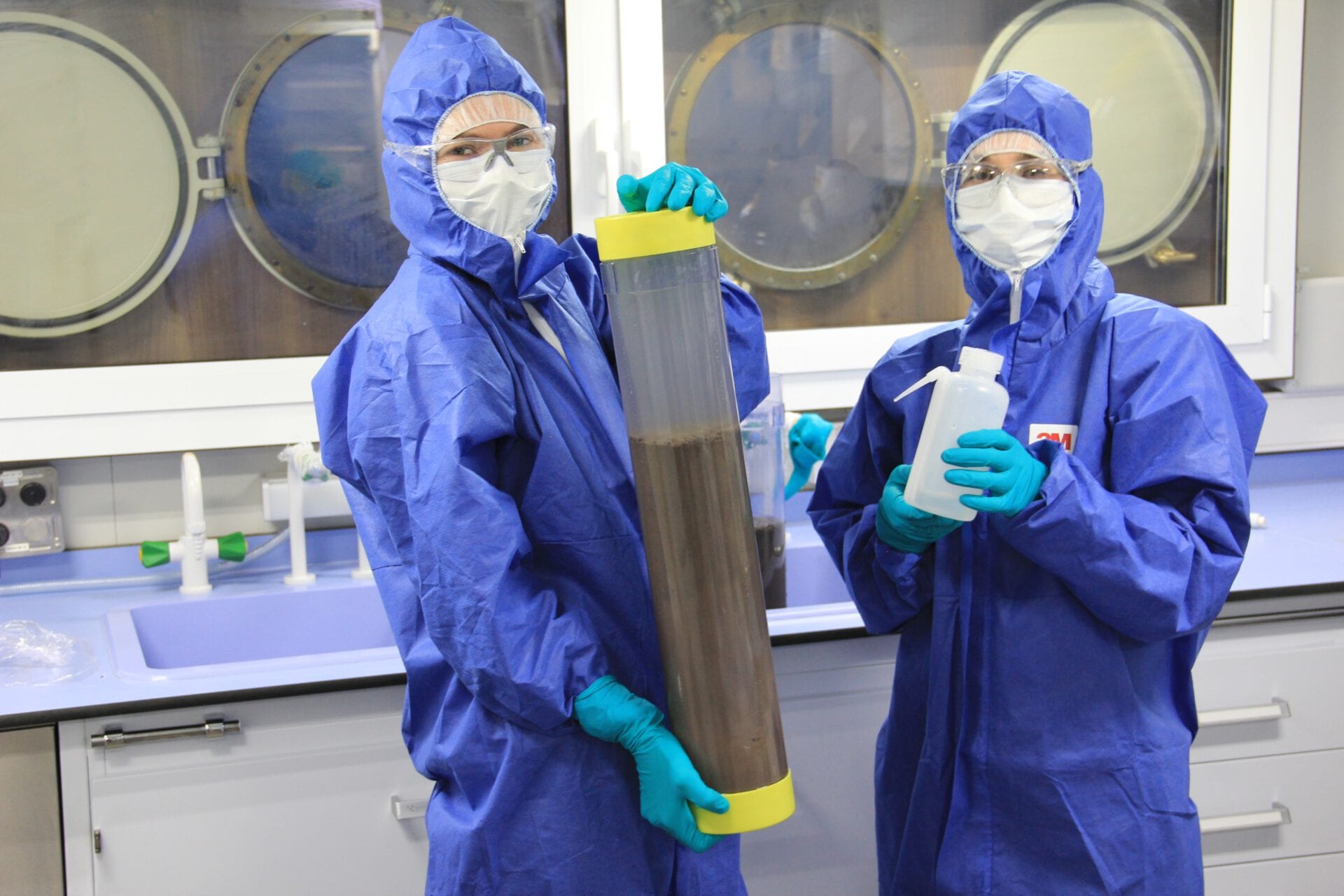
  • June

    June

    CAGE was in attendance at the May 22nd 2019 Cannes Film Festival screening of ICE ON FIRE, the new climate change documentary produced and narrated by Leonardo DiCaprio and directed by Leila Conners of Tree Media.

    (more…)

  • New Leonardo DiCaprio documentary includes scientists from CAGE; premieres at 2019 Cannes Film Festival

    New Leonardo DiCaprio documentary includes scientists from CAGE; premieres at 2019 Cannes Film Festival

    The feature documentary ICE ON FIRE highlights cutting-edge research driving today’s climate science. Oscar®-winner Leonardo DiCaprio produced and narrated the film, which includes scientists from CAGE, a centre of excellence at UiT The Arctic University of Norway.

    Text & Photos: Maja Sojtaric

    The official poster for the documentary.

    ICE ON FIRE is directed by Leila Conners and will premiere at the 2019 Cannes Film Festival, Wednesday May 22, and on HBO June 11.

    “My partners and I made ICE ON FIRE to give a voice to the scientists and researchers who work tirelessly every day on the frontlines of climate change,” says producer and narrator Leonardo DiCaprio in a statement.

    Features voices on the forefront of Arctic science

    Some of the scientists included in ICE ON FIRE can be found at UiT The Arctic University of Norway in Tromsø. The crew visited UiT’s Centre for Arctic Gas Hydrate, Environment and Climate (CAGE) to highlight the research on a very specific, but potentially globally significant, gas.

    CAGE investigates the release of methane – a greenhouse gas far stronger than CO2 – from the Arctic seafloor and permafrost. Vast amounts of methane are trapped at shallow depths below the seafloor as gas hydrates, ice-like mixtures of gas and water. The abrupt release of even a small fraction of these methane stores could profoundly change the nature of the Earth’s biosphere, rapidly accelerating global warming and giving rise to sea levels.

    “The ice covers of our planet are tremendously vulnerable to climate change, and they control complex systems for methane release,” reports CAGE director Karin Andreassen. “We welcome any initiatives that can shed light on the specific research that we do, because it is a part of the global conversation to which we all have to contribute.”

    ICE ON FIRE investigates solutions; aims for hope

    Cathrine Lund Myhre, senior scientist at the Norwegian Institute for Air Research (NILU) and CAGE collaborator, appears in ICE ON FIRE together with professor Jürgen Mienert and researcher Pavel Serov from CAGE.

    Cathrine Lund Myhre is interviewed at UiT.

    “The dissemination of knowledge about role of methane in climate change, and what we see in the Arctic, is important,” says Myhre. “We need better understanding of the sources, and the ratio of natural and anthropogenic emissions of the greenhouse gas. The recent increase of methane in the atmosphere does not seem to be explained purely by emission from human activities, but it is only the human emissions that can be controlled by mitigation strategies and abatement control.”

    The documentary provides insight into technological innovations aimed at reducing carbon in the atmosphere, which could assist in reversing some of the damage done to our environment.

    “We wanted to make a film that depicts the beauty of our planet while highlighting much-needed solutions across renewable energy and carbon sequestration. This film does more than show what is at stake if we continue on a course of inaction and complacency – it shows how, with the help of dedicated scientists, we can all fight back. I hope audiences will be inspired to take action to protect our beautiful planet,” says Mr. DiCaprio.

    Continued research crucial for future

    Arctic areas are remote, making them notoriously difficult to access. This leads to research that is both expensive and time-consuming. Regardless, more groundwork is necessary to inform the experimental models climate scientists rely on to make sound interpretations of climate systems.

    According to professor Andreassen, “The Arctic is a complicated place that offers complex insights. But we must endure and continue to push for high scientific activity in the area. Our understanding of these systems is crucial for the future of the planet.”


    CAGE and affiliated scientists participating in the film:

    Former CAGE director Jürgen Mienert.

    Jürgen Mienert:

    Professor – CAGE, UiT The Arctic University of Norway.

    Email: jurgen.mienert@uit.no

    Phone: +47 99794063


    Cathrine Lund Myhre:

    Senior scientist – Norwegian Institute for Air Research (NILU)

    Project leader for the MOCA-project and for the Norwegian Greenhouse Gas Monitoring Program.

    Email: clm@nilu.no

    Phone: +47 48221353


    Pavel Serov:

    Pavel Serov of CAGE is interviewed in the CAGE offices.

    Researcher – CAGE, UiT The Arctic University of Norway

    Email: pavel.russerov@uit.no

    Phone: +47 99867350


    Other requests:

    Karin Andreassen:

    Director – CAGE, UiT The Arctic University of Norway

    Email: karin.andreassen@uit.no

    Phone: +47 46929027


    Maja Sojtaric:

    Senior communications advisor – CAGE, UiT The Arctic University of Norway

    Email: maja.sojtaric@uit.no

    Phone: +47 91845151

  • CAGE senior scientist Giuliana Panieri promoted to full professor

    CAGE senior scientist Giuliana Panieri promoted to full professor

    Giuliana Panieri reaches career goal, years after unconventional entrance into the field

    Humanity strives to piece together as much of the past as possible, but it is difficult to get a clear picture of what our Earth and its oceans were like in geological history. Such information can help us to predict possible environmental changes of the future, a topic that has always held a certain fascination for Giuliana Panieri of the Centre for Arctic Gas Hydrate, Environment, and Climate (CAGE) at UiT – The Arctic University of Norway.

    Giuliana has recently been promoted to full professor at UiT, a position that has always been a dream in her academic career. Growing up with entrepreneurs as parents, she was inspired to pursue such dreams through hard work and determination. Despite choosing a male-dominated field, she forged ahead to lift the veil on the past by studying micropaleontology as it applies to climate, environment and methane release from the Arctic Ocean.

    Microfossils help researchers reconstruct geological history

    One way that scientists peer into the past is by examining foraminifera, a certain class of microorganism found in almost all marine environments. Foraminifera are special, as they exist in very large quantities and have been around since the earliest Cambrian (beginning approximately 540 million years ago). Their remains make up the majority of marine sediment deposits on the ocean floor, and by examining these fossils we can paint a picture of how the Earth may have looked at various points in geological history, especially in terms of climate changes and ocean acidification. They are also important for locating hydrocarbons in oil exploration. It is through such studies that Giuliana has made a name for herself in the scientific community – although her interest in the field started with a misunderstanding.

    A false impression leads to a career

    It all began when she took a course on methane release in marine environments while studying geology at the master level at the University of Bologna in Italy. Despite much searching, it seemed that no one else was using micropaleontology in methane hydrate research. Little was known about methane hydrate at the time as it was still an emerging field, so such a scenario was entirely plausible. Complicating matters further, this was before mass access to the internet, which made thorough information-gathering that much more challenging. She poured through scientific journals at her university library, searching for evidence that the topic was being explored. Despite much effort, she initially found none. This knowledge kindled her interest, and she decided to investigate further.

    Eventually she discovered that she had been mistaken – there was, in fact, a research group involved in methane/micropaleontology studies at that very moment, as well as a 1994 paper published on the topic. Despite this unconventional introduction, her destiny had been determined. She continued to dig into this line of research, making her way through PhD and Post Doc positions in micropaleontology with a focus on gas hydrate. She later spent time at multiple universities as a visiting scientist, worked as a consultant to oil companies in oil exploration, was hired by the Institute for Marine Science at the Italian National Research Council, and had an adjunct position at the Wood Hole Oceanographic Institute (WHOI), USA. Finally, she ran into Jürgen Mienert, a professor for Arctic Marine Geology and Applied Geophysics at UiT.

    A professional acquaintance recognizes talent

    Jürgen, founding director of CAGE, was putting together a dream-team to run a Norwegian Research Council-funded Centre of Excellence (CoE) based at UiT. He had already included several top scientists with whom he had previously collaborated on the well-respected Continental Slope Stability (COSTA) project. Giuliana and Jürgen were acquainted from PERGAMON, an EU project with a focus on understanding methane emissions in the Arctic. He knew that she would be the perfect choice to lead the establishment of both the mass spectrometry laboratory and the scanning electric microscope (SEM) laboratory at CAGE, with a research focus on reconstructing methane emissions in geological history. Later, she was also asked to lead UiT’s Trainee School in Arctic Marine Geology and Geophysics (AMGG).

    In 2013, Giuliana came to live in Tromsø with her husband and the two children, having never before set foot in the Arctic. Despite a period of adjustment in terms of climate, UiT was like a dream university; a place where they put emphasis on scientific research, hired like-minded individuals to share the journey, and supported their employees in achieving their goals. In fact, the OPRIK project at UiT was a big help when it came to achieving hers.

    University program assists female employees in reaching career goals

    Organized by the Resource Center for Teaching, Learning and Technology (RESULT), OPRIK is a program specifically designed to assist female scientists in reaching the next step in their careers. For Giuliana, that was becoming a full professor. The organization provides pedagogic courses, supervising courses, and a network of useful contacts for guidance. Every two years, a handful of participants from the project are selected to move forward in their careers, and in 2019 Giuliana was one of them.

    It has not been an easy journey for Giuliana and her family, and it is surely far from over. But she has managed to achieve very much in a short period of time by working hard, working smart, and being determined. Giuliana would like to thank UiT The Arctic University of Norway and the Faculty of Science and Technology, her colleagues at the Department of Geology, her PhD and Post Doc mentees at CAGE, and her external collaborators for helping to contribute to her success. We look forward to seeing what such an inspiring woman can achieve in the future!

    Text: Jessica Green

    Photo: Torger Grytå

  • May

    May

    Alexander Tveit was drilling the ice cap on top of an open pingo system in Adventdalen (Svalbard) to collect water samples for microbiological and chemical analyses.

    Photo Credit: Dimitri Kalenitchenko

  • Gas hydrate workshop brings together early-career researchers with international experts

    Gas hydrate workshop brings together early-career researchers with international experts

    Workshop focuses on knowledge-sharing and collaboration

    The Sedimentary Gas Hydrate Workshop, held in Tromsø from March 26th-March 28th 2019, was hosted by the Arctic Marine Geology and Geophysics Research School (AMGG), Centre for Arctic Gas Hydrates (CAGE), UiT The Arctic University of Norway (UiT), the Petroleum Research School of Norway (NFiP) and the University of Bergen (UiB). The aim of the gathering was to share knowledge on gas hydrates and facilitate an opportunity for networking across institutions.  The workshop application process was highly competitive, resulting in 24 participants originating primarily from UiT, UiB and NTNU, with a few attendees from organizations such as Equinor (formerly Statoil) and UNIS. The workshop even drew a handful of international participants from both Europe and the US.

    An international group of PhD students attended March’s gas hydrate workshop

    US Geological Survey’s William Waite provides fascinating perspectives

    Presentations were given by both expert researchers in gas hydrates as well as PhD students just beginning their careers. We were especially excited to welcome distinguished expert William Waite from the U.S. Geological Survey. He is the leader of the Gas Hydrate Project’s Laboratory Program and co-author of over 30 papers on gas hydrates and geophysics. At the workshop he gave several lectures on gas hydrates, ranging from finding them in nature, to quantifying the size of the hydrate, to harvesting methane.

    william-waite-workshop-march2019
    William Waite, international expert on gas hydrates, traveled all the way from the US to participate in the workshop.

    New connections, new opportunities

    There were also plenty of chances to network at the Tromsø workshop. Participants were invited to bring posters to facilitate discussion on their research, and dedicated sessions were planned for working together on new ideas and seeking opportunities for collaboration. And there were, of course, many productive coffee breaks as well as a delightful networking dinner.

    AMGG, CAGE, UiT, NFIP and UiB thank all of the attendees for their participation and look forward to future interactions!

    Text: Jessica Green
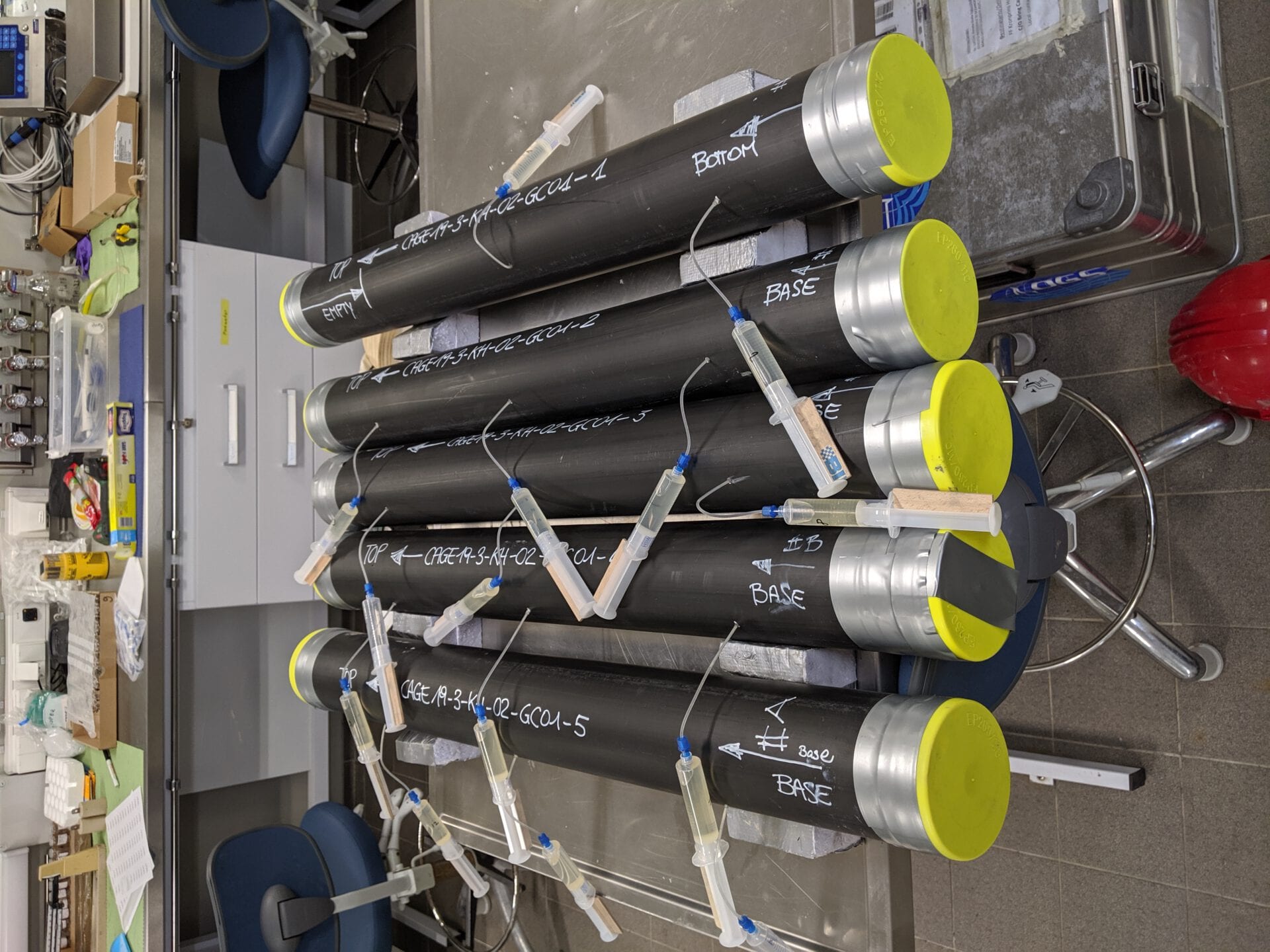
    Photos: Jessica Green & Giuliana Panieri

  • CAGE’s 2018 annual report is now available!

    CAGE’s 2018 annual report is now available!

    Review this year’s highlights

    CAGE’s highly-anticipated annual report, recapping core activities of the centre in 2018, is now available to view or download.

    You can find all of CAGE’s annual reports, from 2013 to 2018, here.

  • March

    March

    Melonis barleeanus’ test internal structure (scale bar = 20 microns). The calcareous wall (in blue, yellow, and green) of this species is characterized by the presence of silicate grains (in violet, red, and pink), which compositional analysis revealed to be quartz and feldspars. (more…)

  • Former CAGE director Jürgen Mienert wins Marine Geology award 2 years in a row

    Former CAGE director Jürgen Mienert wins Marine Geology award 2 years in a row

    The legacy of his contribution stands the test of time some 14 years later

    In April of 2000, the idea that offshore landslides could cause life-threatening disasters such as tsunamis was still an emerging topic. Scientists were aware that these geohazards had such potential, but there were still many questions to be answered in order to understand the mechanisms behind such occurrences.

    This was when the Continental Slope Stability (COSTA) project began, a research effort funded by the European Commission through March of 2004. The overarching goal was to improve our understanding of rapid and transient changes in continental slope stability.

    “One of the most important questions we had to ask was what is triggering these events? Why are certain areas of the seafloor prone to failure, while nearby areas remain undisturbed? And what is the role of gas hydrates in slope stability?” Jürgen told communications advisor Maja Sojtaric in a 2018 interview.

    The project led to a special issue of Marine Geology entitled, COSTA – continental slope stability: major aims and topics, in which Jürgen served as guest editor. The issue was comprised of 20 articles written by the top scientists in the field, many of which were deeply involved in the project. It is still considered one of the most groundbreaking works of its time, and continues to be referenced to an impressive degree. The 2004 COSTA issue shares the award as one of the two best-cited special issues of Marine Geology in 2017-2018, right after winning the same award shared between three issues in 2016-2017.

    Jürgen has even mentioned that this special issue was a major stepping-stone in the creation of the Centre for Arctic Gas Hydrates, Environment, and Climate (CAGE). In fact, some of the contributing members to this special issue remain at CAGE today, furthering scientific advancement in this field.

    Many scientists believe that their work is of great significance, but rarely does one receive such tangible confirmation of their beliefs. Congratulations to Jürgen; may his work continue to inspire scientists of future generations.

    Text: Jessica Green

  • New cold seep site discovered near Lofoten is a unique example, creating unusual impacts on local lifeforms

    New cold seep site discovered near Lofoten is a unique example, creating unusual impacts on local lifeforms

    Even in such remote deep-sea areas, the consequences of human existence are evident

    Hydrocarbon-releasing cold seeps in Arctic waters have attracted much attention in recent years, due to the potential impact that this release may have on the environment. However, nature never fails to surprise us. Not only was a brand new cold seep site recently discovered off the Lofoten-Vesterålen islands of northern Norway, this site displays characteristics that are unheard of in such locations.

    Here are the highlights of the unusual activity:

    • Worms that typically only live in soft sediment are living on hard sediment crusts at this site. The worms themselves alter the chemical reactions in the sediment at this seep site, such that the crusts formed around them.
    • Egg cases of the deep-water Arctic skate thrive at this location. This is the first example of a cold seep being used as an egg case nursery this far north. It is hypothesized that the slight temperature increase at the site serves as a natural incubator for the egg cases.
    • Despite the toxic environment at the seep site, regular deep-sea animals appear to live there in comfort. Seep-specific animals that have a tolerance to such toxicity normally dominate these sites, yet at this site no seep-specific animals exist.

    It is worth noting that although the Lofoten cold seep site is located deep within the Arctic waters, only accessible to humans via sophisticated and pressure-resistant technology, we still find evidence of human interference. Large amounts of modern-day trash clutter this otherwise pristine example of evolutionary persistence, which will likely not decay for years to come. It should serve as a warning to humanity that our every-day activities, seemingly inconsequential, can have a further reach than we imagine.

    Arunima Sen of the Centre for Arctic Gas Hydrate, Environment, and Climate (CAGE UiT) is the first author on an article recently published in Scientific Reports entitled, ‘Atypical biological features of a new cold seep site on the Lofoten-Vesterålen continental margin (northern Norway)’. For more information, read the article for recounts, analyses, and theories on the strange findings at this cold seep.

    Text: Jessica Green
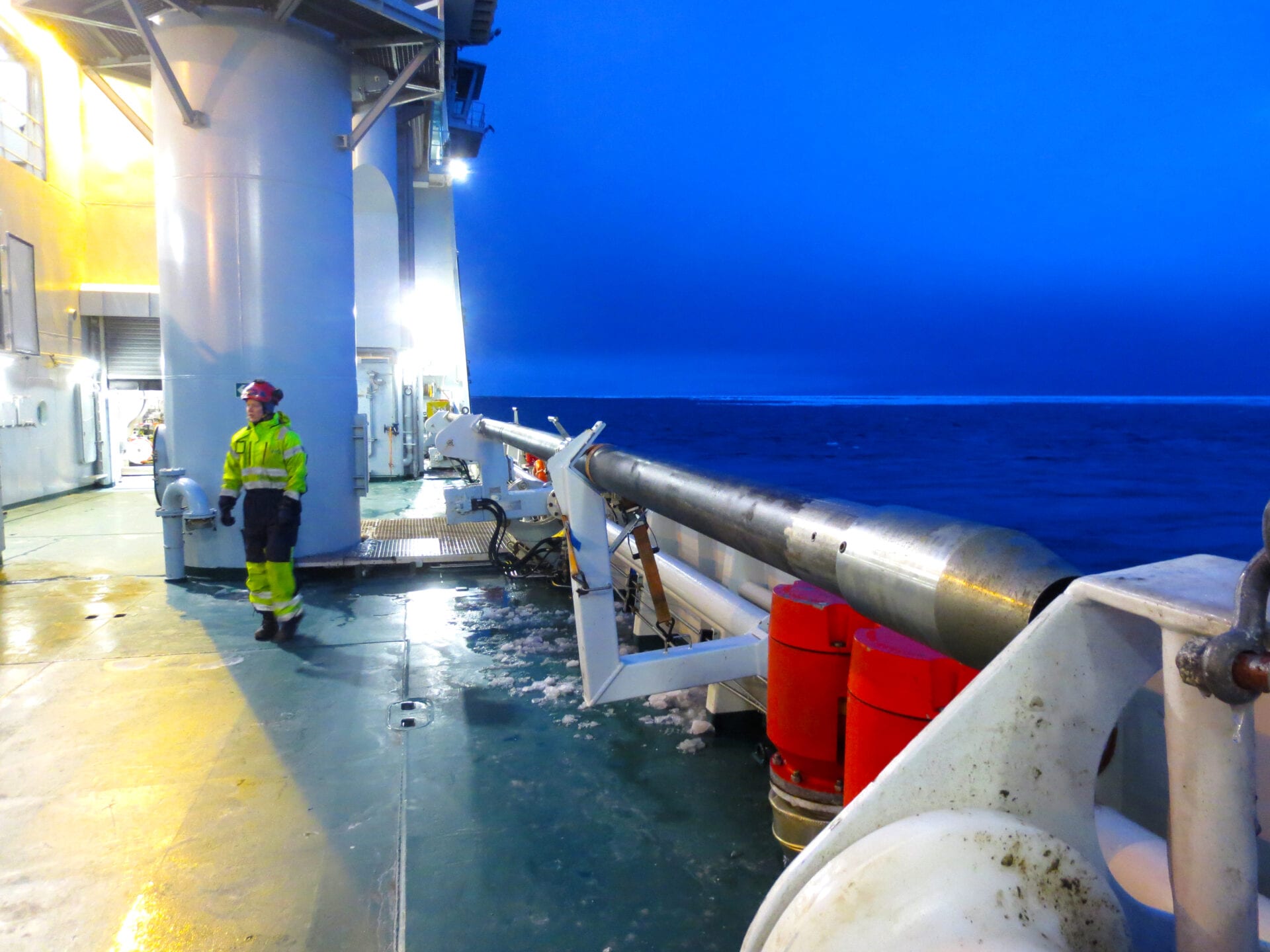
    Cover Photo: ROV/Norcrust

  • New mapping interface allows public access to cruise data

    New mapping interface allows public access to cruise data

    CAGE data manager Fabio Sarti partners with IT experts to enable easy access to what was formerly a frustrating and time-consuming experience

    Traditionally, there has been a trend towards secrecy when it comes to revealing the details of accumulated data and data analysis at universities and research institutions. This applies not only to restricted academic journals that require large fees for access, but also to raw data collected through research projects and never published.

    There has been a movement in recent years, however, supporting the idea that publically funded research in Europe should be more easily accessible. It is not only fair to give the public access to something that it has paid for, but open access to research also encourages better-informed and more groundbreaking results. The Norwegian government heavily endorses this movement, and The Research Council of Norway is at the helm in assuring that Norwegian universities and research institutions accept and comply with these new standards.

    In 2016, the Centre for Arctic Gas Hydrate, Environment, and Climate (CAGE) decided to start a pilot project at UiT The Arctic University of Norway in developing software that would allow easy access to our raw research data. This mostly includes data from Arctic cruise expeditions, such as samples of the seafloor sediments and water, seismic survey data, observatory data, bathymetry mapping data, and image/video data. Fabio Sarti was hired as the project manager for the job in cooperation with the IT department at UiT and Avinet, a consultancy company specializing in map and database solutions.

    At its most basic, this information is available in what amounts to hundreds of tables and potentially hundreds of thousands of lines of data. While quite comprehensive, navigating these spreadsheets is a time-consuming and frustrating way to find and analyze specific details. An alternate method in accessing the information is through a program that sorts the data into a filing system – an improvement to be sure, but still somewhat cumbersome for the average viewer.

    Finally, Fabio and CAGE administration decided that a map interface for the tracking of individual cruise expeditions by illustration would provide the most user-friendly experience in exploring the data. These cruise navigation tracks show the journey of the CAGE scientific cruises from beginning to end, and can be selected at any point in its travels. The user then obtains further information about the cruise, such as surveys and activities, chief scientists, dates of the cruise, any associated publications, downloadable cruise reports, and more. This map and corresponding data are now accessible through CAGE’s new (as of February 2019) website.

    Although we are well on our way in moving towards an open-access model at UiT, not all raw data collected by CAGE is currently available for public consumption. Data receives a DOI (Digital Object Identifier) before publication so that future scientists are able to give proper credit to the university or institution behind the research, and assigning these DOIs is a time consuming process.

    In the meantime, CAGE data manager and project leader Fabio Sarti has been at the forefront of a major accomplishment. The CAGE map interface has inspired at least two other similar interfaces at UiT: the department of geoscience’s ‘Core Repository’, and the department of Arctic and marine biology’s ‘Whale Tracker’. We hope that this is only the beginning, and that our expedition into the world of data management will inspire other entities inside and outside of Norway to provide easier access to research results towards a better future.

    Text: Jessica Green
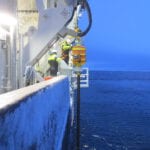
    Illustration: Torger Grytå/Colourbox.

  • CAGE researcher leads team in developing most successful numerical model of its kind

    CAGE researcher leads team in developing most successful numerical model of its kind

    The new model has proven most accurate in predicting the upward progression of gasses in aquatic methane seepage systems thus far

    Methane release from thawing carbon stores in Arctic areas may be a contributor to and accelerator of climate change, with unknown potential. The issue revolves around the fate of Arctic gas hydrates, crystalline structures found in the seabed containing high amounts of carbon, which remain stable in low temperature and high-pressure environments. As the Earth warms, however, more and more of this formerly benign carbon releases into the ocean, with unknown potential to reach the atmosphere. It is crucial that scientists understand the mechanisms behind the transport of such gasses from seabed to atmosphere in order to estimate its impact on the environment.

    Pär Jansson from the Centre for Arctic Gas Hydrates, Environment, and Climate (CAGE UiT) is the first author on a recently published article entitled ‘A new numerical model for understanding free and dissolved gas progression towards the atmosphere in aquatic methane seepage systems’ in Limnology and Oceanography Methods. The object of the study is to develop a numerical model accurately predicting the fate of such carbon. While similar models exist, all have shown limitations when it comes to combining factors that may predict the potential for carbon gas to reach the atmosphere.

    Jansson et al.’s new model, M2PG1 (see below), is the first able to simulate free and dissolved gas simultaneously, while using multiple bubble sizes and several gas species in both free and dissolved phases. The numerical accuracy of the model was better than 99.9%, which in spite of calculations that are more complex, is comparable with other popular and well-received models. This manuscript represents an important contribution to the current knowledge of gas bubble dynamics in limnic and marine localities, and the presented model proves to be a valuable tool in climate and environment studies.

    Text: Jessica Green
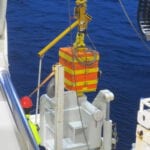
    Cover Photo: Jessica Green
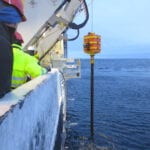
    Model illustration: Pär Jansson

  • Redesigned CAGE website offers unique and exciting features

    Redesigned CAGE website offers unique and exciting features

    The Centre for Arctic Gas Hydrate, Environment, and Climate has recently decided to launch a completely redesigned and updated version of its website, with the technical support of gnist design in Tromsø. But the website has not only received a cosmetic upgrade; there are many new elements now available for viewers to explore. Listed below are some of the most exciting features that you simply can’t miss.

    • Cruise Logs: Interested in where CAGE researchers have been collecting data, and what they have discovered? Browse over 30 cruise logs, organized by date with a short descriptive title. The link will lead you to a brief introduction, followed by a downloadable version of the report. And don’t miss the lovely photo(s) provided from each cruise!
    • Cruise Navigation Tracks: This feature is related to the cruise logs, but is so unique that it deserves its own category on this list. Through the interactive map you can view CAGE cruise navigation tracks either individually by finding the link on the cruise log page, in groups sorted by date, or all at once. You can also use search keywords to find information on the type of cruise that interests you. Interested only in cruises investigating the water column? Search the keyword, and the software will suggest the cruises flagged with this specialty.
    • Publication List: Our new searchable and sortable publication list provides access to every academic article, academic literature review, book review, chapter, and doctoral dissertation produced by CAGE members since its inception in 2013. You can sort the over 280 listings by title, author, publishing information (such as journal name), publication type, or year; in addition, it is possible to search by keyword, title, or author.
    • Annual reports: Want to see research highlights from each year that CAGE has been operating? Download our annual report from 2013, 2014, 2015, 2016, 2017, and – coming soon – 2018, through the new website. Discover alongside us what we have learned, and the journey we took to get there.
    • Photo of the month: Sometimes a finding is so interesting, you just have to see it for yourself. That is the purpose of our new Photo of the Month section – to provide the curious with an up-close and personal view of what our researchers are doing.
    • Job openings: If you are interested in working for CAGE or know someone who is, be sure to keep an eye on our job openings page. PhD, PostDoc, and Research positions pop up throughout the year, so don’t miss out.
    • People: Want to see the people behind the magic here at CAGE? Check out our newly updated personnel pages where you can browse all current employees by name or division.

    In addition to these new features, you will also find old favorites such as news updates and press releases, descriptions of our research areas, our access to scientific infrastructure, information on the AMGG Trainee School, and more. Please browse and enjoy!

    For questions or comments, please contact communications advisor and website coordinator Jessica Green.

  • Malin Waage defends thesis on methane indicators in 3D and 4D seismic data

    Malin Waage defends thesis on methane indicators in 3D and 4D seismic data

    Methane gas and methane ice (methane hydrates) are common on continental shelves worldwide. In Malin Waage`s PhD thesis entitled “3D and 4D seismic investigations of fluid flow and gas hydrate systems – at sites across the Barents Sea and NW Svalbard margin,” she investigates the sources and mechanisms leading to methane flow beneath the seabed and its release into the water.

    The sediments and sedimentary rocks of the Barents Sea are examined using high-resolution 3D seismic data. The seismic system provides promising results for detailed investigations of the dynamic nature of natural methane release sites. Moreover, the work involves introducing and testing a new method for monitoring methane migration below the seafloor – 4D seismic imaging. The method is based on acquiring identical 3D seismic data sets, repeated over time-span of 1-2 years.

    The study shows that the two methane release locations lie over shallow petroleum reservoirs. Tectonic faults assist in methane migration from the deep, connecting these reservoirs to the seabed. Some of this methane was previously trapped as gas hydrates that melted some 20,000 – 15,000 years ago under past climate change, and is now making it past the seafloor and into the water.

    Waage defended her thesis on February 18th, 2019 at UiT The Arctic University of Norway. Her PhD was funded by VISTA – a basic research collaboration between Equinor and the Academy of Science and Letters and supported by the Centre for Arctic Gas Hydrate, Environment, and Climate (CAGE).

    To find out more, read the two academic articles written based on the findings of this research; links found below.

    Repeatability of high-resolution 3D seismic data

    Geological Controls on Fluid Flow and Gas Hydrate Pingo Development on the Barents Sea Margin

  • Glacial History of the Amundsen Sea, West Antarctica, to be Recovered In IODP Drill Cores

    Glacial History of the Amundsen Sea, West Antarctica, to be Recovered In IODP Drill Cores

    The Amundsen Sea is an embayment of the Antarctic continent in the middle of West Antarctica, several hundreds of miles in either direction along the coast from any of the stations that provide research access to this remote continent. The West Antarctic Ice Sheet is largely marine-based and thus highly sensitive to climatic and oceanographic changes. If completely melted, it could result in a global sea-level rise of potentially around 4 meters. The ice that is draining into the Amundsen Sea is considered to be some of the most vulnerable to rapid change in West Antarctica due to the extreme depth at the base of the ice and the incursion of warm ocean currents to the area.

    International Ocean Discovery Program (IODP) Expedition 379 will sail from Punta Arenas, Chile, on January 23th, 2019, to the Amundsen Sea and return to Punta Arenas on March 20th. Work will be completed from the JOIDES Resolution, a scientific drill ship that has been used for research since 1985. During the cruise, an international group of 29 scientists will work to recover sedimentary records from the continental shelf and rise of the Amundsen Sea to determine how the ice in the region has behaved in the past in an area unaffected by other ice sheets and that also currently is experiencing the largest ice mass loss in Antarctica. Because of the extreme isolation of the region, even compared to other parts of Antarctica, these will be the first long drill cores ever obtained in the Amundsen Sea. Records of how the ice has behaved under past oceanographic and climatic temperature changes will be used to simulate in computer models of how the region may change in coming decades.

    The International Ocean Discovery Program (IODP) is an international research collaboration that coordinates seagoing expeditions to study the history of the Earth recorded in sediments and rocks beneath the ocean floor. IODP is funded by the U.S. National Science Foundation (NSF) and it’s international partners – the Australia-New Zealand IODP Consortium (ANZIC), the Brazilian Coordination for Improvement of Higher Education Personnel (CAPES), the European Consortium for Ocean Research Drilling (ECORD), the Indian Ministry of Earth Sciences (MoES), Japan’s Ministry of Education, Culture Sports, Science and Technology (MEXT), the Korea Institute of Geosciences and Mineral Resources (KIGAM), and the People’s Republic of China Ministry of Science and Technology (MOST). The JOIDES Resolution Science Operator (JRSO) at Texas A&M University operates the scientific drillship JOIDES Resolutionon behalf of the NSF. Any opinions, findings, conclusions, or recommendations expressed in this publication are those of the author(s) and do not necessarily reflect the views of the NSF.

    Mariana_Esteves

    We are pleased to announce that our early career researcher within the sub-seabed work package here at CAGE, Mariana Esteves, will be participating as a sedimentologist on this exciting research expedition to Amundsen Sea, West Antarctica. Mariana recently completed her PhD in Marine Geology, which focused on reconstructing how and why the large ice sheet that once covered Barents Sea retreated and disintegrated since the Last Glacial Maximum (~21,000 years before present day). She hopes to continue her research on the Barents Sea Ice Sheet and combine it with new findings from her trip to West Antarctica.

  • Pavel Serov Defends Thesis on Methane Gas Release at the End of the Last Ice Age

    Pavel Serov Defends Thesis on Methane Gas Release at the End of the Last Ice Age

    Large areas of the Earth’s surface are blanketed in water in solid form, creating a widespread and dynamic Earth coating called the cryosphere. The cryosphere seals enormous amounts of carbon under the ice. If this carbon escapes into the atmosphere, it has the potential to dramatically affect global climate systems. In his PhD thesis entitled ‘Cryosphere-controlled methane release throughout the last glacial cycle’, Pavel Serov investigates how the expansion and retraction of the cryosphere in the Barents Sea and the South Kara Sea over the last 35,000 years has affected the release of methane gas from beneath the ice.

    This study has determined that the South Kara Sea shelf was affected by warming temperatures, releasing large amounts of methane gas from the permafrost and from unique ice-like structures called methane hydrates. Due to various natural phenomena that occurred some 20,000 years ago, the Barents Sea Shelf also accumulated unusually large numbers of these methane hydrates, containing high amounts of methane gas distributed over a large area. When released, the methane escaped quite violently, creating various types of craters and mounds in the seabed. Such studies may be crucial in understanding the potential effects and magnitude of future methane release due to the ongoing retreat of the cryosphere in Greenland and Antarctica.

    Serov successfully defended his thesis on December 4th, 2018 at UiT The Arctic University of Norway, which was funded by the Centre for Arctic Gas Hydrate, Environment, and Climate (CAGE).

  • CAGE Researcher Serves as Cultural Bridge between Basque Country and the High North

    CAGE Researcher Serves as Cultural Bridge between Basque Country and the High North

    Naima El bani Altuna helps to preserve a nearly-forgotten language while pursuing her dreams in Tromsø, Norway

    The link between language and cultural identity is one of great importance for many people around the world with ethnic-minority origins. This especially holds true for populations where cultural identity has been traditionally suppressed by the majority population, such as in the case of the Basque people of northern Spain and southern France.

    The Basque are an ethnic group whose origins are unknown, but have occupied the land separating Spain and France since long before the two countries had modern-day borders. Spanish and French ways of life began to push out the minority Basque culture due to sheer numbers and political influence, and the situation escalated in the 20th century. An entire generation of Basque lost their language or were forced to hide it when speaking the language was made illegal under the leadership of General Franco, the Spanish dictator who reigned from 1939 to 1975.

    Since that time, there has been a major push for the preservation of the Basque language. Sharing a common tongue helps to unify these people, bringing them closer to a sense of their history, who they are, and where they come from. Such issues are close the heart of Naima El bani Altuna, a PhD candidate at the Centre for Arctic Gas Hydrate, Environment, and Climate (CAGE) UiT, inspiring her to share her research and other passions by creating an award-winning Basque-language Twitter account.

    A mother’s history promotes cultural activism

    El bani Altuna grew up in a multicultural household in Bilbao, a part of the Basque country in northern Spain. She was heavily influenced by the experience of her mother, a Basque-identifying Spaniard who lived through the oppressive regime of General Franco. As a young woman, El bani Altuna’s mother could only speak her native Basque language in secret in the confines of her own home, and was even required by the state to change her first name from ‘Ane’ to ‘Ana’ in order to appear less Basque. Although El bani Altuna was born well after this regime fell out of power, she still developed a well-earned respect for her culture and its roots in the minority language.

    While working on her Master’s thesis in Oceanography at the University of Bordeaux in France, El bani Altuna had the opportunity to stay for 3 months in Alberta, Canada, studying an Arctic-variant of a planktonic foraminifera species she was researching in Europe. This trip opened her eyes to the unique beauty of life in the north, and the wealth of scientific data waiting to be uncovered in such remote areas.

    After receiving a PhD position at CAGE UiT – The Arctic University of Norway in Tromsø, not only did El bani Altuna want to bring details of her research to her people in Basque Country, but she wanted to share with them the story of the Arctic, an area far removed from northern Spain in both distance and general knowledge. It was important to her that this information not only be accessible to other scientists, but also to the average person, and in the Basque language. But how?

    Social media is the key to widespread access

    Exact statistics vary, but Basque is one of the most-Tweeted minority languages in the world, a position that has skyrocketed since its humble introduction to Twitter in 2012.  Through this medium, El bani Altuna is able to bring easily-digestible tidbits of geological and Arctic issues to the Basque community in 280 characters or less. Although her Twitter account (@artikoan) has only been in existence since July of 2018, it has already acquired over 700 Basque-speaking followers – no small feat for a language with only 1 million speakers worldwide.

    The contest that El bani Altuna won on Twitter was organized by the Basque Summer University (UEU) and unibertsitatea.net, a networking portal for the Basque-speaking university community. The challenge was for Basque-speaking PhD students to describe their research in 6 Tweets in Basque. There were two prizes for the most clear and understandable translation of research (500€ each) and one prize for the most original (300€). El bani Altuna was one of the winners in the ‘most clear and understandable’ category.

    The Tweets, as translated by El bani Altuna to English for the purposes of this article, have been reproduced below. The first Tweet was required to be title of the research by the rules of the contest, while the last Tweet was to be the hypothesis. The original Tweets, in Basque, can be viewed here.

    El bani Altuna’s success is already creating a lot of excitement in Basque Country in the media. She has had several Basque-language radio interviews, an interview for a Basque-language newspaper, and will even be featured on a scientific Basque TV program and in a prestigious Basque science magazine. And this may only be the beginning.

    El bani Altuna’s research connects generations

    Traveling to the north may not be an activity that is popular with many modern Basque people, but El bani Altuna is certainly not the first to make the journey. In the 16th and 17th century, whaling was an important way of life for many Basque, and they hunted in the areas around northern Norway and Svalbard. El bani Altuna follows in the footsteps of her ancestors as she continues to explore the north as they did hundreds of years before. It is quite poetic that she has also managed to bring her research and Arctic interests to the modern-day Basque people while honoring those of the past. Who knows – maybe somewhere in Basque Country there is a young girl dreaming of ice-covered mountains and shimmering northern lights that will one day be inspired to make the journey herself.

    Text: Jessica Green
    (References: Saving Eusakara, Keeping Basque Alive in Idaho, interview with Naima El bani Altuna)

  • New research vessel Kronprins Haakon is changing what we know about polar waters

    New research vessel Kronprins Haakon is changing what we know about polar waters

    The new capabilities of the vessel are making waves in the field of subsea geology

    When the new ice-going research vessel christened Kronprins Haakon(KPH) departed the docks of Svalbard on October 22nd 2018, researchers aboard from the Centre for Arctic Gas Hydrate, Environment, and Climate UiT (CAGE) knew that they were in for an adventure. There was much to learn from this newly-built ship with its state-of-the-art sampling equipment, custom laboratories, and capabilities in a variety of weather and ice conditions. But what the scientists didn’t know was how much potential the vessel had to change subsea research in the high north forever.

    The inaugural CAGE/UiT cruise on KPH had two main goals. The first was to determine what the vessel itself was capable of: how would it handle, where could it go, and what could it do?

    The second goal was to use the ship to transport new, high-tech equipment to an area featuring active methane release systems in the northern Barents Sea. While this region has been well-studied in recent years, researchers from CAGE could now view and sample the seabed in ways that have never been possible before.

    Dynamic positioning enables targeted sampling

    The ship primarily used by CAGE researchers in the past, UiT’s Research Vessel Helmer Hanssen, was taken on many productive research expeditions over the years – but those expeditions were not without challenges. One of the largest problems facing previous cruises was the potential for the ship to be thrown off course by wind and waves. This made it difficult to keep the ship stationary over a specific area in order to collect samples or examine certain structures and organisms more closely.

    A useful feature of KPH that significantly reduces this problem is its dynamic positioning system, allowing the ship to maintain one position in the sea. Therefore, when the research crew identifies something in the water that they want to sample, it is possible to remain in the same spot until the item has been collected. But wind and waves can cause other problems.

    Balancing tanks combat rough waves; seasickness

    Another major issue facing previous CAGE cruises was the instability of the previous ship when confronted with bad weather, which was a concern about 50% of the time.

    It was not uncommon for rough waves to cause an epidemic of seasickness across the entire research team and operational crew – sometimes up to 75% of the passengers were ill for 4-5 days. This created a huge problem in terms of lost labor hours. It was often more time-effective to wait out rough weather in the calm waters of a nearby fjord, as a storm was sure to be shorter than the effects of illness.

    This is another area where KPH shines. Balancing tanks built into the structure of the ship are designed to control the pitch and roll of the vessel caused by rough waves, nearly eliminating all risk of motion-induced seasickness. This means that the vessel can be used even against waves of 4-5 meters, a threat that other research vessels were incapable of handling. In fact, KPH will not only be capable of increasing the number of cruises that are viable in the fall, but will likely introduce research expeditions to the winter months – something that was impossible with other, less stable ships.

    Moon pool protects delicate equipment – and personnel

    Inclement weather doesn’t only affect the comfort and efficiency of passengers, but also the ability to deploy research equipment. If there is too much wind and rain and many high waves, it is difficult to lower equipment over the edge of the ship without the risk of damage to the instrument, or injury to the researchers themselves. That is where a moon pool comes in handy. A moon pool is a feature of some research or drilling vessels that allows equipment to be lowered through a hole in the bottom of the ship to the seabed below, protecting it from the potentially dangerous elements above the water.

    The moon pool on KPH is the largest of any research vessel, allowing for deployment of much more advanced, large-scale equipment, such as an ROV.

    ROV allows underwater areas to be seen in stunning detail

    While the areas of interest in the northern Barents Sea have been the subject of much research in recent years, this voyage was different from those that came before. KPH was carrying a remotely operated vehicle (ROV) named ÆGIR 6000 from the Norwegian Marine Robotics Laboratory at the University of Bergen. ÆGIR 6000 is an instrument that is revolutionizing what is known about deep sea areas. The combination of the ROV along with the safe deployment space provided by the moon pool made the first KPH CAGE cruise a very unique experience.

    An ROV is an unmanned submersible tethered to the ship through the moon pool by a long cable. It is a piece of equipment capable of exploring the bottom of the ocean at close range while being remotely operated from the ship. The arms of the ROV, commonly called manipulators, are equipped with delicate pincers for taking targeted samples, and the unit contains seven cameras that help technicians see what is being grabbed. It also boasts a coring device to collect sediment, a gas sampler to catch gas bubbles, and a water sampler to collect water, making it a full-service deep-sea robot.

    Perhaps most exciting is the mapping tool that is built into the ROV. For the first time, researchers can view the seabed at a resolution of 5-10 centimeters, as opposed to the 4-5 meters possible from more typical mapping systems, providing an overview of the terrain that has never before been achieved.

    Next CAGE cruise aboard KPH excitedly anticipated

    KPH is a vessel that is shared by several Norwegian-based entities; it is officially owned by the Norwegian Polar Institute, run and maintained by the Institute of Marine Research, and largely used by UiT. In December of 2018 it will begin a voyage to Antarctica led by the Norwegian Polar Institute and the Institute of Marine Research, returning in May 2019. The next two cruises with CAGE participation are scheduled for the fall, departing September 19th and October 19th respectively. Plans at CAGE are already taking shape for the upcoming cruise as researchers eagerly await their next voyage into the unknown.

    (Text: Jessica Green)

  • February

    February

    Chemosynthesis based community at a newly discovered seep site off the Lofoten islands or northern Norway. The bluish-white patches are mats of chemoautotrophic microbes. (more…)

  • Norwegian billionaire funds ‘dream research vessel’ due to launch in 2021

    Norwegian billionaire funds ‘dream research vessel’ due to launch in 2021

    Article from Science: “The scale of the investment and commitment is astounding,” says Victor Zykov, science director of the Schmidt Ocean Institute. An independent review process is being designed to determine how projects will be chosen for ship time.

    Read more here.

  • Kärt Paiste defends thesis on environmental changes after the Great Oxygenation Event

    Kärt Paiste defends thesis on environmental changes after the Great Oxygenation Event

    Earth’s capacity to sustain complex life is the most paramount feature that distinguishes it from all other planets. This is largely attributed to the high oxygen content of the Earth’s atmosphere, which began to grow after the onset of what is known as the Great Oxygenation Event (GOE). But what happened to the environment after the GOE is a subject of much debate among scientists, and is the topic that Kärt Paiste’s thesis entitled “Reconstructing the Paleoproterozoic sulfur cycle: Insights from the multiple sulfur isotope record of the Zaonega Formation, Karelia, Russia” has set out to investigate.

    The study assess the microbial communities and sulfur cycle as recorded in the fossilized sediments of the ~2.0 Ga Zaonega Formation in the lake Onega area in Russian Karelia. This area is considered one of the best archives of Paleoproterozoic rock, allowing researchers to decipher environmental conditions after the GOE. The results of the study indicate a restructuring of the microbial community as a response to ongoing changes in local environmental conditions and modern type sulfur cycling at ~2.0 Ga.

    Paiste successfully defended her thesis on November 8th, 2018 at UiT The Arctic University of Norway, which was funded by the centre for Arctic Gas Hydrate, Environment, and Climate (CAGE). She had previously received both her Bachelor’s and Master’s degrees in geology from the University of Tartu in Estonia.

  • Pär Jansson defends thesis on methane release in the water column

    Pär Jansson defends thesis on methane release in the water column

    Congratulations to Dr. Jansson who recently defended his thesis “Methane bubbles in the Arctic Ocean – Quantification, variability analysis and modelling of free and dissolved methane from the seafloor to the atmosphere.”

    Methane is a powerful greenhouse gas leaking from the seafloor at continental margins, and some researchers are concerned that its release into the atmosphere may amplify the greenhouse effect. But what are some of the factors controlling methane release, and what actually happens to the methane when it reaches the water column? These are some of the topics that Pär Jansson’s doctoral thesis has sought to investigate.

    The study quantifies methane gas bubbles released from the seafloor offshore western Svalbard, and suggests that the intensity at which methane is released depends on transient gas pathways, while concentrations depend on both seepage variation and dispersion patterns.  A process-based model shows that bubble size is the most important factor in vertical methane distribution.

    The thesis presents new methods for understanding the dynamics of bubble-mediated methane, emanating from the seafloor in the Arctic Ocean. It also highlights the importance of efficient survey methods, knowledge of oceanographic conditions, and the need for sophisticated instrumentation and modelling tools in such detailed work.

  • Family bonding activity leads to NOK 26 million in funding for CAGE researcher

    Family bonding activity leads to NOK 26 million in funding for CAGE researcher

    When Andreia Plaza-Faverola was growing up in Venezuela, her father would take her snorkeling to a place that the locals referred to as ‘The Bubbles.’ This spot received its unusual nickname due to a natural phenomenon that allows methane gas to leak from the seabed and rise to the surface of the water.

    Plaza-Faverola was completely unaware that her interest in this strange activity would coincidentally reappear as a major research focus in her career, ultimately securing her a Starting Grant from the Tromsø Research Foundation in the amount of NOK 11 million, plus an additional NOK 12 million contributed by the UiT Department of Geosciences/NT Faculty, and an additional NOK 3 million provided by the Norwegian government.

    UNDERWATER CURIOSITY POTENTIAL FACTOR IN CLIMATE CHANGE

    Her research project is appropriately called SEAMSTRESS, as it will investigate the effects of stress placed on underwater seams in the marine areas west of Svalbard. Her working hypothesis is that regional processes such as plate tectonics contribute to cracking open the sea floor and to the release of deeply held methane gas reserves into the ocean.

    This underwater gas release is commonly referred to as methane seepage, and is more than just an underwater curiosity. Methane is one of the most powerful greenhouse gasses driving climate change due to its effectiveness at absorbing heat, and scientists are trying to determine to what extent methane release from marine environments contribute to the change.

    Methane seepage can occur on land, in lakes, in permafrost areas, as well as under the sea. Plaza-Faverola’s research focuses on that occuring in marine settings at continental margins, specifically in Arctic areas.

    Geophysical data showing cracks in the sediments and the pathways where methane moves until reaching the seafloor. Text: Andreia Plaza-Faverola


    NEW EXPERIMENTS AND MODELING COULD PROVIDE ANSWERS

    To test the hypothesis, the SEAMSTRESS project begins with an experimental phase in which seismological, seismic, geomechanical and petrophysical data will be combined to get a quantitative idea of how much stress is exerted on the sediment and the amount of deformation experienced at present day. Those data will then lead to a second phase in which the total stress in the region will be modeled, accounting for various forms of stress and how they affect the properties of faults, fractures, fluids, and sediments.

    If the project is successful, the plan is to use this approach in other areas to quantify Earth system interactions on a global scale.

    The project starts with an experimental phase where geophysical and geomechanical data will be used to measure the forces deforming the sediment. Text: Andreia Plaza-Faverola


    TROMSØ RESEARCH FOUNDATION SUPPORTS YOUNG, TALENTED RESEARCHERS

    Plaza-Faverola is a young researcher at The Centre for Arctic Gas Hydrate, Environment, and Climate (CAGE) at UiT The Arctic University of Norway and has worked there as a researcher since 2013. The Tromsø Research Foundation’s Starting Grant will secure her position as research manager for 4 years, and also cover the placement of one post-doctoral candidate. The Faculty of Science and Technology and the Department of Geosciences will also fund one PhD position each to work on the project. This is an important milestone for Plaza-Faverola, as leading a research group is a major stepping stone in academia.

    Another benefit of the grant is that the university will release a permanent, tenured position in Plaza-Faverola’s field toward the end of the project, a move that could set her up for a long-term career in academia.

    Text: Jessica Green
  • An ice free corridor sustained Arctic marine life during the last Ice Age

    An ice free corridor sustained Arctic marine life during the last Ice Age

    During the last ice age, there was an ice free corridor wedged between two large ice masses in the Arctic. This corridor, which spanned several hundred kilometres, provided habitats for highly adaptable marine life-forms.

    (more…)

  • Indian Ambassador visits climate science meeting in Tromsø

    Indian Ambassador visits climate science meeting in Tromsø

    Newly appointed Indian ambassador to Norway, Hon. Krishan Kumar, recently visited a meeting at CAGE that highlights fruitful scientific collaboration between Indian and Norwegian climate scientists.

    Text: Maja Sojtaric

    (more…)

  • CAGE researcher joins program for outstanding talent at UiT

    CAGE researcher joins program for outstanding talent at UiT

    A new talent development program, AURORA Outstanding, will train selected young research talents to become future research leaders at UiT The Arctic University of Norway. One of the talents chosen for the program is CAGE researcher Andreia Plaza Faverola.

    Text: Randi Solhaug/Maja Sojtaric. Photos: David Jensen

    UiT The Arctic University of Norway aims to focus on young, talented researchers that have the potential, the will, and the ambition to become research team leaders and leading researchers in their fields. Therefore, the University created a new talent development program, called AURORA Outstanding. It offers a cross disciplinary, systematic follow-up for specially selected early-career scientists.

    In total, 15 candidates from UiT’s four largest faculties have been invited to join the new program. One of those is CAGE researcher, geophysicist Andreia Plaza Faverola.
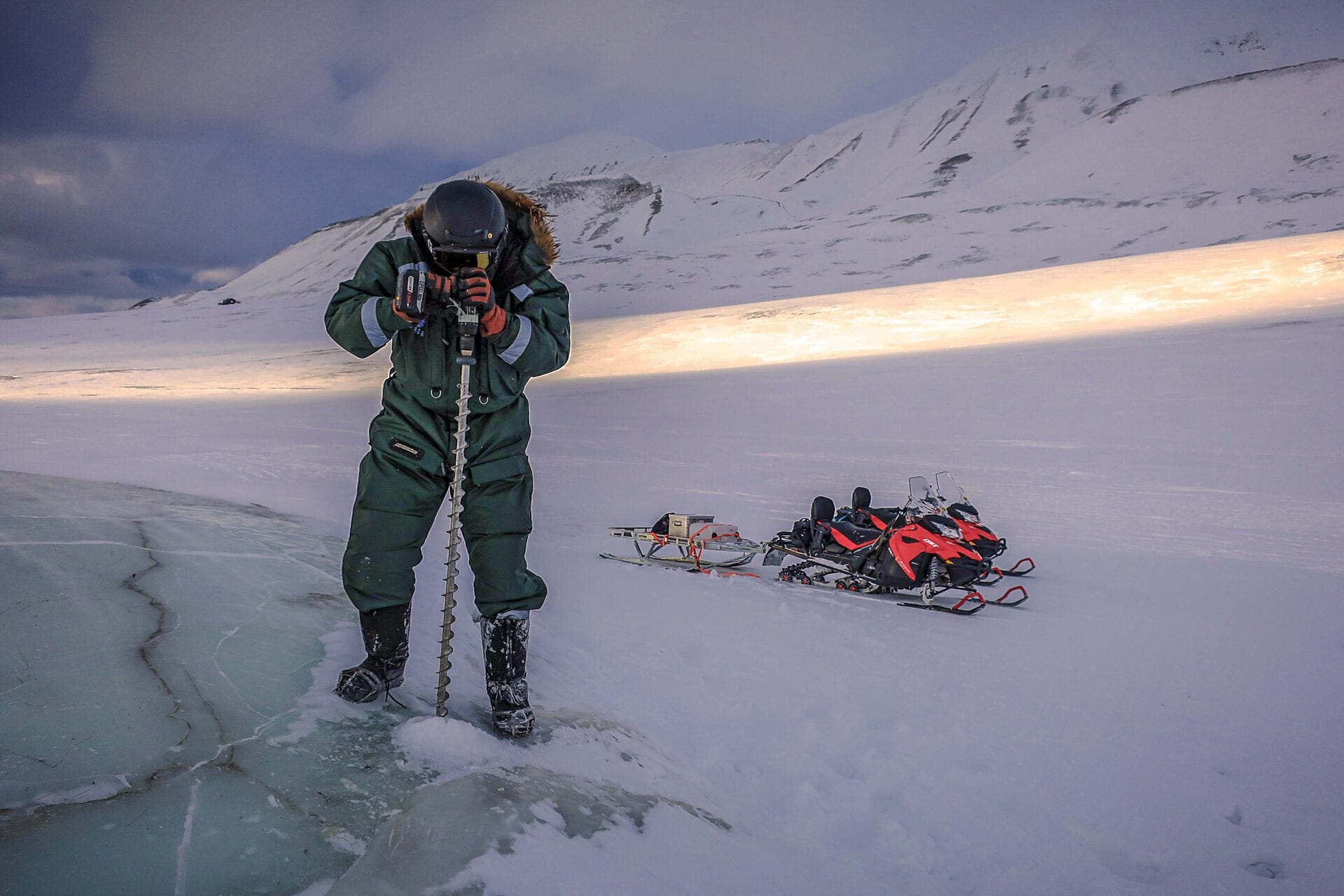
    “These are very good candidates who are carefully selected from fields where they already have performed well. All candidates will receive assistance to identify what is lacking in their resumes, so as to be able to compete for external research funding in the future. In this program we will follow the candidates closely and provide them with the help they need to achieve their career goals “says Research Director, Pål Vegar Storeheier at the Department for Research and Development, UiT.

    Aurora outstanding provides mentorship

    AURORA Outstanding is a two-year program and will select new candidates bi-annually. Candidates who are selected will, among other things, choose one UiT mentor and one external mentor who will provide perspectives to the candidate´s career development plan.

    Six workshops will be provided during the two years – the first one will commence in September 2018. The workshops will comprise of several intensive courses such as management, application writing, innovation, and open access and communication.
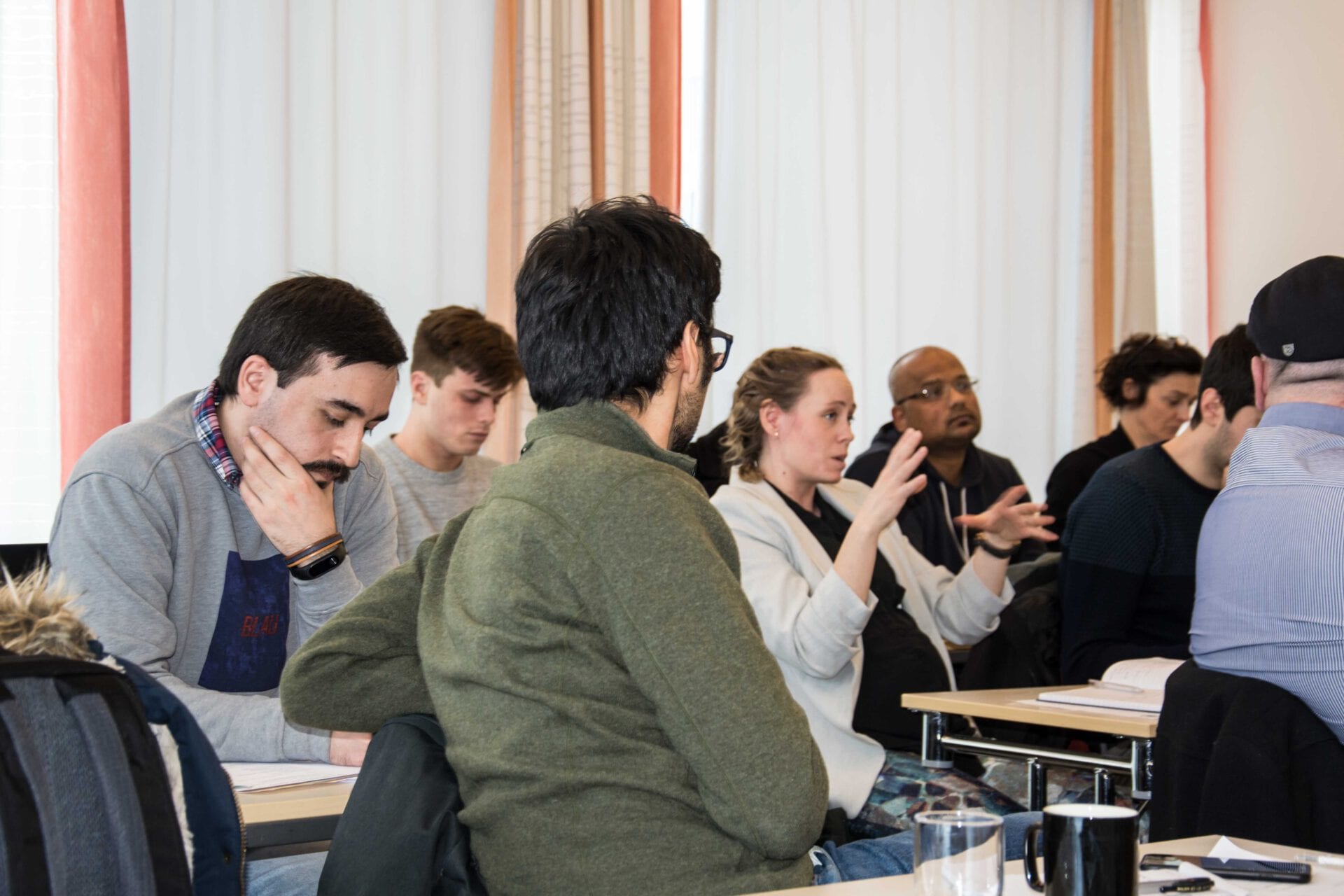
    “In addition, they will be able to learn a lot from each other through discussions and networking,” says senior adviser Thorbjørg Hroarsdottir, one of the project managers who has worked on developing the new program and selecting the candidates.

    “Very positive to the program”

    Two of the candidates in AURORA Outstanding are Shona Wood from the United Kingdom and Andreia Aletia Plaza Faverola from Venezuela.

    “I am pleasantly surprised that the university offers such a program. Getting extensive support early in one’s career is great.” says Faverola. She has been in Norway since 2013 as a part of the UiT’s centre of excellence in gas hydrate, environment and climate research.

    “I also think it is incredibly good that the university supports its candidates in this way, and I am very pleased to have the opportunity to become part of the program. It is also a good forum for addressing issues that we are concerned with,” said Shona Wood, who has worked at the Department of Arctic and Marine Biology (BFE) for 10 months.

    Her goal is to become a professor and eventually lead her own research group with international standing.

    “It’s also my goal for the future. The teaching aspect is also important to me,” adds Faverola.

    A diverse group of international candidates

    Ten out of 15 selected candidates for AURORA Outstanding are women.

    Candidates for AURORA Outstanding were selected based on rigorous scientific criteria. Ten out of fifteen in this international group are women. From left: Jana Jagerska, Krishna Agarwal, Fatih Bayram, Shona Wood, Alexander Tøsdal Tveit, Andreia Aletia Plaza Faverola, Cordian Reiner, Pia Abel zur Wiesch, Sören Abel, Rachel Klassen, Juha Vierinen, Kathrin Helen Hopmann og Eva-Stina Edholm. Also in the group, but not present when the picture was taken are Evelina Leivada and Lorena Arraz.

    “We discovered that the women were in the majority, after we had made our selection according to the scientific criteria. We hope that this means that we will see more women leaders in the sector in the future. It will be exciting to see the long-term effects of the program” says senior adviser, Theresa Mikalsen. She is also one of the project managers in the program.

    The chosen candidates are also an international group – only one of the research talents is Norwegian, CAGE associated biologist Alexander Tøstdal Tveit. In total, 11 nations are represented in the group.

    But how can UiT be sure that these candidates will be good leaders in Norway, and not return to their home country?

    “If our best minds feel well taken care of, and get good support in their career development, then there is a greater chance that we will keep them. We hope that when they see the good opportunities here, it will not be as tempting to move away, “says Research Director, Pål Vegar Storeheier.

    Aiming for Horizon 2020 and Horizon Europe

    For the university, AURORA Outstanding is also a part of an effort to obtain additional external funding, such as through EU Horizon 2020 framework program and, eventually, Horizon Europe. Therefore, the candidates are learning to write good applications to better compete in those programs.

    “The dream outcome of the program is that the candidates in the future will become coordinators in EU projects.” say advisors Hroarsdottir and Mikalsen.


    This article was first published in Norwegian at UiT The Arctic University of Norway’s website.