http://www.huffingtonpost.com/entry/methane-gas-norway_us_56f55632e4b0143a9b4800d9
Blog
-
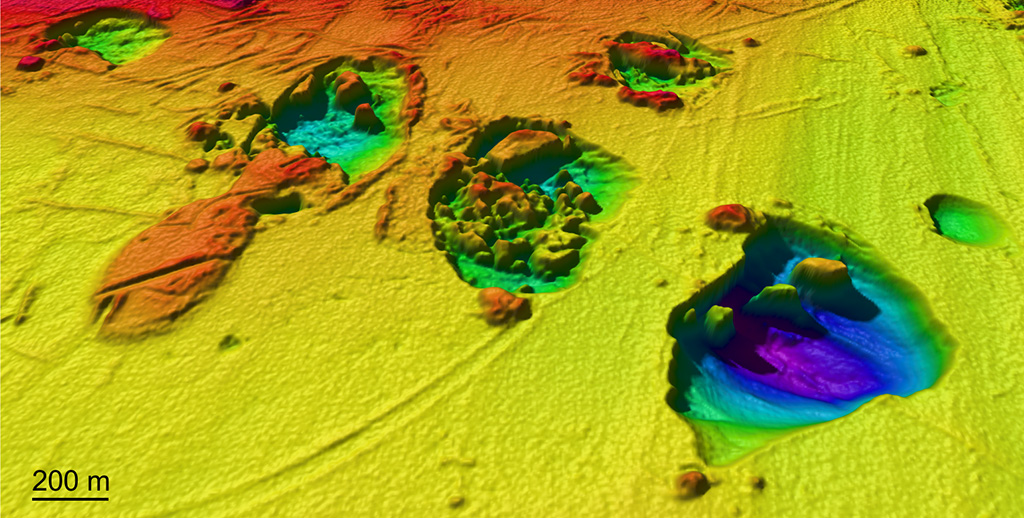
Craters in Barents Sea not connected to Bermuda Triangle
Multiple giant craters have been discovered on the ocean floor in the Barents Sea. Contrary to recent media reports, they are not connected to theories about Bermuda Triangle. They are however connected to huge blowouts of methane gas in the area during the last deglaciation.
Text: Maja Sojtaric
-
How safe is CO2 storage under the sea floor?
Capture and storage of CO2 beneath the sea floor is an important strategy in the struggle to reduce the amount of the climate gas in the atmosphere. A new project sets to see how safe such storage is.
Text: Maja Sojtaric
-
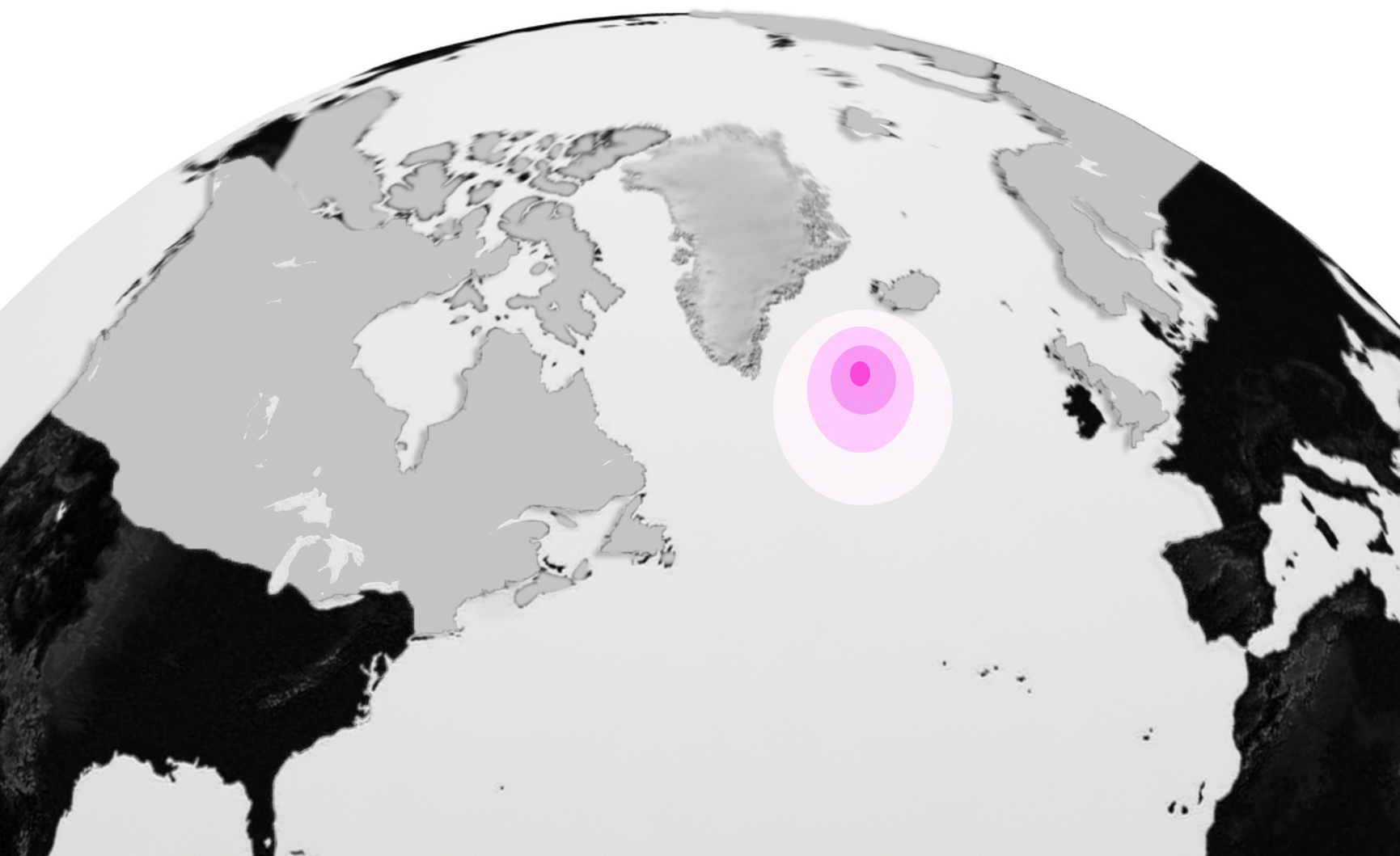
“Ice age blob” of warm ocean water discovered south of Greenland
Greenland experienced several abrupt and severe climate changes during the last ice age. But even during the coldest periods a blob of warm surface water existed nearby.
Text: Maja Sojtaric
-

Clams help date duration of ancient methane seeps in the Arctic
A bed of fossilized, methane dependent clams has for the first time been observed in the high Arctic. It tells the story of a thousand year long methane release event.
Text: Maja Sojtaric
-
Welcome to the GIMS13 conference in Tromsø
CAGE is proud to host the 13th conference on Gas in Marine Sediments in Tromsø, the Gateway to the Arctic. You can now register and submit abstracts for the conference that will take place 19-22 September 2016.
Text: Maja Sojtaric
-
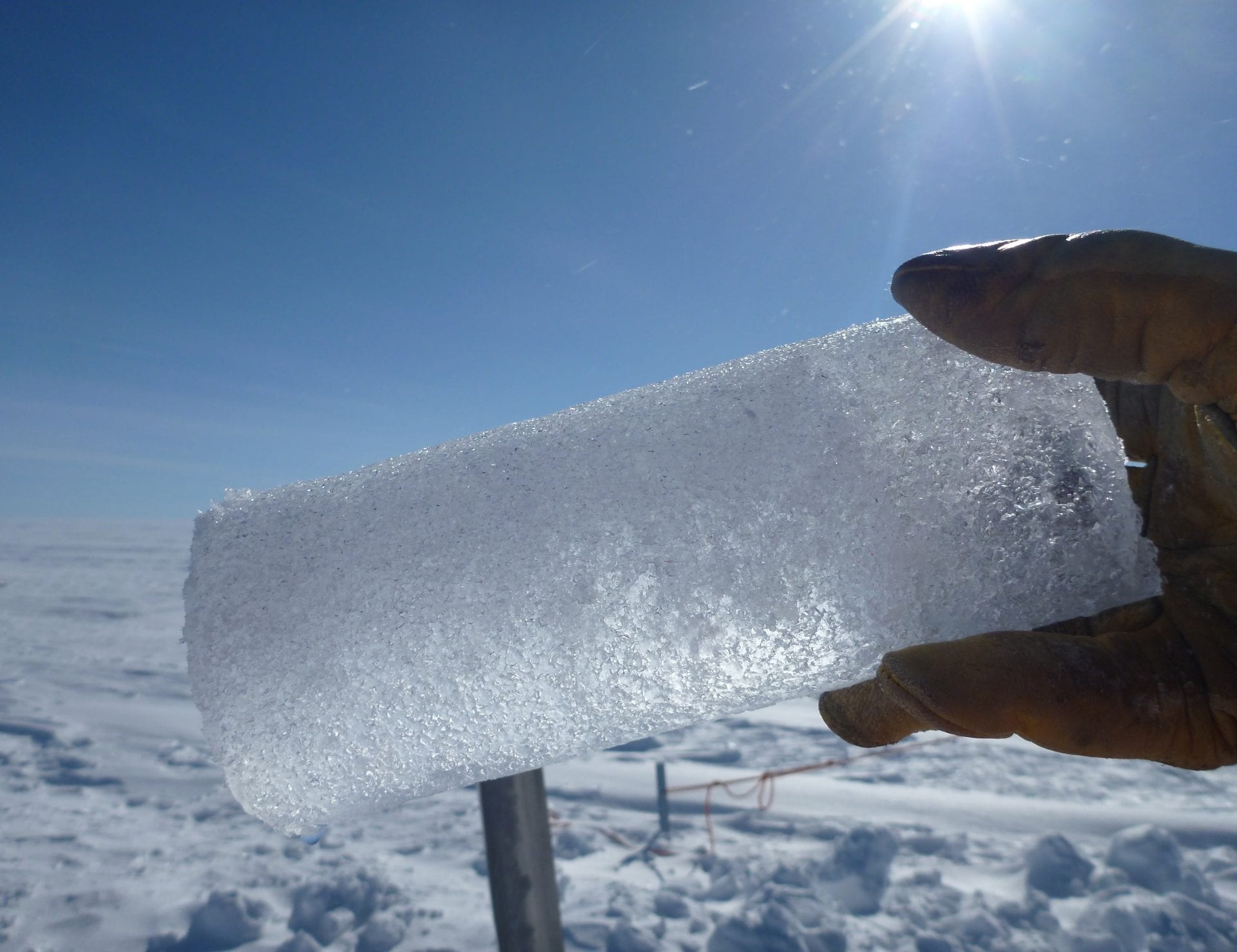
Arctic Ocean preparations in the hunt for the oldest ice in Antarctica
Scientists are getting ready to drill for an ice core holding the oldest ice on planet. They want to reach 1,5 million year old ice with traces of past climate changes.
Text: Maja Sojtaric
-
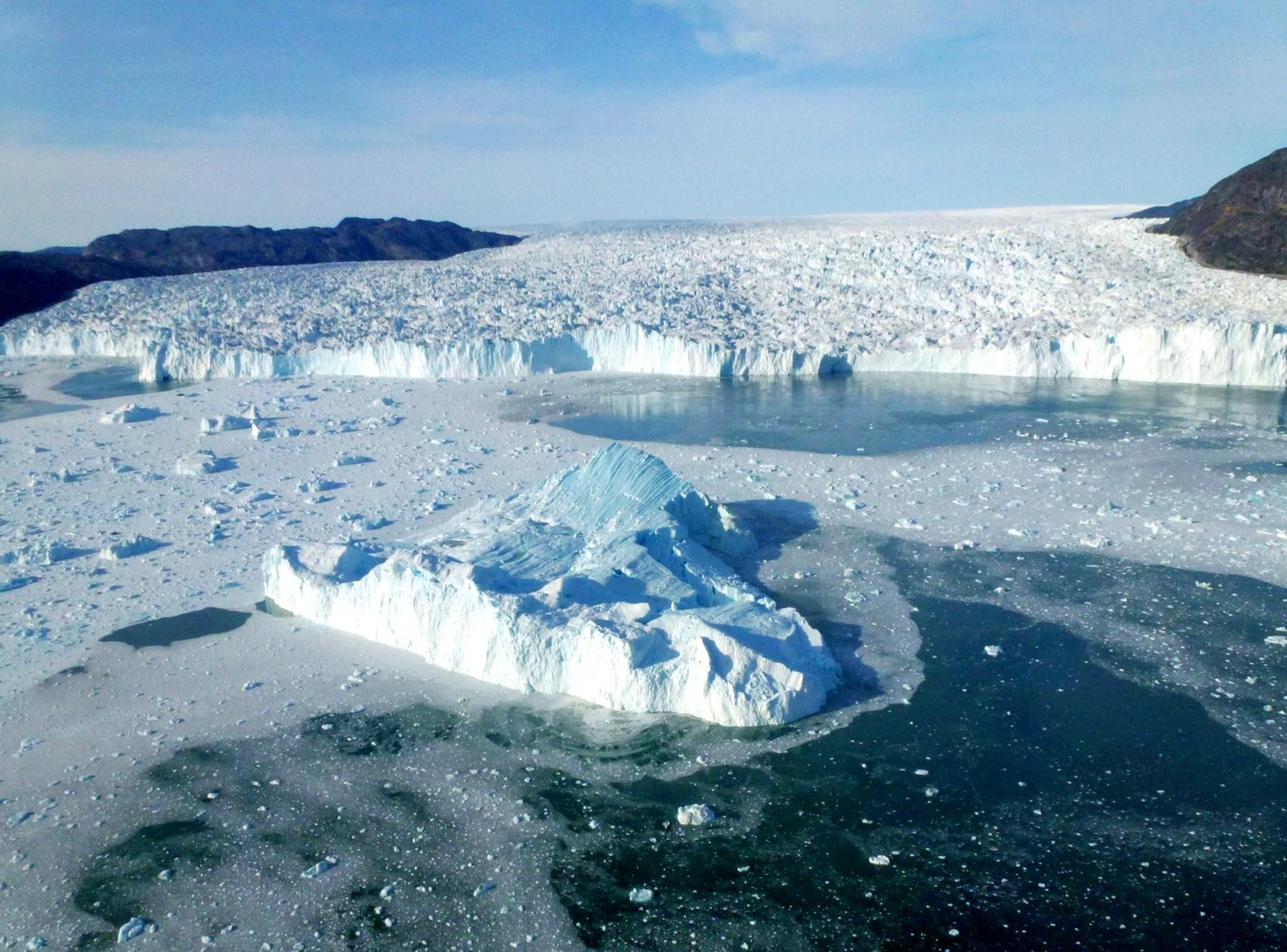
Ice sheets may be hiding vast reservoirs of powerful greenhouse gas
A new study in Nature Communications shows that ice sheets may be keeping vast reservoirs of methane in check. This adds a new concern to rapid ice sheet retreat.
Text: Maja Sojtaric
-
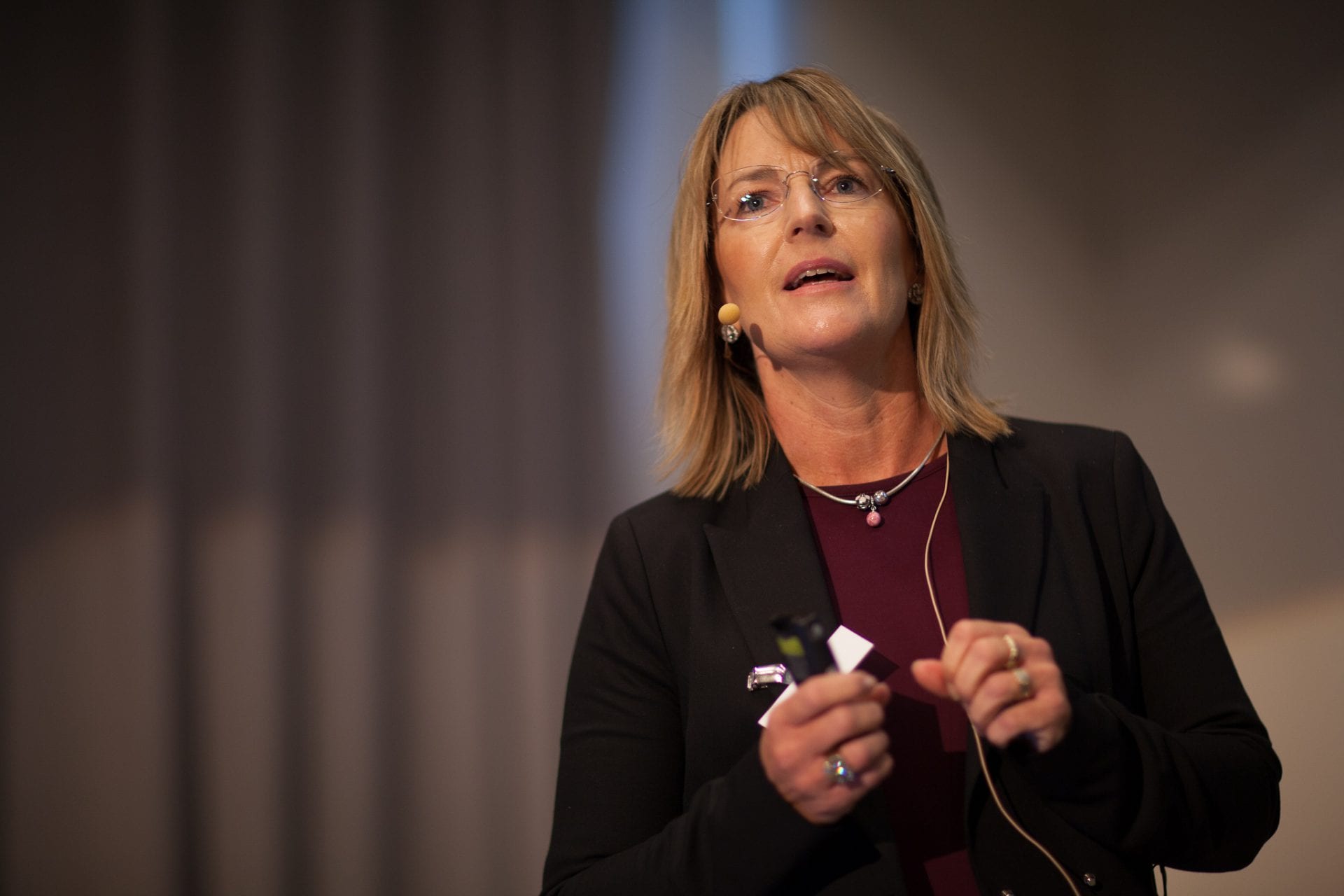
New steering committee member: Ingrid Schjølberg
Ingrid Schjølberg, the director of NTNU Ocean science and technology in Trondheim Norway, has accepted the position as a permanent member of the steering committee for CAGE.
Text: Maja Sojtaric
-
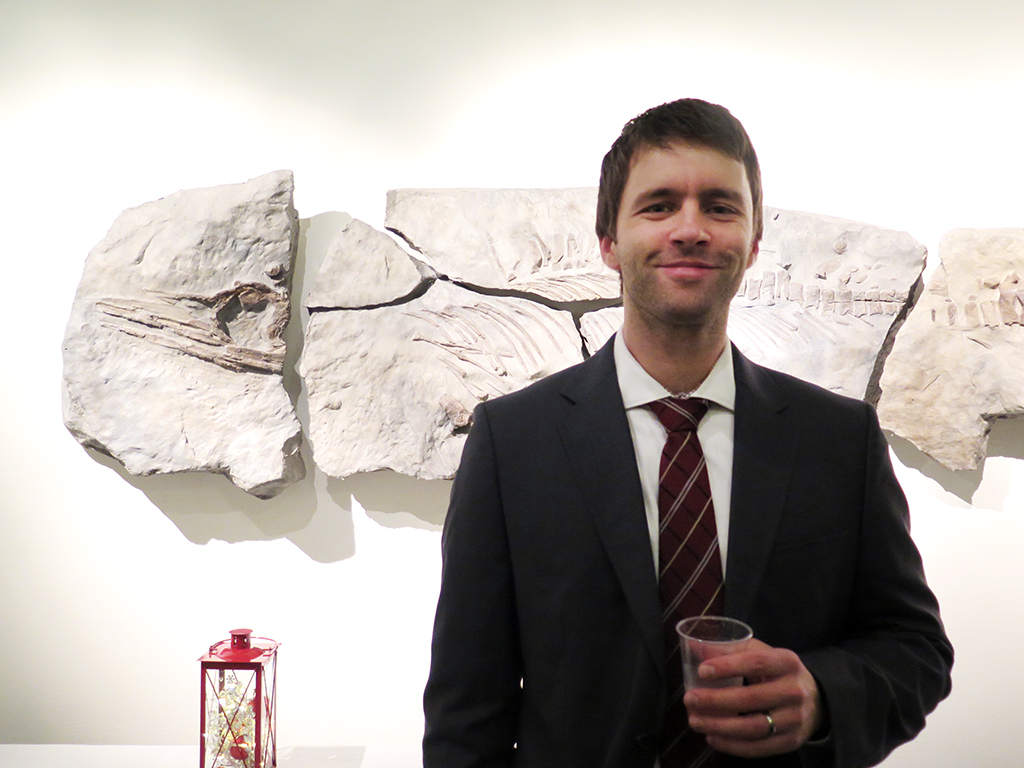
Eythor Gudlaugsson defends PhD in glaciology
Congratulations to Dr. Gudlaugsson who recently defended his thesis “Modelling subglacial hydrology of the former Barents Sea Ice Sheet”.
Text: Maja Sojtaric
-

AMAP: Arctic Ocean as future source of methane
CAGE-scientists Anna Silyakova and Giuliana Panieri have contributed to the latest AMAP assessment on methane as Arctic climate forcer. The assessment programme is developed by Arctic Council and is aimed specifically at policymakers.
Text: Maja Sojtaric
-
The Siberian Times: Leaking pingos ‘can explode under the sea in the Arctic, as well as on land’
http://siberiantimes.com/science/casestudy/features/f0183-leaking-pingos-can-explode-under-the-sea-in-the-arctic-as-well-as-on-land/
-
The Daily Mail: Enormous mounds of methane found under the Arctic sea
http://www.dailymail.co.uk/sciencetech/article-3325230/Enormous-mounds-methane-Arctic-sea-Underwater-pingos-reveal-clues-climate-change.html
-
Science Nordic: Historic climate data stored on the ocean floor in microscopic fossils
http://sciencenordic.com/historic-climate-data-stored-ocean-floor-microscopic-fossils
-
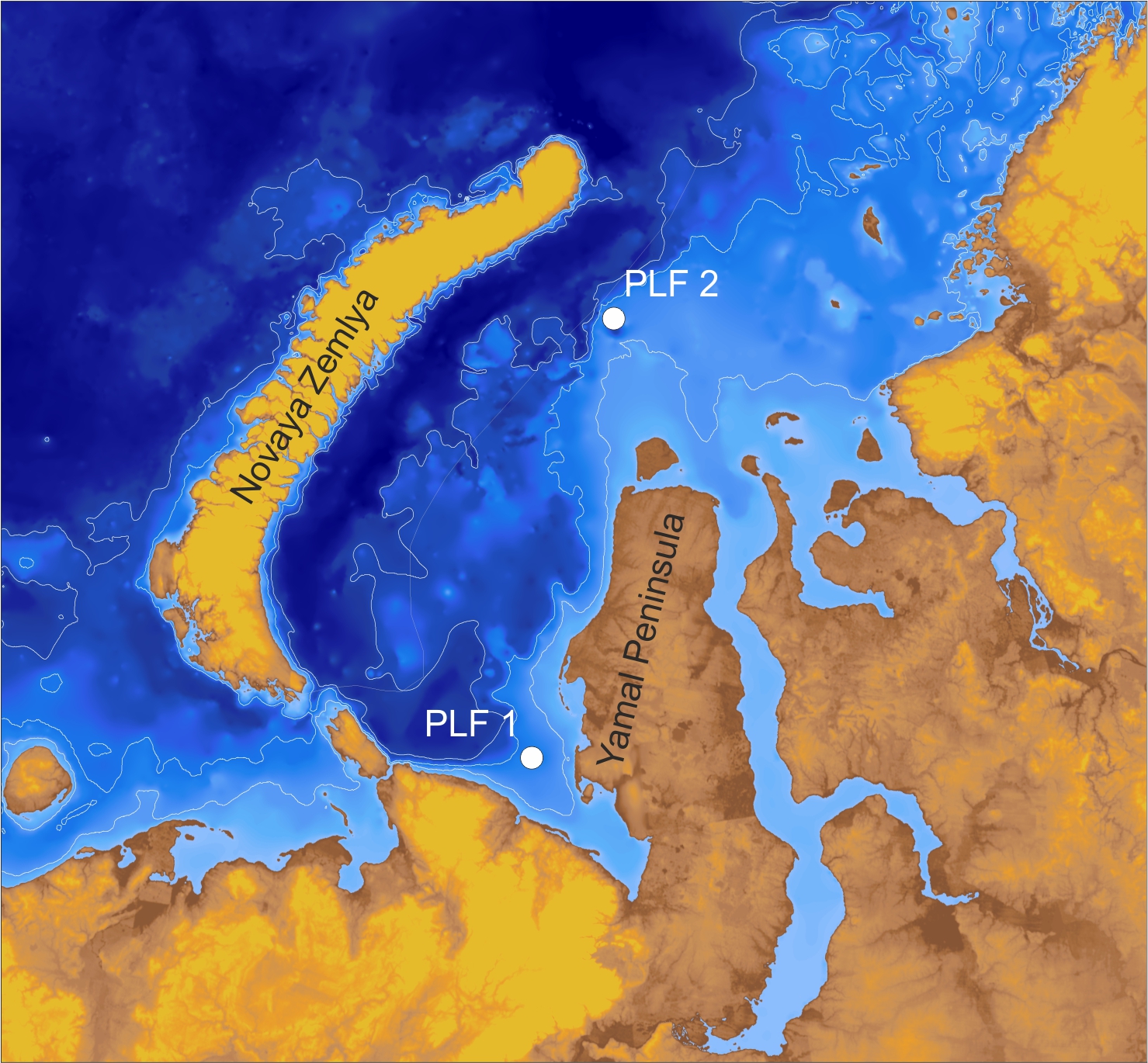
Methane feeds subsea ice mounds off Siberia
Huge mounds, pingos, are discovered on the seabed offshore Siberia. They are forming because of the thawing of subsea permafrost and high accumulation of methane.
Text: Maja Sojtaric
-
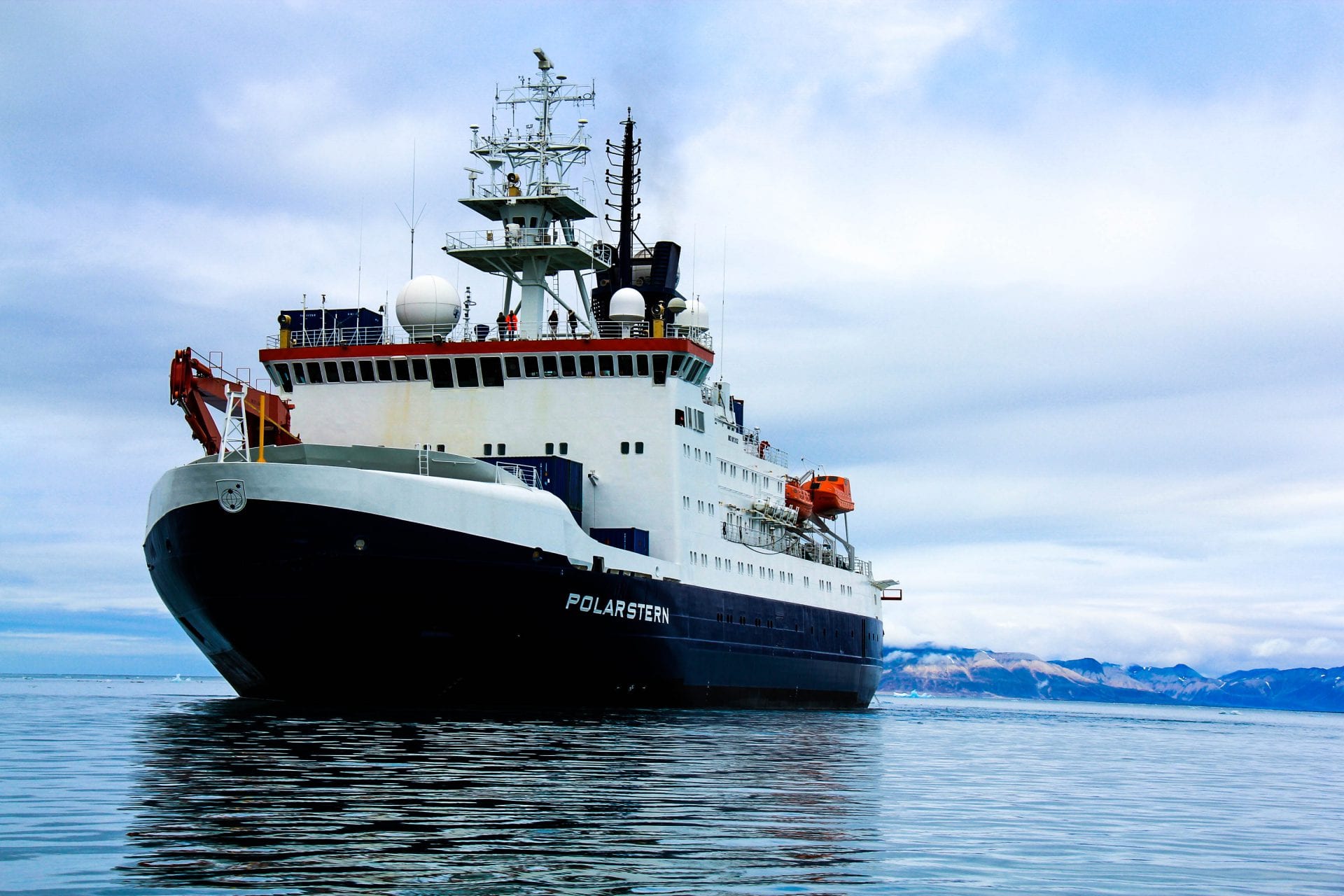
New methane sensor installed in the Arctic Ocean
German research vessel Polarstern went to the Fram Strait on an expedition this year. On board were two scientists from CAGE, with a mission to install a methane sensor at the deep-sea observatory Hausgarten.
Text: Maja Sojtaric
-
CAGE contributes to Gordon Conference
Gordon Research Conferences are a group of prestigious international scientific conferences covering frontier research in a range of topics. CAGE is one of the contributors for the 2016 conference on natural gas hydrate systems to be held in Galveston, Texas.
Text: Maja Sojtaric
-
How do we measure greenhouse gases in the ocean?
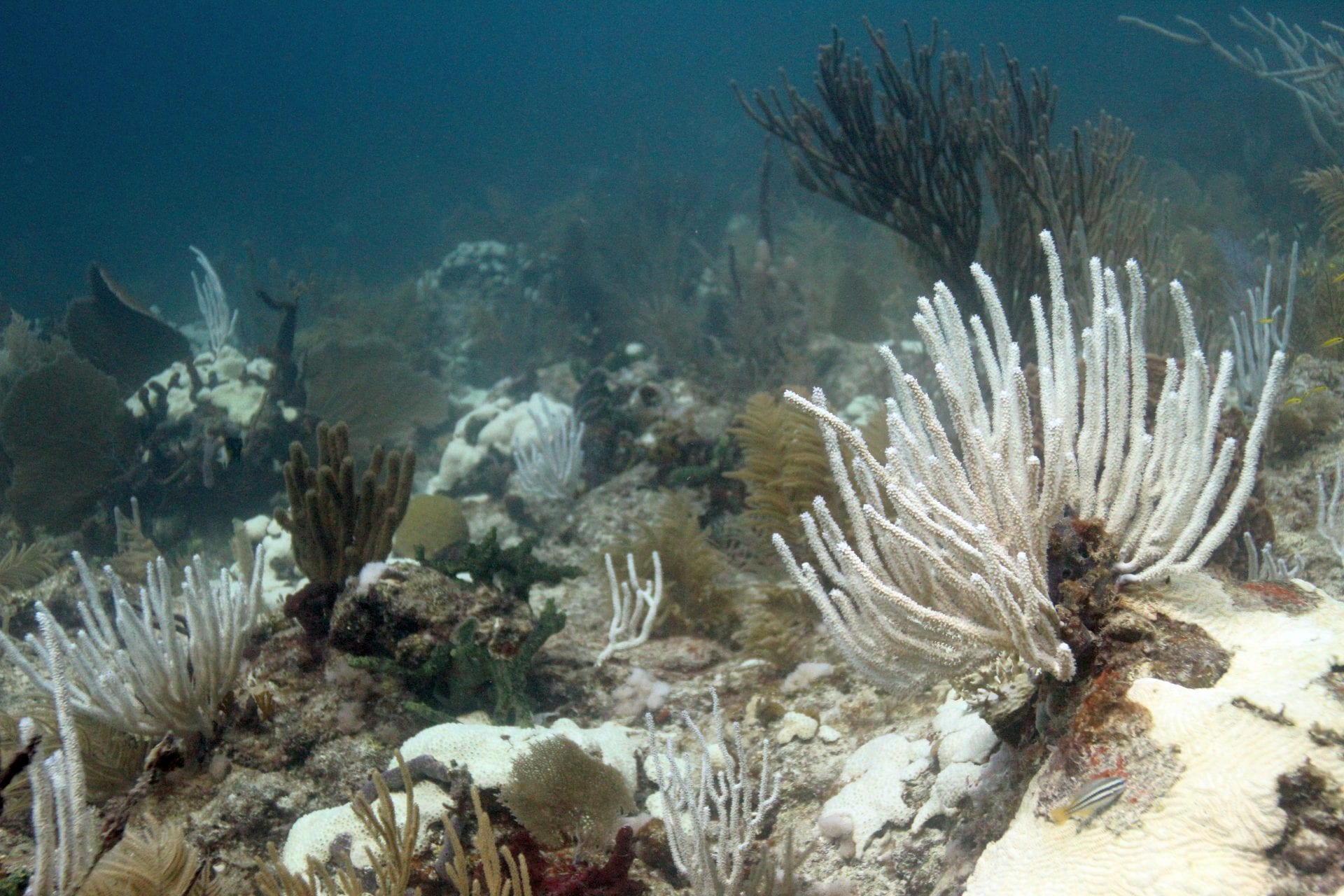
That was one of the main questions raised at a workshop, recently arranged by our research school in Arctic Marine Geology and Geophysics. Oceans are covering over 70 percent of our home planet´s surface. It is therefore important to understand how greenhouse gases affected ocean life in the past, and how they may affect it in the future.
Text: Maja Sojtaric
-
Aleksey Portnov defends thesis on permafrost
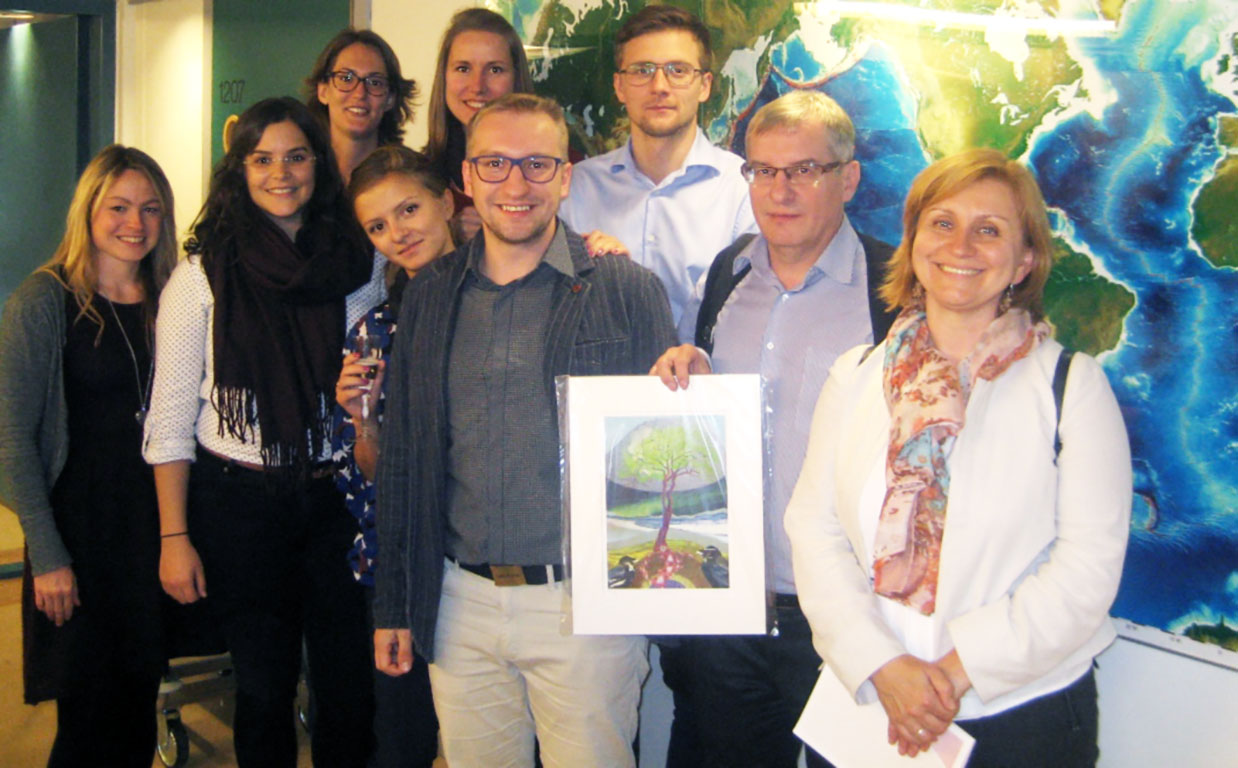
Congratulations to Dr. Portnov who recently defended his thesis Role of subsea permafrost and gas hydrate in postglacial Arctic methane releases.
Text: Maja Sojtaric
-
Field trip to Italy sparks scientific imagination
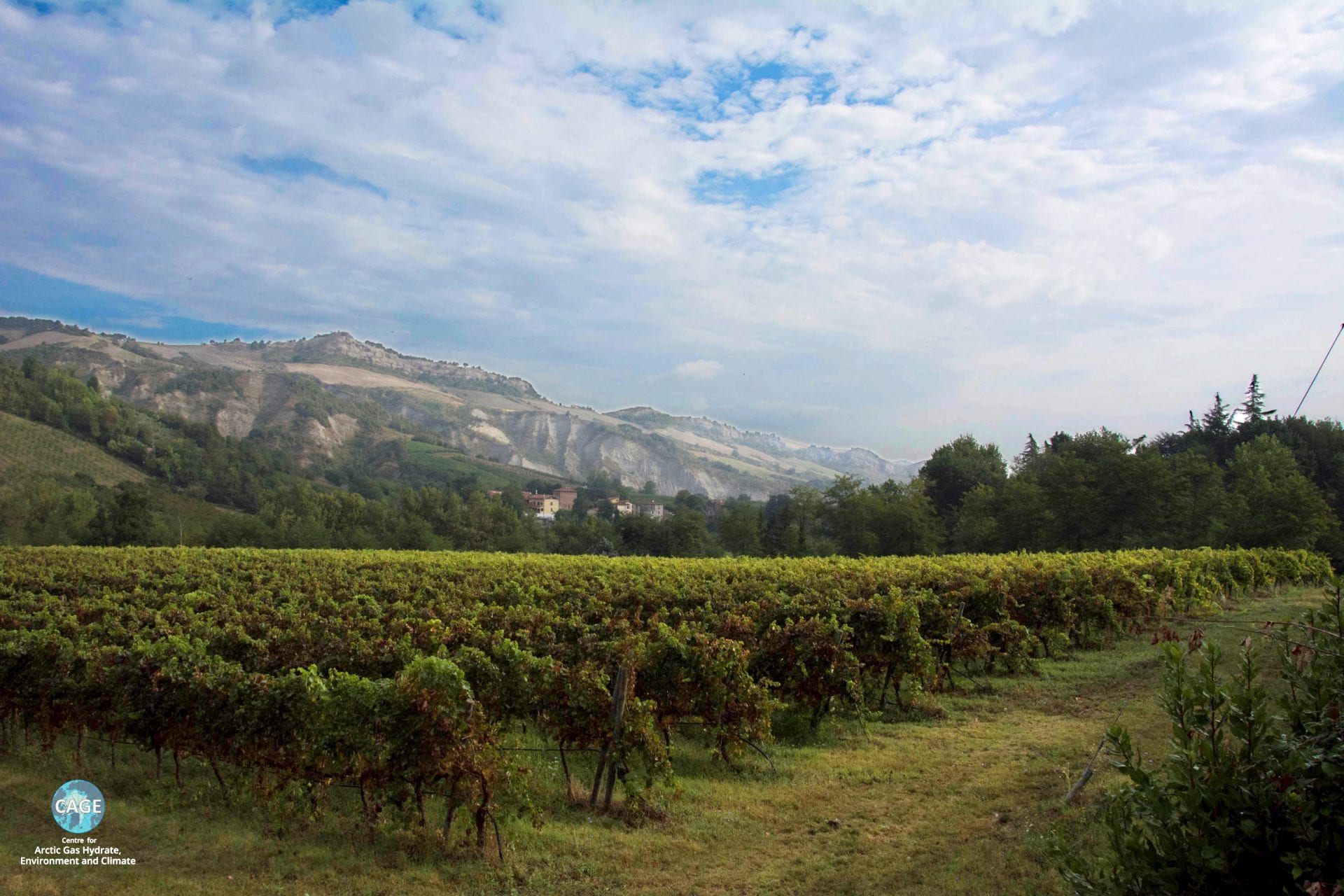
[types field=”Blogging from the field”][/types]Our early career scientists went recently on a field trip to Apennines in Northern Italy. During the field trip they created a blog, communicating simple facts from the field to general public.
Text: Maja Sojtaric
-

Methane observatories successfully deployed in the Arctic
Mysteries still abound about methane release from the ocean floor. Two state of the art observatories have been deployed offshore Svalbard this summer, to try and unveil the secrets of natural release of the climate gas.
Text: Maja Sojtaric. Photos: Anna Silyakova
-
CAGE installs new mass spectrometer
Tromsø will soon be one of few places in the world where scientists can analyze clumped isotopes. The groundbreaking method allows for more precise reconstruction of past climate changes, and will be performed with the new mass spectrometer currently being installed at CAGE.
Text: Maja Sojtaric
-
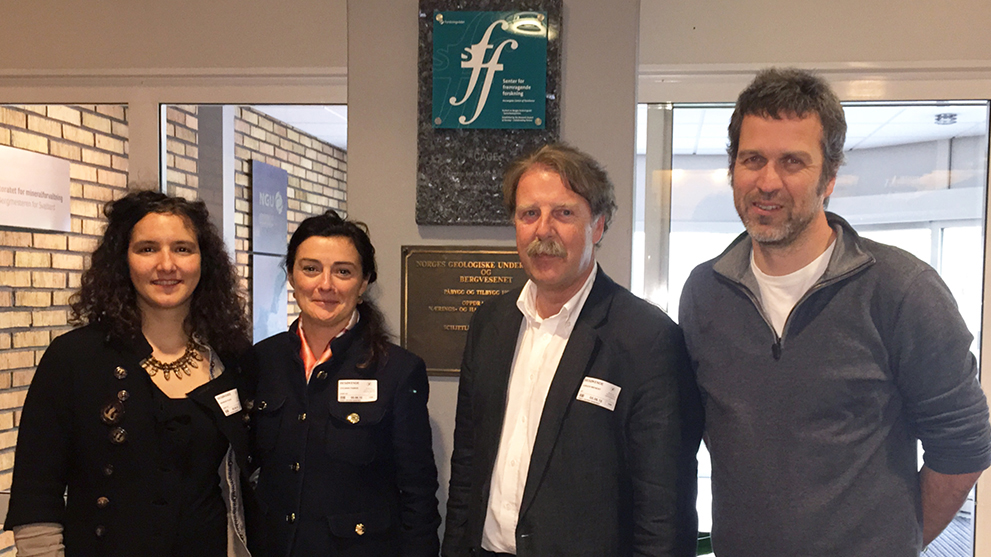
CAGE director visits new laboratory in Trondheim
CAGE director Jürgen Mienert recently visited the new 2G Cryogen Magnetometer that is being installed by our partner Geological Survey of Norway (NGU) in Trondheim. The instrument will be used to date past climate and environmental changes by studying magnetic iron minerals.
Text: Maja Sojtaric
-
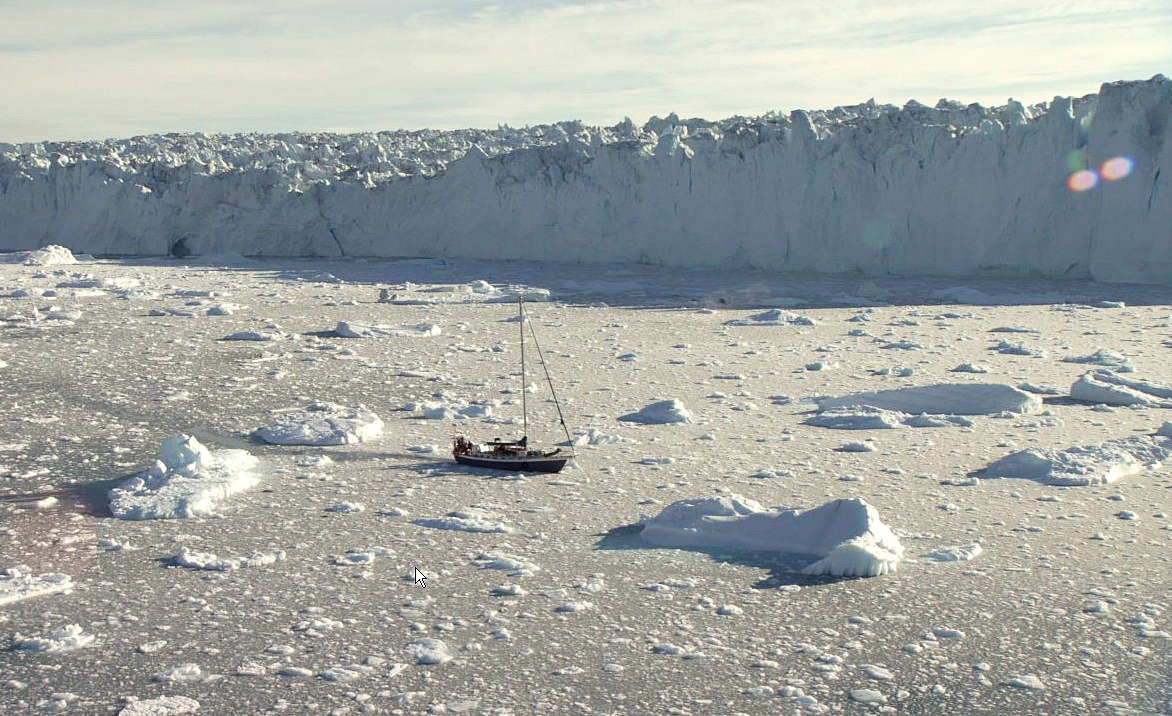
The Power of Ice
Ice has weighed heavy on the Arctic for at least two million years. And now it´s rapidly retreating. Present studies of ice sheets in Greenland and Antarctica help us unravel the past. The past provides perspective on the future.
Text: Maja Sojtaric
-

Exceptional view of deep Arctic Ocean methane seeps
Close to 30.000 high definition images of the deep Arctic Ocean floor were captured on a recent research cruise. This gives us an exclusive insight into the most remote sites of natural methane release in the world.
Text: Maja Sojtaric
-
Sinc: El metano del Ártico, ¿una amenaza incipiente?
http://www.agenciasinc.es/Reportajes/El-metano-del-Artico-una-amenaza-incipiente
-
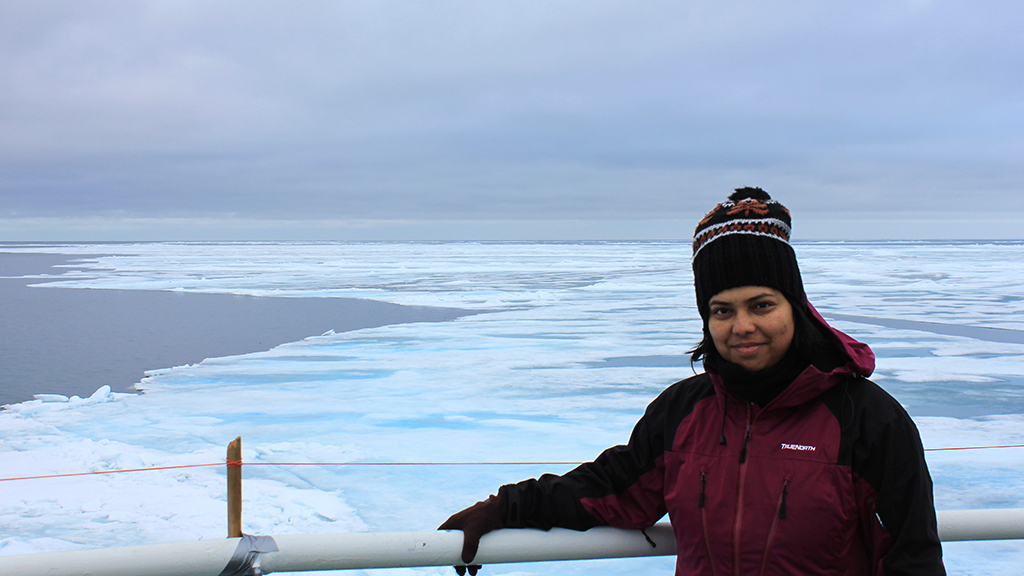
Soma Baranwal receives award
Dr. Soma Baranwal has been selected as the recipient of the 2015 W. Storrs Cole Memorial Research Award meant to support research in invertebrate micropaleontology. The grant is awarded by Geological Society of America.
Text: Maja Sojtaric
-
Patton Wins Best Poster Award
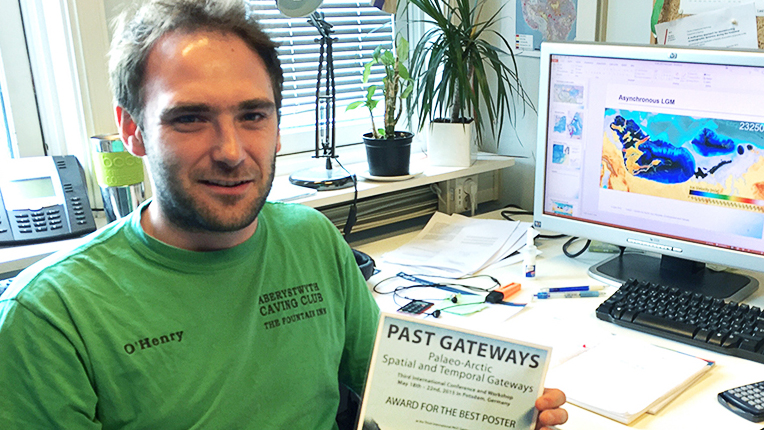
Dr. Henry Patton, post doctoral researcher at CAGE, won an award for best poster at PAST Gateways conference at Alfred Wegener Institute. Poster showed how modelling is used to reconstruct the last ice sheet to cover the Barents Sea.
Text: Maja Sojtaric
-

Dr. William Ambrose appointed as Program Director at NSF
Dr. William Ambrose, who is currently a visiting scholar at CAGE, has been appointed as new Program Director of the Arctic Observing Network Program in the Arctic Sciences Section of the National Science Foundation (Washington DC, USA).
Text: Maja Sojtaric
-

Annual report for 2014
We have had a busy year in 2014, with many achievements and discoveries. You can now enjoy reading about many of them in our annual report for 2014.
-
Ocean currents disturb methane-eating bacteria
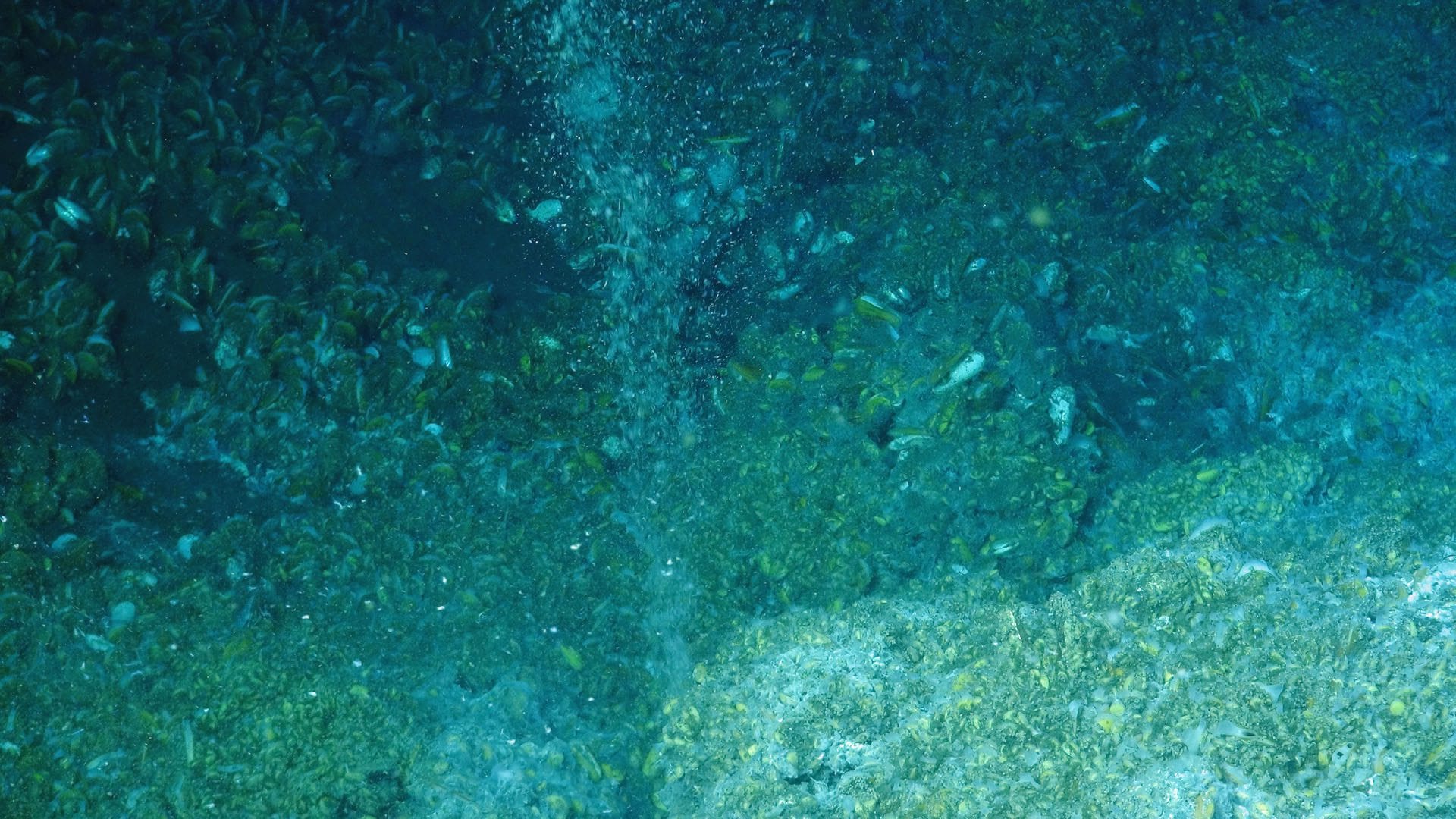
Bacteria that feed on methane can control its concentration once it is released from the ocean floor. This can potentially stop the greenhouse gas from entering the atmosphere. But ocean currents can easily disturb dinner, according to new study in Nature Geoscience.
Text: Maja Sojtaric
-
Are gas hydrates an environmentally sound energy source?
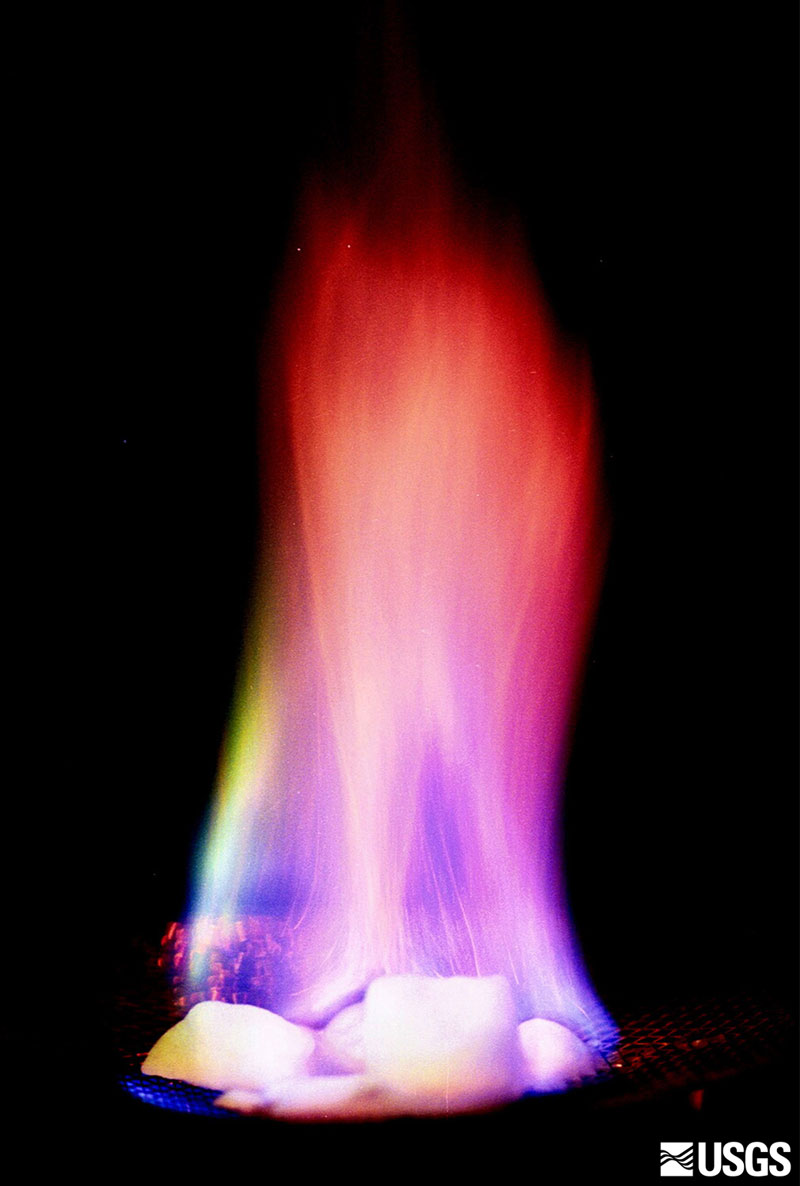
That is one of the questions that COST Action MIGRATE is trying to answer. Stefan Bünz was recently elected as Vice Chair of the action, supported by EUs framework program.
By: Maja Sojtaric
-

CAGE is partner in new climate research school
Norwegian Research Council supports the national climate research school, CHESS, with over 2,5 million Euro. The school will provide PhD students in geosciences with intensive courses related to climate research.
By: Maja Sojtaric
-
New source of methane discovered in the Arctic Ocean
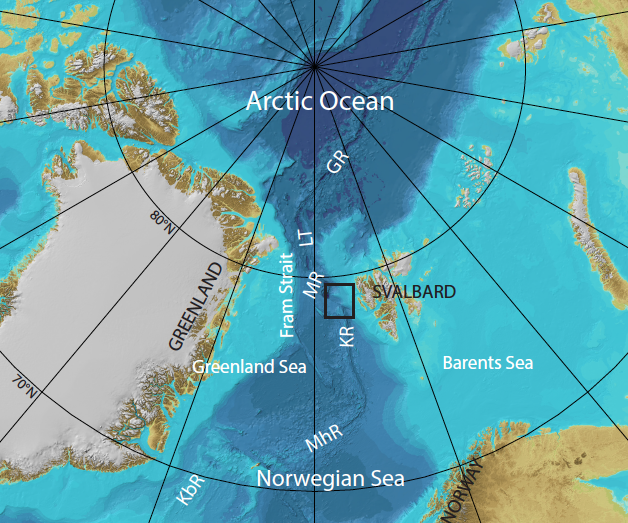
A reservoir of abiotic methane has been discovered in the Arctic Ocean. This means that there is more of the greenhouse gas trapped under the seabed than previously thought.
By: Maja Sojtaric
-
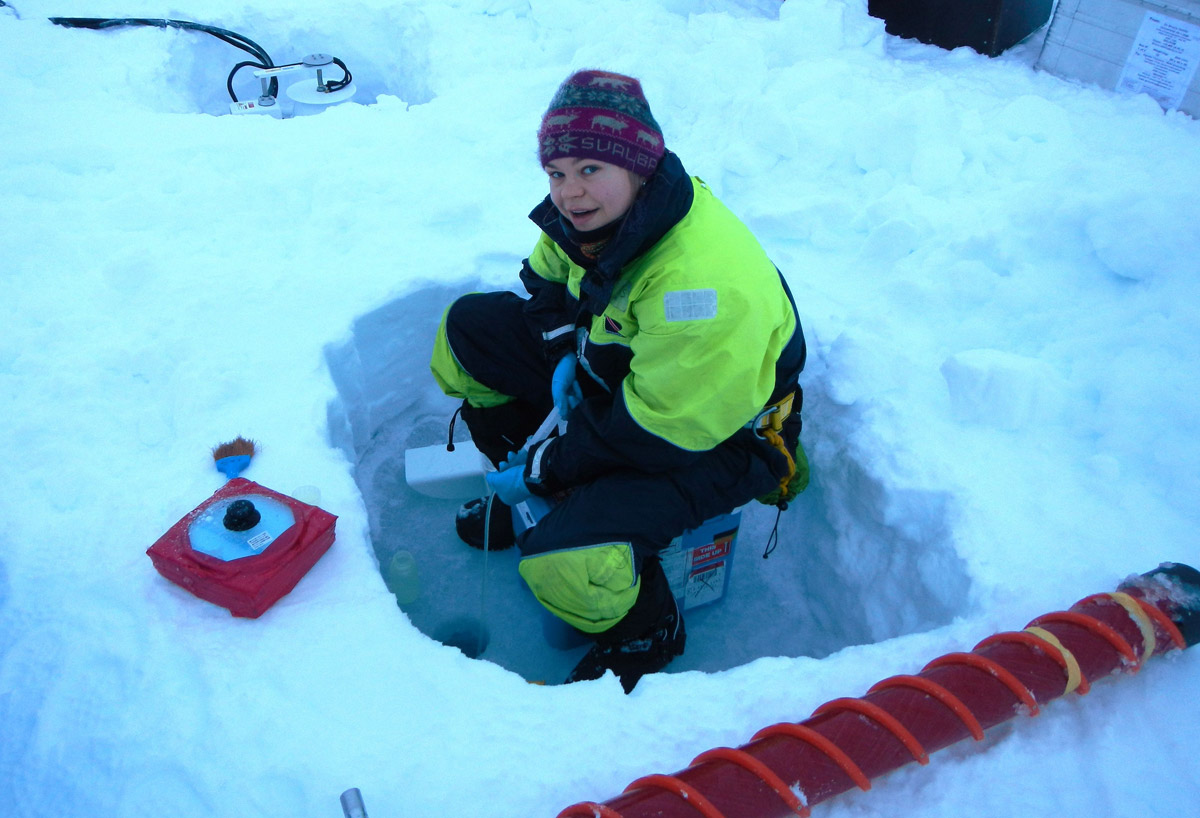
Blog: Measuring greenhouse gases in the Arctic
Our post. doc Anna Silyakova spent six weeks frozen into an ice floe in the Arctic Ocean on board the research vessel Lance. In this blog post you can read more about the experiments she conducted in the ice.
Text: Daiki Nomura ( Hokkaido University) and Anna Silyakova (CAGE). Blog was previously published by Norwegian Polar Institute.
-

Ezat wins award
Mohamed Ezat, PhD student at CAGE, recently won an award for best student lecture at the all staff meeting for The Norwegian Research School in Climate Dynamics (ResClim).
Text: Maja Sojtaric
-
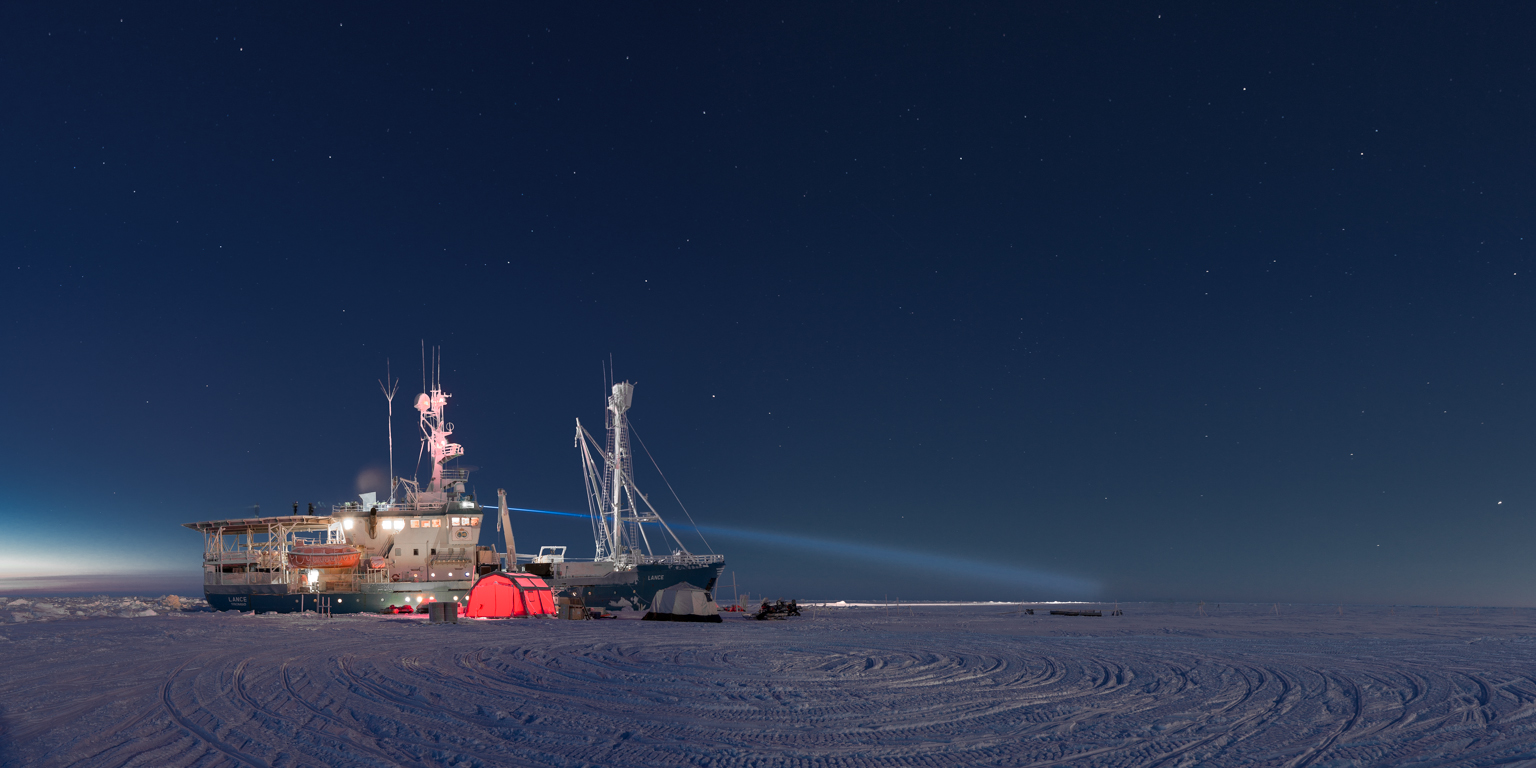
Frozen – a story of groundbreaking research in the Arctic Ocean
Dr. Anna Silyakova will spend six weeks frozen into Arctic sea ice on board Research Vessel Lance. Her goal is to measure the escape of methane from the ocean covered by young sea ice.
Text: Maja Sojtaric
-
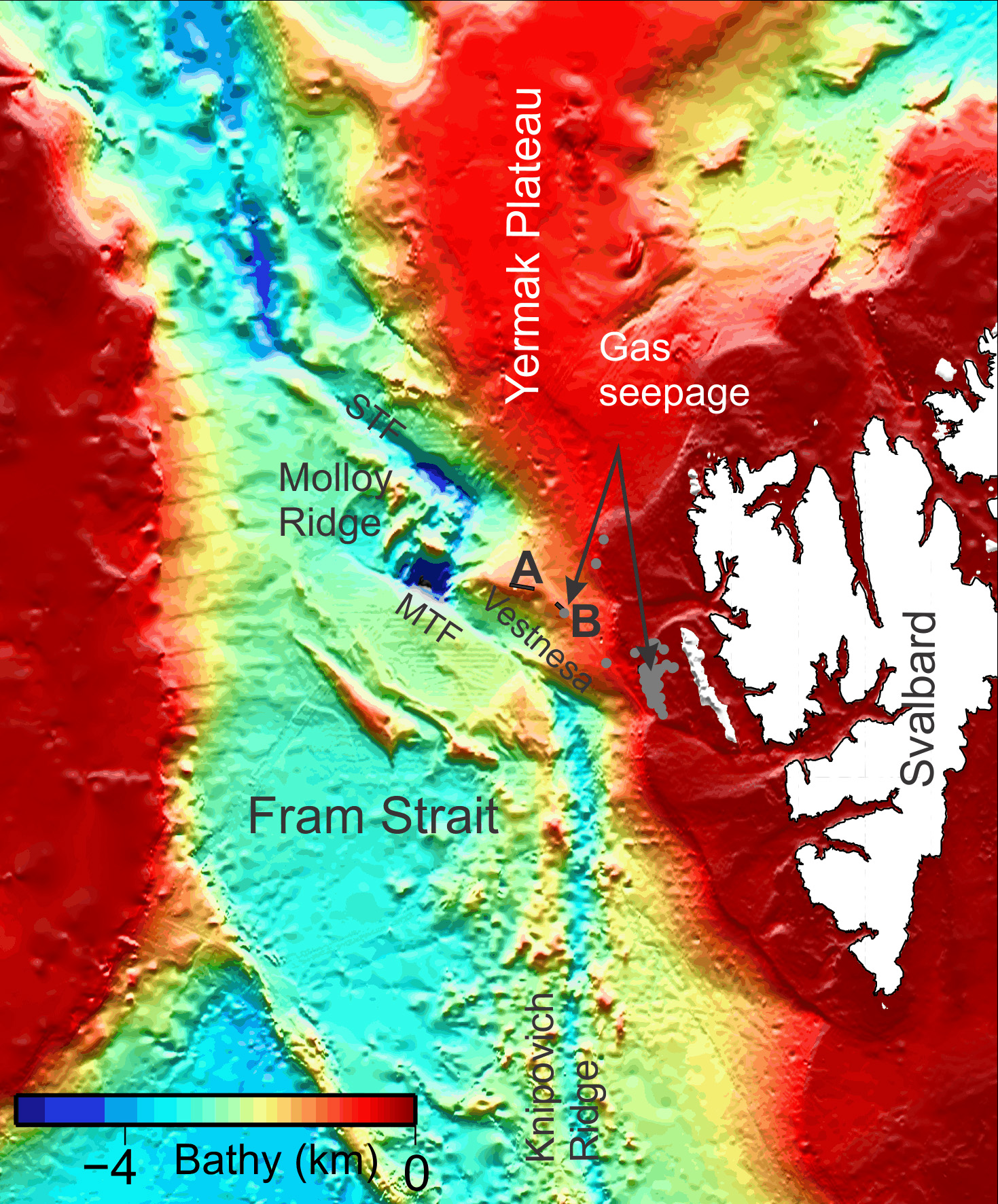
Methane seepage from Arctic seabed occurring for millions of years
Natural seepage of methane offshore the Arctic archipelago Svalbard has been occurring periodically for at least 2,7 million years. Major events of methane emissions happened at least twice during this period, according to a new study.
Text: Maja Sojtaric
-
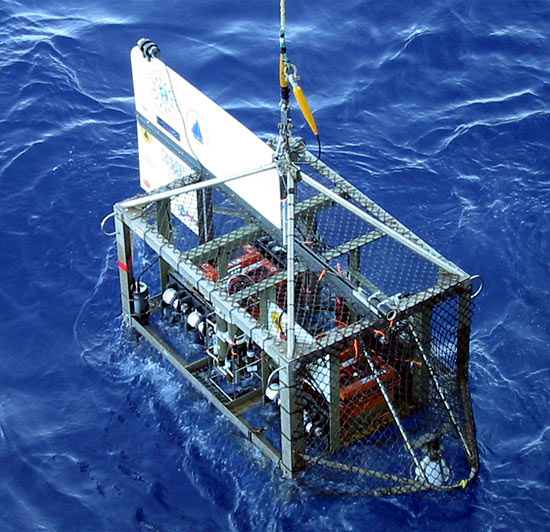
Collaboration provides fresh view of the Arctic Ocean floor
Woods Hole Oceanographic Institution is famous for its development of groundbreaking technology for ocean research. Some of it is coming along on a CAGE cruise in May, to give scientists a better view of the Arctic Ocean floor.
Text: Maja Sojtaric
(more…) -
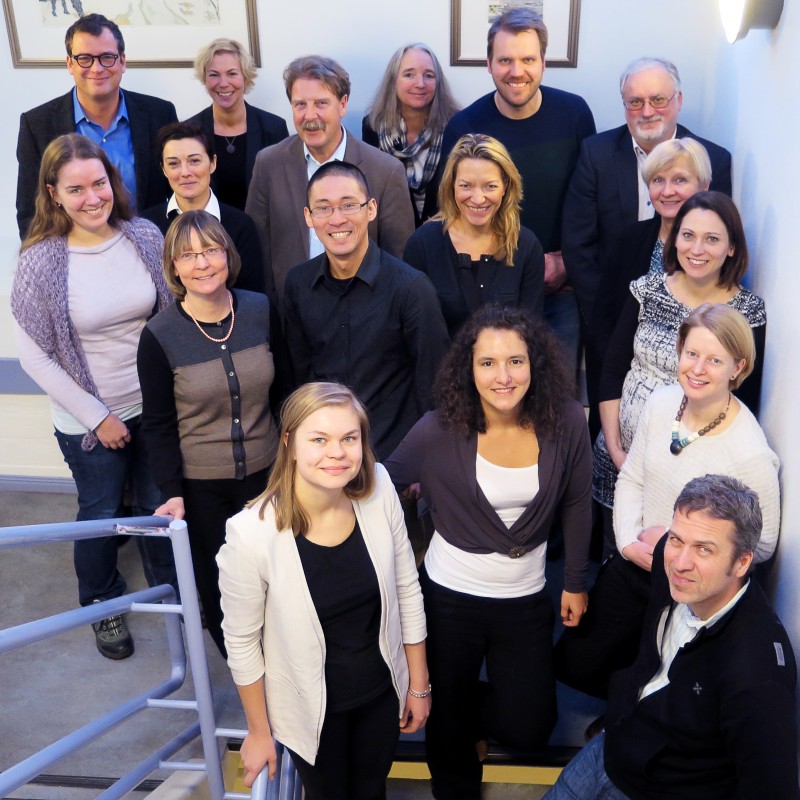
Visit from our Advisory Board
Advisory Board for CAGE is composed by accomplished international scientists. Yesterday three of them visited the centre for an update on our recent activities.
-
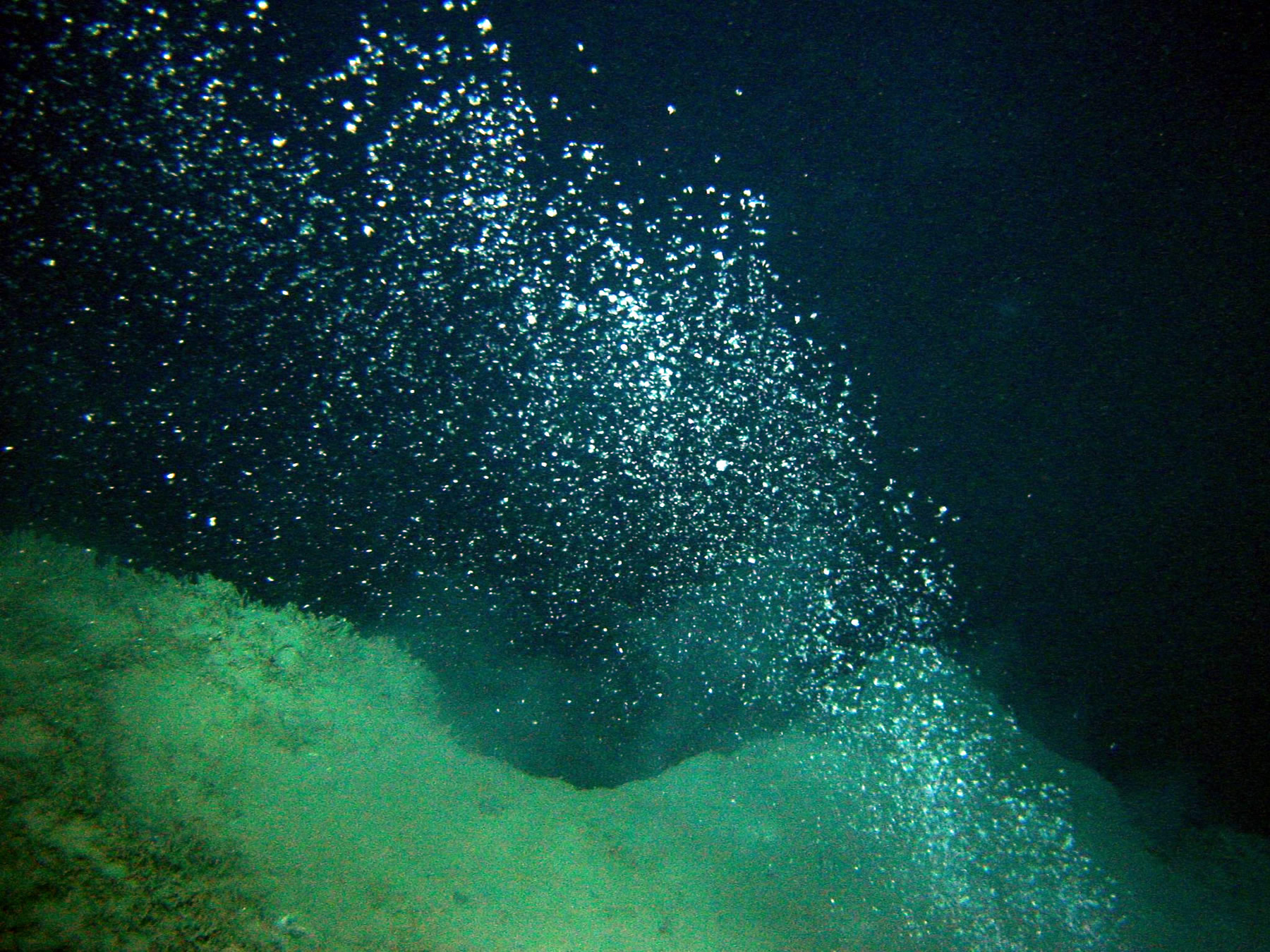
Scientists intrigued by a unique volcano on the ocean floor
Norway has two active volcanoes. One is the northernmost subaerial volcano in the world, Beerenberg on the island of Jan Mayen. The other is at the bottom of the ocean, spewing out mud and methane.
Text: Maja Sojtaric
-
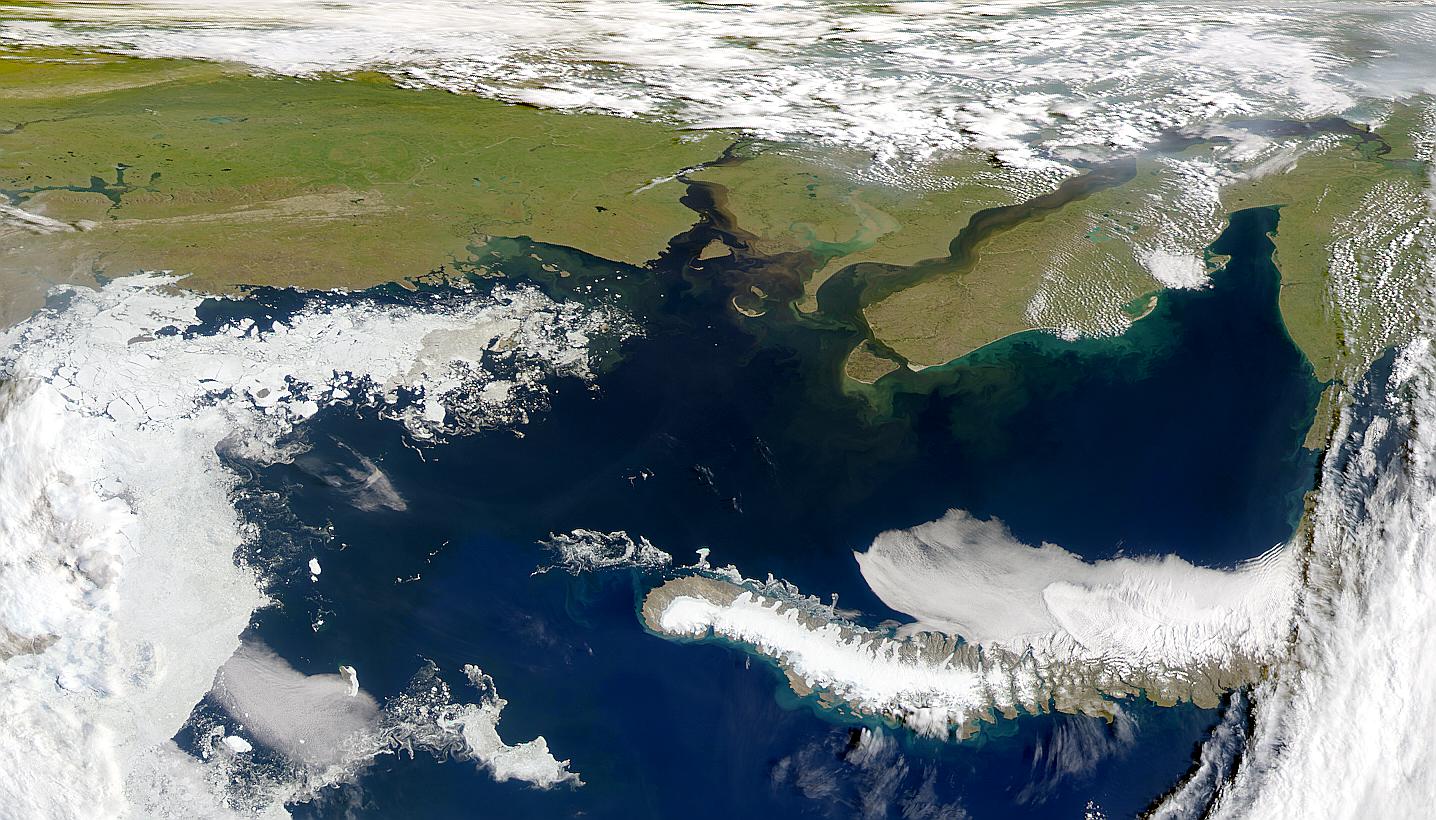
Methane is leaking from permafrost offshore Siberia
The magnificent images of a crater on Yamal Peninsula, caused by collapsing permafrost, have become world famous. But did you know that this permafrost extends to the ocean floor? And it is thawing.
Text: Maja Sojtaric
-

Methane flares in the Arctic dwarf the Golden Gate Bridge
Methane gas flares, up to 800 meters high, rise from the Arctic Ocean floor. That is the size of the tallest building in the world, Burj Khalifa in Dubai. Golden Gate Bridge becomes a miniature, in this visual comparison.
Text: Maja Sojtaric, Video illustration: Aleksei Portnov, phd.
-
Surface water conditions and calcium carbonate preservation in the Fram Strait during marine isotope stage 2, 28.8–15.4 kyr
http://onlinelibrary.wiley.com/doi/10.1002/2012PA002448/abstract
K. Zamelczyk, T. L. Rasmussen, K. Husum, F. Godtliebsen and M. Hald
-
The emergence of modern sea ice cover in the Arctic Ocean
http://www.nature.com/ncomms/2014/141128/ncomms6608/full/ncomms6608.html
Jochen Knies, Patricia Cabedo-Sanz, Simon T. Belt, Soma Baranwal, Susanne Fietz and Antoni Rosell-Melé
-
Temporal and spatial structure of multi-millennial temperature changes at high latitudes during the Last Interglacial
http://www.sciencedirect.com/science/article/pii/S027737911400338
Emilie Capron , Aline Govin, Emma J. Stone, Valérie Masson-Delmotte, Stefan Mulitza, Bette Otto-Bliesner, Tine L. Rasmussen, Louise C. Sime, Claire Waelbroeck, Eric W. Wolff.
-
North Atlantic marine radiocarbon reservoir ages through Heinrich event H4: a new method for marine age model construction
http://sp.lyellcollection.org/content/early/2014/02/05/SP398.2.abstract?rss=1
Jesper Olsen, Tine L. Rasmussen and Paula J. Reimer