
DSCOVR has reached the halfway mark to L1
Probably one of the most important means in forecasting short-term space weather effects is the NASA’s Advanced Composition Explorer (ACE) satellite. It is positioned at about 1.5 million km from Earth, where the gravity between the Earth and sun is perfectly balanced. At this neutral spot, called Lagrange 1 (L1), a satellite affected only by gravity can maintain a stable orbit relative to the two larger celestial bodies.
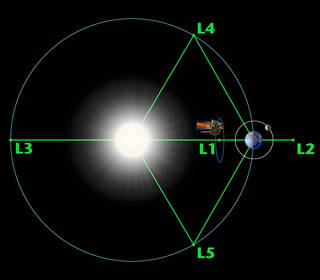
Credits: NASA/WMAP Science Team
In the supersonic flow of plasma originated on the sun, called solar wind, the L1 spot is also an ideal position to measure this constant flow as it passes by. The speed of solar wind varies roughly in the range of 400-900 km/s. This means that we can get from about 15 to 60 minutes advance information on approaching solar wind structures at L1, before it actually reaches Earth, where it may affect sensitive technology (satellite based positioning systems and communications, power grids) and human beings (enhanced radiation on polar flights, manned space missions). Hence ACE’s importance in forecasting space weather up to hours-long time scale.
After 18 yrs of service ACE is being replaced by the Deep Space Climate Observatory, or DSCOVR. The DSCOVR was successfully launched from Cape Canaveral, Florida on February 11, 2015, and is now reached the halfway mark to the L1 position.
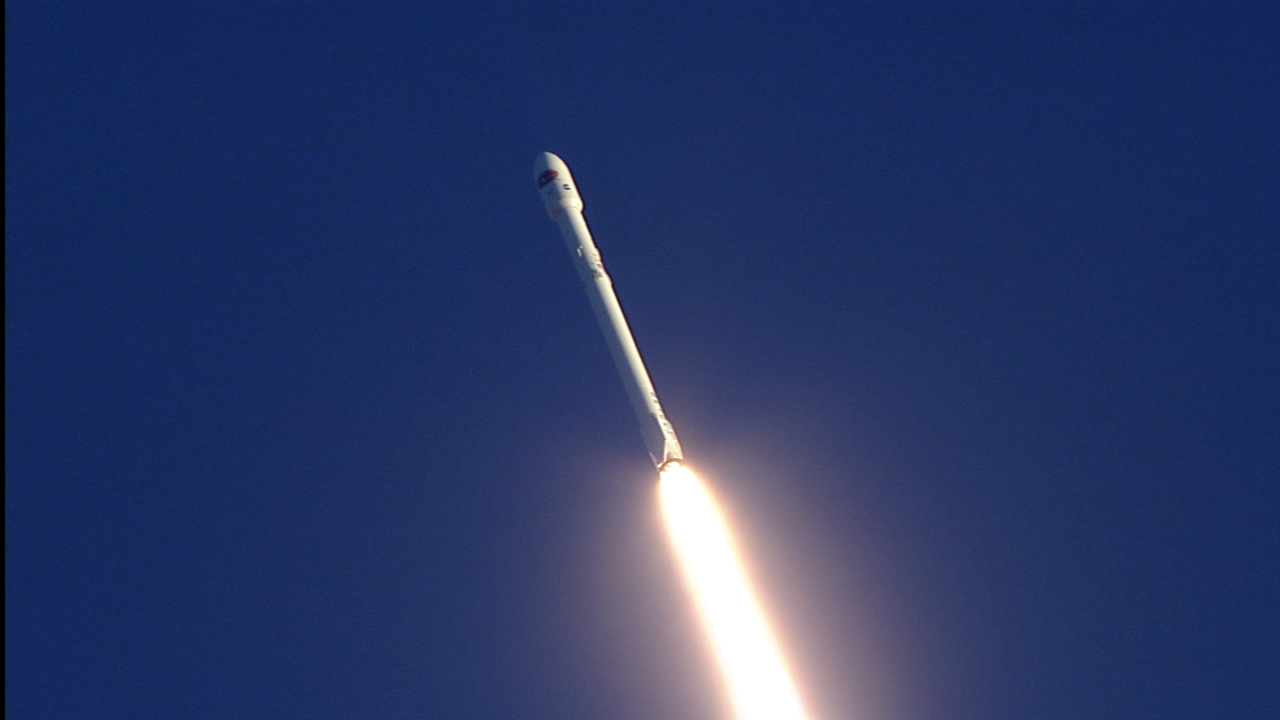
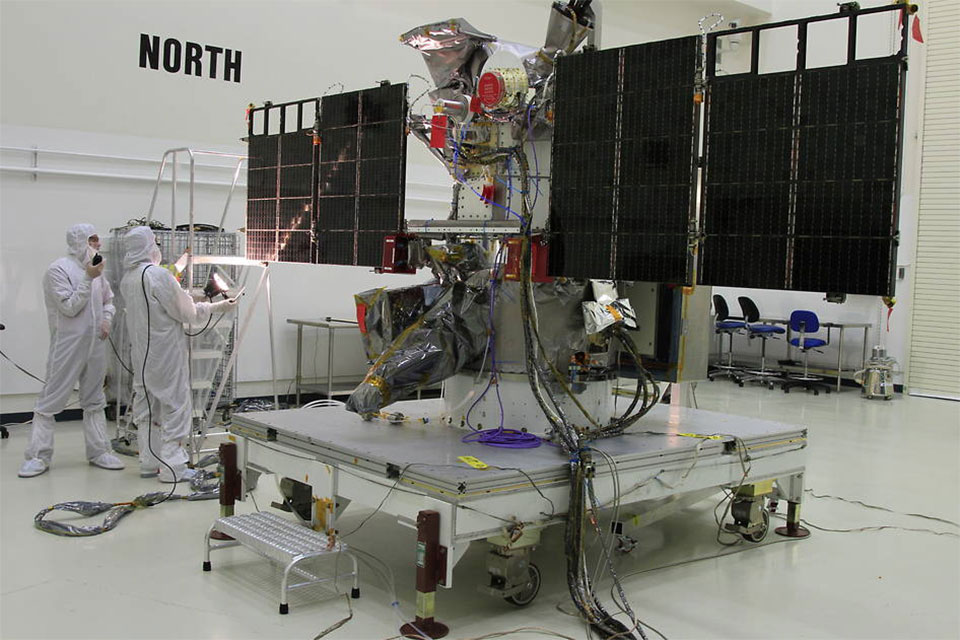
Credits: NASA
The DSCOVR carries three key science instruments on board to measure solar wind properties*. The raw input from these instruments into readily available models will allow us to provide continous observation and forecast of near-Earth space weather.
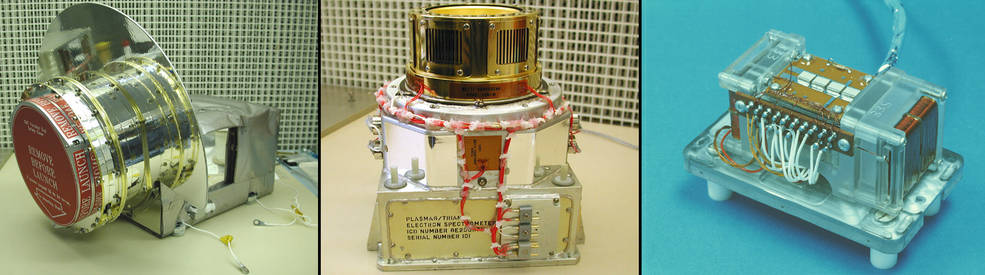
Credits: NASA/DSCOVR
You can find more information on ACE here,
More information on DSCOVR are attainable here.
*Note that the DSCOVR will also be used for Earth observation not discussed here.